Wenn Sie jemals auf ein Datenblatt gestarrt haben und sich fragten, warum einige blaue LEDs mit einem Strahlungsfluss von 3 mW, 4 mW oder sogar 6 mW aufgeführt sind, sind Sie nicht allein. Nachdem ich jahrelang Industriekunden bei der Auswahl der richtigen Lichtquelle für ihre Sensoren und Detektionssysteme unterstützt habe, bin ich zu einer Erkenntnis gelangt: ein blauer 465-nm-LED-Emitter mit 4 mW Strahlungsfluss ist oft das Optimum. Nicht zu schwach, nicht überdimensioniert und überraschend effizient.
Lassen Sie mich Ihnen genau erläutern, warum diese spezifische Kombination in B2B-Anwendungen in der Praxis so gut funktioniert.
Was Strahlungsfluss wirklich bedeutet (und warum die meisten Leute ihn falsch verstehen)
Der Strahlungsfluss, gemessen in Milliwatt (mW), gibt an, wie viel tatsächliche optische Leistung die LED abgibt. Er ist nicht dasselbe wie der Lichtstrom (den das menschliche Auge wahrnimmt). Bei einer blauen 465-nm-LED ist die Strahlungsleistung entscheidend, da die meisten industriellen Sensoren und Detektoren auf die reine Photonenenergie reagieren und nicht darauf, wie “hell” sie für uns erscheint.
Ein typischer blauer 465-nm-LED-Emitter mit 4 mW Strahlungsfluss liefert genügend Photonen, um starke Signale in Photodetektoren zu erzeugen, während der Betriebsstrom und die Wärmeentwicklung gering bleiben. Genau das suchen die meisten Einkäufer in den Bereichen Automatisierung, medizinische Diagnostik und Fluoreszenzsensorik.
Warum gerade 465 nm?
Die Wellenlänge von 465 nm liegt im idealen Bereich für viele industrielle und wissenschaftliche Anwendungen. Sie ist tief genug im blauen Spektrum, um gängige Fluorophore und Fluoreszenzmaterialien anzuregen, aber nicht so kurzwellig, dass atmosphärische Streuung oder Materialabsorption zum Problem werden.
Meiner Erfahrung nach erzielen Kunden, wenn sie von 450 nm auf 465 nm optische Spezifikationen, umsteigen, oft bessere Signal-Rausch-Verhältnisse in ihren Systemen. Die leichte Verschiebung reduziert die unerwünschte Anregung von Hintergrundmaterialien bei gleichzeitig hervorragender Quanteneffizienz in Siliziumdetektoren.
Die Magie von 4 mW Strahlungsfluss
Hier ist der Teil, den die meisten Datenblätter nicht verraten: 4 mW ist das praktische Optimum für eine Vielzahl von Anwendungen.
Ich habe zu viele Ingenieure gesehen, die mit 1–2-mW-LEDs beginnen, nur um festzustellen, dass ihr Signal zu schwach ist, sobald Filter, Entfernung oder Umgebungsrauschen hinzukommen. Dann wechseln sie zu 8–10 mW und kämpfen plötzlich mit thermischen Problemen und höherem Stromverbrauch.
4 mW Strahlungsfluss bietet Ihnen:
- Ausreichend starkes Signal für die meisten Industriesensoren
- Niedriger Stromverbrauch für kühlen Betrieb und längere Lebensdauer
- Exzellente Energieeffizienz (mehr Photonen pro Watt)
Lassen Sie mich Ihnen einige konkrete Zahlen zeigen.
| Parameter | Typische 2-mW-LED | Blaue 4-mW-LED | Blaue 8-mW-LED |
|---|---|---|---|
| Strahlungsfluss @ 20 mA | 2,0–2,5 mW | 3,8–4,2 mW | 7,5–8,5 mW |
| Durchlassspannung | 3.1V | 3.2V | 3.3V |
| Stromverbrauch | 62mW | 64mW | 99mW |
| Anstieg der Sperrschichttemperatur | +12 °C | +15 °C | +28 °C |
| Typische Lebensdauer (L70) | > 60.000 Std. | > 55.000 Std. | ~ 38.000 Std. |
Wie Sie sehen können, verdoppelt der Sprung von 4 mW auf 8 mW fast den Stromverbrauch und verkürzt die Lebensdauer erheblich. Deshalb empfehle ich normalerweise, bei ... zu bleiben, 4 mW Strahlungsfluss es sei denn, Sie haben einen sehr spezifischen Grund, höher zu gehen.
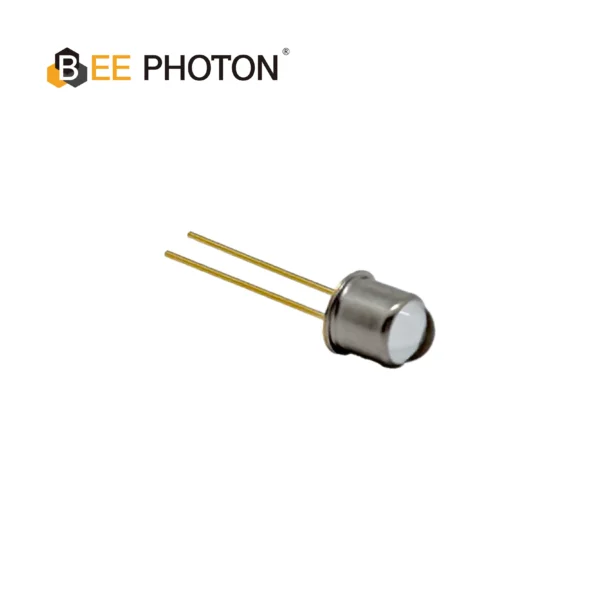
Blaue LED E465-4-201L4
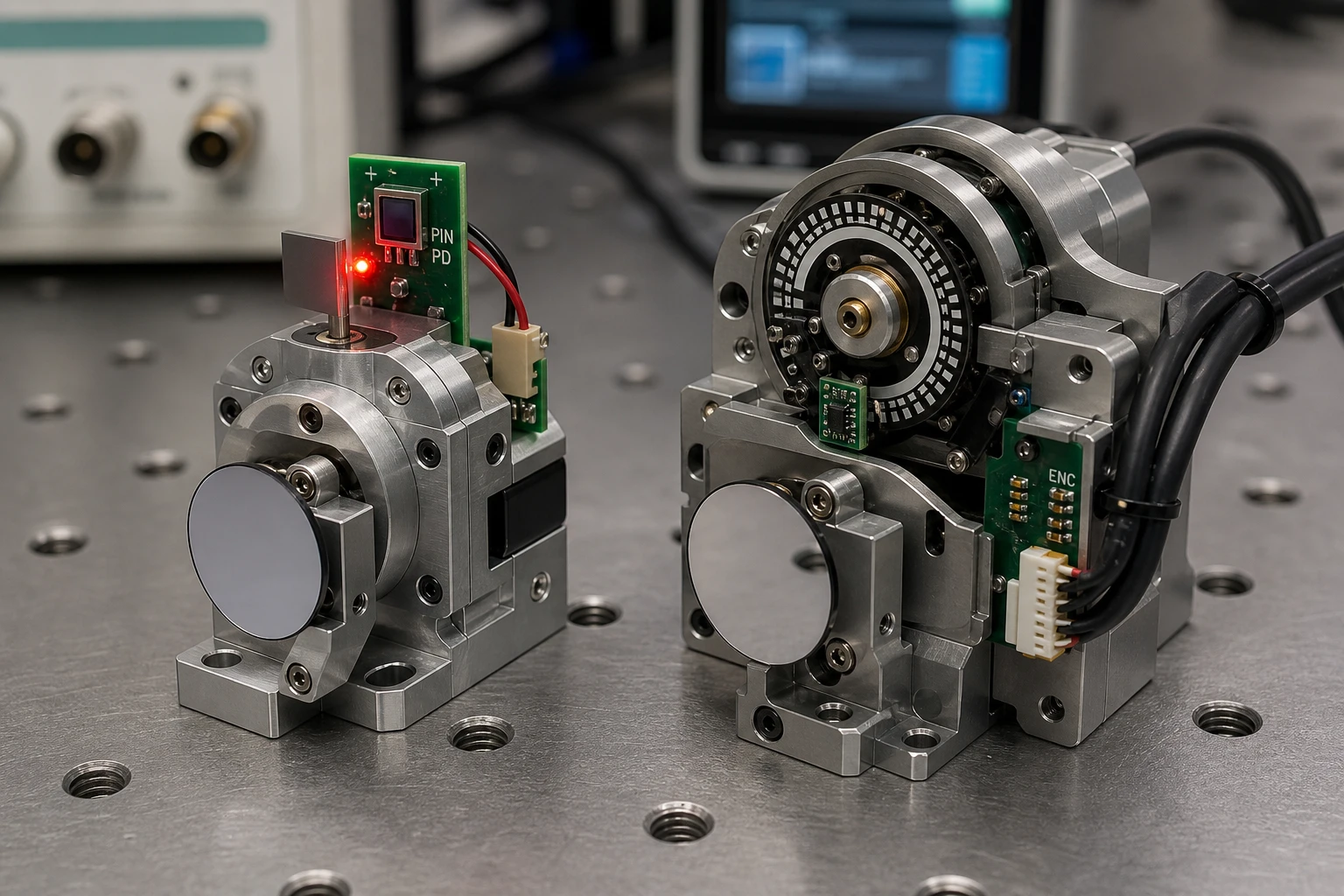
Die E465-4-201L4 ist eine leistungsstarke 465nm Blaue LED wurde speziell für industrielle Präzisionsanwendungen entwickelt, die eine fokussierte Lichtleistung erfordern. Mit einer hohen Leuchtkraft und einem streng kontrollierten Wellenlängenbereich von 460-470nm bietet diese 465nm Blaue LED ist ein wichtiger Bestandteil von optischen Schaltern und Drehgebern.
Industrielle LED-Effizienz: Mehr Photonen pro Watt gewinnen
Eine Sache, die ich nach dem Testen von Hunderten blauer LEDs gelernt habe, ist, dass die Strahlungseffizienz (mW pro elektrischem Watt) bei den meisten 465-nm-Chips im Bereich von 3,5 bis 5 mW ihren Höhepunkt erreicht. Wenn man sie stärker belastet, fällt die Effizienzkurve aufgrund des sogenannten Droops schnell ab.
Bei BeePhoton haben wir unsere 4-mW-Strahlungsfluss-Blau-LED-Emitter (465 nm) auf maximale Steckdoseneffizienz optimiert. Die meisten unserer Kunden verzeichnen eine Effizienz von 18–22% bei 20 mA – was für diese Wellenlänge ausgezeichnet ist.
Dies spielt eine große Rolle, wenn Sie batteriebetriebene Industriesensoren oder Systeme entwerfen, die rund um die Uhr mit minimaler Kühlung laufen müssen.
Praxisanwendungen, in denen 4 mW glänzen
Ich habe vor Kurzem mit einem Kunden im Bereich der fluoreszenzbasierten Partikeldetektion zusammengearbeitet. Sie verwendeten 450-nm-LEDs mit 6 mW, verbrauchten aber ständig Filter und hatten mit Hintergrundrauschen zu kämpfen. Nach dem Wechsel zu unserem 465-nm-LED mit 4 mW Strahlungsfluss, reduzierten sie die Hintergrundfluoreszenz um 40% und verbesserten tatsächlich ihre Nachweisgrenze. Außerdem senkten sie ihren Stromverbrauch um 35%.
Ein anderer Kunde im Bereich industrieller Sortiersysteme benötigte eine gleichmäßige Beleuchtung über einen Arbeitsabstand von 120 mm. Die 4-mW-Version bot ihnen die perfekte Signalstärke, ohne dass eine aktive Kühlung auf der Platine erforderlich war – was ihnen sowohl Platz als auch Kosten spart.
Wahl des richtigen blauen LED-Emitters: Worauf es wirklich ankommt
Wenn Sie einen ... beschaffen, blauer LED-Emitter, schauen Sie nicht nur auf die Schlagzeile zum Strahlungsfluss. Hier ist meine praktische Checkliste:
- Strahlungsfluss, gemessen bei Ihrem beabsichtigten Betriebsstrom (nicht das absolute Maximum)
- Toleranz der dominanten Wellenlänge — wir halten üblicherweise ±5nm für 465nm ein
- Abstrahlwinkel — schmaler für größere Entfernungen, breiter für gleichmäßige Ausleuchtung
- Thermischer Widerstand — kritisch beim Betrieb in heißen Industrieumgebungen
- Langzeitstabilitätsdaten — fragen Sie nach Ergebnissen von 1000-Stunden-Tests
Unter BeePhotons Lichtquellen-Kategorie, wir veröffentlichen all diese Details, da wir wissen, dass B2B-Käufer diese tatsächlich lesen.
Verständnis der entscheidenden optischen Spezifikationen
Wenn ich über 465 nm optische Spezifikationen, betrachte ich normalerweise drei Kurven:
- Spektrale Strahlungsverteilung (wie sauber ist der Peak?)
- Strahlstärke vs. Winkel
- Strahlungsfluss vs. Durchlassstrom
Ein guter 4-mW-Strahlungsfluss-LED sollte einen sauberen Peak bei 465nm mit einer Halbwertsbreite (FWHM) von etwa 18–22nm beibehalten. Alles, was deutlich breiter ist, verschwendet Energie auf Wellenlängen, die für Ihren Sensor nicht relevant sind.
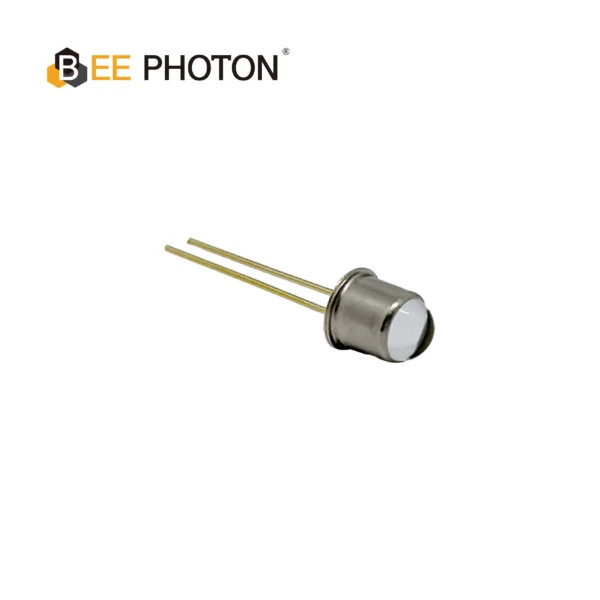
Rote LED E628-10-201L4
Leistungsstarke rote 625nm-LED für optische Präzisionsanwendungen
Die E628-10-201L4 von Bee Photon ist ein Premium 625nm Rote LED entwickelt, um hohe Leuchtkraft und außergewöhnliche Zuverlässigkeit für anspruchsvolle industrielle Anwendungen zu bieten. Entwickelt mit einem engen Abstrahlwinkel von 4 Grad, ist diese roter Hochleistungs-LED-Strahler bietet eine fokussierte Lichtleistung und ist damit die perfekte Lösung für optische Präzisionsmess- und Signalisierungsaufgaben, bei denen es auf Genauigkeit ankommt.
Leistungsaufnahme vs. Signalstärke: Der tatsächliche Kompromiss
Hier ist etwas, das viele Marketingmaterialien nicht zugeben: Mehr Leistung ist nicht immer besser.
Ich habe Systeme getestet, bei denen eine Erhöhung von 4mW auf 6mW das Signal nur um 12% verbesserte, aber die Wärmeentwicklung um 60% erhöhte. In engen Industriegehäusen kann diese zusätzliche Wärme zu Wellenlängendrift und verringerter Detektorleistung führen.
Die 4 mW Strahlungsfluss Diese Version liefert in der Regel 85–90 % des maximal möglichen Signals, während sie im Bereich “einfach zu kühlen” bleibt. Das ist der Punkt, von dem ich mir wünsche, dass mehr Ingenieure ihn verstehen würden, bevor sie ihre LEDs überdimensionieren.
So integrieren Sie diese LEDs in Ihr Design
Wenn Sie einen neuen Sensor entwerfen, finden Sie hier einige praktische Tipps, die ich gesammelt habe:
- Betreiben Sie sie mit 15–20 mA für die beste Effizienz
- Verwenden Sie einen hochwertigen Konstantstromtreiber anstelle eines bloßen Widerstands
- Halten Sie den thermischen Pfad sauber – selbst 4 mW erzeugen Wärme, wenn sie dicht gepackt sind
- Erwägen Sie das Hinzufügen eines schmalen Bandpassfilters, der auf 465 nm abgestimmt ist, wenn Sie mit Umgebungslicht zu kämpfen haben
Und wenn Sie sich nicht sicher sind, welche Konfiguration für Ihre Anwendung am besten geeignet ist, kontaktieren Sie uns einfach. Wir haben Dutzenden von Unternehmen geholfen, dies präzise abzustimmen.
Bereit, die richtige blaue LED für Ihr System zu finden?
Nachdem ich unzählige blaue LEDs in verschiedenen Leistungsstufen getestet habe, bin ich davon überzeugt, dass ein gut gefertigter blauer 465-nm-LED-Emitter mit 4 mW Strahlungsfluss die praktische Wahl für die meisten Industrie- und Sensoranwendungen ist.
Er bietet eine starke, zuverlässige Signalstärke ohne die thermischen Probleme und die verkürzte Lebensdauer, die mit LEDs höherer Leistung einhergehen.
Wenn Sie derzeit blaue Lichtquellen für Ihr nächstes Projekt evaluieren, teile ich gerne unsere neuesten Testdaten mit Ihnen und helfe Ihnen bei der Auswahl des richtigen Emitters.
Bereit, über technische Daten zu sprechen? Besuchen Sie unser Kontaktseite oder schreiben Sie uns eine E-Mail an info@photo-detector.com. Wir antworten schnell auf technische Anfragen, da wir wissen, wie mühsam verzögerte Entscheidungen bei Komponenten sein können.
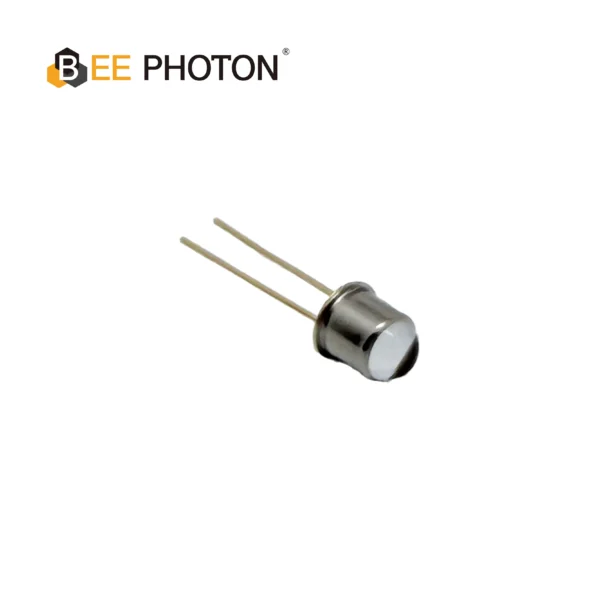
NIR-LED E850-180-201L4
Die E850-180-201L4 ist eine leistungsstarke 850nm NIR-LED für die industrielle Präzisionsmessung entwickelt. Hergestellt von Bienen-Photon, Dieser Infrarot-Strahler ist auf hohe Leuchtkraft und außergewöhnliche Stabilität ausgelegt und damit die ideale Lichtquelle für anspruchsvolle Automatisierungsumgebungen.
FAQ
F: Reichen 4 mW Strahlungsfluss für die meisten industriellen Sensoren aus?
A: In der überwiegenden Mehrheit der Fälle, ja. Wir haben festgestellt, dass 4 mW bei 465 nm ein hervorragendes Signal-Rausch-Verhältnis in Fluoreszenz-, Reflexions- und Transmissionssensoren liefert, während Leistungsaufnahme und Wärmeentwicklung überschaubar bleiben.
F: Was ist der Unterschied zwischen blauen 450-nm- und 465-nm-LEDs für Sensoranwendungen?
A: 465 nm erzeugt in vielen Materialien typischerweise weniger Hintergrundfluoreszenz und passt besser zu den gängigen Empfindlichkeitskurven von Siliziumdetektoren. Viele Kunden stellen nach dem Wechsel von 450 nm auf 465 nm einen verbesserten Kontrast fest.
F: Wie lange halten diese blauen 4-mW-LED-Emitter in der Regel?
A: Bei fachgerechtem Betrieb mit 20 mA oder weniger verzeichnen unsere Kunden regelmäßig mehr als 50.000 Stunden stabilen Betrieb. Der Schlüssel dazu liegt in einem guten thermischen Design und darin, die LED nicht zu überlasten.