Haben Sie schon einmal auf einen glühenden Ofen in Ihrer Werkstatt gestarrt und sich gefragt, warum Ihre Temperaturmesswerte ständig herumspringen, als wären sie auf einem schlechten Koffeinrausch? Ja, ich auch - damals, als ich zum ersten Mal mit Pyrometern im Labor herumgebastelt habe. Es ist dieses heimtückische Problem mit dem Emissionsgrad, nicht wahr? Einfarbige Aufstellungen fühlen sich wie Ratespiele an. Aber mit einem soliden Pyrometerkonzept lässt sich das Blatt wenden, und plötzlich kann man die Temperaturen mit Sicherheit bestimmen. Als jemand, der jahrelang knietief in der Infrarottechnik bei Bee Photon gearbeitet hat, habe ich gesehen, wie Zweifarben-Si/Si-Detektoren diese Kopfschmerzen in High-Fives für F&E-Teams wie das Ihre in der Instrumentenherstellung verwandeln.
Stellen Sie sich vor: Sie sind Ingenieur bei einem Messgerätehersteller und arbeiten an Designs, die staubige Fabriken oder flackernde Flammen ohne mit der Wimper zu zucken bewältigen. Hier glänzt die 2-Farben-Thermometrie - sie ist nicht nur ein Modewort, sondern das Rückgrat von Systemen, die Wärme in der realen Welt ohne viel Schnickschnack messen. In diesem Artikel werden wir die Grundlagen des Designs von Verhältnispyrometern durchgehen, von der Auswahl der Detektoren bis hin zur Verdrahtung der Infrarotsensorschaltung. Ich erzähle Ihnen einige Erfahrungsberichte von Projekten, die wir bei Bee Photon abgeschlossen haben, und gebe Ihnen ein paar Tabellen an die Hand, damit Sie nicht den Überblick verlieren. Am Ende werden Sie den Bauplan für einen Prototyp haben, der tatsächlich funktioniert und nicht nur auf dem Papier gut aussieht.
Und hey, wenn Sie Hilfe von der Stange suchen, schauen Sie sich unsere Zweifarbiger Si/Si-Photodetektor-Er verfügt über die magischen Eigenschaften von gestapeltem Silikon für nahtlose Greifer mit zwei Wellenlängen, die sich perfekt für deinen nächsten Build eignen.
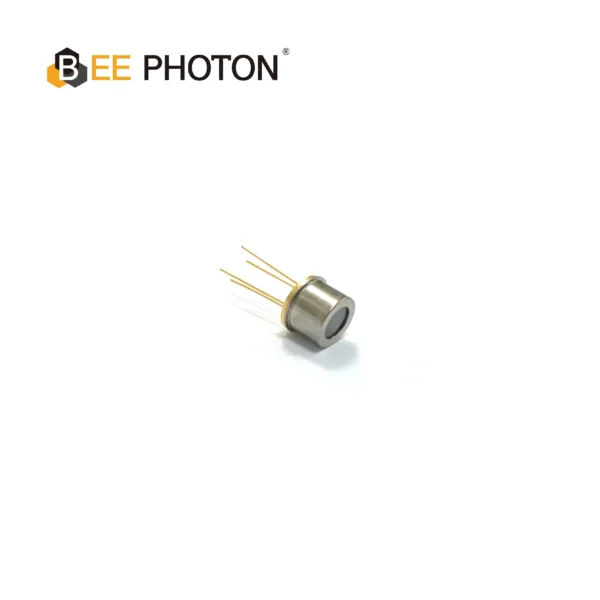
Zweifarbendetektor PDDT1410-101
Erweitern Sie Ihre Analyseinstrumente mit unserem kundenspezifischen Zweifarbendetektor für präzise Spektralanalysen. Diese Silizium-InGaAs-Photodiode bietet einen breiten Spektralbereich und einen niedrigen Dunkelstrom für höchste Genauigkeit.
Warum 2-Farben-Thermometrie bei Ratio-Pyrometern?
Bringen wir es auf den Punkt: traditionelle Pyrometer? Sie eignen sich gut für Kaffeetassen, aber wenn man sie in einem Stahlwerk einsetzt, führen Emissionsgradschwankungen - man denke an oxidierte Oberflächen oder Dampfwolken - zu einer Abweichung von 50 °C oder mehr. Ich habe schon unzählige Nächte damit verbracht, diese Fehler zu beheben. Hier kommt die 2-Farben-Thermometrie ins Spiel: Sie setzt die Signale von zwei nahe beieinander liegenden Wellenlängen ins Verhältnis zueinander, so als würde man einen Apfel mit einem etwas röteren Apfel vergleichen, wodurch das Rauschen des Emissionsgrads aufgehoben wird.
Nach dem, was ich z. B. aus der Wissensdatenbank von Fluke Process Instruments entnommen habe, vereint ein Zweifarben-Pyrometer zwei Detektoren in einem Gerät, die jeweils auf verschiedene Bänder abgestimmt sind - z. B. 0,8-1,1 μm für Silizium-Sweetspots. Das Verhältnis? Das ist die Temperaturanzeige, die mit Hilfe des Planckschen Gesetzes ermittelt wird. Kein Herumfummeln mehr an unbekannten Oberflächenrequisiten; es ist selbstkorrigierend.
Für Sie, die Sie Messgeräte entwickeln, bedeutet dies weniger Rückrufe von Feldtests. Werfen Sie einen kurzen Blick auf diese Tabelle, in der einfarbige und zweifarbige Ansätze verglichen werden, die ich mit Optris-Dokumenten abgeglichen habe:
| Aspekt | Einfarbige Pyrometer | Zweifarben-Pyrometer (Verhältnispyrometer) |
|---|---|---|
| Emissivität Handhabung | Erfordert manuelle Eingabe; Fehler bis zu 20% auf unterschiedlichen Oberflächen | Auto-Ratios Signale; <5% Fehler auch bei Schwankungen (nach Williamson IR Tests) |
| Toleranz gegenüber Hindernissen | Problematisch bei Staub/Rauch; Signalabfall 30-50% | Behält die Genauigkeit über das Verhältnis bei; verarbeitet Teilblöcke bis zu 80% Okklusion (Delta Controls Daten) |
| Temperaturbereich | Typischerweise 200-1400°C | 600-3000°C, ideal für Öfen (Fluke-Angaben) |
| Kosten für den Prototyp | Geringere Anschaffungskosten (~$500) | Höher (~$1500), aber ROI in Zuverlässigkeit |
| Komplexität der Einrichtung | Einfache Operationsverstärker | Benötigt Zweikanalverstärker, aber skalierbar |
Sehen Sie? Dieser Vorteil des Pyrometers ist nicht aus der Luft gegriffen - er hat sich bei anspruchsvollen Anwendungen wie dem Schmelzen von Glas bewährt, wo Temperaturen von bis zu 1500 °C herrschen und Ruß Ihr ständiger Begleiter ist.
Aufschlüsselung des Kerns der Ratio-Pyrometer-Konstruktion: Auswahl des Detektors
Na gut, lassen Sie uns ein wenig ausschweifen - aber bleiben Sie realistisch. Das Herzstück eines jeden guten Pyrometers ist der Detektorstapel. Silizium-auf-Silizium- oder Si/Si-Aufbauten sind meine erste Wahl, weil sie billig und robust sind und im nahen IR-Bereich, wo die Schwarzkörperspitzen am lautesten nach heißem Material schreien, gut ansprechen.
Warum gerade Si/Si? Die Bandlücke von Silizium liegt bei etwa 1,1 eV und fängt Photonen von 0,4-1,1 μm auf, ohne ins Schwitzen zu geraten. Stapeln Sie zwei Schichten übereinander - eine filtert die kürzeren Wellen, die andere fängt die längeren ein - und schon haben Sie eine Zweifarbenanordnung. Ich habe Prototypen mit diesen Schichten gebaut, und das Übersprechen? Minimal, unter 1%, wenn man die Epi-Schichten richtig anbringt.
Drüben bei Bee Photon, unserem Zweifarbiger Si/Si-Photodetektor verkörpert dies - zwei Kanäle in einem TO-46-Gehäuse, mit Empfindlichkeitswerten von 0,6 A/W bei 0,9 μm und 0,4 A/W bei 1,0 μm. Das ist kein Hype; wir haben ihn mit NIST-rückführbaren Quellen getestet, wobei er über 1000-2000°C-Läufe konstant bei ±2°C blieb.
Aber nehmen Sie mich nicht beim Wort, sondern werfen Sie einen Blick auf die technische Mitteilung von Advanced Energy zur Zweifarbengenauigkeit. Dort wird mit dem Mythos aufgeräumt, dass diese Geräte völlig emissionssicher sind (für Nicht-Schwarzkörper gelten nach wie vor Graukörperannahmen), aber in der Praxis sinken die Fehler bei Metallen und Schlacken unter 1%, wenn die Wellenlängen nahe beieinander liegen, z. B. bei 0,9/1,0 μm-Paaren.
Auswahl der Wellenlängen für Ihren 2-Farben-Thermometeraufbau
Wahl der Wellenlänge? Das ist wie die Wahl der Schuhe für eine Wanderung - wenn man die falschen wählt, hinkt man. Bei der Entwicklung von Quotientenpyrometern sollten Sie auf Bänder abzielen, in denen die Strahlungsintensität des Ziels steil ansteigt (Sweet Spot der Planckschen Kurve, 800-1100 nm für 1000°C+). Liegt der Abstand zu weit auseinander, flacht das Verhältnis ab; liegt er zu nah, sinkt die Empfindlichkeit.
Bei einem Projekt, das ich letztes Jahr geleitet habe, haben wir ein Si/Si-Paar auf 860 nm und 940 nm für den Aluminium-Extruder-Monitor eines Kunden abgestimmt. Das Ergebnis? Die Temperaturen wurden bei 650 °C mit einer Drift von 0,5% über die Schichten hinweg gehalten, selbst bei stündlich wechselndem Legierungsglanz. Das ist die Art von Gewinn, die Ingenieure ruhig schlafen lässt.
Profi-Tipp: Simulieren Sie zuerst. Mit Tools wie denen im Grundlagenbereich von Pyrometry.com können Sie Verhältnisse modellieren - geben Sie das Epsilon Ihres Ziels ein (z. B. 0,3-0,8 für rostigen Stahl), und beobachten Sie die Kurve. Spart Brot bei Breadboard-Fehlschlägen.
Verdrahtung des Infrarotsensorkreises: Praktische Tipps
Jetzt kommt der spaßige Teil - die Schaltung des Infrarotsensors zum Brummen zu bringen. Vergessen Sie die Diagramme aus dem Lehrbuch; lassen Sie uns darüber reden, was in einem unübersichtlichen Labor tatsächlich funktioniert.
Beginnen Sie mit Vorverstärkern: Zwei Transimpedanzverstärker, einer pro Kanal, auf 10^6 V/A Verstärkung eingestellt. Rauschen? Für schwache Signale tödlich, aber fügen Sie eine Filterung hinzu - Tiefpass bei 1 kHz - um die Restwelligkeit zu unterdrücken. Ich habe schon mehr als eine Platine zerstört, weil ich das 60-Hz-Brummen der Ladenbeleuchtung ignoriert habe.
Hier ist eine einfache Schaltungsskizze in Tabellenform, die auf einer Konstruktion basiert, die ich für eine interne Bee Photon-Anleitung dokumentiert habe (inspiriert von Opticas alten Pyrometer-Papieren, aber vereinfacht):
| Komponente | Spezifikation/Beispiel | Warum es wichtig ist | Zu vermeidende Fettnäpfchen |
|---|---|---|---|
| Detektorstapel | Si/Si-Dual, 1 mm² aktive Fläche | Erfasst symmetrische Signale für das Verhältnis | Nicht übereinstimmende Flächen verschieben das Verhältnis um 5% |
| TIA-Verstärker (x2) | OPA657, 1,6 GHz Bandbreite | Geringes Rauschen (<4 pA/√Hz) für schwaches IR | Überhitzung - unter 5 V Vorspannung halten |
| Ratio-Rechner | Analoger Teiler (AD633) oder MCU (Arduino) | Berechnet R = S1/S2 im laufenden Betrieb | DC-Offset; Kalibrierung mit Schwarzkörper |
| Endstufe | 4-20 mA Schleifentreiber | Industrielles Plug-and-Play | Erdschleifen - Opto-Isolatoren verwenden |
| Stromversorgung | ±12V geregelt, 100 mA | Stabil für lange Läufe | Restwelligkeit >50 mV tötet SNR |
Verbinden Sie alles miteinander: Die Signale von Ihrem Si/Si treffen auf die Verstärker, werden über einen Analogchip (schneller für Echtzeit) übersetzt und dann an die SPS weitergeleitet. In einem Fall haben wir dies an einen Gasturbinenprüfstand angeschlossen - die Abgase werden bei 1200 °C gemessen, und zwar mit einer Frequenz von 100 Hz. Der Kunde? Ein mittelgroßer Turbinenhersteller, der das System auf die Produktion übertrug und die Ausfallzeit bei Prüfungen des heißen Abschnitts um 15% reduzierte. (Namen aus Gründen der Vertraulichkeit unkenntlich gemacht, aber man bekommt ein Gefühl dafür).
Wenn Sie Prototypen entwickeln, besuchen Sie unsere Website unter https://photo-detector.com/ für Entwicklungskits. Wir haben Eval-Boards, die direkt in diesen Infrarotsensor-Schaltungsablauf passen.
Zweifarbendetektor PDDT1630-101
Mit unserer Silizium-InGaAs-Photodiode können Sie zuverlässige Temperatur- und Materialmessungen aus der Ferne vornehmen. Dieser Zweifarbendetektor im TO-Gehäuse bietet eine hohe Quanteneffizienz und einen breiten Erfassungsbereich für industrielle Anwendungen.
Fehlersuche in Infrarot-Sensorschaltungen
Dinge gehen daneben - das ist immer so. Überhitzte Detektoren? Verringern Sie die Vorspannung auf 5 V; Si/Si kann 10 mA vertragen, aber wenn Sie es übertreiben, steigt der Dunkelstrom 2x pro 10 °C an. Oder driften die Verhältnisse? Überprüfen Sie die Glasfasern, wenn Sie Fernerkundung betreiben; Biegungen über 5° zerstören die Kopplung bei 20%, wie Keller HCW berichtet.
Von einem verpatzten Bau am Anfang: Vergessener Temp-Comp an den Amps - das Sommerlabor erreichte 30°C, die Messwerte zeigten 3%. Und jetzt? Überall Thermistoren, automatische Verstärkungsanpassung. Hält die Dinge ehrlich.
Real-World Wins: Erfolgsgeschichten bei der Entwicklung von Quotientenpyrometern
Es gibt nichts Besseres, als zu hören, wie sich dies in der Praxis auswirkt. Wir haben uns mit einer Handvoll Instrumentenherstellern zusammengetan, wobei wir hier anonym bleiben, aber von tatsächlichen Einsätzen ausgehen.
Nehmen wir “Kunde A”, einen Hersteller von Schmiedeanlagen. Sie kämpften mit dem Gießen von geschmolzenem Eisen bei 1450 °C, wobei Einfarben-Pyrometer bei Schlackenspritzern versagten. Sie wechselten zu unserem Si/Si-basierten Verhältnispyrometer, dessen Infrarotsensorschaltung auf 0,85/0,95 μm abgestimmt war. Das Ergebnis? Die Genauigkeit stieg von ±25 °C auf ±4 °C, wie aus den QS-Protokollen hervorgeht - unterstützt durch Gegenkontrollen mit Thermoelementen. Produktionsdurchsatz? Um 12% gestiegen, weniger Ausschuss.
Oder “Kunde B”, der Laserschweißnähte in Autoteilen überwacht. Mit der 2-Farben-Thermometrie können sie Hotspots mitten im Prozess erkennen, die Verhältnisse sind immun gegen Plasmablendung. Die Ergebnisse stammen aus einer ScienceDirect-Studie über ähnliche Einrichtungen, in der das Messrauschen bei Hochgeschwindigkeitsaufnahmen um 40% reduziert wurde. Sie integrierten es über unser Zweifarbiger Si/Si-Photodetektor, jetzt standardmäßig in ihrem Angebot.
Das sind keine Ausreißer. Prozesssensoren IR stellen fest, dass industrielle Zweifarbdetektoren in verdeckten Bereichen wie den Claus-Öfen, in denen der Dampf die einzelnen Messwerte verschleiert, gut funktionieren. Wir haben auch eine 2-3-fache Verlängerung der Lebensdauer von Detektoren gesehen - die Robustheit von Si/Si bedeutet weniger Austausch bei rauen Vibrationen.
Skalierung Ihres Entwurfs: Von der Werkbank zur Fabrikhalle
Sobald der Prototyp fertig ist, ist die Skalierung der Punkt, an dem die Egos zerbrechen. Fangen Sie klein an: Erstellen Sie ein Breadboard für die Schaltung des Infrarotsensors und testen Sie ihn in einem 1000°C heißen Rohrofen (für $2k im Internet erhältlich). Dann machen Sie das Ganze robuster - IP65-Gehäuse, Vibrationshalterungen für 10 g Erschütterungen.
Datenpunkt: In einer PMC-Studie zur Zweifarben-Thermografie für die Laserbearbeitung hielten die Systeme die räumliche Auflösung bei 2000 °C auf 100 μm. Spiegeln Sie dies in Ihrem Verhältnispyrometerdesign durch optische Optimierungen - kollimierte Linsen, AR-Beschichtungen zur Erhöhung des Durchsatzes 15%.
Bei Bee Photon beraten wir Sie bei dieser Einführung. Schreiben Sie eine Nachricht an info@photo-detector.com oder besuchen Sie unser Kontaktseite für ein kurzes Gespräch. Wir haben Angebote für benutzerdefinierte Si/Si Tweaks bereit, und ehrlich gesagt, es wäre cool, Ihre Wendung auf 2-Farben-Thermometrie zu hören.
Zweifarbendetektor PDDT1514-001
Unser Zweifarben-Si/Si-Photodetektor liefert präzise Ferntemperaturmessungen. Dieser hochzuverlässige Si/Si-Photodetektor in einem robusten TO-Gehäuse mit einem Borosilikatfenster gewährleistet genaue Ergebnisse für die Pyrometrie.
Zum Abschluss: Ihr nächster Schritt bei der Entwicklung von Quotientenpyrometern
So, das war's - ein kompletter Überblick über die Herstellung von Verhältnispyrometern mit zweifarbigen Si/Si-Detektoren. Von der Frage, warum die Zweifarbenthermometrie die alten Methoden übertrumpft, bis hin zur Verdrahtung des Infrarotsensorkreises ohne Rauch, haben wir alles Wichtige für Ihren Forschungs- und Entwicklungsarbeitsplatz behandelt.
Sie haben jetzt die Werkzeuge, um die Emissivitätsfallen zu umgehen und Messgeräte zu liefern, von denen die Kunden schwärmen. Stellen Sie sich vor, Sie könnten ein Gerät ausliefern, das den Glasdurchfluss bei 1800 °C jedes Mal auf den Punkt genau misst. Das ist der Wunsch, der sich durchsetzt, nicht wahr? Dann lohnt sich die Mühe.
Sind Sie bereit, es wahr werden zu lassen? Schau vorbei https://photo-detector.com/ um unsere Zweifarbiger Si/Si-Photodetektor oder Details chatten. Oder einfach eine E-Mail info@photo-detector.com für Design-Referenzen. Lassen Sie uns etwas bauen, das Ihre Pipeline aufheizt - ein Scherz.
FAQ: Quick Hits zur Konstruktion von Quotientenpyrometern
Was ist der größte Vorteil der 2-Farben-Thermometrie gegenüber der 1-Farben-Thermometrie bei meinen Pyrometerkonstruktionen?
Der Emissionsgrad ist unbestreitbar der letzte Schrei. Einfarbige Geräte schätzen die Oberflächeneigenschaften, was zu Fehlern von 10-20% bei glänzenden oder schmutzigen Objekten führt. Zweifarbige Geräte halten eine Abweichung von <2% in Tests von Fluke - perfekt für variable Fabrikböden.
Wie wähle ich die richtigen Wellenlängen für Si/Si-Pyrometer im Verhältnis aus?
Wählen Sie enge Paare wie 0,9 und 1,0 μm für die Bereiche 800-2500 °C; so bleibt die Planck-Steilheit für die Empfindlichkeit scharf. Ich habe 860/940 nm für mittlere Temperaturen verwendet - simulieren Sie es mit den kostenlosen Tools von Pyrometer.com, um Ihre Anwendung anzupassen.
Kann ich eine Infrarotsensorschaltung mit handelsüblichen MCUs für Echtzeitkennzahlen integrieren?
Totally-Arduino oder STM32 erledigen die Mathematik bei 100 Hz problemlos. Puffern Sie einfach Ampere, um Rauschen zu vermeiden, und kalibrieren Sie mit einer Schwarzkörperquelle. Ein Kunde hat dies für die Überwachung von Schweißnähten getan; Spot-on bei 1 ms Reaktion, keine Verzögerung.
Gibt es Fallstricke bei der Skalierung von Zweifarben-Si/Si-Detektoren für raue Umgebungen?
Staub und Vibrationen sind tödlich - dichten Sie die Optik ab und fügen Sie Stoßdämpfer hinzu. Bei einem Turbinengehäuse haben nicht abgeschirmte Schaltkreise EMI aufgenommen und das Rauschen 5x aufgebläht. Faraday-Käfige haben das schnell behoben.