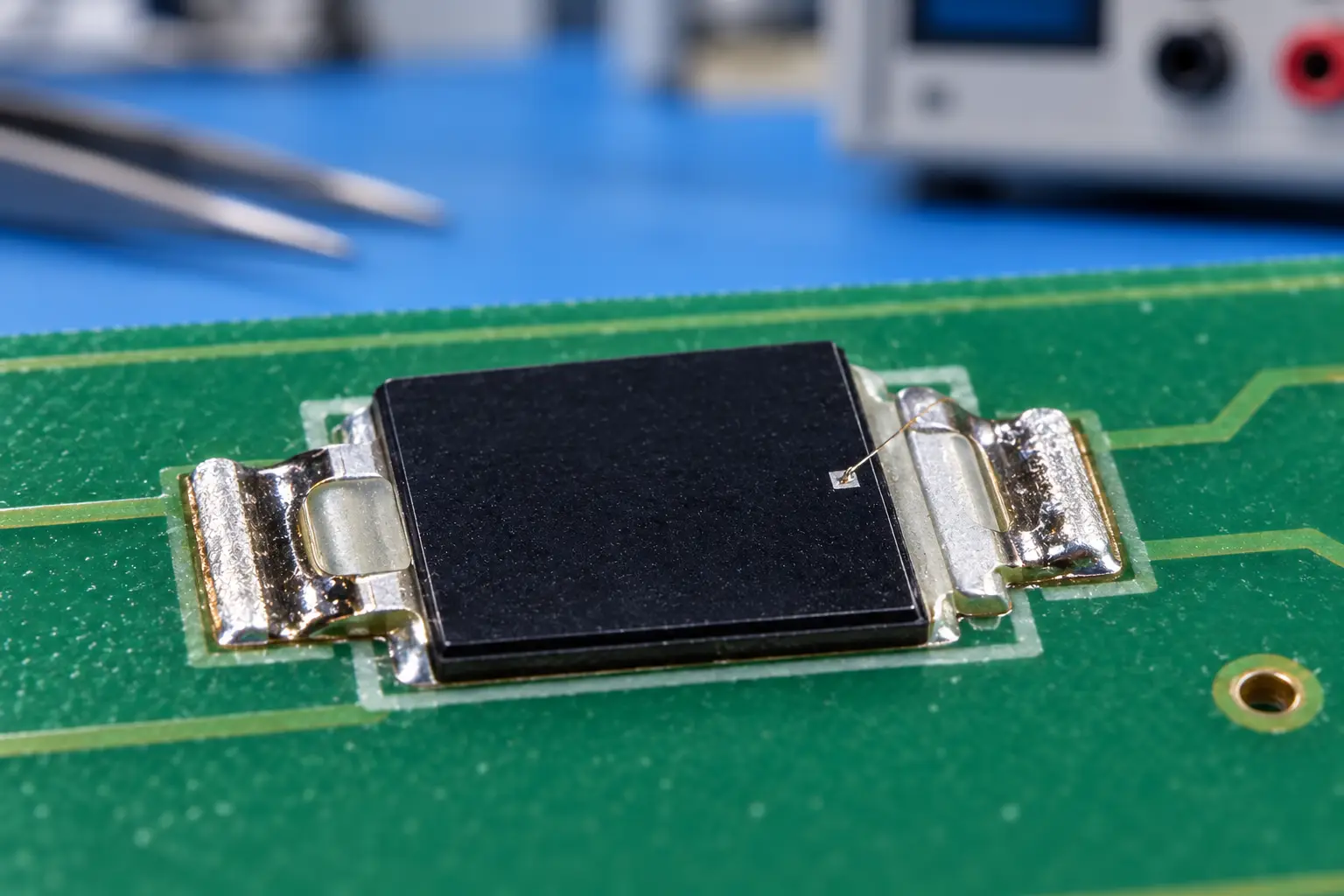
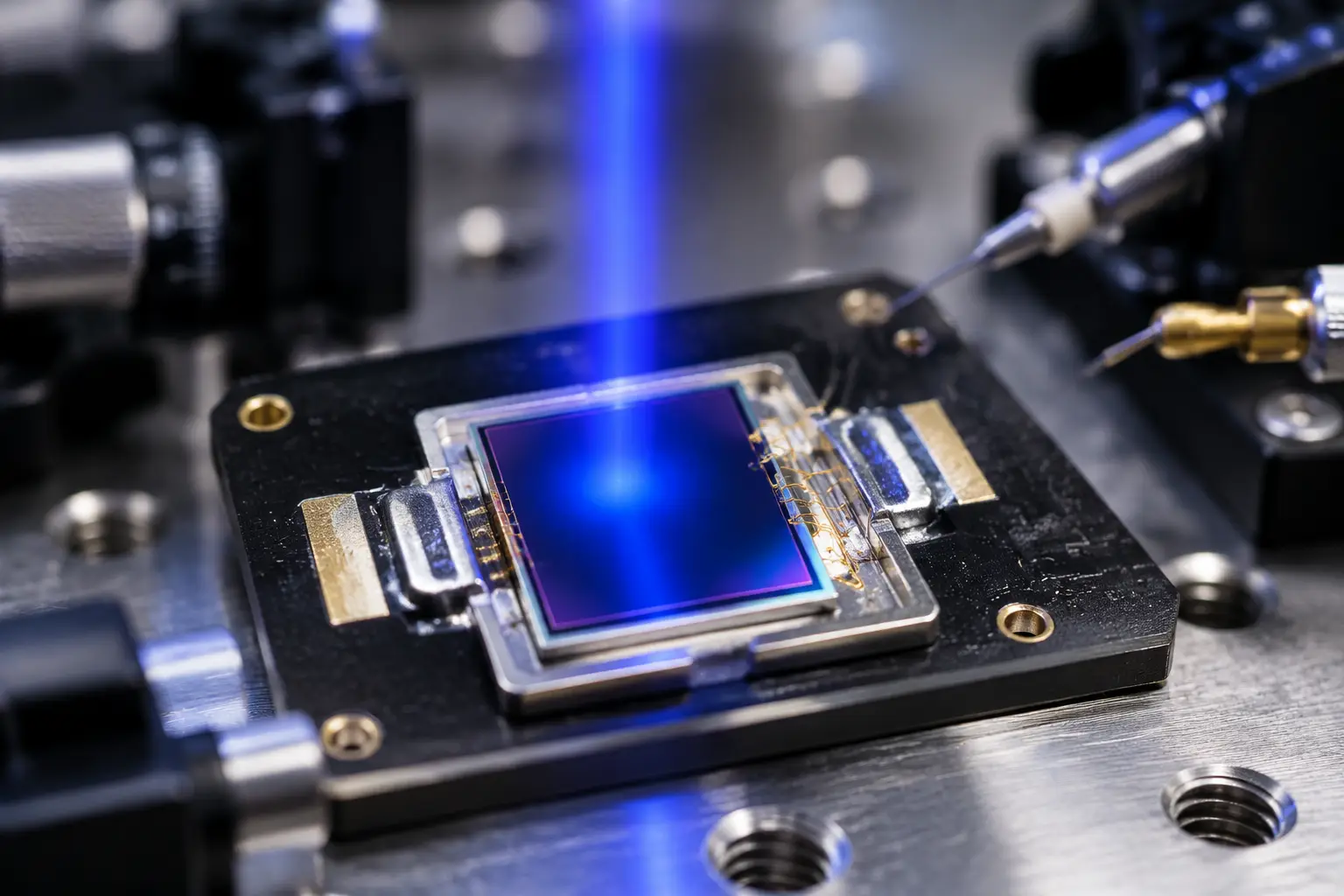
Sind Sie schon einmal über etwas Technisches gestolpert und haben sich gedacht, dass diese beiden Dinge im Grunde dasselbe sind? So etwas passiert oft bei Solarzellen und Fotodioden. Die Leute verwechseln sie, weil beide Licht in Strom umwandeln. Aber ist eine Solarzelle wirklich nur eine schicke Fotodiode, oder was ist der Unterschied?
Kurze Antwort: von der Grundidee her ja, aber nicht, wenn man genauer betrachtet, wofür sie gebaut sind. Ich habe im Laufe der Jahre bei Bee Photon mit diesen Komponenten herumgespielt, Detektoren getestet und gesehen, wie das Licht auf verschiedene Aufbauten trifft. Es ist ziemlich cool, wie ähnlich sie sich anfangs sind und dann doch an völlig unterschiedlichen Stellen landen - einer versorgt das Haus mit Strom, der andere erkennt winzige Lichtveränderungen in einem Sensor.
Lassen Sie uns Schritt für Schritt darüber plaudern, so als ob wir uns nur bei einem Kaffee unterhalten würden. Kein Fachchinesisch, versprochen.
Was sind diese Dinge überhaupt?
Erstens: Sowohl ein Solarzelle und eine Fotodiode sich auf die so genannte Fotovoltaik Wirkung. Dabei werden durch Licht Elektronen in einem Material freigesetzt, wodurch ein Stromfluss entsteht. Ziemlich klasse, oder?
A Solarzelle (oder photovoltaische Zelle) ist das Ding in den Solarzellen, das das Sonnenlicht aufsaugt und Strom ausspuckt. Stellen Sie sich Dächer vor, die mit blau leuchtenden Quadraten bedeckt sind und Strom für Häuser oder Netze erzeugen.
A Fotodiode, ist dagegen eher ein Lichtdetektiv. Er spürt Licht auf und verwandelt es in ein Signal - in der Regel einen kleinen Strom -, das andere elektronische Geräte auslesen können.
Beide verwenden einen p-n-Übergang, also die Stelle, an der sich p- und n-Halbleitermaterial treffen. Licht trifft auf, es bilden sich Elektronen-Loch-Paare, und bumm, fließt Strom.
Aber hier scheiden sich die Geister: Solarzellen sind darauf optimiert, so viel Energie wie möglich aus dem Sonnenlicht zu gewinnen. Fotodioden? Sie sind auf eine schnelle, genaue Erkennung abgestimmt, oft mit einer Sperrvorspannung, um sie besonders empfindlich zu machen.
Die großen Ähnlichkeiten: Warum Menschen verwirrt werden
Ja, sie sind eine Familie. Manche Leute sagen sogar, dass eine Solarzelle im Grunde eine großflächige Fotodiode ist, die im photovoltaischen Modus arbeitet.
- Gleiches Grundprinzip: Der photovoltaische Effekt in allen seinen Formen. Für den Grundbetrieb von Solarzellen ist keine externe Stromversorgung erforderlich; auch Fotodioden können auf diese Weise arbeiten, obwohl sie oft vorgespannt sind.
- Materialien: Meistens Silizium für beide, besonders für die gängigen. Das ergibt eine gute Reaktion vom sichtbaren bis zum nahen Infrarotlicht.
- Elektronenmagie: Lichtphotonen regen Elektronen an, trennen Ladungen an der Verbindungsstelle und erzeugen Spannung oder Strom.
Ich habe Aufbauten gesehen, bei denen eine einfache Fotodiode, die an eine Last angeschlossen ist, wie eine Mini-Solarzelle wirkt - sie erzeugt bei hellem Licht ein wenig Strom. Nicht effizient, aber es funktioniert. Umgekehrt können kleine Solarzellen Lichtänderungen erkennen, wenn man sie richtig verdrahtet.
Globale Statistiken belegen dies: Die PV-Solarkapazität ist bis Ende 2024 auf über 2.000 GW kumuliert angestiegen, wobei der Zubau allein in diesem Jahr etwa 550-600 GW erreicht (laut IRENA- und IEA-Berichten). Das ist eine gewaltige Energieernte mit denselben technischen Wurzeln wie winzige Fotodioden in der Kamera Ihres Telefons oder Glasfaserverbindungen.

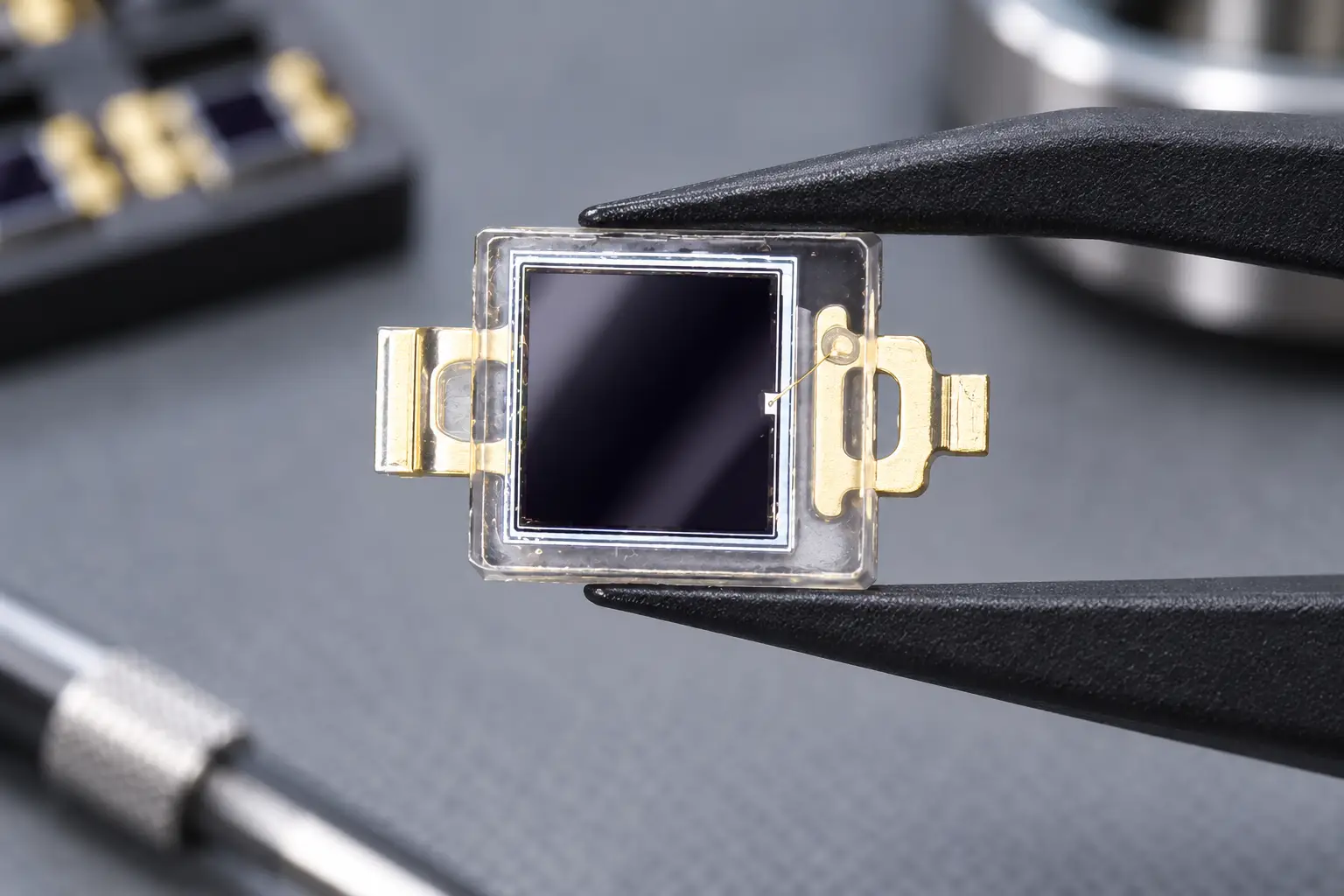
Si-PIN-Photodiode mit erhöhter UV-Empfindlichkeit (190-1100nm) PDCT25-F01
Unsere Si-PIN-Diode mit großem Dynamikbereich gewährleistet eine präzise Messung unterschiedlicher Lichtintensitäten. Sie ist ideal für Leistungsmessgeräte und bietet eine hervorragende Linearität über das Spektrum von 190-1100 nm. Eine zuverlässige Si-PIN-Diode für konstante Leistung.
Hauptunterschiede: Wo sie sich verzweigen
Okay, jetzt kommt das Wesentliche - warum sie nicht austauschbar sind.
Solarzellen zielen auf Leistungsabgabe. Große Fläche, hohe Effizienz bei der Umwandlung von Sonnenlicht in nutzbaren Strom. Kommerzielle Siliziumsolarzellen erreichen heutzutage einen Wirkungsgrad von 20-25%.
Fotodioden sind für Geschwindigkeit und Empfindlichkeit. Kleiner Bereich, schnelle Reaktion, linearer Ausgang zur präzisen Messung von Lichtverhältnissen.
Hier ist eine schnelle Tabelle, um es klarer zu machen (ich liebe Tabellen für diese Dinge, sie sorgen für Ordnung):
| Aspekt | Solarzelle | Fotodiode |
|---|---|---|
| Hauptziel | Erzeugung von Elektrizität (Strom) | Licht erkennen (Signal) |
| Typische Größe | Große Fläche (cm² bis m²) | Kleine Fläche (mm²) |
| Vorurteil | Normalerweise Null oder vorwärts (Photovoltaikbetrieb) | Oft umgekehrte Vorspannung für Geschwindigkeit |
| Reaktionszeit | Langsamer (Fokus Energieerfassung) | Superschnell (Nanosekunden bis GHz) |
| Effizienz Metrik | Leistungsumwandlung (20-25% gemeinsam) | Empfindlichkeit (A/W), Quanteneffizienz |
| Kapazität | Höher (größere Kreuzung) | Tiefer für schnelle Reaktion |
| Gemeinsame Anwendungen | Sonnenkollektoren, netzunabhängiger Strom | Optische Kommunikation, Sensoren, medizinische Bildgebung |
| Ausgabe | Hoher Strom/Spannung für Lasten | Winziger Strom, braucht Verstärkung |
Sehen Sie? Solarzellen arbeiten im vierten Quadranten der I-U-Kurve - sie erzeugen Strom. Fotodioden arbeiten in der Regel im dritten Quadranten, mit umgekehrter Vorspannung, und dienen als Sensoren.
Auch bei den Materialien gibt es Unterschiede. Bei Solarzellen wird aus Kostengründen und wegen der breiten Sonnenlichtabsorption meist Silizium verwendet. Photodioden können InGaAs oder andere Materialien für bestimmte Wellenlängen verwenden, z. B. Infrarot in der Telekommunikation.
Eine Sache, die mir in der Praxis aufgefallen ist: Bei schwachem Licht glänzen Fotodioden (Wortspiel beabsichtigt), weil sie linear und rauscharm sind. Solarzellen? Ohne starke Sonneneinstrahlung lassen sie schnell nach.
Wie sie unter der Haube funktionieren
Licht trifft auf die Verarmungszone (die Zone am p-n-Übergang). Photonen mit genügend Energie setzen Elektronen frei und bilden Paare. Das eingebaute Feld trennt sie - Elektronen zur n-Seite, Löcher zur p-Seite.
In einer Solarzelle wird dadurch eine Spannung aufgebaut, und beim Anschluss einer Last fließt der Strom als Leistung ab.
Bei einer Fotodiode erweitert die Sperrvorspannung diesen Verarmungsbereich, wodurch die Erfassung schneller und effizienter wird. Weniger Rekombination, schnellere Reaktion.
Die PIN-Struktur ist bei Fotodioden üblich - die intrinsische Schicht in der Mitte erhöht die Leistung. Unser Si-PIN-Diode Die Bee Photon verfügt beispielsweise über einen großen Dynamikbereich, der sich perfekt für unterschiedliche Lichtverhältnisse in Sensoranwendungen eignet.
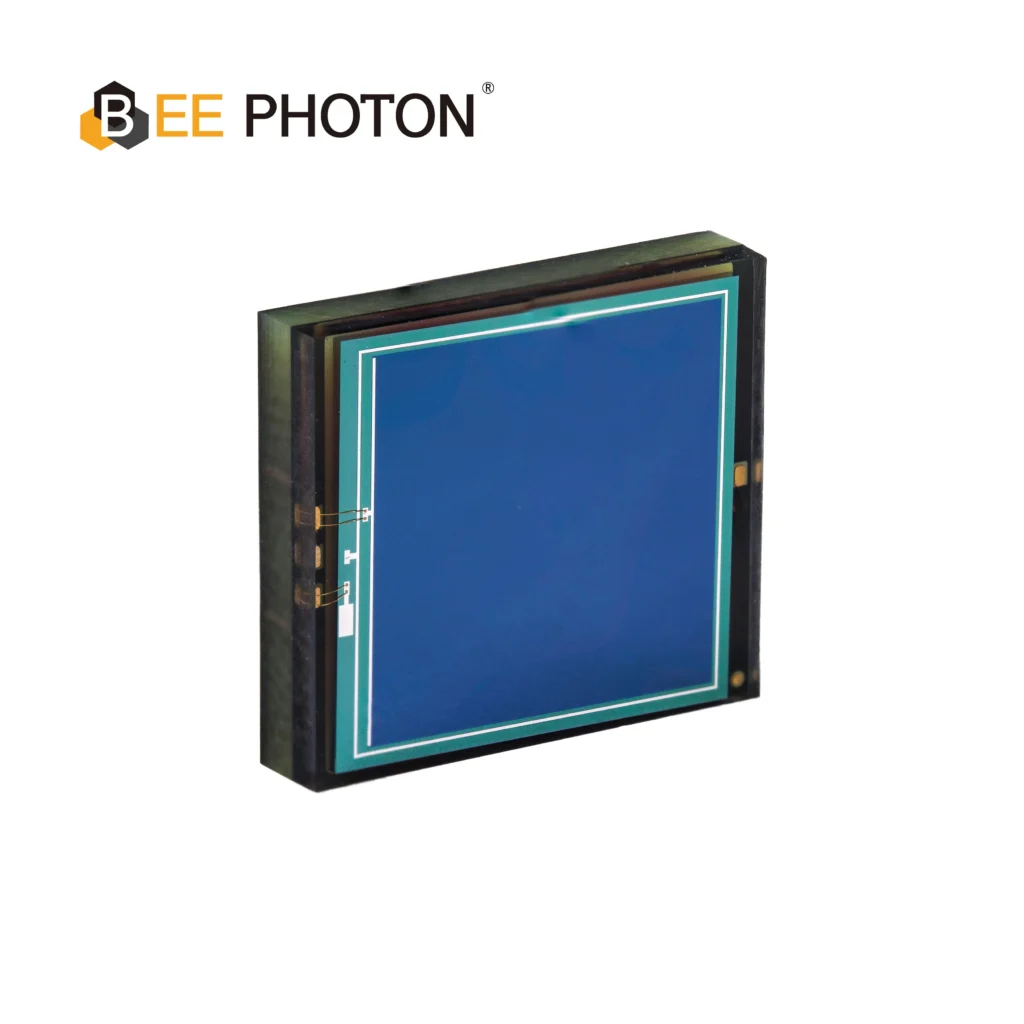
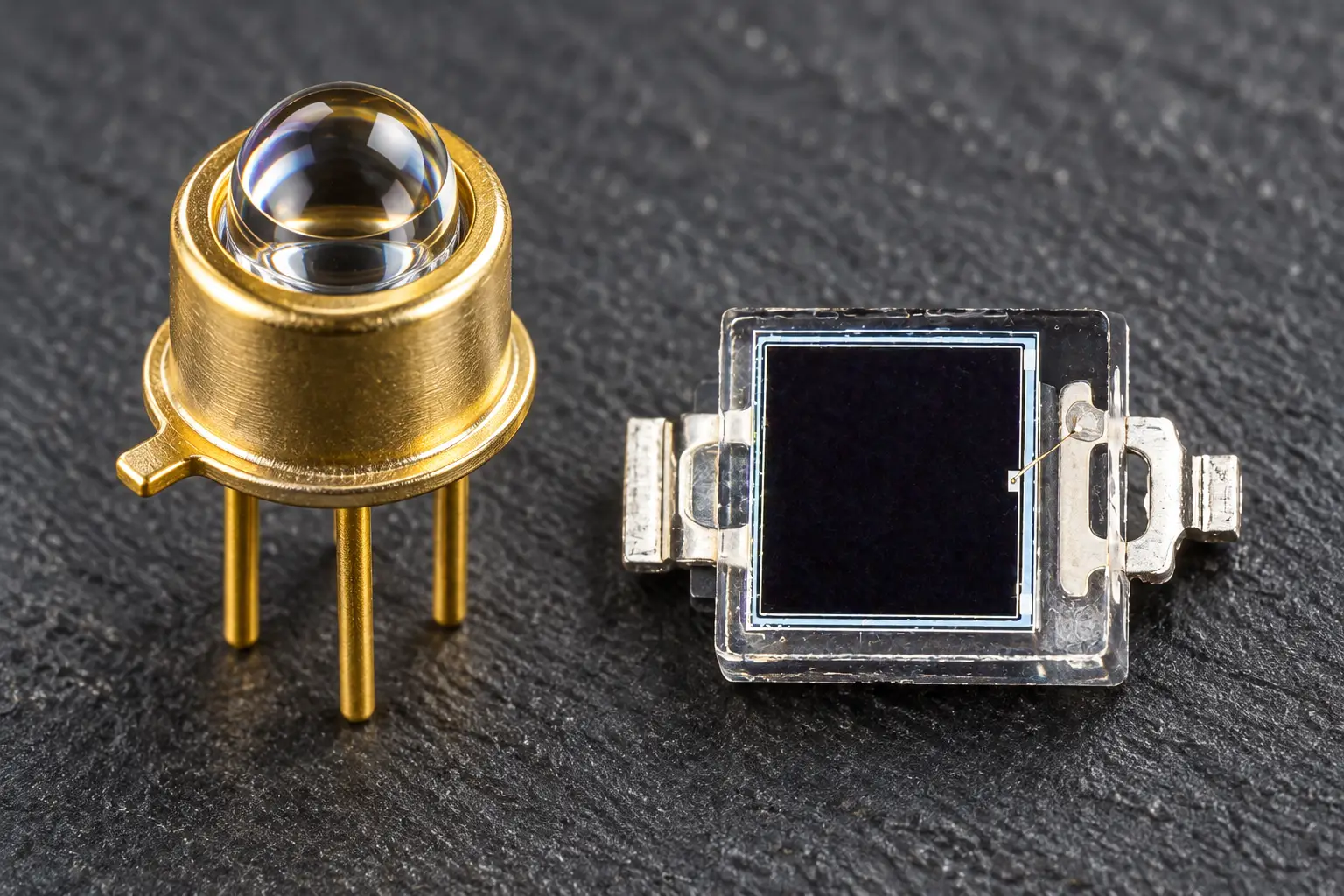
Si-PIN-Photodiode mit erhöhter UV-Empfindlichkeit (320-1060nm) PDCC100-701
Unsere Si-PIN-Photodiode mit hoher Empfindlichkeit bietet ein hervorragendes Signal für anspruchsvolle Anwendungen. Sie zeichnet sich bei der UV-Detektion bei schwachem Licht von 320-1060 nm aus.
Anwendungen und Beispiele aus der Praxis
Solarzellen? Überall bei den erneuerbaren Energien. Bis 2024 wird die Solarenergie mehr neue Kapazitäten schaffen als alles andere - laut einigen Berichten über 70%. Denken Sie an riesige Farmen oder Aufdachanlagen, die die Rechnungen senken.
Fotodioden tauchen auf in:
- Glasfasernetze (Hochgeschwindigkeits-Internet ist darauf angewiesen)
- Medizinische Geräte, wie Pulsoximeter oder CT-Scanner
- Barcode-Scanner, Fernbedienungen, Rauchdetektoren
Wir hatten einmal ein Projekt (natürlich anonymisiert), bei dem ein Kunde eine präzise Lichtüberwachung in einer Industrieanlage benötigte. Wir tauschten eine Si-PIN-Fotodiode aus, die mit schwankenden Bedingungen viel besser zurechtkam als der Versuch, ein Solarzellenfragment wiederzuverwenden. Die Reaktionszeit machte den entscheidenden Unterschied.
Ein anderes Szenario: Umweltüberwachungsstationen verwenden Fotodioden für genaue Messungen der Strahlung oder Lichtintensität, während Solarzellen das Ganze netzunabhängig betreiben.
Können Sie das eine wie das andere verwenden?
Manchmal, ja. Eine Fotodiode kann bei hellem Licht eine kleine Batterie aufladen - allerdings mit winziger Leistung. Eine Solarzelle kann Lichtveränderungen wahrnehmen, aber sie ist träge und nichtlinear.
Nicht ideal. Bleiben Sie bei dem, was für die Aufgabe vorgesehen ist.
Wenn Sie etwas bauen und eine zuverlässige Erkennung mit großer Reichweite benötigen, sollten Sie sich die Angebote von Bee Photon ansehen. Unsere Si-PIN-Dioden bewältigen schwierige dynamische Bereiche, ohne ins Schwitzen zu geraten.
Zusammenfassung: Ist es nun so oder nicht?
Technisch gesehen funktioniert eine Solarzelle nach demselben photovoltaischen Prinzip wie eine Fotodiode, und man könnte sagen, dass es sich um einen speziellen Typ handelt, der für die Energiegewinnung optimiert ist. Aber in der Praxis? Es handelt sich um zwei verschiedene Arten - eine für die Stromversorgung, eine für die Sensorik.
Dieses Wissen hilft bei der Auswahl des richtigen Teils für Ihr Projekt, egal ob Sie sich für Solaranlagen oder Gebäudesensoren entscheiden.
Haben Sie Fragen zu Detektoren oder benötigen Sie eine Sonderanfertigung? Schreiben Sie uns eine Nachricht an [info@photo-detector.com] oder besuchen Sie unser Kontaktseite. Wir lieben es, über Technik zu plaudern, und können Angebote zu Themen wie Hochleistungsfotodioden machen.
Neugierig auf mehr? Besuchen Sie unsere Website unter https://photo-detector.com/ für Details zu Produkten und Anwendungen.
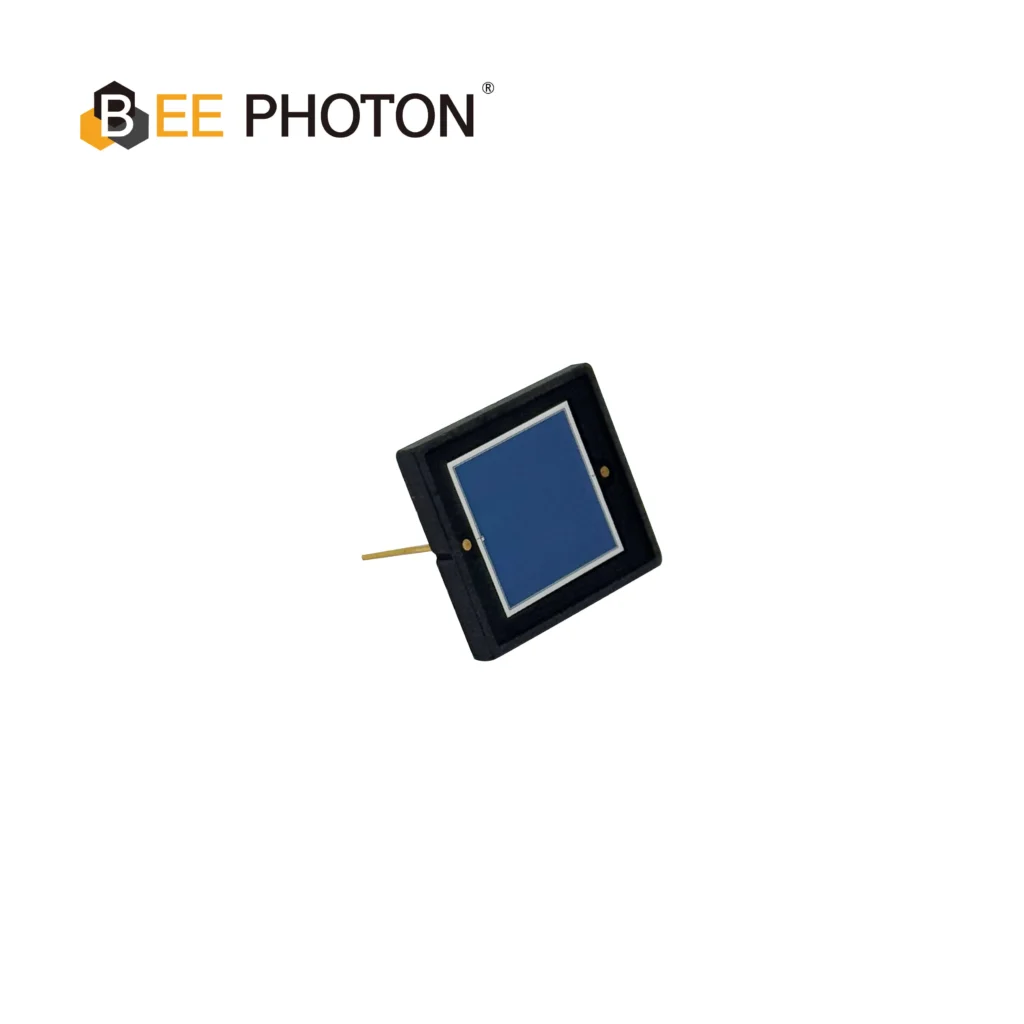
Si-PIN-Photodiode mit niedrigem Dunkelstrom (350-1060nm) PDCD100-101
Rüsten Sie Ihre Geräte mit unserer Si-PIN-Photodiode für optische Messungen auf. Sie bietet eine hohe Genauigkeit über einen Bereich von 350-1060nm bei minimalem Dunkelstrom. Dieser Hochleistungssensor ist ideal für verschiedene industrielle Sensor- und Messanwendungen und garantiert Präzision und Wiederholbarkeit.
FAQ
1. Kann eine Solarzelle als Fotodiode funktionieren?
Ja, mehr oder weniger. Es erkennt Licht und erzeugt ein Signal, aber es ist nicht großartig - langsame Reaktion und nicht sehr linear. Besser ist es, echte Fotodioden für die Erkennung zu verwenden.
2. Was ist der Hauptunterschied im Wirkungsgrad zwischen Solarzellen und Fotodioden?
Solarzellen konzentrieren sich auf die Leistungseffizienz und erreichen 20-25% für die Umwandlung von Sonnenlicht in Strom. Bei Fotodioden liegt der Schwerpunkt auf der Reaktionsfähigkeit (wie viel Strom pro Watt Licht), oft mit einer Quanteneffizienz von 80-90%, aber es geht ihnen nicht um Massenleistung.
3. Warum verwenden Fotodioden häufig eine Sperrvorspannung?
Sie vergrößert den Verarmungsbereich, beschleunigt die Ladungssammlung, verringert die Kapazität und macht die Reaktion schneller und empfindlicher. Solarzellen brauchen es normalerweise nicht - sie erzeugen ihre eigene Spannung.