
Wenn Sie hier sind, haben Sie wahrscheinlich schon eine Weile mit der Vishay BPW34S gearbeitet. Es handelt sich um die bewährte kleine PIN-Fotodiode, die es schon ewig gibt und die in allem von Lichtsensoren bis zu optischen Zählern auftaucht. Aber vielleicht haben Sie Probleme mit der Lagerhaltung, oder die Kosten steigen, oder Sie wollen einfach etwas Neues, das Sie einsetzen können, ohne Ihr gesamtes Design zu überdenken. An dieser Stelle kommt die Suche nach einem BPW34S-Äquivalent ins Spiel - und heute vergleichen wir es mit unserem eigenen PDCP08-501 Silizium-PIN-Fotodiode von Bee Photon.
Ich habe Jahre damit verbracht, mit diesen Komponenten in allen möglichen Konfigurationen herumzuspielen, von einfachen Lichtdetektoren bis hin zu komplizierteren optischen Schalterprojekten. Ich habe viele Leute gesehen, die Teile getauscht haben und es entweder geschafft haben oder Probleme hatten, weil die Spezifikationen nicht ganz übereinstimmten. Also lassen Sie uns dies richtig aufschlüsseln, keine Flusen, nur das Zeug, das wirklich wichtig ist, wenn Sie versuchen, eine zuverlässige BPW34S Ersatz zu finden.
Warum man trotzdem nach BPW34S-Äquivalenten sucht
Der BPW34S von Vishay (und sein naher Verwandter BPW34) ist ein Arbeitstier seit, nun ja, seit langer Zeit. Er ist beliebt, weil er billig, empfindlich für sichtbares und nahes IR-Licht und ziemlich schnell in der Anwendung ist. Aber in der Welt der Lieferkette hält nichts ewig. Manchmal werden Chargen eingestellt, die Preise steigen, oder man braucht etwas mit mehr Durchschlagskraft in bestimmten Bereichen.
Das ist das Spiel mit den Fotodioden-Querverweisen - etwas zu finden, das in den Sockel passt, die Spannung verarbeitet und in ähnlicher Weise auf Licht reagiert, ohne dass Sie Ihre Schaltung umschreiben müssen. Unsere PDCP08-501 entstand, weil uns Kunden immer wieder nach Alternativen fragten, die beliebte Bauteile wie die BPW34S ersetzen könnten, insbesondere bei optischen Schaltvorgängen oder allgemeiner Detektion, wo Zuverlässigkeit wichtiger ist als Ultra-High-Speed-Sachen.
Seite-an-Seite-Specs: Die Vergleichstabelle
Also gut, kommen wir zum Kern der Sache. Hier ist eine schnelle Tabelle mit den wichtigsten Zahlen aus den offiziellen Datenblättern. Die Daten von Vishay stammen aus ihrem BPW34/BPW34S-Dokument (Sie können es sich hier falls Sie das überprüfen wollen), und unsere stammt von der Produktseite PDCP08-501 auf unserer Website.
| Parameter | Vishay BPW34S | Biene Photon PDCP08-501 | Anmerkungen / Was das für Sie bedeutet |
|---|---|---|---|
| Aktive Fläche Größe | 7,5 mm² (ca. 2,75 x 2,75 mm) | 8,41 mm² (2,9 x 2,9 mm) | Größere Fläche auf unserer bedeutet potenziell mehr Lichtsammlung - praktisch bei schwächerem Licht |
| Spitzenempfindlichkeit Wellenlänge | 900 nm | 940 nm | Nah genug für die meisten Aufgaben im sichtbaren/nahen IR-Bereich |
| Spektralbereich | 430 - 1100 nm | 450 - 1100 nm | Beide decken das sichtbare bis zum nahen IR gut ab |
| Ansprechbarkeit (in der Spitze) | ~0,62 A/W (berechnet aus dem Kurzschlussstrom) | 0,7 A/W | Unserer ist ein bisschen empfindlicher |
| Empfindlichkeit bei 520 nm | Nicht direkt angegeben, aber niedriger in grün | 0,2 A/W | Ähnliches Verhalten im sichtbaren Licht |
| Dunkelstrom (typ, niedrige Vorspannung) | 2 nA (bei VR=10V) | 1 nA (1000 pA bei VR=10 mV) | Unserer läuft im Dunkeln kühler - weniger Lärm |
| Maximale Rückwärtsspannung | 60 V | 20 V | Großer Unterschied - bleiben Sie bei niedrigeren Spannungen mit unseren |
| Übergangskapazität (bei 0 V) | 70 pF | 70 pF | Genau das Richtige hier |
| Aufgangs-/Fallzeit | 100 ns | 120 µs | Vishay gewinnt bei der Geschwindigkeit; unsere ist besser für eine langsamere, gleichmäßige Erkennung |
| Halbwertswinkel der Empfindlichkeit | ±65° | ±65° | Identischer Betrachtungswinkel |
| Betriebstemperatur | -40 bis +100 °C | -40 bis +100 °C | Gleicher Schwierigkeitsgrad |
| Paket Stil | Verbleiter Kunststoff in der Draufsicht (5,4 x 4,3 mm) | 2-Stift-Epoxidharz | Ähnliche Grundfläche, einfacher Austausch in vielen Boards |
Wie Sie sehen können, sind sie in vielen Bereichen verdammt ähnlich, aber keine identischen Zwillinge. Wenn Ihr Projekt nach hoher Sperrspannung oder superschneller Reaktion schreit (z. B. Impulserkennung), ist der ursprüngliche BPW34S vielleicht immer noch der Beste. Aber für viele alltägliche Dinge - z. B. optische Schalter, Lichtschranken oder Umgebungssensoren - fügt sich der PDCP08-501 nahtlos ein und schneidet manchmal sogar besser ab.
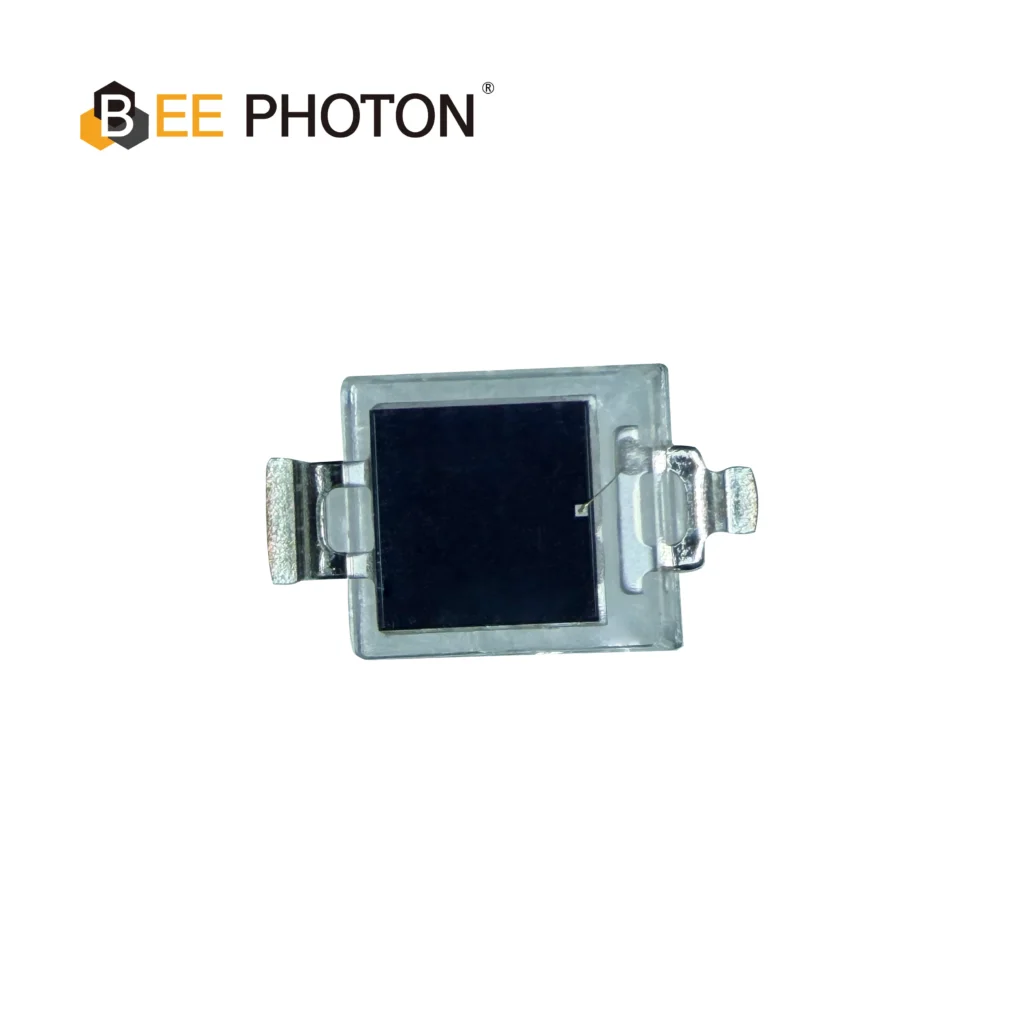
Si-PIN-Fotodiode Serie PDCP08 PDCP08-501
Leistungsstarke Detektion: Die PDCP08-501 ist eine Hochgeschwindigkeits-Silizium-PIN-Photodiode mit einem transparenten Fenster.
Wesentliche Merkmale: Mit einer aktiven Fläche von 2,9×2,9 mm bietet diese PIN-Fotodiode einen niedrigen Dunkelstrom und eine hohe Empfindlichkeit, was sie zu einem idealen Sensor für allgemeine optische Schalter und Lichterkennungssysteme macht.
Vertiefung der Hauptunterschiede
Empfindlichkeit und Reaktionsfähigkeit
Die Ansprechempfindlichkeit gibt im Grunde an, wie viel Strom man pro Watt auftreffendem Licht erhält. Das Vishay-Teil erreicht in der Nähe seines Spitzenwertes etwa 0,62 A/W, während unser PDCP08-501 0,7 A/W erreicht. Diese zusätzliche Steigerung bedeutet, dass Sie bei gleichen Lichtverhältnissen ein stärkeres Signal erhalten. Wir hatten Kunden, die das Bauteil ausgetauscht haben und sofort sauberere Messwerte feststellen konnten, insbesondere bei gemischter Beleuchtung.
Außerdem hilft die etwas größere aktive Fläche, mehr Photonen einzufangen, ohne dass eine perfekte Ausrichtung erforderlich ist. Bei einem Projekt, an das ich mich erinnere (ich kann keine Namen nennen, aber es war ein industrielles Zähler-Setup), brachte der Wechsel zu unseren etwa 15% mehr Signalstärke, ohne den Verstärkerschaltkreis zu berühren.
Kompromisse bei der Geschwindigkeit
Hier scheiden sich die Geister. Der BPW34S ist auf Geschwindigkeit ausgelegt - mit seinen 100 ns Anstiegs-/Abfallzeiten eignet er sich hervorragend für Hochfrequenzsignale oder schnelle Pulse. Unser PDCP08-501 ist mit 120 µs etwas langsamer, was für die Erkennung gleichmäßiger Lichtveränderungen wie bei Encodern oder Näherungssensoren ausreicht, aber nicht, wenn man Laserimpulsen nachjagen will.
Wenn die Geschwindigkeit Ihr Engpass ist, sollten Sie sich vielleicht nach einer anderen Lösung umsehen. Aber mal ehrlich, die meisten Leute, die den BPW34S verwenden, stoßen nicht an diese Grenzen - sie verwenden ihn für eine zuverlässige Ein/Aus-Erkennung.
Spannung und Rauschen
60 V max. bei Vishay gegenüber unseren 20 V - das ist erwähnenswert. Kurbeln Sie den PDCP08-501 nicht mit einer hohen Vorspannung an, sonst raucht er. Auf der anderen Seite ist unser Dunkelstrom in der Regel niedriger, was weniger Leckgeräusche bedeutet, wenn kein Licht in der Nähe ist. Das ist ein Gewinn für batteriebetriebene Gadgets oder Anwendungen mit niedrigem Signalpegel.
Verpackung und Montage
Bei beiden handelt es sich um 2-polige Durchgangsbohrungen mit ähnlicher Gesamtgröße. Der Vishay-Baustein hat eine klare Kunststoff-Oberseite, unser Baustein hat ein Epoxidharz-Fenster. Drop-in-Ersatz in den meisten Breadboards oder PCBs, obwohl immer zuerst Prototyp - Pin-Abstand könnte eine schnelle Überprüfung benötigen.
Anwendungen aus dem wirklichen Leben und einige Geschichten aus den Schützengräben
Im Laufe der Jahre haben wir bei Bee Photon gesehen, wie der PDCP08-501 für den BPW34S in allen möglichen Bereichen eingesetzt wurde. Ein Kunde baute automatische Sortieranlagen - Lichtstrahlen, die Zähler auslösen. Die Originalteile waren nur noch schwer zu bekommen, also hat er unsere ausprobiert. Es funktionierte hervorragend, und die zusätzliche Empfindlichkeit sorgte dafür, dass selbst bei staubigen Linsen weniger Fehlschüsse auftraten.
Ein anderer Fall war ein Bastler, der Umweltmonitore herstellte. Er brauchte etwas Billiges, aber Zuverlässiges für die Aufzeichnung bei Tageslicht. Die größere Fläche und die höhere Empfindlichkeit ermöglichten einen besseren Dynamikbereich, und er erhielt glattere Datenkurven.
Wir haben auch Chargen für Lehrkästen geliefert, in denen Schüler einfache Opto-Störer bauen. Die Kinder (und Lehrer) fanden es toll, dass es einfach funktioniert, ohne fummelige Einstellungen.
Es handelt sich dabei nicht um ausgefallene Laborgeschichten, sondern um ganz normale Projekte, bei denen ein solides BPW34S-Äquivalent Zeit und Kopfzerbrechen erspart.
Ist der PDCP08-501 der richtige BPW34S-Ersatz für Sie?
Wenn Sie eine Fotodioden-Referenz suchen, die in Bezug auf Empfindlichkeit, Spektralempfindlichkeit und Winkel nahe beieinander liegt - ja, diese ist ein starker Kandidat. Sie glänzt (Wortspiel beabsichtigt), wenn Sie einen höheren Ausgangsstrom, geringeres Rauschen oder eine etwas nachsichtigere Ausrichtung wünschen. Und da wir Bee Photon sind, halten wir die Lagerbestände konstant und können sie sogar anpassen, wenn Sie individuelle Varianten benötigen.
Nicht jeder BPW34S-Schaltkreis ist perfekt, vor allem nicht die Hochspannungs- oder Ultra-Hochgeschwindigkeits-Schaltkreise, die es gibt. Aber für die meisten? Auf jeden Fall einen Versuch wert.
Wir haben uns einen guten Ruf mit soliden, unkomplizierten Fotodetektoren erworben, die Ingenieure tagtäglich einsetzen. Erfahren Sie mehr über unsere Silizium-PIN-Fotodiode Seite oder durchstöbern Sie das gesamte Angebot unter foto-detektor.de.
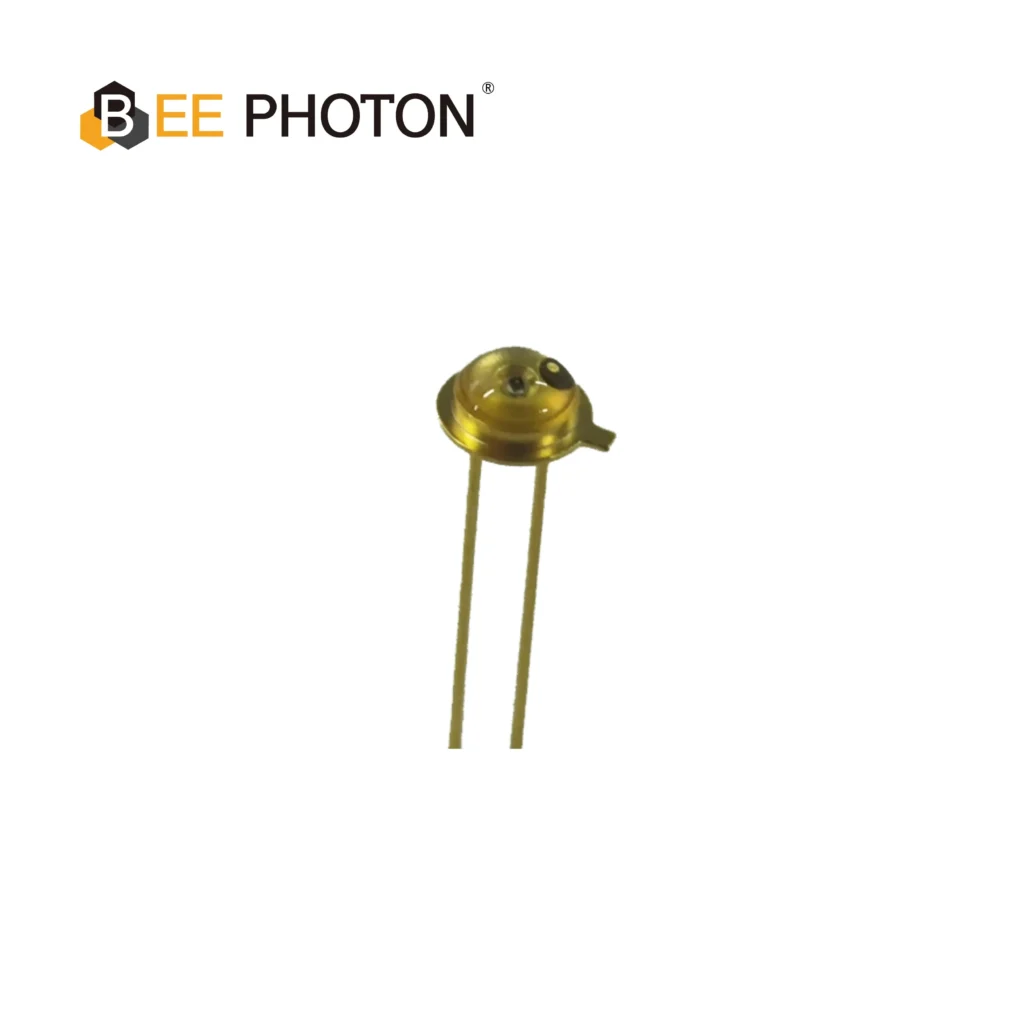
Lichtquelle LED-Serie E660-10-001
Unsere in Kunststoff verpackte LED im SMD-Format gewährleistet eine hohe Gleichmäßigkeit bei der automatischen Montage. Diese harzgegossene LED bietet hohe Zuverlässigkeit für verschiedene industrielle Anwendungen.
Häufig gestellte Fragen
Ist der Bee Photon PDCP08-501 ein direktes Äquivalent für den BPW34S?
Meistens ja für die Pinbelegung und die Grundfunktion, aber prüfen Sie die Rückwärtsspannung (20V max. vs. 60V) und die Reaktionszeit. Er funktioniert in vielen Konfigurationen gut, aber testen Sie ihn in Ihrer Schaltung, um sicher zu sein.
Welches hat die bessere Empfindlichkeit - BPW34S oder PDCP08-501?
Unser PDCP08-501 liegt mit 0,7 A/W in der Spitze gegenüber etwa 0,62 A/W vorne, und er hat eine etwas größere aktive Fläche, die mehr Licht einfängt.
Kann ich den PDCP08-501 für Hochgeschwindigkeitsanwendungen wie den BPW34S verwenden?
Nicht wirklich - die Anstiegszeit ist langsamer (120 µs gegenüber 100 ns). Besser für stationäre Erkennung wie bei optischen Schaltern als für schnelle Pulse.
Wo kann ich Muster oder Angebote für den PDCP08-501 erhalten?
Besuchen Sie unser Kontaktseite oder senden Sie eine E-Mail an info@photo-detector.com. Wir senden Ihnen gerne Muster zu oder besprechen Ihren Bedarf.
Bietet Bee Photon andere Fotodioden an, wenn diese nicht perfekt passen?
Ja, jede Menge - von gefilterten Versionen bis hin zu solchen mit höherer Geschwindigkeit. Sprechen Sie uns an und wir finden das Richtige für Sie.
Sind Sie bereit, den PDCP08-501 als Ihren nächsten BPW34S-Ersatz zu verwenden? Wenden Sie sich noch heute an uns, wenn Sie ein Angebot oder weitere Informationen benötigen - wir helfen Ihnen gerne dabei, Ihr Projekt zu realisieren. Rufen Sie an info@photo-detector.com oder besuchen Sie uns unter https://photo-detector.com/.


