Wenn Sie NDT-Dienstleistungen für Öl- und Gaspipelines anbieten, wissen Sie, wie es läuft. Eine fehlerhafte Schweißnaht kann zu großen Problemen führen - Lecks, Abschaltungen, hohe Geldstrafen oder Schlimmeres. Deshalb ist die Auswahl der richtigen Ausrüstung für Pipeline-Inspektion so wichtig ist. Heutzutage ersetzen immer mehr Crews die alten Filmmethoden durch moderne industrielle Röntgendetektoren, besonders die harten Röntgendetektor-Array Aufbauten, die für die raue Feldarbeit gebaut sind.
Ich habe Teams erlebt, die tagelang auf die Entwicklung von Filmen warten, mit Chemikalien hantieren und Aufnahmen wiederholen mussten, weil das Bild nicht klar genug war. Digital ändert sich das alles. Wir bei Bee Photon haben Jahre damit verbracht, Detektoren zu entwickeln, die den realen Bedingungen in Pipelines standhalten - Staub, Vibrationen, Temperaturschwankungen - und dabei schnell scharfe Bilder liefern. Lassen Sie uns darüber sprechen, warum dieser Wandel sinnvoll ist und wie er Ihnen bei Ihrer täglichen Arbeit hilft.
Warum die Inspektion von Rohrleitungsschweißnähten solide sein muss
Pipelines transportieren unter hohem Druck stehende Stoffe über lange Strecken. Schweißnähte sind die Schwachstellen. Risse, Porosität, fehlende Verschmelzung - all dies kann zu einer Katastrophe führen. Branchenberichten zufolge wächst der weltweite Markt für zerstörungsfreie Prüfungen (einschließlich Radiographie) ständig, da die Vorschriften immer strenger werden und sich die Betreiber keine Ausfallzeiten leisten können.
API 1104 ist die wichtigste Norm für das Schweißen und Prüfen von Rohrleitungen. Sie legt fest, wie die Durchstrahlungsprüfung richtig durchzuführen ist, einschließlich Bildqualität und Fehlerakzeptanz. Digitale Methoden erfüllen und übertreffen diese Regeln oft, insbesondere bei der Echtzeit-Bildgebung.
Allein in der Öl- und Gasindustrie werden etwa 20% der Röntgenprüfgeräte nachgefragt - man denke nur an die regelmäßige Prüfung auf Korrosion, Schweißnahtfehler und die Überwachung während des Betriebs. Es wird erwartet, dass der Markt für industrielle Röntgengeräte von etwa $2,5 Milliarden in den letzten Jahren bis Anfang der 2030er Jahre auf über $4,8 Milliarden anwachsen wird, was etwa 7% pro Jahr entspricht. Diese Entwicklung wird durch die Forderung nach sichereren und schnelleren Inspektionen vorangetrieben.
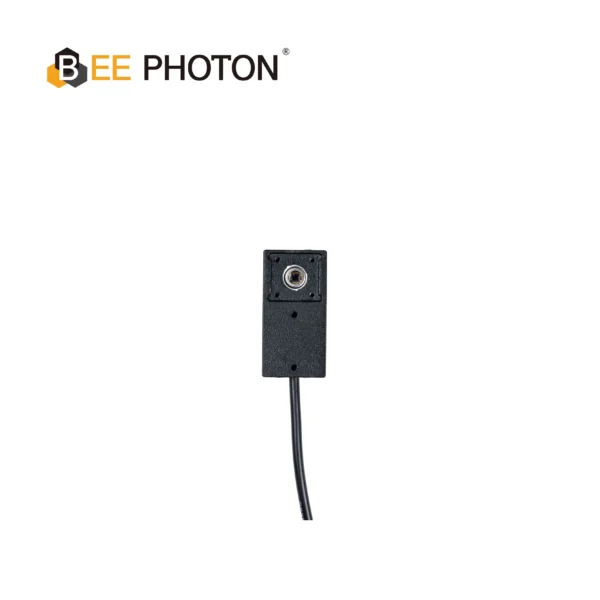
Fotodioden-Modul(Analoger Ausgang)PDTM-A
Bee Photon ist ein führender Anbieter von OEM-Fotodiodenmodulen für kundenspezifische Anforderungen. Vertrauen Sie einem erfahrenen OEM-Fotodiodenmodul-Lieferanten für Ihre optischen Präzisionsinstrumente.
Der alte Weg vs. der neue Weg: Filmradiographie vs. digitale Detektoren
Erinnern Sie sich noch an das Schleppen von Filmkassetten, das Einrichten von Dunkelkammern vor Ort und das Beten, dass die Chemikalien in der Hitze nicht verderben? Ja, das kenne ich. Film funktioniert, aber er ist langsam und unordentlich.
Digital Röntgendetektor-Array Systeme kehren das Drehbuch um. Flachbilddetektoren (oft auf der Basis von amorphem Silizium) erfassen das Bild sofort. Kein Warten, keine Chemikalien, in vielen Fällen weniger Strahlendosis erforderlich.
Hier ist ein schneller Vergleich:
| Aspekt | Traditionelle Filmradiographie | Digitales Röntgen-Detektor-Array (DR) |
|---|---|---|
| Bildverfügbarkeit | Stunden (Entwicklungszeit) | Sekunden bis Minuten |
| Bildqualität | Gut, aber begrenzter Dynamikbereich | Besserer Kontrast und mehr Details, größere Reichweite |
| Strahlungsdosis | Höher bei gleicher Qualität | Oft niedriger |
| Auswirkungen auf die Umwelt | Chemikalien und Abfall | Keine - grüner |
| Dauerhaftigkeit im Feld | Zerbrechliche Kassetten | Robuste, tragbare Panels |
| Kosten im Laufe der Zeit | Hoch (Verbrauchsmaterial) | Langfristig niedriger |
| Einhaltung der Vorschriften (API 1104) | Erfüllt | Erfüllt und übertrifft mit Echtzeit-Optionen |
Digital gewinnt durch Geschwindigkeit und Zuverlässigkeit. Die Teams berichten, dass die Inspektionszeit um 40-50% gesenkt werden konnte, vor allem bei Rundnähten.
Die wichtigsten Merkmale, die ein industrieller Röntgendetektor für Rohrleitungsarbeiten aufweisen muss
Wenn Sie vor Ort Schweißnähte an großen Übertragungsleitungen prüfen, muss Ihr Detektor hart im Nehmen sein. Suchen Sie nach:
- Dauerhaftigkeit - Stoßfestes Gehäuse, IP-geschützt gegen Staub/Wasser.
- Tragbarkeit - Leichte (einige unter 5 kg), batteriebetriebene kabellose Optionen.
- Hohe Auflösung - Pixelabstand ca. 100-150µm zum Erkennen winziger Defekte wie 0,1mm große Poren.
- Temperaturtoleranz - Funktioniert bei -20°C bis +50°C oder besser, was für kalte Wyoming-Morgen oder heiße Wüsteneinsätze entscheidend ist.
- Große aktive Fläche - Deckt große Schweißnähte ab, ohne zu viele Stiche zu machen.
- Software-Kenntnisse - Sofortige Verbesserung, Fehlermarkierung, DICONDE-Export für Aufzeichnungen.
Röntgendetektor-Array Technologie (wie Flachbildschirme) glänzt hier. Sie verarbeiten Hochenergiequellen (bis zu 450 kV oder Isotope wie Ir-192), die für dicken Stahl benötigt werden.
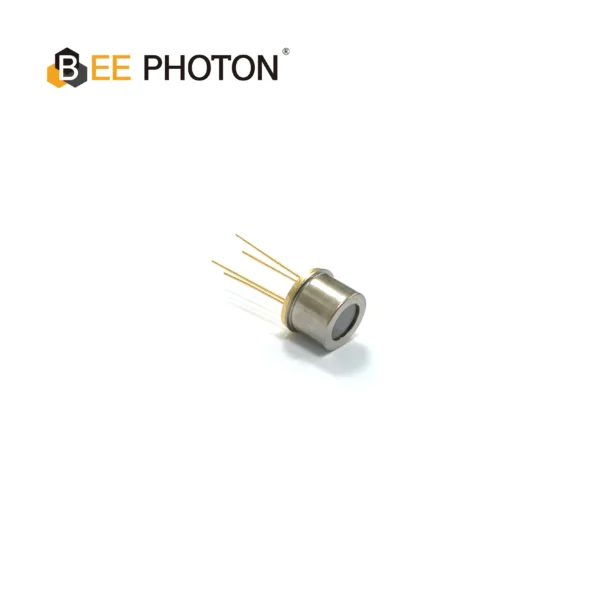
Si-PIN-Photodioden-Array Doppel-PD PDCA02-201
Die PDCA02-201 ist eine hochpräzise Photodioden-Array für analytische Instrumente, mit einem robusten TO5-Gehäuse und zwei Sensorelementen. Dieser Si-PIN-Detektor wurde für überragende Empfindlichkeit und geringes Rauschen entwickelt und bietet außergewöhnliche Genauigkeit für Spektroskopie, medizinische Diagnostik und wissenschaftliche Forschungsanwendungen.
Gewinne in der realen Welt: Wie die Digitalisierung die Arbeit in der Pipeline vereinfacht
Ein mittelgroßes ZfP-Team, mit dem wir zusammengearbeitet haben, führte Prüfungen von Rundschweißnähten beim Bau einer neuen Gasleitung durch. Sie wechselten zu einem tragbaren digitalen Array-System. Vorher wurden im Durchschnitt 40-50 Schweißnähte pro Tag mit Film geprüft. Danach? Jetzt sind es 80+, weil die Bilder sofort auftauchen. Einige Schweißfehler wurden frühzeitig erkannt und vor Ort behoben, wodurch spätere kostspielige Grabungen vermieden werden konnten.
Ein weiterer Fall: In-Betrieb-Inspektion einer alternden Rohölleitung. Die Isolierung machte es schwierig, aber mit Hilfe der Profilradiographie und einem robusten Detektor konnte die Korrosion unter der Isolierung (CUI) festgestellt werden, ohne dass alles entfernt werden musste. Das sparte Wochen an Arbeit und hielt die Leitung in Betrieb.
Das sind keine erfundenen Geschichten - digitale Tools wie diese werden immer häufiger eingesetzt, weil sie schnell Ergebnisse liefern und dem Missbrauch standhalten.
Normen und Vorschriften, die Sie nicht ignorieren können
API 1104 deckt die Abnahme von Schweißnähten ab, und die digitale Radiographie erfüllt diese Anforderungen in vollem Umfang - viele Systeme übertreffen sie sogar mit einer besseren Empfindlichkeit. ASME Abschnitt V und ISO 17636-2 erkennen DR auch für Prüfungen der Klasse A/B an.
Regelmäßige Kalibrierungen, Bildqualitätsindikatoren (IQI) und Dichteprüfungen sind nach wie vor erforderlich, aber die digitale Erfassung erleichtert die Arbeit. Alles wird mit einem Zeitstempel versehen und kann sofort mit den Technikern in der Basis geteilt werden.
Wie Bee Photon Ihnen dabei hilft, es richtig zu machen
Unter Bienen-Photon, Wir konzentrieren uns auf genau das, was die Mitarbeiter von Pipeline NDT benötigen. Unser industrielle Röntgendetektoren Merkmal hart Röntgendetektor-Array Designs für raue Umgebungen. Hochauflösende Bilder, schnelle Erfassung und eine Software, die Probleme schnell erkennt.
Ganz gleich, ob Sie Schweißnähte bei neuen Konstruktionen prüfen oder Scans während des Betriebs durchführen, unsere Geräte tragen dazu bei, Ausfallzeiten zu reduzieren und die Zuverlässigkeit der Ergebnisse zu erhöhen.
Unser komplettes Programm finden Sie unter https://photo-detector.com/ oder besuchen Sie die Kontaktseite: https://photo-detector.com/contact-us/. Schreiben Sie uns eine Nachricht an info@photo-detector.com - wir würden uns gerne mit Ihnen über Ihre Einrichtung unterhalten und Ihnen vielleicht ein auf Ihre Aufgaben zugeschnittenes Angebot unterbreiten.
Warten Sie nicht auf den nächsten überraschenden Defekt. Bessere Detektoren bedeuten sicherere Pipelines und einen reibungsloseren Betrieb.
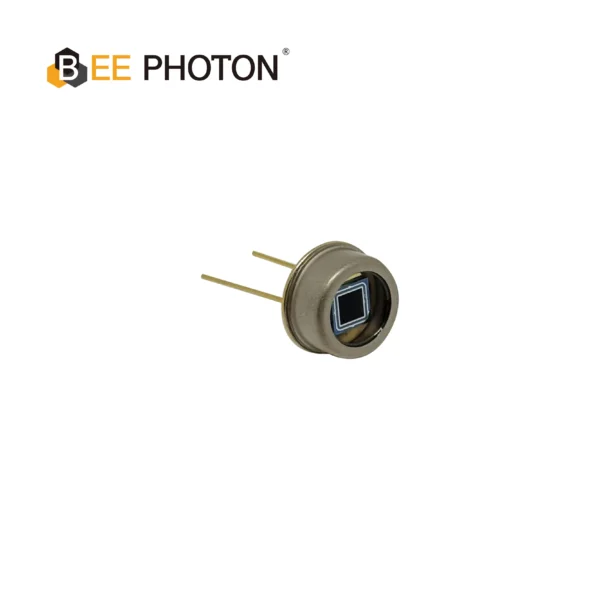
Si-PIN-Photodiode mit erhöhter UV-Empfindlichkeit (190-1100nm) PDCT06-F01
Erzielen Sie eine schnelle Signalerfassung mit unserer Si-PIN-Photodiode mit schneller Anstiegszeit. Optimiert für optische Kommunikation und Impulserkennung mit niedriger Kapazität und hoher Zuverlässigkeit. Nutzen Sie noch heute die Leistung einer schnellen Si-PIN-Photodiode.
FAQ
F: Was ist der Hauptvorteil der Verwendung eines digitalen Röntgendetektor-Arrays im Vergleich zu einem Film für Pipeline-Schweißnähte?
A: Vor allem die Geschwindigkeit. Sie erhalten Bilder in Sekunden statt in Stunden. Außerdem lassen sich winzige Fehler besser erkennen, man muss weniger nacharbeiten und hat keine Probleme mit Chemikalien. Es erfüllt problemlos die API 1104.
F: Sind diese industriellen Röntgendetektoren robust genug für die Arbeit an Rohrleitungen im Freien?
A: Ja, gute Exemplare schon. Unsere halten Stürze, Staub und Temperaturschwankungen aus. Wir haben Mitarbeiter, die sie bei Regen, Hitze und Kälte eingesetzt haben - und sie sind auch nach Jahren noch zuverlässig.
F: Inwieweit kann die Digitalisierung unsere tägliche Inspektionsrate wirklich beschleunigen?
A: Das hängt von der jeweiligen Aufgabe ab, aber viele Teams sehen 50-100% mehr Schweißnähte pro Tag. Durch die Betrachtung in Echtzeit können Sie sofort entscheiden, ob Sie einen anderen Winkel benötigen, ohne auf die Entwicklung zu warten.