
Wenn Sie gerade dabei sind, eine Ausrüstung für somatosensorische Interaktion oder eine 3D-Erfassungsausrüstung zu bauen, dann kennen Sie das Problem bereits. Diese Laserdioden treiben die Stücklistenkosten in die Höhe, und die Hälfte der Zeit spielen die Sicherheitsprobleme und die engen Strahlenmuster einfach nicht mit dem realen Tracking zusammen. Genau hier kommen kundenspezifische Infrarot-LEDs für das 3D-Tracking ins Spiel, die im Grunde das Blatt wenden.
Wir von BeePhoton helfen seit Jahren Entwicklern wie Ihnen, den überflüssigen Laser zu vermeiden. Benutzerdefinierte Infrarot-LEDs für 3D-Tracking bieten eine solide Leistung zu einem Bruchteil des Preises. Außerdem lassen sie sich viel einfacher in alles integrieren, von VR-Handtrackern bis hin zu Ganzkörper-Motion-Capture-Rigs. Und ja, sie funktionieren in vielen Fällen sogar besser, wenn man sie richtig einstellt.
Warum kundenspezifische Infrarot-LEDs für 3D-Tracking herkömmliche Laserdioden weit übertreffen
Die meisten Leute sagen es nicht laut: Laser sehen auf dem Papier beeindruckend aus, aber für die meisten 3D-Tracking-Aufgaben sind sie ein bisschen zu viel des Guten. Benutzerdefinierte Infrarot-LEDs für 3D-Tracking liefern viel Leistung ohne Kohärenzprobleme, die Flecken oder heiße Stellen auf den Kamerasensoren verursachen.
Nach unseren Erfahrungen (und wir haben Hunderte dieser Geräte gebaut) verteilen LEDs das Licht gleichmäßiger über das gesamte Verfolgungsvolumen. Sie müssen sich keine Gedanken mehr über Augensicherheitszertifikate machen, die Ihre Produkteinführung verlangsamen. Außerdem ist der Kostenunterschied lächerlich - Branchenangaben zufolge sind LEDs pro Milliwatt optischer Leistung etwa 100 Mal billiger als Laser in ähnlichen Anwendungen.
Das ist enorm, wenn man ein somatosensorisches Interaktionsgerät skalieren will. Ein Kunde berichtete uns, dass er seine Beleuchtungskosten pro Einheit um mehr als 70% senken konnte, nachdem er auf unsere maßgeschneiderten Infrarot-LEDs für die 3D-Verfolgung umgestiegen war. Das gesamte System wurde von einem “teuren Prototyp” zu einem “marktreifen Gerät zu einem wettbewerbsfähigen Preis”.”
Wie kundenspezifische Infrarot-LEDs für 3D-Tracking in realen Systemen funktionieren
Benutzerdefinierte Infrarot-LEDs für 3D-Tracking glänzen (Wortspiel beabsichtigt), weil sie perfekt mit standardmäßigen IR-empfindlichen Kameras zusammenpassen. Sie strahlen Licht mit 850 nm oder 940 nm aus - beides für das Auge unsichtbar oder nahezu unsichtbar - und Ihre Kameras nehmen die Reflexionen von Markierungen oder Körperteilen auf.
Die Magie liegt im Muster. Mit benutzerdefinierten Infrarot-LEDs für 3D-Tracking können Sie Punktanordnungen, Flutlicht oder sogar asymmetrische Strahlen erzeugen, die das Licht genau dort halten, wo Ihr Tracking-Algorithmus es braucht. Keine verschwendete Energie außerhalb des Erfassungsbereichs.
Wir haben dies für alles getan, von kleinen Desktop-Gesten-Systemen bis hin zu 3D-Erfassungssystemen für den ganzen Raum. Die LEDs laufen kühler, verbrauchen weniger Strom und man kann sie nach Belieben anordnen, ohne sich Gedanken über ein thermisches Durchgehen zu machen, wie es bei einigen Laser-Setups der Fall ist.
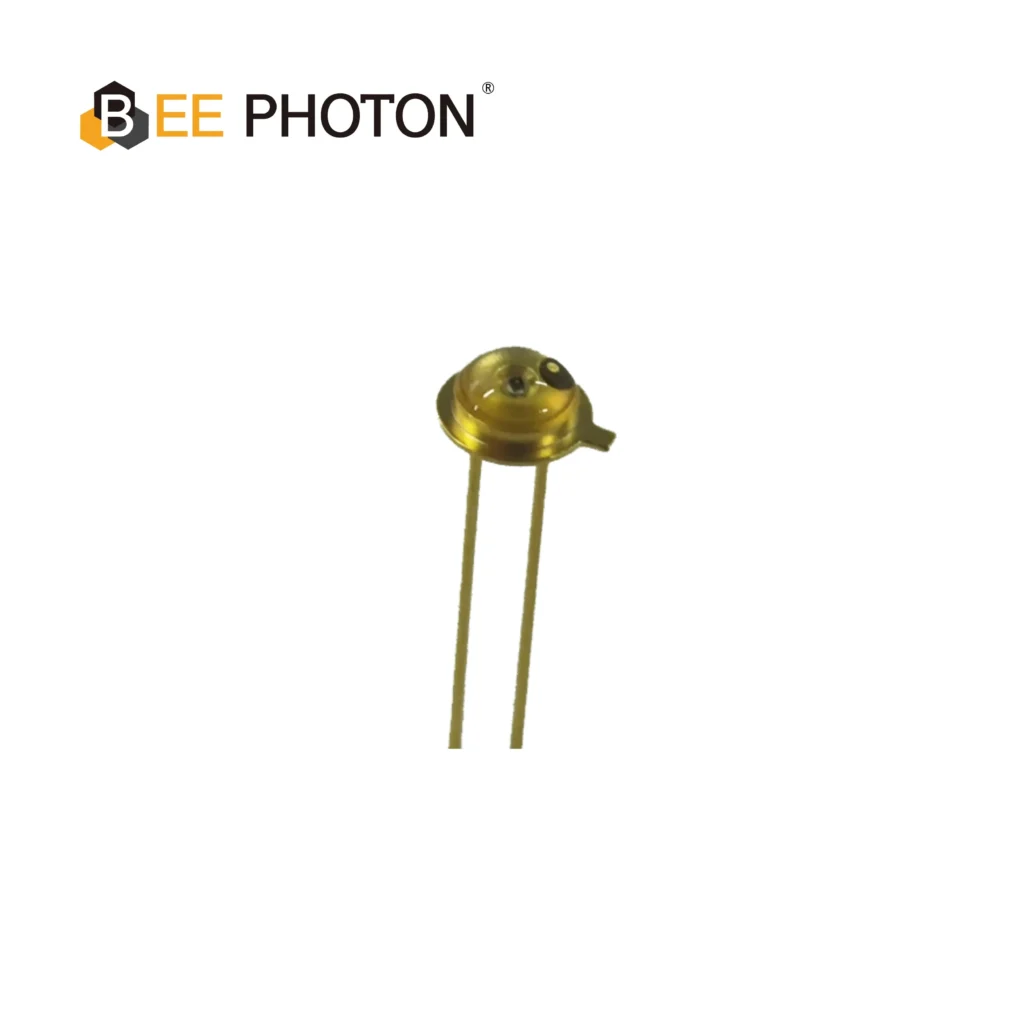
Lichtquelle LED-Serie E660-10-001
Unsere in Kunststoff verpackte LED im SMD-Format gewährleistet eine hohe Gleichmäßigkeit bei der automatischen Montage. Diese harzgegossene LED bietet hohe Zuverlässigkeit für verschiedene industrielle Anwendungen.
Laserdioden und kundenspezifische Infrarot-LEDs für 3D-Tracking - Seite an Seite
Hier ist eine kurze Tabelle, die wir auf der Grundlage realer Projekte, die wir ausgeliefert haben, zusammengestellt haben. Die Zahlen stammen aus dem tatsächlichen Kundenfeedback und unseren eigenen Tests bei BeePhoton.
| Merkmal | Laserdioden | Kundenspezifische Infrarot-LEDs für 3D-Tracking | Preisträger für die meisten Projekte |
|---|---|---|---|
| Kosten pro mW | Hoch (Richtwert) | ~100x niedriger | LEDs |
| Sicherheit der Augen | Strenge Vorschriften | Klasse 1 freundlich in den meisten Konfigurationen | LEDs |
| Strahlabdeckung | Schmal, braucht Optik | Breite oder individuelle asymmetrische Muster | LEDs |
| Wärmeerzeugung | Höher pro Watt | Niedrigeres, einfacheres Wärmemanagement | LEDs |
| Lebenslang | Gut, aber temperaturabhängig | 50.000+ Stunden typisch | LEDs |
| Einfache Anpassung | Begrenzt | Volle Kontrolle von Wellenlänge, Leistung und Abstrahlwinkel | LEDs |
| Integration in Arrays | Knifflig | Drop-in freundlich | LEDs |
Es ist ziemlich klar, warum immer mehr Teams auf benutzerdefinierte Infrarot-LEDs für 3D-Tracking umsteigen, oder?
Auswahl der richtigen Wellenlänge für Ihre kundenspezifischen Infrarot-LEDs für 3D-Tracking
850 nm oder 940 nm - diese Frage wird uns täglich gestellt.
Bei 850 nm ist ein winziges rotes Glühen sichtbar, wenn man direkt darauf starrt, aber die Kameras lieben es, und man erhält eine etwas höhere Leistungseffizienz. Ideal für 3D-Tracking in Innenräumen, wo ein schwaches Glühen keine Rolle spielt.
940 nm ist völlig unsichtbar - kein rotes Leck. Perfekt für Geräte zur somatosensorischen Interaktion mit dem Verbraucher, bei denen man keine Spur von Licht haben möchte. Die Empfindlichkeit sinkt bei einigen Sensoren nur um ein Haar, aber wir kompensieren das mit höherem Antriebsstrom oder besserer Optik.
Bei BeePhoton testen wir beides mit Ihrem exakten Kameramodell, bevor wir die Spezifikationen für Ihre maßgeschneiderten Infrarot-LEDs für 3D-Tracking festlegen.
Echtes Gespräch: Anpassungsoptionen, die wirklich wichtig sind
LEDs von der Stange sind gut für einfache Dinge, aber wenn Sie maßgeschneiderte Infrarot-LEDs für 3D-Tracking benötigen, die genau Ihre Leistung, Ihren Winkel und Ihren Platzbedarf treffen, dann sind wir der richtige Ansprechpartner.
Wir können:
- Wellenlänge auf ±10 nm einstellen
- Gestalten Sie den Strahl - 30° eng für weite Streuung, 120° flood für breite Abdeckung oder asymmetrisch für ungewöhnliche Montagewinkel
- Integrierte Linsen oder Diffusoren direkt auf der Verpackung hinzufügen
- Genaue Anpassung an Strom und Spannung Ihres Antriebs
- Lieferung in Rollen oder vormontierten Arrays, bereit für Ihre PCB
Ein Entwickler, der an einem tragbaren 3D-Hand-Tracker arbeitete, benötigte LEDs, die in einen winzigen Handschuh passten und dennoch genug Licht für einen Erfassungsbereich von 2 Metern lieferten. Standardteile versagten. Unsere maßgeschneiderten Infrarot-LEDs für 3D-Tracking lösten das Problem in einer einzigen Überarbeitung.

Blaue LED E465-4-201L4
Die E465-4-201L4 ist eine leistungsstarke 465nm Blaue LED wurde speziell für industrielle Präzisionsanwendungen entwickelt, die eine fokussierte Lichtleistung erfordern. Mit einer hohen Leuchtkraft und einem streng kontrollierten Wellenlängenbereich von 460-470nm bietet diese 465nm Blaue LED ist ein wichtiger Bestandteil von optischen Schaltern und Drehgebern.
Markttrends machen kundenspezifische Infrarot-LEDs für 3D-Tracking zu einem No-Brainer
Der Markt für 3D-Bewegungserfassung beläuft sich im Jahr 2025 auf etwa $184 Millionen und wird bis 2034 auf $295 Millionen anwachsen. All diese neuen VR/AR-Headsets, industriellen Trainingssimulatoren und medizinischen Reha-Tools benötigen eine zuverlässige, kostengünstige Infrarotbeleuchtung.
Die Preise für Laser steigen ständig, während die Kamerasensoren jedes Jahr empfindlicher werden. Diese Kombination macht benutzerdefinierte Infrarot-LEDs für 3D-Tracking zum offensichtlichen Gewinner für alle, die versuchen, ihr Gerät unter einem bestimmten Preisniveau zu halten.
Wir haben beobachtet, wie Teams Monate (und Budgets) mit der Bekämpfung von Lasersprenkeln und Ausrichtungsproblemen verschwendet haben. Wenn Sie auf benutzerdefinierte Infrarot-LEDs für das 3D-Tracking umsteigen, verkürzt sich plötzlich Ihre Kalibrierungszeit, Ihre Erträge steigen und Ihre Kunden beschweren sich nicht mehr über “diesen komischen roten Punkt”.”
Erfolgsgeschichten (Namen geändert, Ergebnisse echt)
Beispiel “Team A”: Sie bauten einen Ganzkörper-3D-Erfassungsanzug für Physiotherapie-Kliniken. Laserdioden trieben ihre Kosten auf über $800 pro Einheit. Nach der Umstellung auf unsere kundenspezifischen Infrarot-LEDs für das 3D-Tracking kamen sie auf $220 und übertrafen immer noch ihre alte Tracking-Genauigkeit. Die Kliniken begannen, in großen Mengen zu kaufen.
Eine andere Gruppe, die Drohnen mit Gestensteuerung herstellt, benötigte unsichtbares Licht, das ihre Flugkameras nicht stören sollte. Benutzerdefinierte 940-nm-Infrarot-LEDs für das 3D-Tracking plus ein paar clevere Impulse - und bumm: felsenfestes Tracking ohne sichtbares Glühen.
Das sind keine einmaligen Erfolge. Das passiert, wenn man aufhört, gegen den Laser-Hype anzukämpfen und einfach das verwendet, was für 3D-Tracking funktioniert.
Wie Sie Ihre eigenen Infrarot-LEDs für 3D-Tracking entwickeln
Denken Sie nicht zu viel darüber nach. Nennen Sie uns Ihre Kameradaten, Ihr Tracking-Volumen und Ihr Energiebudget, und wir schicken Ihnen Muster von Infrarot-LEDs für das 3D-Tracking, die auf Ihr Setup abgestimmt sind. Die meisten Teams erhalten funktionierende Prototypen in weniger als zwei Wochen.
Besuchen Sie unser Kategorie der Lichtquelle und sehen Sie sich zuerst die Standardoptionen an - viele Projekte beginnen dort und wir passen sie dann an, wenn sie am besten passen.
Wenn Sie bereit sind für eine umfassende individuelle Behandlung, schreiben Sie uns eine E-Mail an info@photo-detector.com oder drücken Sie die Kontaktseite. Wir sprechen fließend “Entwickler, die das gestern brauchen”.”
Zusammenfassung - Zeit für einen Wechsel?
Kundenspezifische Infrarot-LEDs für 3D-Tracking sind kein Nischenprodukt. Sie sind die praktische, kosteneffiziente Wahl, die die nächste Welle von somatosensorischen Interaktionsgeräten und 3D-Erfassungstechnologien vorantreibt. Geringere Kosten, einfachere Integration, weniger Kopfschmerzen - was kann man daran nicht mögen?
Wenn Sie das Laserdioden-Drama satt haben und bereit sind für eine Beleuchtung, die tatsächlich in Ihr Budget und Ihren Zeitplan passt, lassen Sie uns reden. BeePhoton hat das Fachwissen, den Produktionsumfang und die Bereitschaft, die Dinge so lange zu optimieren, bis sie für Ihr Projekt perfekt sind.
Schreiben Sie uns noch heute eine Nachricht. Ihr nächster Prototyp (und Ihr Geldbeutel) werden es Ihnen danken.
Lichtquelle LED-Serie E850-15-202
Diese Galvanometer-Scanner-Lichtquelle bietet überragende Helligkeit und Präzision. Unsere TO18-Lichtquelle ist auf Genauigkeit ausgelegt und gewährleistet eine hohe Zuverlässigkeit in Scan-Systemen.
FAQ - Kundenspezifische Infrarot-LEDs für 3D-Tracking
F1: Können benutzerdefinierte Infrarot-LEDs für die 3D-Verfolgung wirklich Laserdioden ersetzen, ohne an Genauigkeit zu verlieren?
Ja - in den allermeisten Fällen. Moderne IR-Kameras sind so empfindlich, dass die gleichmäßige Ausleuchtung durch LEDs oft sauberere Daten liefert als gesprenkeltes Laserlicht. Wir haben eine Verfolgungsgenauigkeit im Submillimeterbereich mit richtig abgestimmten, kundenspezifischen Infrarot-LEDs für die 3D-Verfolgung gemessen.
F2: Wie lange ist die Vorlaufzeit für kundenspezifische Infrarot-LEDs für 3D-Tracking?
Standardmuster werden innerhalb von 1-2 Wochen versandt. Vollständige Produktionsläufe dauern in der Regel 4-6 Wochen nach der endgültigen Genehmigung der Spezifikationen. Viel schneller als die meisten kundenspezifischen Aufträge für Laserdioden.
F3: Sind kundenspezifische Infrarot-LEDs für 3D-Tracking augensicher für Verbraucherprodukte?
Auf jeden Fall, wenn sie richtig konzipiert sind. Wir bleiben weit unter den Grenzwerten der IEC 62471 Klasse 1. Für die meisten Indoor-Tracking-Anwendungen ist kein komplizierter Papierkram zur Lasersicherheit erforderlich.
F4: Woher weiß ich, welche Wellenlänge für meine kundenspezifischen Infrarot-LEDs für die 3D-Tracking-Einrichtung am besten geeignet ist?
Schicken Sie uns Ihr Kameramodell, und wir testen sowohl 850 nm als auch 940 nm unter Ihren genauen Beleuchtungsbedingungen. Die meisten Teams entscheiden sich für 940 nm für Consumer-Geräte und 850 nm für die industrielle 3D-Erfassung.


