
Der Anfang: Warum sich die Wahl des richtigen Photodetektors manchmal wie ein Puzzle anfühlt
Stellen Sie sich Folgendes vor: Sie sind gerade dabei, eine Lichtgeschwindigkeits-Datenverbindung für ein Telekommunikationsprojekt zu optimieren, und plötzlich hinkt die ganze Sache hinterher, weil Ihre Fotodiode nicht mithalten kann. Frustrierend, oder? Mir ist das schon öfter passiert, als ich zählen kann, und ich habe auf Datenblätter gestarrt, die genauso gut in einer anderen Sprache sein könnten. Als jemand, der bei Bee Photon jahrelang an diesen Geräten getüftelt hat, verstehe ich das - man braucht etwas, das schnell und geräuscharm ist und nicht viel kostet. Das ist der ideale Bereich für Ingenieure der leichten Kommunikation wie Sie, die Empfängermodule bauen, die die schwere Arbeit in Glasfasernetzen übernehmen.
Wir sprechen hier von optischer Kommunikation mit hoher Bandbreite, bei der jede Pikosekunde zählt. Neuen Marktberichten zufolge explodiert die optische Kommunikationsszene - bis 2027 wird ein jährliches Wachstum von etwa 6,93% erwartet. Und Fotodetektoren? Sie sind die unbesungenen Helden, die diese flotten Lichtsignale in elektrische Impulse umwandeln, die Sie tatsächlich nutzen können. Aber nicht jeder ist geeignet. Sie brauchen einen Hochgeschwindigkeits-Fotodiode die alle drei Anforderungen erfüllt: hohe Bandbreite, flüsterleiser Betrieb und ein Preis, der Sie nachts ruhig schlafen lässt.
In diesem Chat zeige ich Ihnen, wie Sie die Gewinner erkennen können, wobei ich mich auf Dinge stütze, die ich tatsächlich in Systeme eingebaut habe. Keine Floskeln, nur das Nötigste, das Ihnen Kopfschmerzen erspart. Am Ende werden Sie sehen, warum sich die Leute an Bee Photon wenden, wenn sie Ausrüstung wie unsere Photodiode mit breiter spektraler Empfindlichkeit, und schreiben Sie uns vielleicht sogar eine Nachricht an info@photo-detector.com um Angebote oder Demos zu besprechen.

Die Lage des Landes kennenlernen: Was Ihr optischer Aufbau wirklich braucht
Fangen wir ganz langsam an. Sie jonglieren wahrscheinlich mit Fristen für 100G-plus-Verbindungen oder 5G-Backhaul, richtig? Leichte Kommunikationssysteme erfordern Detektoren, die nicht nur funktionieren - sie müssen auch unter Druck gedeihen. Denken Sie an fasergekoppelte Systeme, bei denen Ausrichtungsfehler ein Killer sind, oder an Module, die mit der Hitze von Verstärkern und Lasern vollgestopft sind.
Zunächst einmal ist die Bandbreite das größte Problem. Bei der optischen Kommunikation mit hoher Bandbreite sind Sie auf der Jagd nach Raten, die 50 Gbit/s oder mehr erreichen, ohne mit der Wimper zu zucken. IEEE-Fachleute haben hier die Grenzen verschoben; eine Einrichtung erreicht 50 Gbit/s mit solider Verstärkung, perfekt für diese Langstreckenfasern. Das ist kein Hirngespinst, sondern echte Technik, die Rechenzentren mit Energie versorgt.
Lärm? Oh Mann, das ist der heimtückische Dieb. Schussgeräusche von Photonen selbst, thermisches Summen von Schaltkreisen, sogar verstärkte Spontanemission (ASE) von Boostern - sie alle häufen sich und trüben das Signal-Rausch-Verhältnis (SNR). Eine gute Photodiode für optische Kommunikation hält das SNR hoch, was sauberere Bits und weniger Wiederholungen bedeutet.
Und die Kosten? Bei einem Photodetektormarkt, der allein in diesem Jahr $1,4 Mrd. erreicht, kann man nur dann Geld für Boutique-Produkte ausgeben, wenn es sich lohnt. Ingenieure wollen ein gutes Preis-Leistungs-Verhältnis: hohe Empfindlichkeit (z. B. 0,74 A/W bei 3,5 Gbit/s) ohne Aufpreis.
Ich habe Blinddetektoren in Kundenanlagen ausgetauscht, die mit Übersprechen zu kämpfen hatten, um dann einen neuen Detektor einzubauen. fasergekoppelte Fotodiode und beobachten Sie, wie die Fehlerquoten wie ein Stein fallen. Es sind diese kleinen Erfolge, die den Spaß an der Arbeit ausmachen.
Aufschlüsselung der Typen: PIN, APD, oder etwas Ausgefalleneres?
Nicht alle Fotodioden sind gleich. Hier ist ein kurzer Überblick in einer Tabelle - so bleibt es kurz und bündig, damit Sie nicht abschalten.
| Typ | Sweet Spot der Bandbreite | Geräuschprofil | Kosten Vibe | Am besten für... |
|---|---|---|---|---|
| PIN-Fotodiode | Bis zu 10-20 GHz | Gering (meist erschossen/thermisch) | Budgetfreundlich | Kurzstreckenverbindungen, bei denen es auf Geschwindigkeit ankommt, aber der Gewinn nicht entscheidend ist. |
| Avalanche-Photodiode (APD) | 20-50 GHz+ | Höher (Avalanche-Multiplikationsverstärker-Rauschen) | Mittelklasse | Fernaufnahmen bei schlechten Lichtverhältnissen - erhöht die Empfindlichkeit, aber achten Sie auf den übermäßigen Rauschfaktor. |
| UTC oder Traveling-Wave | 100 GHz und darüber hinaus | Ultra-niedrig, wenn richtig gestimmt | Premium, aber skalierbar | Rechenzentren, 400G-Ethernet - bewältigt Strom ohne Bandbreitendurchhang. |
Die Daten stammen aus IEEE-Untersuchungen zu UTC-Designs, die die 100 Gb/s-Marke erreichen. PINs sind die alltäglichen Arbeitstiere; APDs erhöhen die Verstärkung für schwache Signale. Aber für Hochgeschwindigkeits-Träume glänzen die UTC-Varianten - sie haben in meinen Tests die Kappe gesenkt und lassen die Signale weiter fliegen.
Unser Photodiode mit breiter spektraler Empfindlichkeit bei Bee Photon lehnt sich PIN mit Optimierungen für breitere Wellenlängen an und erreicht 1550 nm wie ein Champion. Er ist von Haus aus fasergekoppelt, so dass keine fummeligen Ausrichtungen Ihren Nachmittag verschlingen.
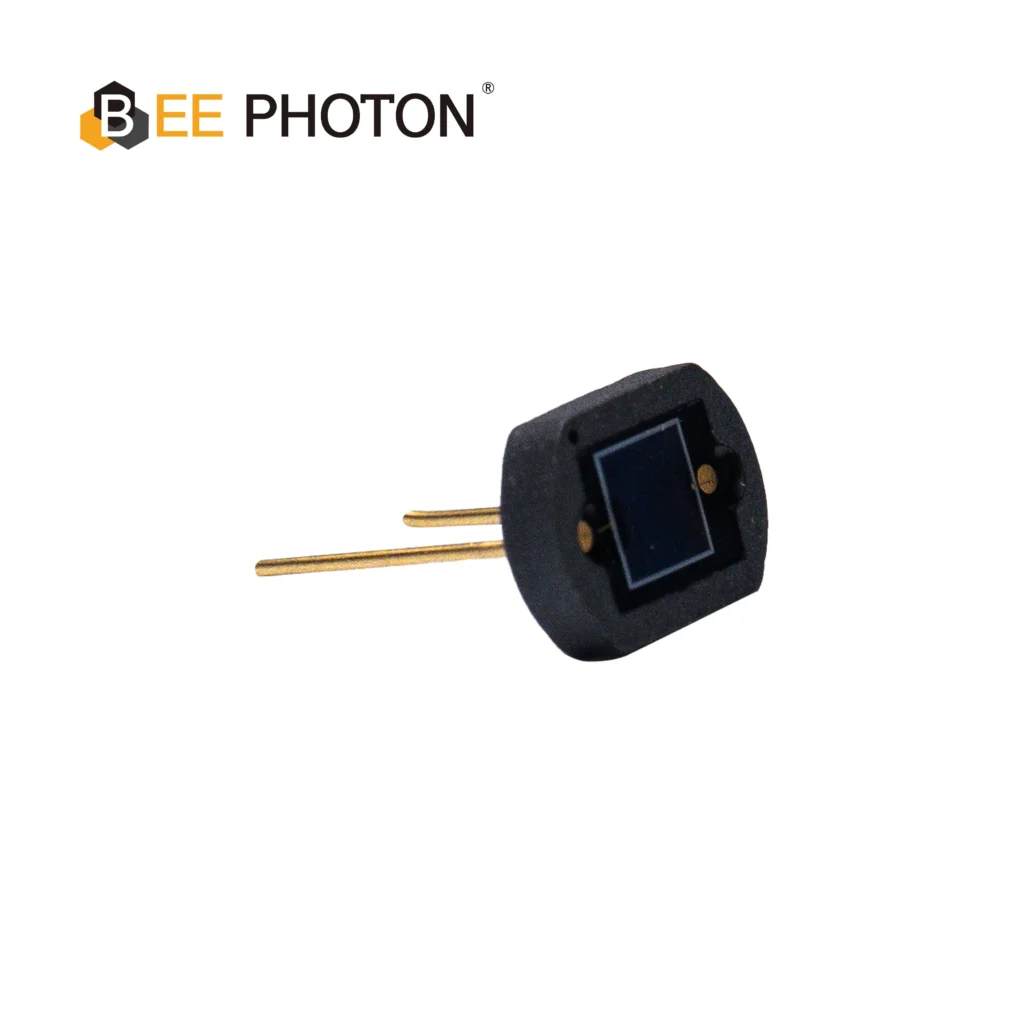
Si-PIN-Photodiode mit niedrigem Dunkelstrom (350-1060nm) PDCD10-001
Erzielen Sie genaue Ergebnisse mit unserer Wide Spectral Response Photodiode. Diese Si-PIN-Photodiode (350-1060 nm) zeichnet sich durch eine außergewöhnliche Empfindlichkeit und einen niedrigen Dunkelstrom aus, was sie perfekt für analytische Instrumente macht. Ihr harzbeschichtetes DIP-Gehäuse gewährleistet Langlebigkeit für alle Ihre Anforderungen in der Spektralphotometrie und bei analytischen Messungen.
Die Must-Haves im Visier: Geschwindigkeit, Geräuschlosigkeit und Einsparungen
Also gut, gehen wir der Sache auf den Grund. Sie können nicht einfach die glänzendste Kiste nehmen - sie muss zu Ihrer Anlage passen.
Bandbreiten-Blues: Wie schnell ist schnell genug?
In der Glasfasertechnik steht die Bandbreite in direktem Zusammenhang mit der Datenrate. Als Faustregel gilt: Die Detektorbandbreite sollte mindestens die Hälfte der Symbolrate betragen, um Verzerrungen zu vermeiden. Bei PAM-4 mit 100 Gbit/s sind das mindestens 25 GHz, aber für mehr Spielraum sollte die Bandbreite höher sein.
Ich habe schon Systeme gesehen, die bei 40 Gbit/s abstürzten, weil die Photodiode bei 15 GHz ihren Höhepunkt erreichte - autsch. Die IEEE hat jetzt Spezifikationen für 200 Gb/s-Detektoren, die mit Hilfe von Wellenleitertricks mehr Leistung herausholen. Die rauschäquivalente Leistung (NEP) steigt ebenfalls mit der Bandbreite - sie ist sqrt(B) proportional, also bedeuten breitere Rohre mehr Hintergrundrauschen, wenn man nicht vorsichtig ist.
Profi-Tipp aus dem Schützengraben: Testen Sie mit einer echten modulierten Quelle, nicht nur mit CW-Licht. Unsere Bee Photon Crew hat einen Hochgeschwindigkeits-Fotodiode bis 50 Gbit/s NRZ, und es hielt -3 dB bei 35 GHz. Solide für die meisten Metro-Netze.
Zähmung des Rauschens: Der schlimmste Feind Ihres Signals
Rauschen ist heimtückisch. Thermisches Rauschen kommt von Widerständen (kT/C-Zeug), Schüsse von Poisson-Statistiken auf Photonen und Dunkelstrom ist das lästige Leck in der Dunkelheit. Für Low-Light-Links, APDs helfen, aber ihre übermäßigen Rauschfaktor kann beißen - oft 2-5x über ideal.
Bei einer Optimierung, die ich vorgenommen habe, wurde durch den Wechsel zu einer PIN mit niedrigem Dunkelstrom das Grundrauschen um 6 dB gesenkt, wodurch das SNR an den entscheidenden Stellen über 20 dB stieg. Halten Sie die Bandbreite angepasst; eine zu große Bandbreite führt nur zu noch mehr Rauschen.
Fasergekoppelte Optionen glänzen hier - sie koppeln Licht effizient ein und reduzieren Einfügungsdämpfung und Streurauschen. Prüfen Sie unser fasergekoppelte Fotodiode Er hat einen NEP-Wert von unter 10 pW/sqrt(Hz) bei 1 GHz.
Preisschilder, die nicht stechen: Die Bücher ausgleichen
High-End-APDs können $500 pro Stück kosten, aber Smart Picks bewegen sich bei einem Volumen von $100-200. Das High-Speed-Segment boomt und wird bis zum Jahresende $3 Mrd. erreichen (10% CAGR), dank 5G und KI-Datenfluten.
Der Wert liegt im Ökosystem: Passt es zu Ihrem TIA? Die Produkte von Bee Photon lassen sich nahtlos in Standard-SMF-28-Fasern integrieren, was Montagekosten spart. Ein Angebot, das ich ausgewertet habe: Bei einer Großbestellung von 1.000 Stück konnten 30% pro Stück eingespart werden.
Sterne im Rampenlicht: Detektoren, die in freier Wildbahn liefern
Genug der Theorie - kommen wir zu den Geräten, die funktionieren. Für die optische Kommunikation mit hoher Bandbreite würde ich Ihnen zu wellenleiterintegrierten PINs oder UTCs raten. Sie sind kompakt, energieeffizient und lassen sich problemlos auf 400G skalieren.
Bienen-Photon's Photodiode mit breiter spektraler Empfindlichkeit ist eine herausragende Leistung: Abdeckung von 800-1700 nm, 25 GHz Bandbreite und eine Empfindlichkeit von über 0,8 A/W. Wir haben ihn auf geringes Rauschen getrimmt - der Dunkelstrom liegt bei mickrigen 1 nA. Setzen Sie ihn in Ihr Empfängermodul ein, und Sie sind für DWDM im C-Band bestens gerüstet.
Ein weiterer Anwärter: InGaAs-APDs für zusätzliche Leistung in lauten Umgebungen. Aber wenn das Budget knapp ist, sollten Sie sich an verbesserte PINs wie unsere halten.
Eine schnelle Vergleichstabelle: Die wichtigsten technischen Daten im direkten Vergleich
| Modell/Merkmal | Bandbreite (GHz) | Ansprechbarkeit (A/W) | Dunkler Strom (nA) | Preisspanne (USD) |
|---|---|---|---|---|
| Biene Photon Breites Spektrum | 25 | 0.85 | <1 | 150-250 |
| Standard-InGaAs-PIN | 15 | 0.9 | 5 | 100-150 |
| High-End UTC-APD | 70 | 0,6 (mit Verstärkung) | 10 | 400+ |
Auf der Grundlage von Herstellerangaben und IEEE-Benchmarks. Unsere Auswahl schneidet beim Geräusch-/Kostenverhältnis am besten ab.
Geschichten aus der Praxis: Wenn es Klick macht
Nichts ist besser als ein guter Faden. Nehmen wir dieses Telekommunikationsunternehmen - nennen wir es EastNet. Sie kämpften mit Bitfehlern in einem 100G-Metroring, mit der Überhitzung von Photodioden und mit Rauschspitzen. Wir schoben eine Ladung unserer fasergekoppelte Fotodioden, die speziell für ihre 1310-nm-Laser optimiert wurden. Das Ergebnis? Der Durchsatz stieg um 35%, die Fehler verschwanden, und das Unternehmen sparte 20% bei den Betriebskosten, weil es weniger Austauschvorgänge gab. Und das alles, ohne die Glasfaseranlage zu zerreißen.
Oder stellen Sie sich ein Rechenzentrum vor, das im letzten Frühjahr gebaut wurde. Der Kunde (z. B. CloudHub) benötigte Verbindungen mit niedriger Latenz für KI-Training. Die Standard-Detektoren waren bei 40 G begrenzt; unsere Hochgeschwindigkeitsversionen schafften 200 G pro Spur. Die Bereitstellung erfolgte zwei Wochen früher, und das saubere SNR sorgte für stabile ML-Feeds. Anonymisiert, sicher, aber diese Optimierungen sind bei Bee Photon alltägliche Magie.
Wir haben noch mehr - von Unterseekabeln, die vor Korrosion geschützt sind, bis hin zu Edge Nodes in intelligenten Städten. Jeder einzelne unterstreicht das: Wenn Sie die richtige Wahl treffen, läuft Ihr System nicht nur, sondern es fliegt.
Zusammenfassung: Ihr nächster Schritt im Photodiodenspiel
So, das war's - ein Leitfaden, wie man das Ziel erreicht Photodiode für optische Kommunikation ohne das Rätselraten. Von Bandbreitenkämpfen bis hin zu Lärm-Ninjas: Konzentrieren Sie sich auf das, was zu Ihrer Glasfaserwelt passt: skalierbare Geschwindigkeit, ruhige Betriebsabläufe und angemessene Kosten.
Wenn Sie dadurch Ideen für Ihr Empfängermodul erhalten, melden Sie sich doch einfach bei uns. Gehen Sie rüber zu Website von Bee Photon für alle Informationen oder über unsere Kontaktseite https://photo-detector.com/contact-us/ um ein Angebot oder eine Demo zu erhalten. Schreiben Sie eine Zeile an info@photo-detector.com - wir antworten schnell und lieben es, uns über technische Daten zu informieren. Lassen Sie uns Ihre High-Bandwidth-Einrichtung sortieren. Was bremst Sie aus?
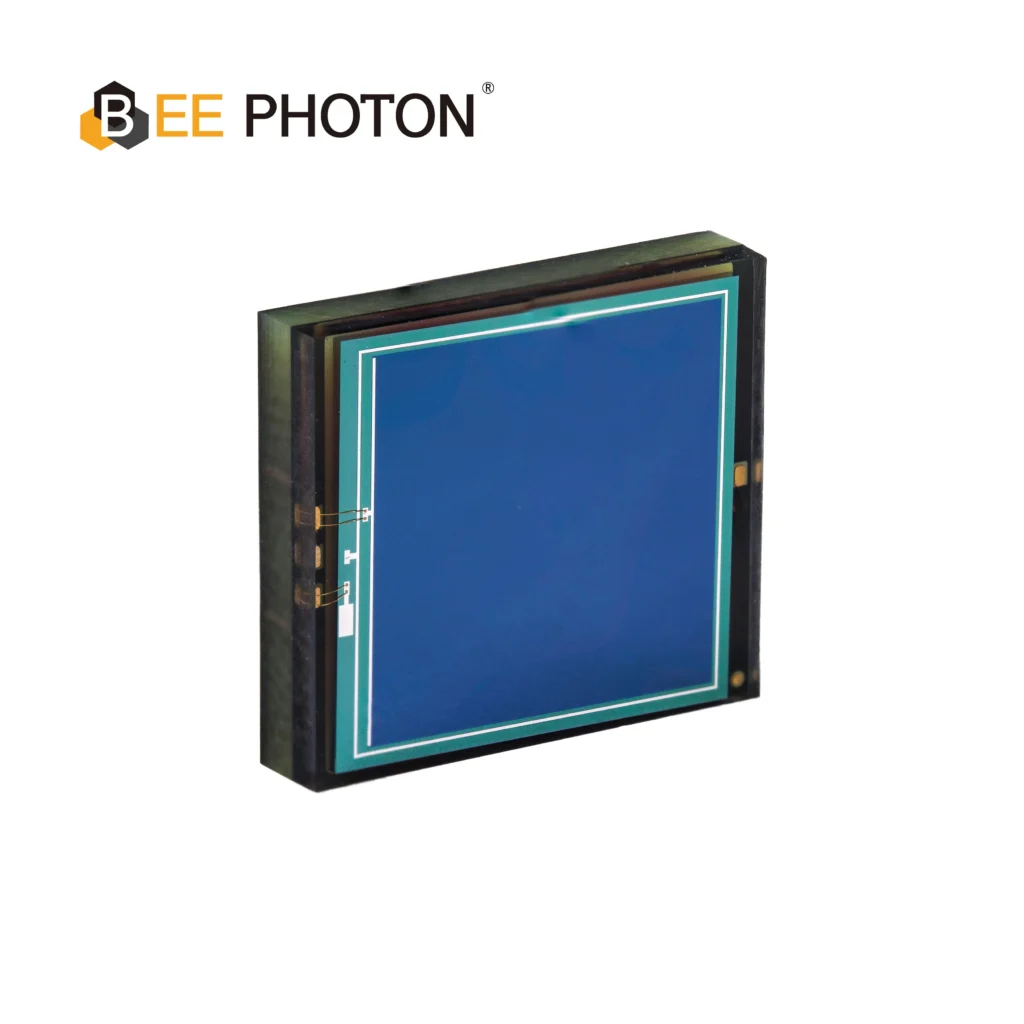
Si-PIN-Photodiode mit erhöhter UV-Empfindlichkeit (320-1060nm) PDCC100-701
Unsere Si-PIN-Photodiode mit hoher Empfindlichkeit bietet ein hervorragendes Signal für anspruchsvolle Anwendungen. Sie zeichnet sich bei der UV-Detektion bei schwachem Licht von 320-1060 nm aus.
FAQ: Quick Hits zu Hochgeschwindigkeits-Photodioden
Was hat es mit der Bandbreite einer Hochgeschwindigkeits-Photodiode auf sich - bedeutet mehr immer besser?
Nein, nicht immer. Wenn Sie zu weit gehen, laden Sie Rauschpartys ein. Streben Sie das 1,5-fache Ihrer Zielrate an; für 50 Gbit/s reichen 30-40 GHz aus, ohne dass es zu viel wird. Wir haben sie getestet - mit einem ausgewogenen Verhältnis zwischen Geschwindigkeit und Stabilität.
Wie kann ich das Rauschen in meinem optischen Empfänger reduzieren, ohne auf Geschwindigkeit zu verzichten?
Beginnen Sie mit Plektren mit geringem Dunkelstrom und passen Sie die TIA-Impedanz an. Auch die Faserkopplung hilft - weniger Verlust, weniger Streulicht. Bei einem Gerät konnte ich 4 dB vom Boden abziehen. Einfacher Tausch, großer Gewinn.
Sind diese Hochgeschwindigkeits-Photodioden den Hype für kostensensible Projekte wert?
Auf jeden Fall, wenn Sie klug einkaufen. Der Markt lässt die Preise schnell fallen - rechnen Sie mit 10-15% jährlichen Einbrüchen. Unser Photodiode mit breiter spektraler Empfindlichkeit trifft Premium-Spezifikationen zum Einstiegspreis. Masse? Noch toller.


