Wenn Sie ältere SMD-Fotodioden auf Ihren Bestückungsplatinen verwenden, sind Sie in letzter Zeit wahrscheinlich gegen die klassische Lieferketten-Wand gelaufen. Jahrelang war die bewährte BPW34S der Goldstandard für Silizium-PIN-Fotodioden. Sie kam in allem vor, von Regensensoren bis hin zu Hochgeschwindigkeits-Optokopplern. Aber seien wir ehrlich: Der Optoelektronik-Markt hat sich verändert. Lange Vorlaufzeiten, plötzliche Preiserhöhungen und die drohende Gefahr von Abkündigungen (EOL-Ankündigungen) zwingen Hardware-Teams dazu, sich anderweitig umzusehen. Viele unserer langjährigen B2B-Kunden suchen aktiv nach zuverlässigen BPW34S-Alternativen um einen Stillstand ihrer Montagelinien zu vermeiden.
Die Aufrüstung eines optischen Kernsensors bedeutet nicht nur, ein anderes Bauteil zu finden, das auf die Lötpads passt. Ingenieure hassen es, Komponenten mitten im Lebenszyklus zu wechseln, da “äquivalent” in der Praxis nicht immer identisch bedeutet. Man muss den Dunkelstrom, die Sperrschichtkapazität, die spektrale Anpassung und die Frage berücksichtigen, ob das neue Bauteil unter Fabrikbeleuchtung in Sättigung geht.
Wir haben die PDCP08-Serie bei BeePhoton speziell entwickelt, um diese technischen Probleme zu lösen. Wenn Sie nach BPW34S-Alternativen gesucht haben, die kein komplettes Redesign der Leiterplatte erfordern, wird dieser Leitfaden Ihre Zweifel ausräumen und Ihnen helfen, den passenden Drop-in-Ersatz auszuwählen.
Warum Sie Alternativen zur BPW34S ernsthaft in Betracht ziehen sollten
Wenn Sie BPW34S-Alternativen, bewerten, geht es nicht nur darum, Lieferkettenprobleme zu umgehen; oft erhalten Sie eine erhebliche Leistungssteigerung. Herkömmliche PIN-Fotodioden wurden vor Jahrzehnten entwickelt. Seitdem sind die Siliziumreinigung und die Wafer-Herstellungsverfahren wesentlich präziser geworden.
Schauen wir uns an, warum B2B-Einkäufer auf moderne BPW34S-Alternativen:
- Stabilität der Lieferkette: Sich auf eine einzige Traditionsmarke zu verlassen, macht Ihren Produktionsplan anfällig. Qualifizierte BPW34S-Alternativen in Ihrer Stückliste (BOM) zu haben, schützt Ihre Lieferkette.
- Drastische Reduzierung des Dunkelstroms: Moderne Siliziumverarbeitung ermöglicht es uns, den Dunkelstrom um den Faktor 100 oder mehr zu senken, was das Grundrauschen Ihres Systems reduziert.
- Optionen zur Tageslichtfilterung: Neuere BPW34S-Alternativen bieten integrierte schwarze Epoxid-Gehäuse, die sichtbares Licht herausfiltern und Ihnen so die Kosten für externe optische Filter ersparen.
Wenn Sie BPW34S-Alternativen Für die industrielle Automatisierung oder präzisionsmedizinische Geräte benötigen Sie eine Komponente, die genau dieselbe Aufgabe erfüllt – die effiziente Erkennung von Licht – ohne den massiven Preisaufschlag für Markennamen.
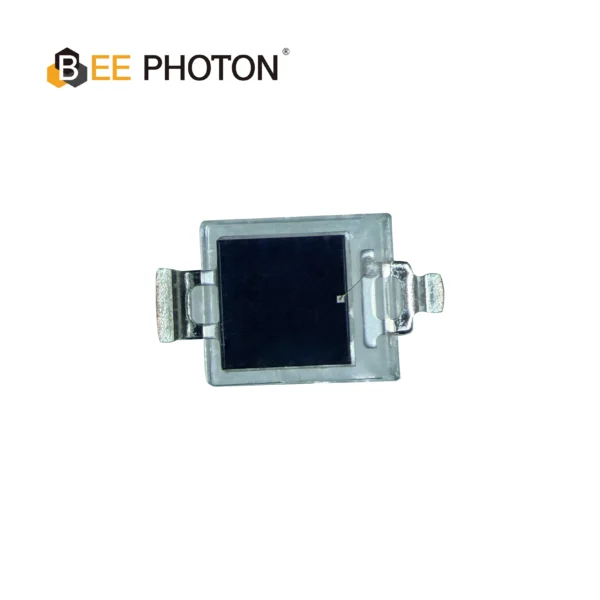
Si-PIN-Fotodiode Serie PDCP08 PDCP08-501
Leistungsstarke Detektion: Die PDCP08-501 ist eine Hochgeschwindigkeits-Silizium-PIN-Photodiode mit einem transparenten Fenster.
Wesentliche Merkmale: Mit einer aktiven Fläche von 2,9×2,9 mm bietet diese PIN-Fotodiode einen niedrigen Dunkelstrom und eine hohe Empfindlichkeit, was sie zu einem idealen Sensor für allgemeine optische Schalter und Lichterkennungssysteme macht.
Was passiert eigentlich im Silizium? (Die Mathematik)
Wenn Ingenieure nach BPW34S-Alternativen, suchen, müssen sie verstehen, wie sich die zugrunde liegende Physik in die Schaltungsleistung übersetzt. Die Kernfunktion einer PIN-Photodiode besteht darin, einfallende Photonen in elektrischen Strom umzuwandeln.
Der von der Diode erzeugte Photostrom wird mit dieser Klartext-Formel berechnet:
Photostrom (Ip) = Responsivität (R) * Optische Leistung (P)
Wo:
Ipist der Photostrom (gemessen in Ampere oder Mikroampere).Rist die spektrale Responsivität der Photodiode (gemessen in Ampere pro Watt, A/W).Pist die einfallende optische Leistung, die auf die aktive Siliziumfläche trifft (gemessen in Watt).
Viele Hochleistungs- BPW34S-Alternativen bieten eine optimierte Responsivität bei spezifischen Infrarot-Wellenlängen (wie 940 nm oder 920 nm). Dies bedeutet, dass Ihre Schaltung bei gleicher LED-Leistung mehr Signal empfängt, was beim Vergleich verschiedener ein wichtiger Faktor ist. BPW34S-Alternativen.
Das Signal ist jedoch nur die halbe Miete. Sie müssen sich auch mit Rauschen auseinandersetzen. Die absolute Grenze der Empfindlichkeit Ihres Sensors wird durch das Schrotrauschen des Dunkelstroms bestimmt.
Wir berechnen diesen Dunkelstrom-Rauschstrom mit der folgenden Formel:
In = Quadratwurzel(2 * q * Id * B)
Wo:
Unterist der Rauschstrom (Ampere).qist die Elementarladung (ungefähr 1,6 * 10^-19 Coulomb).Idist der Dunkelstrom der Photodiode unter Sperrvorspannung (Ampere).Bist die elektrische Bandbreite Ihres Systems (Hertz).
Wenn Ihre Photodiode einen hohen Dunkelstrom aufweist, verstärkt Ihr Transimpedanzverstärker (TIA) dieses Rauschen und verschlechtert so Ihr Signal-Rausch-Verhältnis (SNR):
SNR = Ip / In
Durch die Auswahl BPW34S-Alternativen mit deutlich geringerem Dunkelstrom (Id), reduzieren Sie automatisch das Grundrauschen. Dies ermöglicht Ihrem System, wesentlich schwächere Lichtpegel zu erfassen, ohne dass Ihr Verstärkerschaltkreis geändert werden muss.
Footprint-Kompatibilität: Drop-In ohne PCB-Aufwand
Seien wir ehrlich: Niemand möchte eine neue Leiterplatte entwerfen. Ein PCB-Redesign bedeutet Kosten für neue Werkzeuge, die Aktualisierung der Dokumentation und das erneute Durchführen von Konformitätstests. Daher muss Ihr gewähltes BPW34S-Alternativen perfekt mit Ihrem bestehenden Footprint übereinstimmen.
Die Standard-BPW34S wird in einem flachen Miniatur-DIL-SMT-Gehäuse (Dual-In-Line) für die Draufsicht geliefert, mit typischen Abmessungen von 5,4 x 4,3 mm. Der Footprint unserer PDCP08-Serie wurde genau unter Berücksichtigung dieser mechanischen Abmessungen entwickelt.
Diese direkten BPW34S-Alternativen verfügen über ein identisches Layout, was bedeutet, dass Sie diese direkt in Ihre bestehenden Bestückungsdateien laden können. Es ist nicht erforderlich, Schablonenöffnungen anzupassen oder Lötpads zu modifizieren. Drop-In-Lösungen BPW34S-Alternativen ermöglichen Ihnen den nahtlosen Austausch von Bauteilen in der Fertigung.
Der technische Vergleich: BPW34S vs. moderne Alternativen
Um Ihnen genau zu zeigen, wie diese modernen BPW34S-Alternativen abschneiden, haben wir die echten Datenblatt-Spezifikationen zusammengestellt. Wir haben die Standard-BPW34S mit drei unserer beliebtesten BPW34S-Alternativen:
| Parameter | Vorgängermodell BPW34S (Standard) | PDCP08-501 (Klares Fenster) | PDCP08-502 (Hohe Ansprechempfindlichkeit) | PDCP08-511 (Tageslichtfilter) |
|---|---|---|---|---|
| Spektralbereich (λ0.1) | 430 bis 1100 nm | 450 bis 1100 nm | 340 bis 1100 nm | 850 bis 1100 nm |
| Spitzen-Empfindlichkeit (λp) | 900 nm | 940 nm | 920 nm | 940 nm |
| Dunkelstrom (Typ, VR=10V) | 2000 pA (2 nA) | 20 pA | 5 pA | 20 pA |
| Lichtempfindlicher Bereich | 7,5 mm² | 2,9 × 2,9 mm | 2,9 × 2,8 mm | 2,9 × 2,9 mm |
| Anstiegszeit (typ., VR=5V) | 100 ns | 150 ns | 270 ns | 150 ns |
| Gehäusefenster | Transparenter Kunststoff | Klares Epoxidharz (CR) | Klares Epoxidharz (CR) | Schwarzes Epoxidharz (BK) |
Bei Betrachtung dieses Vergleichs von BPW34S-Alternativen, stechen einige Details hervor. Der bewährte BPW34S weist einen typischen Dunkelstrom von 2000 pA (oder 2 nA) auf. Vergleicht man dies mit dem PDCP08-502, sinkt dieser auf einen mikroskopischen 5 pA typischen Dunkelstrom unter den gleichen Bedingungen!
Diese BPW34S-Alternativen belegen, dass Sie beim Austausch eines alten Sensors keine Kompromisse bei der Leistung eingehen müssen. Tatsächlich erhalten Sie durch den Ersatz alter Bauteile durch diese modernen BPW34S-Alternativen, ein saubereres Signal, eine bessere thermische Stabilität und ein deutlich geringeres Grundrauschen.
Klares Epoxidharz vs. schwarzes Epoxidharz: Die Wahl der richtigen Variante
Bei der Bewertung von BPW34S-Alternativen, müssen Sie Ihre Umgebung berücksichtigen. Standard-PIN-Fotodioden sind in klarem Harz verkapselt, das alle Wellenlängen durchlässt – vom sichtbaren Licht bis hin zum nahen Infrarot (NIR).
Wir bieten jedoch unsere BPW34S-Alternativen in verschiedenen Gehäusevarianten an:
Klares Epoxidharz (PDCP08-501 & PDCP08-502)
Diese BPW34S-Alternativen fungieren wie ein weit offenes Fenster. Sie lassen sichtbares Licht sowie nahes IR nahezu verlustfrei passieren. Klares Epoxidharz ist ideal, wenn Ihr System in einem dunklen, versiegelten Gehäuse arbeitet oder wenn Sie präzise optische Leistung über ein breites Spektrum messen.
Schwarzes Epoxidharz (PDCP08-511)
Wenn Ihr Sensor realem Umgebungslicht ausgesetzt ist, können klare Fotodioden schnell gesättigt werden. Hintergrundlicht von Standard-Raum-LEDs oder Tageslicht kann Ihren Sensor überfluten und zum Übersteuern Ihres Verstärkers führen.
Hier rettet schwarzes Epoxidharz BPW34S-Alternativen die Situation. Das schwarze Harz ist mit speziellen Pigmenten versetzt, die fast das gesamte sichtbare Licht (unter 700 nm) blockieren, während sie für Infrarot (700 nm bis 1100 nm) hochtransparent bleiben.

Si-PIN-Fotodiode Serie PDCP08 PDCP08-511
Die PDCP08-511 ist eine leistungsstarke Schwarze Epoxid-PIN-Fotodiode entwickelt für Präzisions-Infrarotanwendungen. Dieser Sensor ist in ein spezielles schwarzes Epoxidharz gehüllt und wirkt wie ein Tageslichtfilter, der Störungen durch sichtbares Licht blockiert und gleichzeitig die Empfindlichkeit bei 940 nm maximiert. Mit einer großen aktiven Fläche von 2,9×2,9 mm und niedrigem Dunkelstrom gewährleistet er eine zuverlässige Signalerfassung für optische Schalter und Fernsteuerungssysteme, selbst in Umgebungen mit starkem Umgebungslicht.
Die Wahl zwischen diesen BPW34S-Alternativen hängt von Ihrer Anwendung ab:
- Wenn Sie eine hohe Empfindlichkeit sowohl im sichtbaren als auch im IR-Spektrum benötigen, wählen Sie die PDCP08-501 oder PDCP08-502.
- Wenn Sie eine Infrarot-Lichtschranke, einen optischen Schalter oder einen Sicherheitsvorhang bauen, der in hellen Umgebungen funktionieren muss, wählen Sie die PDCP08-511.
Anonymisierte Erfolgsgeschichten aus der Praxis
Wir haben vielen B2B-Kunden beim Übergang zu diesen modernen BPW34S-Alternativen. Hier sind zwei gängige Szenarien, in denen das Upgrade schwerwiegende Produktionsprobleme gelöst hat:
Fallstudie 1: Der gesättigte Lichtvorhang
Ein europäischer Hersteller von industriellen Sicherheits-Lichtvorhängen verwendete Standard-BPW34S-Sensoren. Von den Außendiensttechnikern gingen ständig Beschwerden über Fehlauslösungen ein. Immer wenn ihre Sicherheitsvorhänge in hellen, modernen Fabriken mit LED-Deckenbeleuchtung installiert wurden, gerieten die Sensoren in die Sättigung.
Sie suchten verzweifelt nach BPW34S-Alternativen , die Umgebungsrauschen ohne eine massive mechanische Neukonstruktion bewältigen konnten. Wir empfahlen ihnen den Einsatz der PDCP08-511 (unser Modell mit schwarzem Epoxid-Tageslichtfilter). Da es sichtbares Licht herausfiltert, wurden die LED-Interferenzen vollständig eliminiert. Der Kunde konnte sein bestehendes Leiterplattenlayout beibehalten und sicherte sich dabei eine stabilere Lieferkette.
Fallstudie 2: Modernisierung eines medizinischen Diagnosegeräts
Ein weiterer B2B-Kunde baute hochpräzise medizinische Instrumente, die auf der Erkennung winziger Änderungen der Lichtdurchlässigkeit basierten. Sie suchten nach BPW34S-Alternativen aufgrund von Verzögerungen in der Lieferkette, kämpften aber auch mit der Nachweisgrenze ihres Instruments.
Sie evaluierten mehrere BPW34S-Alternativen und entschieden sich für die PDCP08-502. Dank ihres extrem niedrigen Dunkelstroms von 5 pA (im Vergleich zu den 2 nA ihres alten Sensors) sank ihr Grundrauschen drastisch. Die Umstellung ermöglichte es ihnen, wesentlich schwächere optische Signale zu erfassen und so die Gesamtgenauigkeit ihres Instruments zu verbessern, ohne dass sie ihre rauscharmen Transimpedanzverstärker neu konstruieren mussten.
Umstellung auf BPW34S-Alternativen: Montage und Handhabung
Ingenieure sind von Natur aus konservativ, und wir verstehen das. Niemand möchte eine Änderung der Stückliste (BOM) abzeichnen, die in der Praxis fehlschlägt. Wenn Sie auf moderne umstellen, BPW34S-Alternativen, gibt es einige praktische Punkte bei der Handhabung und Montage zu beachten:
ESD-Empfindlichkeit
Wie die meisten hochempfindlichen Silizium-PIN-Fotodioden sind diese BPW34S-Alternativen empfindlich gegenüber elektrostatischer Entladung (ESD). Handhaben Sie diese stets in ESD-geschützten Umgebungen mit geerdeten Handgelenkschlaufen und leitfähigen Arbeitsflächen.
Reflow-Profil
Diese modernen BPW34S-Alternativen sind für bleifreies Reflow-Löten ausgelegt. Sie halten problemlos Spitzen-Reflow-Temperaturen von bis zu 260 °C für eine Dauer von 3 Sekunden stand, was den Standard-Montagelinien entspricht.
Prüfstandstests
Wir empfehlen immer, neue BPW34S-Alternativen im Labor zu testen, bevor sie in die Serienproduktion gehen. Stellen Sie bei der Qualifizierung der Bauteile sicher, dass Sie Folgendes messen:
- Dunkler Strom: Überprüfen Sie, ob der Grundrauschpegel die Anforderungen Ihres Systems in Ihrem Betriebstemperaturbereich erfüllt.
- Spektrale Anpassung: Stellen Sie sicher, dass Ihre Lichtquelle (z. B. eine 940-nm-LED) mit der Spitzenempfindlichkeit der von Ihnen gewählten Fotodiode übereinstimmt.
Um das Testen dieser BPW34S-Alternativen zu vereinfachen, stellen wir Entwicklungsmuster zur Verfügung, damit Ihr Hardware-Team eigene Validierungstests durchführen kann.
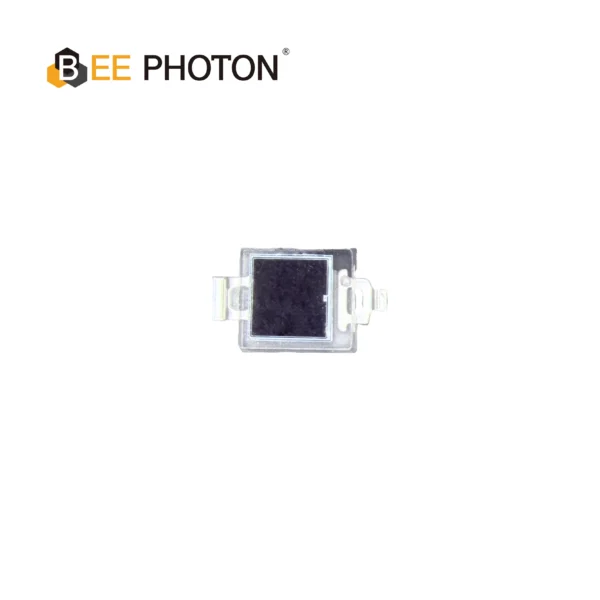
Si-PIN-Fotodiode Serie PDCP08 PDCP08-502
Die PDCP08-502 ist eine 2,9×2,8 mm große Silizium-PIN-Photodiode mit hohem Ansprechverhalten, die für fotoelektrische Präzisionsanwendungen entwickelt wurde. Mit niedriger Sperrschichtkapazität, niedrigem Dunkelstrom und einem breiten Spektralbereich (340-1100 nm) ist sie das ideale Bauteil für optische Schalter und kompakte Sensormodule, die eine stabile und schnelle Signalausgabe erfordern.
Häufig gestellte Fragen zu BPW34S-Alternativen
F1: Sind diese BPW34S-Alternativen zu 100 % pin-kompatibel?
Ja. Unsere Photodioden der Serie PDCP08 sind direkter physischer Ersatz. Sie verfügen über exakt denselben DIL-SMD-2-Pin-Gehäusetyp in der Draufsicht. Dies bedeutet, dass sie ohne jegliche Anpassungen an Ihrem Bestückungsprozess perfekt auf Ihren vorhandenen Leiterplatten-Lötpads ausgerichtet sind.
F2: Was ist der wichtigste elektrische Vorteil eines Upgrades vom BPW34S?
Der entscheidende Vorteil liegt beim Dunkelstrom. Der typische Dunkelstrom für eine Standard-BPW34S beträgt etwa 2000 pA (2 nA). Unsere modernen BPW34S-Alternativen (wie die PDCP08-502) senken diesen typischen Dunkelstrom auf 5 pA. Dies senkt Ihren Rauschgrund drastisch und sorgt für ein besseres Signal-Rausch-Verhältnis in Schwachlichtanwendungen.
Q3: Wie gehen diese BPW34S-Alternativen mit der thermischen Drift um?
Moderne Silizium-Fertigungstechniken bieten eine hervorragende thermische Stabilität. Der Temperaturkoeffizient des Dunkelstroms in unserer PDCP08-Serie ist äußerst präzise vorhersagbar. Da der ursprüngliche Dunkelstrom so niedrig ansetzt (5 pA bis 20 pA), bleibt der erhöhte Dunkelstrom selbst unter heißen Bedingungen in einer geschäftigen Produktionshalle weit unter dem Referenzwert älterer Vorgängersensoren.
Q4: Können wir kundenspezifische Anpassungen für diese BPW34S-Alternativen anfordern?
Absolut. Im Gegensatz zu großen, unflexiblen Distributoren sind wir ein Direkthersteller. Wenn Ihr Design eine kundenspezifische lichtempfindliche Fläche, ein spezielles Fenstermaterial oder maßgeschneiderte Pin-Konfigurationen erfordert, kann unser Engineering-Team diese anpassen, BPW34S-Alternativen um Ihren exakten Projektanforderungen zu entsprechen.
Bereit, Ihre Lieferkette für optische Sensoren zu sichern?
Wenn Sie lange Lieferzeiten, steigende Kosten und Verzögerungen in der Lieferkette bei Altteilen leid sind, ist es an der Zeit, auf hochwertige umzusteigen BPW34S-Alternativen.Die PDCP08-Serie von BeePhoton bietet eine exakte Drop-in-Footprint-Kompatibilität, eine weitaus überlegene Dunkelstrom-Performance sowie zuverlässige B2B-Lieferzeiten. Entlasten Sie Ihren Fertigungszeitplan. Besuchen Sie unsere Kontaktieren Sie uns Seite noch heute oder schreiben Sie uns direkt eine E-Mail an info@photo-detector.com um Ihre kostenlosen Entwicklungsmuster anzufordern und ein individuelles Angebot für Großmengen zu erhalten!