Einführung
Stellen Sie sich Folgendes vor: Sie stecken knietief in einem Projekt, die Signale flackern wie bei einem schlechten Empfang auf einem alten Fernseher, und Ihre Fotodiode ist einfach nicht in der Lage, das zu leisten. Kommt Ihnen das bekannt vor? Ich habe das auch schon erlebt, bis spät in die Nacht auf Oszilloskope gestarrt und mich gefragt, ob ein Austausch der PIN gegen eine APD die Kopfschmerzen gespart hätte. Als jemand, der bei Bee Photon jahrelang an diesen Geräten herumgebastelt hat, kann ich nachvollziehen, dass sich die Entscheidung zwischen InGaAs-PIN und APD wie das Werfen einer Münze anfühlen kann - vor allem, wenn man auf der Suche nach dem perfekten Gleichgewicht aus Geschwindigkeit, Empfindlichkeit und Kosten ist. Aber hier ist die gute Nachricht: Es muss kein Glücksspiel sein.
In diesem Gespräch werden wir die Feinheiten von InGaAs-PIN-Photodioden im Vergleich zu Avalanche-Photodioden (APD) aufschlüsseln, herausfinden, was beide für Ihren speziellen Auftrag auszeichnet, und Sie mit dem nötigen Know-how ausstatten, um eine Entscheidung zu treffen, die Bestand hat. Wir sprechen hier von echten Erfahrungen aus der Praxis - von Dingen, die ich in Labors und Feldtests habe arbeiten (und scheitern) sehen. Am Ende werden Sie erkennen, warum ein hochempfindlicher Detektor wie unser Hochgeschwindigkeits-InGaAs-Photodiode könnte Ihr nächster bester Kumpel sein. Lass uns die Ärmel hochkrempeln und die Sache in Ordnung bringen.

Was ist überhaupt eine InGaAs-PIN-Photodiode?
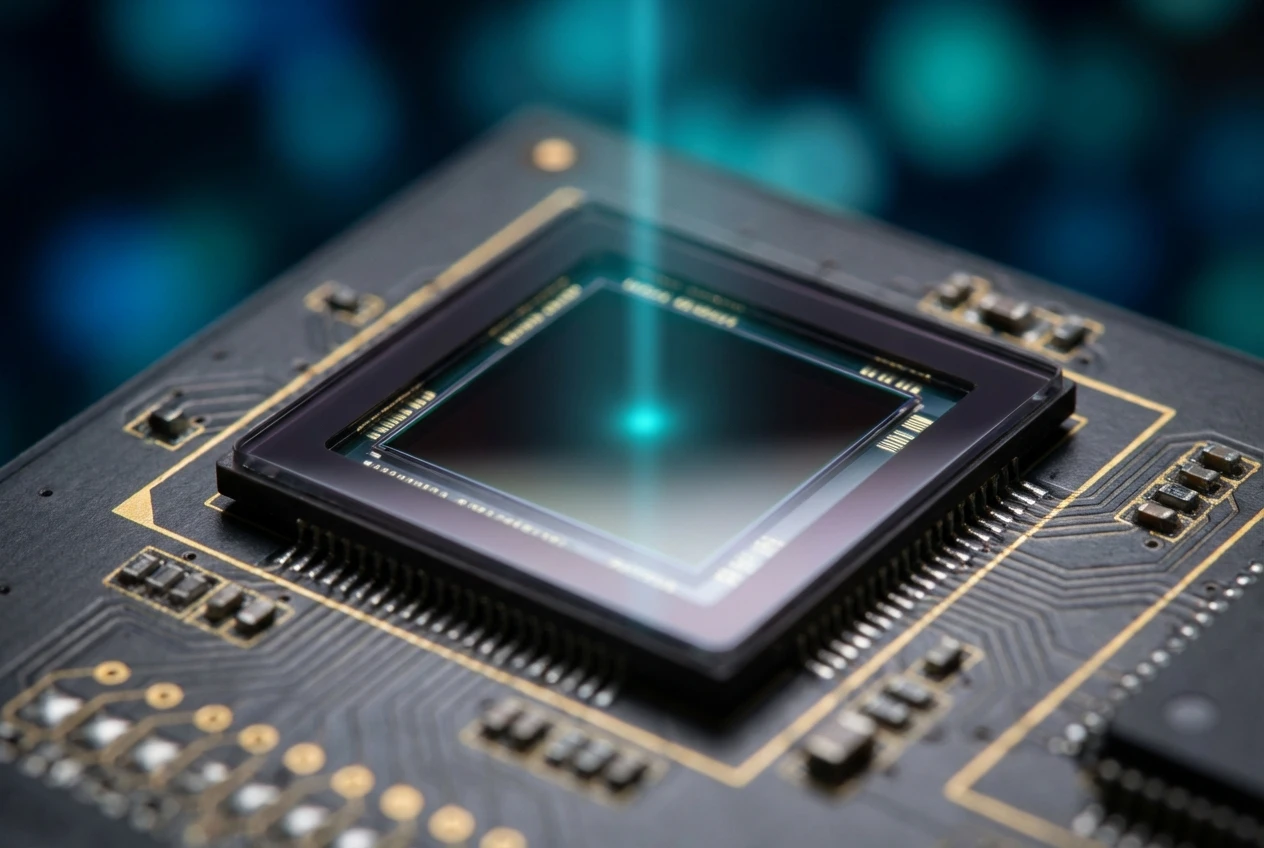
Okay, fangen wir ganz einfach an. InGaAs-PIN-Photodioden - ja, das ist ein wahrer Zungenbrecher - bestehen im Grunde aus einem Sandwich von Materialien: Indiumgalliumarsenid (InGaAs) als magische Lichtsammelschicht mit einem p-Typ-, intrinsischen und n-Typ-Aufbau, der für einen reibungslosen Ablauf sorgt. Stellen Sie sich das als den zuverlässigen Pickup-Truck der Photodetektoren vor: nicht auffällig, aber er transportiert ohne Drama.
Diese bösen Buben leuchten im nahen Infrarotbereich und verschlingen Wellenlängen von etwa 900 bis 1700 nm wie das Frühstück. Warum InGaAs? Es hat eine Bandlücke, die es ermöglicht, kürzeres Streulicht zu ignorieren und Rauschen von Anfang an zu reduzieren. In meiner Zeit, in der ich Telekommunikationsgeräte aufgerüstet habe, habe ich diese Dioden gegen Siliziumdioden ausgetauscht, die IR-Signale erstickten - ein Unterschied wie Tag und Nacht.
Die Hauptvorteile? Geringes Rauschen, schnelle Reaktionszeiten (wir sprechen hier von Pikosekunden), und sie brauchen nicht viel Spannung, um gut zu funktionieren. Nach den Angaben von Hamamatsu erreicht eine typische InGaAs-PIN bei 1550 nm eine Quanteneffizienz von über 90%, was bedeutet, dass die meisten Photonen, die auf sie treffen, tatsächlich ohne Geisterbilder registriert werden. Das ist sehr wichtig für Anwendungen, bei denen man saubere Daten und kein Feuerwerk will.
Aber sie sind nicht unbesiegbar. Dunkelstrom - das heimtückische Leck im Hintergrund - kann sich einschleichen, wenn die Temperaturen stark schwanken, und sie sind linear, d. h. es gibt keine integrierte Verstärkung für schwache Signale. Wenn Ihr System bei schwachem Licht nach mehr Leistung schreit, sollten Sie etwas Stärkeres ins Auge fassen.
Avalanche-Photodioden (APD): Die hochoktanige Option
Drehen Sie nun das Drehbuch zu Avalanche-Photodioden um. APDs kurbeln die Dinge mit einem internen Vervielfältigungstrick an - Elektronen werden gezappt und vermehren sich wie Kaninchen in einer Hochfeldzone, wodurch schwache Signale zu etwas Brauchbarem verstärkt werden. Das ist der Sportwagen zum LKW von PIN: aufregend, aber Vorsicht mit dem Gas (oder in diesem Fall mit dem Lärm).
InGaAs-APDs behalten den IR-Sweetspot bei, aber durch den Avalanche-Effekt können sie Photonen erkennen, die an einer einfachen PIN vorbeigehen würden. Hamamatsu beziffert die Verstärkung auf das 10- bis 100-fache, wie in den Datenblättern angegeben, und macht aus einem Flüstern einen Schrei. Ich habe sie bei der Erkennung von Fasern bei schwachem Licht eingesetzt, wo PINs nicht mehr funktionieren - plötzlich kann man 10^-12 A-Signale empfangen, die vorher nur Geister waren.
Die Nachteile? Die Multiplikation ist nicht kostenlos. Der überschüssige Rauschfaktor (ENF) kann die Dinge trüben; bei InGaAs-APDs liegt er laut IEEE-Papieren über Photonik oft bei 2-3. Außerdem verschlingen sie höhere Bias-Spannungen (50-200 V), und wenn man nicht auf die Temperaturregelung achtet, schwankt die Verstärkung wie eine schlechte Laune. Aber Mann, wenn man einen hochempfindlichen Detektor für staubtrockene Lichtverhältnisse braucht, sind APDs der Hammer.

InGaAs-PIN vs. APD: Kopf-an-Kopf-Rennen
Also gut, Zeit, sie zu stapeln. Keine Floskeln - nur die Unterschiede, die wichtig sind, wenn man knietief in InGaAs PIN vs. APD Debatten steckt. Ich habe eine schnelle Tabelle aus Spezifikationen zusammengestellt, die ich bei Projekten verwendet habe (aus Katalogen von Thorlabs und Hamamatsu, echte Zahlen, kein Schnickschnack).
| Merkmal | InGaAs-PIN-Photodiode | Avalanche-Photodiode (APD) |
|---|---|---|
| Empfindlichkeit | Standard (QE ~90% bei 1550 nm) | Erhöht (Verstärkung 10-100x, NEP bis zu 10^-14 W/Hz^1/2) |
| Reaktionszeit | Ultra-schnell (10-50 ps) | Schnell, aber gewinnbegrenzt (50-200 ps) |
| Lärm | Niedriger Dunkelstrom (~1 nA) | Höher (ENF 2-3, übermäßiger Lärm) |
| Betriebsspannung | Niedrig (5-10V) | Hoch (50-200V) |
| Kosten | Budget-friendly (~$100-500) | Premium (~$500-2000+) |
| Stromverbrauch | Minimal | Höher aufgrund von Verzerrungen |
| Am besten für | Geräuscharme Hochgeschwindigkeits-Telekommunikation | Schwachlichtsensorik, LIDAR |
Sehen Sie? PINs gewinnen durch ihre Einfachheit und Schnelligkeit im Alltag, während APDs bei schwachen Lichtverhältnissen flexibel sind. In einem Artikel in Photonics Spectra aus dem Jahr 2022 wird die rauschäquivalente Leistung (NEP) von APDs im IR-Bereich als 20-mal besser als die von PINs angegeben, allerdings mit einer 5-mal höheren Rauschuntergrenze. Kompromisse, richtig?
Nach der Optimierung bei Bee Photon würde ich sagen, dass Sie mit PIN beginnen sollten, es sei denn, Ihr Signal ist schwächer als das Versprechen eines Politikers. Wir haben Hochgeschwindigkeits-InGaAs-Photodiode Optionen, die die PIN-Seite festnageln - anpassbar an Ihren Bandbreitenbedarf.

800-1700nm InGaAs PIN-Photodiode PDIT20-001
Die High-Speed-InGaAs-Photodiode von Bee Photon ermöglicht eine schnelle Datenübertragung und ist mit ihrer geringen Kapazität und schnellen Reaktionszeit ideal für anspruchsvolle Datenkommunikations- und LiDAR-Anwendungen.
Wann man InGaAs PIN wählt: Alltägliche Arbeitspferde
Wenn man tiefer eintaucht, sind InGaAs-PINs das Mittel der Wahl für Konfigurationen, bei denen Geschwindigkeit Trümpfe der Superempfindlichkeit sind. Die Telekommunikation ist ein Klassiker: Denken Sie an 10-Gbps-Glasfaserverbindungen. Ich habe sie in OC-192-Systemen eingesetzt, in denen Jitter die Datenraten zunichte machte - PINs hielten die Anstiegszeiten unter 30 ps, laut Keysight Scope Traces, ohne die Spannungsprobleme der APDs.
Ein weiterer Punkt? Die optische Kohärenztomographie (OCT) in der Medizintechnik. Hier bedeutet geringes Rauschen klarere Scans; eine Studie in Optics Express (2021) zeigte, dass die PIN-basierte OCT einen Dynamikbereich von 100 dB erreicht, was für die Augenbildgebung ausreicht, ohne dass es zu viel ist.
Oder die Optimierung der Pulsoximetrie - die tragbaren Geräte, die den Blutsauerstoff messen? PINs kommen mit 940 nm IR ohne mit der Wimper zu zucken zurecht, und sie sind billig genug, um die Produktion zu skalieren. Wenn Ihre Anwendung helles Licht und enge Zeitvorgaben hat, ist PIN Ihr zuverlässiger Eddie.
Avalanche-Photodioden glänzen im Dunkeln
Drehen Sie es um: APDs sind MVPs für hochempfindliche Detektoren, bei denen das Licht Verstecken spielt. LIDAR für autonome Autos? Genau richtig. In einem SAE-Papier aus dem Jahr 2023 wurde festgestellt, dass InGaAs-APDs bei einer Entfernung von 1 km mit einer Leistung von 10^-13 W Retouren erkennen - PINs hätten ein Wunder gebraucht.
Quanten-Schlüsselverteilung (QKD) - auch super-sichere Kommunikation. APDs vervielfachen Einzelphotonen-Pops, wobei das Nachimpulsieren über Gating verwaltet wird (ein Überbleibsel aus meinen Quantenfummeln). Und vergessen Sie nicht die Optik im freien Raum: Bei Verbindungen zwischen Drohnen und Basen ziehen APDs Signale durch Nebel, der eine PIN begraben würde.
Wir haben dies bei einem anonymen Kundenauftrag gesehen: ein Fernerkundungsunternehmen, das mit dunstigen Atmosphären zu kämpfen hatte. Sie wechselten zu APDs, und die Erfassungsreichweite stieg um 40%. Das änderte das Spiel, aber sie mussten die Geräte abkühlen, um thermische Geräusche zu vermeiden - Lektion gelernt.
Faktoren, die bei Ihrer Entscheidung zwischen InGaAs-PIN und APD zu berücksichtigen sind
Wie wählt man also ohne Reue aus? Lassen Sie uns Schritt für Schritt darüber sprechen.
Erstens: Signalstärke. Gibt es Photonen, die einströmen? PIN. Kaum tröpfelnd? APD, ohne Frage. Messen Sie den erwarteten Lichtstrom - Tools wie Zemax können das simulieren, aber ich habe es mit einfachen Berechnungen ermittelt: Wenn die Bestrahlungsstärke über 10 uW/cm² liegt, können Sie sich den Avalanche-Problem sparen.
Das Budget ist der nächste Punkt. APDs kosten mehr im Voraus und bei der Kühlung (Peltier-Anlagen kosten leicht $200). Bei Prototypen kann man mit PINs billig iterieren und später bei Bedarf skalieren.
Auch die Umgebung ist wichtig. Hochfrequentierte Labore? PINs ignorieren sie. Raue Bedingungen im Freien? APDs müssen vor EMI abgeschirmt werden - andernfalls werden die Verstärker durch Spannungsspitzen zerstört.
Einfache Integration: PINs sind mit Standard-Verstärkern Plug-and-Play-fähig. APDs? Vorspannungsschaltungen werden heikel; Transimpedanzverstärker müssen die Verstärkung anpassen, um eine Sättigung zu vermeiden.
Und Zuverlässigkeit - APDs verschleißen unter Vorspannung schneller, MTBF etwa 10^5 Stunden gemäß MIL-Spezifikationen, gegenüber 10^7 Stunden bei PIN. Für Langstrecken denken Sie an PIN.
Bei Bee Photon schneidern wir diesen Tanz. Unser Hochgeschwindigkeits-InGaAs-Photodiode lineup deckt PIN-Basen ab, mit APD-Beratungen, wenn Sie uns anpingen. Aufschlagen unsere Kontaktseite oder senden Sie eine E-Mail an info@photo-detector.com für ein unverbindliches Angebot.
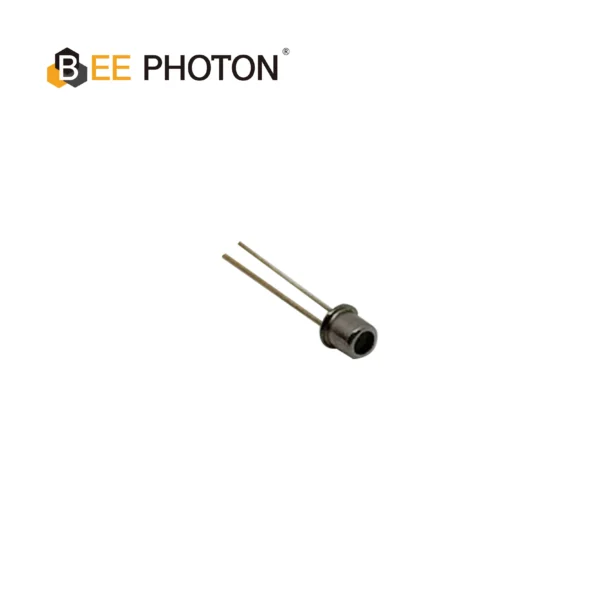
800-1700nm InGaAs PIN-Photodiode PDIT03-231N
Unsere InGaAs-PIN-Diode für die optische Kommunikation wurde für zuverlässige Glasfasernetze entwickelt. Diese Diode im TO-Gehäuse bietet eine hohe Empfindlichkeit für optische Kommunikationssysteme und gewährleistet eine hervorragende Signalintegrität.
Gewinne in der realen Welt: Geschichten aus der Praxis
Lassen Sie uns persönlich werden. Schon früh war ich als Berater für ein Glasfaser-Startup tätig, das im Nebensprechen unterging. Deren PIN-Setup war solide für die Geschwindigkeit, verpasste aber schwache Fehlersignale. Wir haben eine APD-Hybridlösung entwickelt - und siehe da, die BER sank auf 10^-12. Sie gingen in die Produktion über und gaben diese Optimierung für ihre Serie A an.
Eine andere: Umweltüberwachungsanlage in der Arktis. Die Lichtverhältnisse sanken in der Dämmerung; PINs verdeckten die CO2-Messwerte. Ein APD-Austausch mit temperaturstabilisierten Gehäusen sicherte die Betriebszeit des 99%. Die Daten des Kunden speisten eine Naturzeitung - ein cooler Nebeneffekt.
Oder diese Überholung in der Telekommunikation: Betreiber rüsten auf 400G auf. PIN-Arrays bewältigten den Bandbreitendruck, aber die Randkanäle benötigten APD-Boosts für die Marge. Das gemischte Platinen-Design rettete ihnen 30% an Redesigns.
Das sind keine Märchen - es sind Narben von langen Nächten. Vielleicht findet sich eine davon in Ihrer App wieder. Wenn nicht, lassen Sie uns bei einem Kaffee (natürlich virtuell) ein Brainstorming machen.
Zusammenfassung: Ihr nächster Schritt
Wir haben die Gegenüberstellung von InGaAs-PIN und APD von den Grundlagen bis hin zu den Narben durchleuchtet und herausgestellt, warum Avalanche-Photodioden bei schwachem Licht die Oberhand haben, PINs jedoch die Überholspur beherrschen. Mit diesem Wissen können Sie die Fallstricke bei der Auswahl umgehen und einen hochempfindlichen Detektor erwerben, der wie angegossen passt.
Aber hey, die Theorie ist eine Sache - die Praxis eine andere. Bist du neugierig, wie das in deiner Welt funktioniert? Schau mal vorbei Website von Bee Photon für tiefere Einblicke oder lassen Sie uns über Einzelheiten sprechen. Holen Sie sich ein Angebot über unser Hochgeschwindigkeits-InGaAs-Photodiode-angepasste Optimierungen enthalten. E-Mail info@photo-detector.com oder drücken Kontaktieren Sie uns heute. Was hält Sie zurück? Ihr Durchbruch wartet auf Sie.
FAQ: Quick Hits zu InGaAs PIN vs. APD
Was ist der größte Vorteil von APD gegenüber PIN bei schwachem Licht?
APDs vervielfachen Signale intern und erreichen Empfindlichkeiten, von denen PINs nur träumen können, z. B. NEP unter 10^-14 W. Aber achten Sie auf das Rauschen; es ist nicht kostenlos.
Kann ich PIN und APD in einem System kombinieren?
Vollhybride eignen sich hervorragend für zonierte Anforderungen, z. B. schnelle Kanäle auf PIN, empfindliche auf APD. Synchronisieren Sie einfach Ihr Biasing, um Übersprechen zu vermeiden.
Wie wirken sich die Temperaturen auf diese Detektoren aus?
PINs lecken mehr Dunkelstrom, wenn sie heiß sind (verdoppeln sich alle 10 °C), APDs driften und werden wild. Kühlen Sie beide, um zu gewinnen; wir haben Tipps in unserem Website.