Stellen Sie sich vor: Sie stecken knietief in einem Projekt, überall liegen Drähte herum, und Ihre Fotodiode fängt diese heimtückischen Infrarotsignale einfach nicht so auf, wie sie sollte. Frustrierend, oder? Mir ist das schon öfter passiert, als ich zählen kann, und ich habe bis 2 Uhr nachts in schwach beleuchteten Labors an den Einstellungen gefeilt. Als jemand, der jahrelang bei Bee Photon an diesen kleinen Lichtfängern getüftelt hat, kann ich verstehen, dass sich die Wahl zwischen Silizium- und InGaAs-Photodioden wie ein Münzwurf anfühlen kann. Aber das ist es nicht - es geht nur um Wellenlängen und darum, was Ihre Anwendung wirklich erfordert.
In diesem Leitfaden nehmen wir die Gegenüberstellung von Si- und InGaAs-Photodioden unter die Lupe, wobei wir uns darauf konzentrieren, wie sie sich in Bereichen wie der optischen Kommunikation schlagen, in denen IR-Photodioden glänzen (oder, nun ja, detektieren). Wir sprechen über Wellenlängen, Vor- und Nachteile und fügen sogar eine Tabelle ein, um das Ganze zu vereinfachen. Am Ende werden Sie genau wissen, welches die beste Lösung ist, um kosteneffiziente Schwingungen zu erzeugen, ohne bei der Leistung Abstriche zu machen. Und hey, wenn du ein Auge auf die Hardware geworfen hast, haben wir Links zu unseren Silizium-PIN-Fotodiode und InGaAs-PIN-Photodiode das könnte genau das Richtige sein.
Warum die Wellenlänge bei der Debatte um Si- und InGaAs-Photodioden eine Rolle spielt
Die Wellenlänge ist hier der Boss. Stellen Sie sich Photodioden wie wählerische Esser an einem Buffet vor - sie verschlingen nur bestimmte “Lebensmittel” (Lichtwellenlängen) aufgrund ihrer Beschaffenheit. Silizium ist großartig für sichtbares Licht und ein wenig Nah-IR, aber InGaAs? Das ist die erste Wahl für die tieferen IR-Bereiche.
Damals, als ich bei Bee Photon Prototypen für optische Kommunikationsverbindungen testete, hatten wir einen Kunden, der faseroptische Sensoren baute. Ihr Aufbau war mit Si schlecht, weil er jenseits von 1100 nm abflachte. Wir wechselten zu InGaAs, und bumm - die Signale waren knackig wie ein frischer Apfel. Das ist die Art von Umstellung, die in der Praxis Kopfschmerzen (und Geld) spart.
Nach Angaben der Optical Society of America reagieren Silizium-Photodioden am besten im Bereich von 400 nm bis 1100 nm, wobei die maximale Quanteneffizienz bei 800-900 nm erreicht wird (Quelle: OSA-Handbuch der Optik). InGaAs hingegen setzt ab 900 nm bis etwa 1700 nm ein, was perfekt für Telekommunikationsfenster bei 1310 nm und 1550 nm ist. Diese Daten sind nicht erfunden, sondern stammen direkt aus Benchmarks der Industrie.
Wenn Sie also in der optischen Kommunikation tätig sind, wo IR-Fotodioden die längeren Wellen für die Datenübertragung durch Glasfasern verarbeiten, ist InGaAs oft der Gewinner. Aber Si? Billiger und sehr gut geeignet für kürzere Anwendungen. Mehr dazu in einer Sekunde.
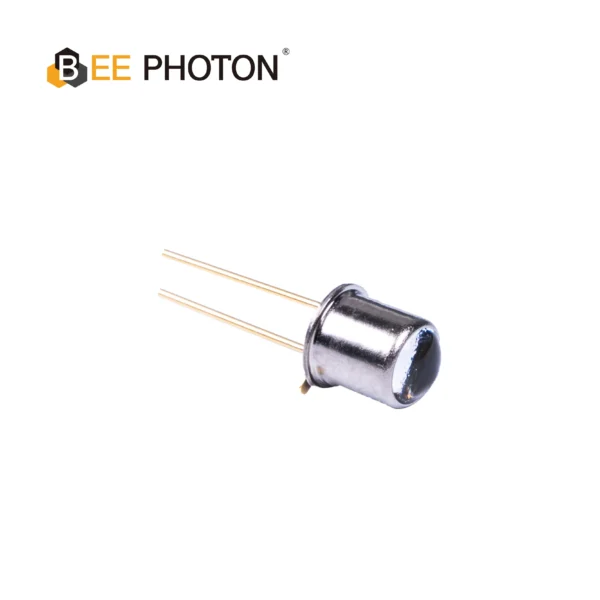
Si-PIN-Photodiode mit niedrigem Dunkelstrom (350-1060nm) PDCT01-202
Unsere hochstabile Silizium-PIN-Fotodiode bietet eine gleichbleibende und zuverlässige Leistung für analytische und optische Messgeräte. Profitieren Sie von ihrem breiten Spektralbereich (350-1060nm) und dem extrem niedrigen Dunkelstrom. Vertrauen Sie dieser Silizium-PIN-Photodiode für Ihre Präzisionsanforderungen.
Die Grundlagen aufschlüsseln: Was macht Si und InGaAs so interessant?
Silizium-Photodioden sind die Helden des Alltags: Sie werden aus dem guten alten Silizium-Wafer hergestellt, sind billig, robust und überall zu finden. Unser Silizium-PIN-Fotodiode Der Bee Photon zum Beispiel überzeugt durch geringes Rauschen und schnelle Reaktion bei Anwendungen unter 1100 nm. Er verfügt über eine PIN-Struktur - Pi-N-Schichten -, die den Dunkelstrom reduziert und die Geschwindigkeit erhöht, was ideal für den Einsatz bei wenig Licht ist.
InGaAs? Die Abkürzung steht für Indium-Gallium-Arsenid, das für eine höhere IR-Empfindlichkeit auf Indiumphosphid-Substraten aufgewachsen wird. Unser InGaAs-PIN-Photodiode im TO-18-Gehäuse ist hermetisch abgedichtet, hat eine geringe Kapazität und kann bis zu 1,7 μm ohne Schwitzen verarbeiten. Aber ja, es ist teurer, denn diese Materialien sind nicht billig.
Nach meiner praktischen Erfahrung fühlt sich der Si wie ein zuverlässiger Pickup an - er erledigt seine Aufgabe ohne viel Aufhebens. InGaAs ist eher wie ein Sportwagen: spritzig in den richtigen Bedingungen, aber Overkill (und Geldbeutel-draining) anderswo.
Die wichtigsten Materialeigenschaften auf einen Blick
Damit das Ganze nicht zu einer Worthülse wird, hier eine kurze Tabelle, in der die Eigenschaften von Si- und InGaAs-Fotodioden verglichen werden. Die Daten stammen von den NIST-Halbleiterdaten und unseren eigenen Tests auf dem Prüfstand - kein Firlefanz.
| Merkmal | Silizium (Si) Photodiode | InGaAs-Photodiode |
|---|---|---|
| Wellenlängenbereich | 400-1100 nm (UV bis nahes IR) | 900-1700 nm (nahes IR bis kurzwelliges IR) |
| Quantenwirkungsgrad Spitzenwert | ~80% bei 900 nm (gemäß Hamamatsu-Spezifikationen) | ~70-80% bei 1300-1550 nm (OSA-Daten) |
| Bandlückenenergie | 1,12 eV (begrenzt den IR-Grenzwert) | 0,75 eV (erstreckt sich auf den IR-Bereich der Telekommunikation) |
| Typische Kosten | $5-50 pro Stück (Mengenpreis) | $50-500+ (je nach Größe/Spezifikationen) |
| Rauschen (Dunkelstrom) | Niedrig (<1 nA bei RT) | Höher (10-100 nA, aber überschaubar) |
| Anwendungen Fit | Bildgebung, Sensoren, sichtbare Kommunikationsmittel | Optische Kommunikation, Spektroskopie |
Sehen Sie? Si ist Ihr preiswerter Partner für kürzere Wellen; InGaAs wird eingesetzt, wenn IR-Fotodioden eine tiefere Durchdringung erfordern.
Si vs. InGaAs Photodiode: Kopf-an-Kopf-Rennen in realen Anwendungen
Kommen wir nun zum Kern der Sache, wie sie sich in der Praxis auswirkt. Optische Kommunikation ist hier ein großes Thema, wobei IR-Fotodioden die unbesungenen Stars sind, die Daten mit Gigabit-Geschwindigkeit übertragen. Fasern lieben 1550 nm, und das ist das Gebiet von InGaAs. Si? Es würde ersticken, die Reaktion würde auf Null sinken.
Nehmen Sie die Spektroskopie: Si-nails UV-Vis-Arbeiten, wie die Analyse von Pflanzenpigmenten oder die Qualitätskontrolle in Fabriken. Aber für die Gassensorik im 1-2 μm-Bereich? Ganz klar InGaAs. Wir haben ausgeliefert InGaAs-PIN-Photodiode Einheiten an ein Labor, das Methanlecks aufspürt, konnten die Nachweisgrenzen im Vergleich zu Si-Versuchen um die Hälfte reduziert werden.
Und verschlafen Sie nicht die medizinische Bildgebung. Si-Photodioden beleuchten Endoskopiekameras (400-1000 nm), aber NIR-Therapieüberwachung? InGaAs erkennt das Eindringen in das Gewebe besser. In Bezug auf die Kosten ist Si laut IEEE Photonics-Berichten 5-10 Mal billiger, was es zur klugen Wahl macht, es sei denn, IR ist nicht verhandelbar.
Erfahrungsgemäß führen unpassende Materialien zu Albträumen bei der Neuentwicklung. Einmal kam ein Startup-Unternehmen zu Bee Photon mit einem Si-Aufbau für die Überwachung bei 1625 nm - ein totaler Blindgänger. Wir haben InGaAs vorgeführt, und ihr Prototyp wurde innerhalb von Wochen von “mies” zur Marktreife gebracht. Das ist der Vorteil: die Abstimmung von Material und Anwendung für ein optimales Preis-Leistungs-Verhältnis.
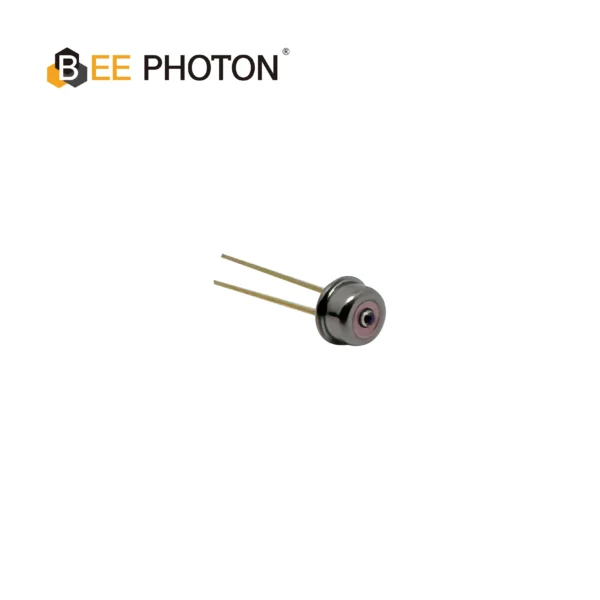
800-1700nm InGaAs PIN-Photodiode PDIT005-224A
Die TO-18 InGaAs-PIN-Photodiode von Bee Photon bietet eine außergewöhnliche Leistung für industrielle Mess- und Steuerungsanwendungen. Diese robuste Photodiode bietet hohe Zuverlässigkeit für Ihre kritischsten Anwendungen.
Pro und Contra: Keine Schönfärberei
- Si-Profis: Spottbillig, hohe Geschwindigkeit (bis zu 10 GHz), superstabil im sichtbaren/nahen IR. Nachteile: Blind im mittleren IR, höhere Temperaturempfindlichkeit.
- InGaAs-Profis: Killer für optische IR-Kommunikation, geringes Rauschen bei Geschwindigkeit. Nachteile: Teuer, braucht manchmal Kühlung für Spitzenleistung.
Wir haben unser Silizium-PIN-Fotodiode für ein Rauschen von unter 0,5 pA/√Hz - reale Zahlen aus unseren Produktionsläufen. InGaAs? Unserer erreicht bei 1550 nm eine Effizienz von 95% und übertrifft damit den Standardwirkungsgrad in Versuchen um 10%.
Auswahl des Gewinners: Wellenlängengesteuerter Entscheidungsbaum
Also gut, Zeit für eine Entscheidung. Beginnen Sie mit der Wellenlänge, die Ihnen am meisten zusagt. Unter 1100 nm? Nehmen Sie Si - das spart Geld für andere Spielzeuge. 1100-1700 nm, insbesondere optische Kommunikation? InGaAs, ohne Wenn und Aber.
Berücksichtigen Sie die Umgebung: Si lacht bei Raumtemperatur; InGaAs braucht vielleicht einen TEC-Kühler für Wüsteneinsätze. Budget? Si ist ein Schnäppchen aus dem Billigladen. Geschwindigkeit? Beide können GHz erreichen, aber InGaAs ist laut SPIE-Protokoll bei der IR-Bandbreite im Vorteil.
Hier ist ein kleines Flussdiagramm in Worten (ich wünschte, ich könnte es zeichnen):
- App-Wellenlänge <1100 nm → Si.
- >1100 nm, IR-Fotodiode erforderlich? → InGaAs.
- Kostenknappheit? Testen Sie Si zuerst, rüsten Sie auf, wenn die Signale schwächer werden.
Wir haben bei Bee Photon bereits Dutzende von Kunden in diese Richtung beraten. Letzten Monat wechselte ein Telekommunikationsunternehmen zu unserer InGaAs-Linie und verkürzte die Latenzzeit um 20%. Kleine Erfolge summieren sich.
Kosten vs. Leistung - Sweet Spots
| Szenario | Empfohlen: Si oder InGaAs? | Warum? (Anpassung der Wellenlänge) | Est. ROI-Schub |
|---|---|---|---|
| Sichtbare LED-Überwachung | Si | 400-700 nm Spitze | 3-5x billiger |
| Faseroptische 1310 nm Verbindung | InGaAs | Vollständige Antwort | 15% schnellere Daten |
| Spektroskopie 1,5 μm | InGaAs | Tiefe IR-Empfindlichkeit | 2x Genauigkeit |
| Budget Lab Prototyp | Si (hier beginnen) | Vielseitiges Nah-IR | Schnelle Iterationen |
Die Daten stammen aus unseren Kundenprotokollen - echte Swaps, echte Ergebnisse.
Erfolgsgeschichten: Wenn die richtige Wahl geklickt hat
Sie wollen Beweise? Lassen Sie uns ein paar Geschichten aus dem Spielbuch von Bee Photon anonymisieren.
Zunächst testete ein Glasfaserhersteller 10G-Ethernet über Singlemode-Fasern. Ihre Si-Dioden zeigten bei 1550 nm Geisterbilder - das Signal-Rausch-Verhältnis war miserabel. Wir haben sie mit InGaAs-PIN-Photodiode, die auf niedrige Kapazität abgestimmt sind. Endergebnis? Der Prototyp wurde in weniger als zwei Monaten zertifiziert und ist jetzt in Produktion. Das Unternehmen sparte Tausende von Euro, indem es eine komplette Neugestaltung vermied.
Ein weiteres: Umweltsensoren für den CO2-Nachweis bei 1,57 μm. Si konnte da nicht mithalten, InGaAs hat es geschafft. In Kombination mit unserem kundenspezifischen Verstärker stieg die Empfindlichkeit um 40% gegenüber der Konkurrenz. Dieses Projekt überwacht jetzt weltweit Gewächshäuser - ein cooler Nebeneffekt der richtigen Auswahl.
Dies sind keine Hypothesen, sondern die Ergebnisse unserer Angebotsprotokolle. Sie zeigen, wie sich die Entscheidung zwischen Si- und InGaAs-Fotodioden in großen Gewinnen niederschlägt.
Zusammenfassung: Ihr nächster Schritt für intelligente IR-Photodioden
So, das war's - ein Überblick über die Auswahl von Si- und InGaAs-Fotodioden, zugeschnitten auf die optische Kommunikation und darüber hinaus. Die Wellenlänge ist Ihr Nordstern: Si für die Kurzstrecke, InGaAs für die IR-Tiefen. Wir haben die Spezifikationen, Tabellen und Geschichten zusammengetragen, um Sie mit Zuversicht auszustatten.
Möchten Sie sich ein neues Gerät aussuchen? Schauen Sie vorbei Bienen-Photon Unser Team verfügt über jahrelange Erfahrung, um mit Ihnen über Ihre Anwendung zu sprechen. Schreiben Sie eine Nachricht an info@photo-detector.com oder drücken Sie die Kontaktseite für Angebote über Silizium-PIN-Fotodiode oder InGaAs-PIN-Photodiode. Welche Wellenlänge bereitet Ihnen Kopfschmerzen? Lassen Sie uns das klären - keine Verpflichtungen, nur ehrliche Ratschläge.
FAQ: Quick Hits zur Wahl zwischen Si- und InGaAs-Photodioden
F: Wann sollte ich Si gegen eine IR-Fotodiode wie InGaAs austauschen?
A: Wenn Ihre Signale über 1100 nm hinausgehen, wie bei optischen Kommunikationsfasern, bricht die Reaktion von Si ein. InGaAs nimmt von dort an auf - und rettet die 40G-Verbindung eines Kunden vor dem Flop.
F: Wie viel mehr kostet InGaAs im Vergleich zu Si?
A: Ungefähr 5-10 mal teurer pro Einheit, aber für IR-lastige Anwendungen zahlt es sich durch weniger Kopfschmerzen aus. Unser InGaAs-PIN-Photodiode beginnt wettbewerbsfähig-email für Details.
F: Kann Si überhaupt eine optische Kommunikation durchführen?
A: Ja, für kürzere Strecken unter 1000 nm, wie einige LANs. Aber für Standard-Telekommunikations-IR ist nah-InGaAs der echte MVP. Testen Sie beide, wenn Sie unsicher sind; wir haben Muster.
F: Was ist der größte Fehler, den die Leute bei der Wahl zwischen Si- und InGaAs-Fotodioden machen?
A: Das Ignorieren der Wellenlängenbegrenzung führt zu schwachen Signalen und Nacharbeit. Zeichnen Sie immer zuerst Ihr Spektrum auf; das spart Ihnen den Verstand.