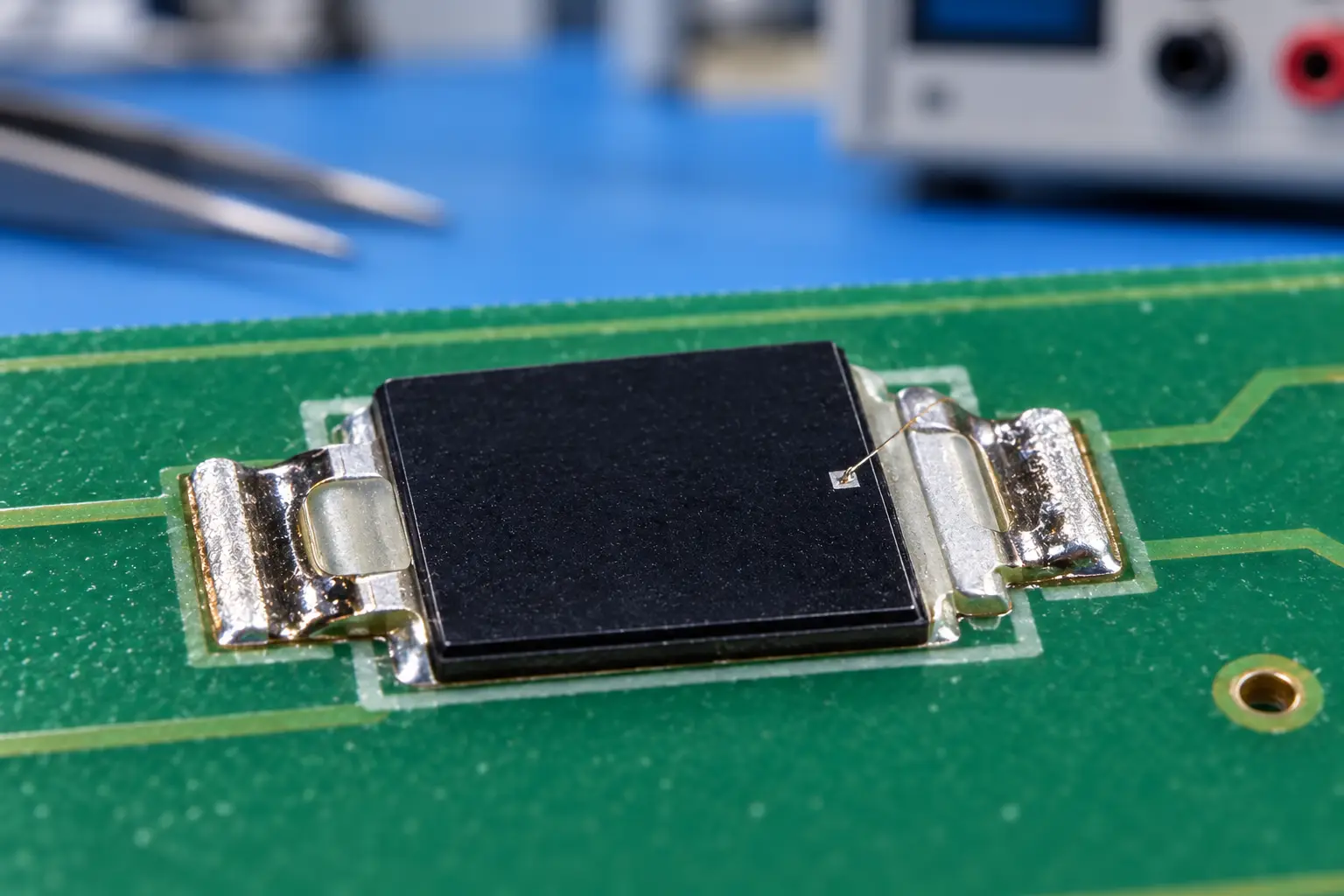
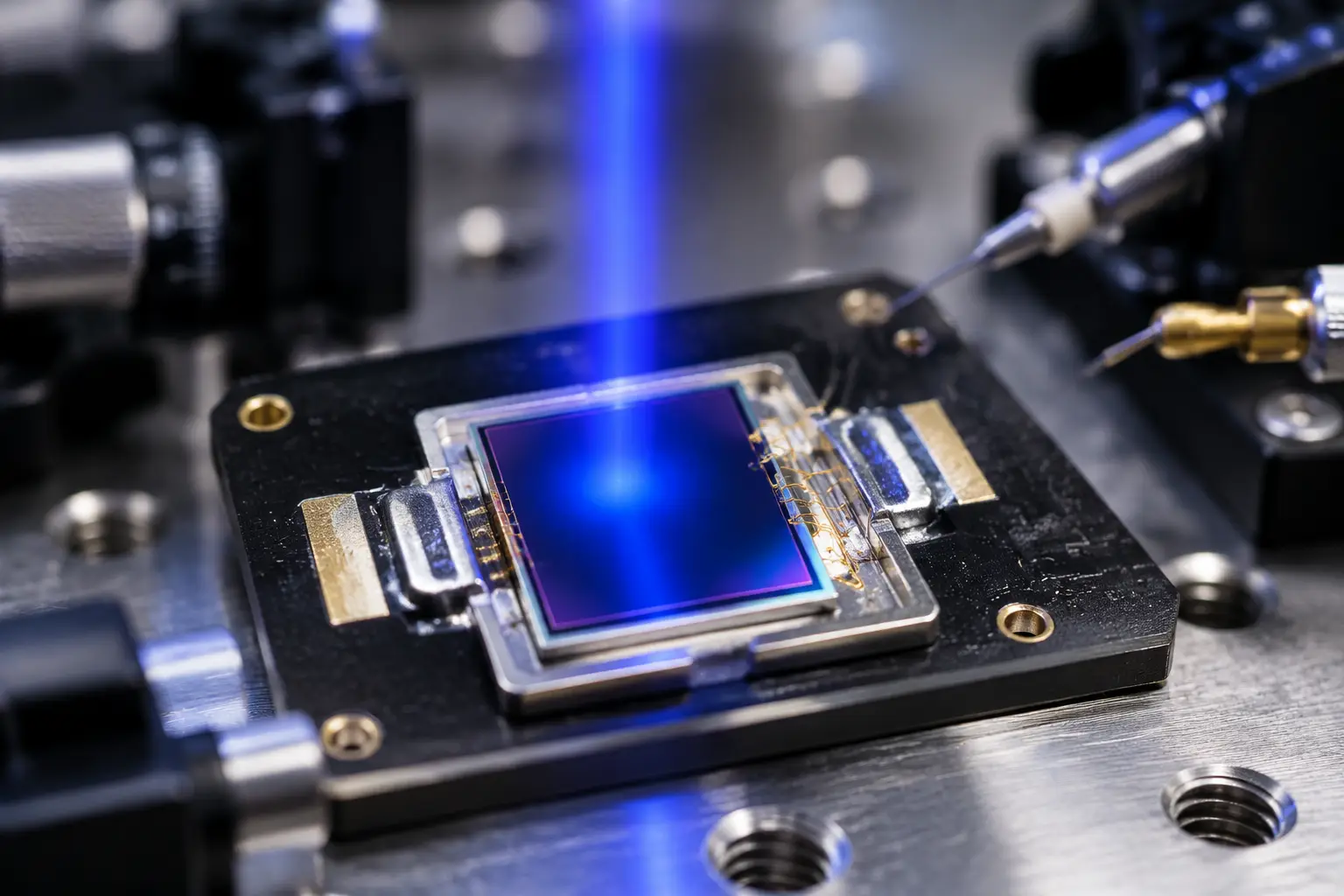
Bien, imagínate esto: estás mirando una fragua ardiente en una instalación industrial y, de algún modo, sin tocar nada, das con la temperatura exacta. Parece ciencia ficción, ¿verdad? Pero así es el día a día de la gente que utiliza detectores de dos colores. Llevo años metido de lleno en la fotónica en Bee Photon, ajustando estos artilugios para clientes que necesitan lecturas precisas en lugares sucios y con altas temperaturas. Nada de palabrería, sólo explicaciones directas sobre cómo funcionan estos aparatos, por qué son mejores que los monocolor y qué los convierte en un elemento revolucionario para su próximo proyecto. Si estás aquí para familiarizarte con los fundamentos técnicos, quédate. Hablaremos sin prisas, contaremos algunas historias reales (con los nombres cambiados, por supuesto) y, al final, entenderás por qué hacerte con un Detector bicolor personalizado de nosotros podría resolver ese quebradero de cabeza de las mediciones.
¿Qué es un detector bicolor?
Empecemos por lo sencillo, porque a nadie le gusta sumergirse en la jerga de buenas a primeras. ¿Un detector de dos colores? Básicamente, se trata de un sensor inteligente que detecta el calor en dos ’colores“ diferentes de luz (longitudes de onda infrarrojas) para determinar la temperatura sin necesidad de hacer conjeturas. A diferencia del termómetro básico, que necesita contacto directo (y buena suerte con eso en una placa de metal fundido), este chico malo funciona desde lejos, utilizando la radiación para revelar lo que está caliente y lo que no.
Recuerdo mi primera actuación con uno de estos en los primeros días de Bee Photon. Estábamos ayudando a un pequeño taller metalúrgico que seguía quemando lotes porque sus viejos sensores no podían soportar el vapor y el polvo. Instalamos una configuración de dos colores y las lecturas se estabilizaron de la noche a la mañana. Ese es el tipo de victoria en el mundo real que te engancha.
En esencia, se basa en cómo brillan las cosas calientes. Todo lo que está por encima del cero absoluto emite luz infrarroja, y cuanto más caliente está, más brillante y “cambiante” es ese resplandor. Un detector de dos colores capta dos puntos de ese espectro, los compara y voilá: aparece la temperatura, sin importar la emisividad. ¿Emisividad? Es el grado de ’brillo“ u ”opacidad“ que tiene una superficie para reflejar el calor.
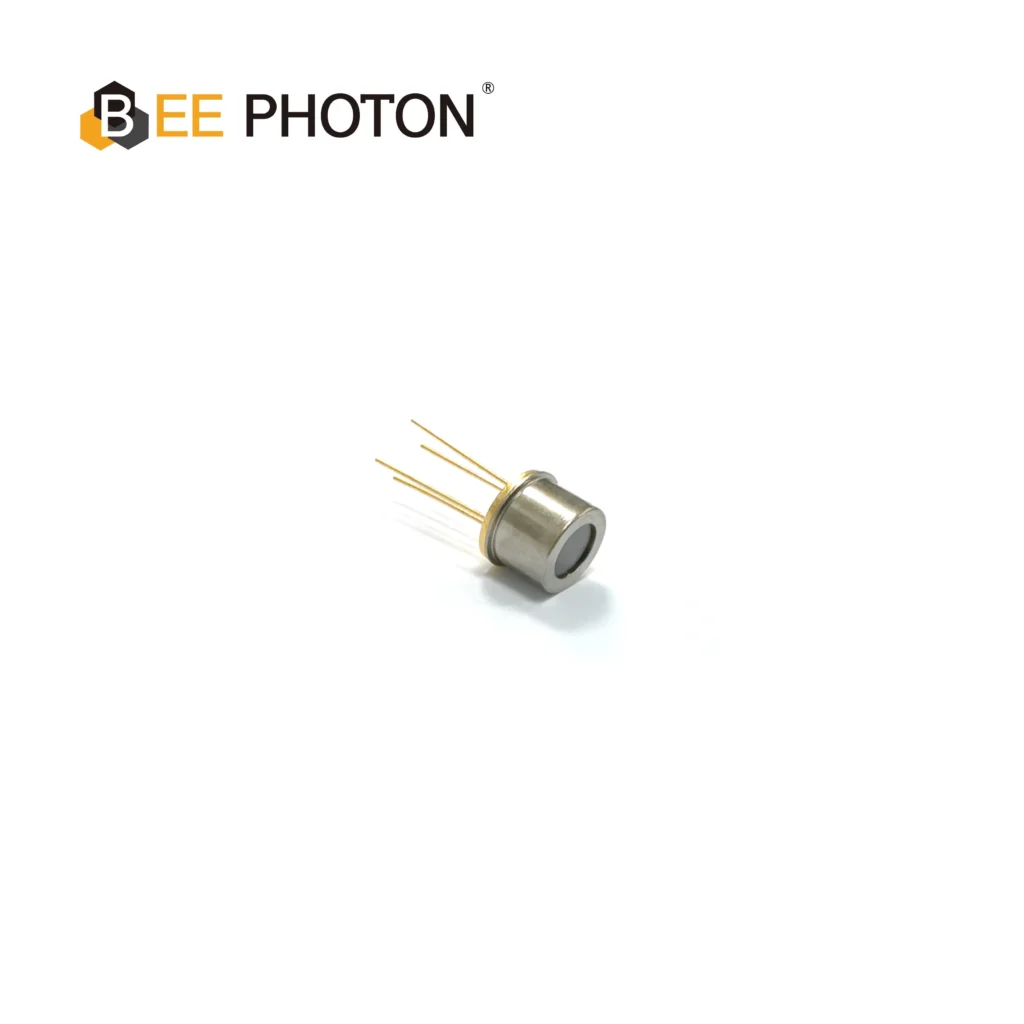
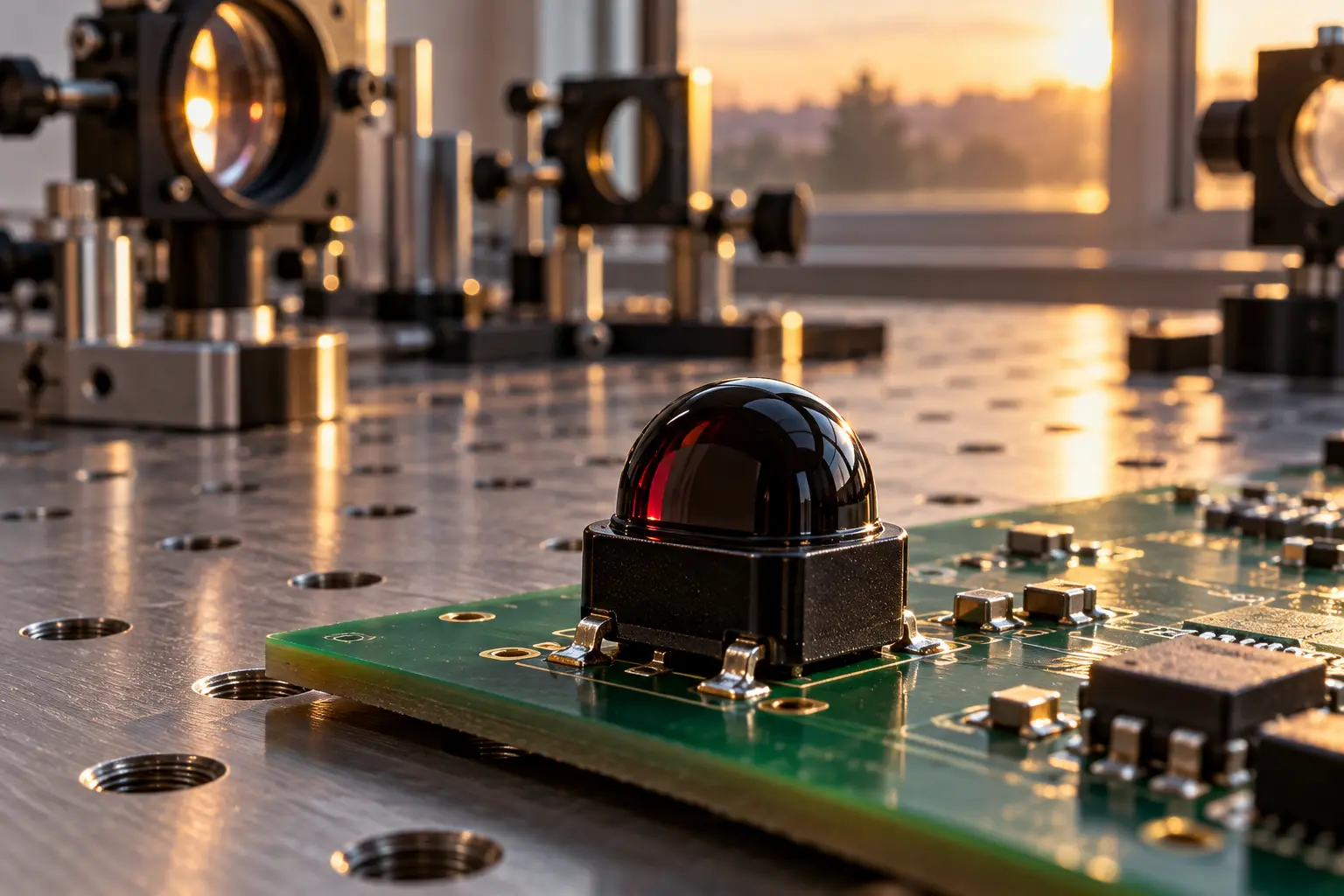
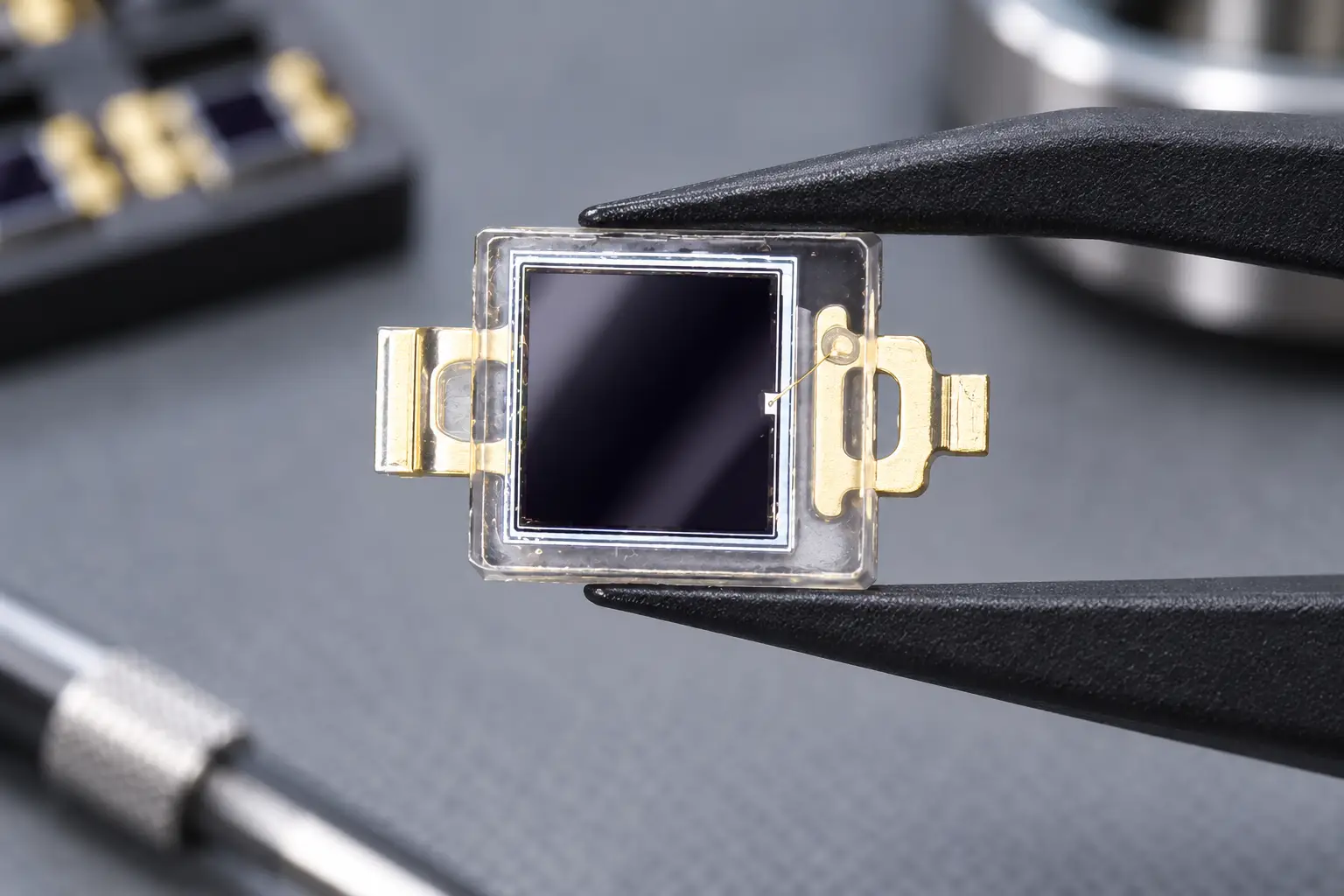
Detector bicolor PDDT1410-101
Mejore sus instrumentos analíticos con nuestro detector bicolor personalizado para un análisis espectral preciso. Este fotodiodo de Silicio-InGaAs ofrece un amplio rango espectral y una baja corriente oscura para una precisión superior.
El quid de la cuestión: descifrar el principio del detector bicolor
Muy bien, es hora de ponerse un poco friki, pero lo haré en plan charlatán, como si estuviéramos tomando un café y yo esbozara esto en una servilleta. El principio del detector de dos colores se basa en la ley de Planck, esa vieja teoría física que dice que la intensidad de la radiación en una longitud de onda está directamente relacionada con la temperatura. Pero aquí está el giro: en lugar de mirar una longitud de onda (que falla si la superficie no es uniforme), se relacionan dos cercanas.
Digamos que estás midiendo una tubería oxidada a 800°C. Una longitud de onda puede ser baja porque el óxido afecta a la emisividad. Pero, ¿obtener datos a, por ejemplo, 0,8 micras y 1,0 micras? Su relación anula el ruido. Matemáticamente, es algo así como T = f(λ1/λ2 * I1/I2), donde T es la temperatura, λ es la longitud de onda e I es la intensidad. No te preocupes por la fórmula; la cuestión es que se autocorrige.
Por lo que he visto en el laboratorio -y respaldado por sólidas investigaciones realizadas en lugares como la NASA-, estos detectores se mantienen estables incluso con superficies irregulares. Un estudio demostró que no había grandes picos de ruido en las configuraciones dobles frente a las simples. Y fíjate en esto: en los años 20 y 30, la gente ya estaba trabajando con ideas de relación, que llegaron a las estanterías en 1939. Son décadas de perfeccionamiento que hacen que tus lecturas sean sólidas como una roca.
¿Por qué molestarse con dos colores en lugar de uno?
Para hacerlo más claro, he aquí una tabla rápida que compara los sospechosos habituales. La hemos extraído de las pruebas prácticas que hemos realizado en Bee Photon, además de algunos datos revisados por expertos.
| Característica | Detector monocolor | Detector de dos colores |
|---|---|---|
| Sensibilidad a la emisividad | Valor conocido de alta necesidad, errores de hasta 20% en incógnitas | Ratios bajos fuera, errores por debajo de 2% típicamente |
| Lo mejor para | Superficies limpias y uniformes, como el cristal del laboratorio | Lugares sucios: polvo, vapor, materiales diversos |
| Rango de temperatura | A menudo 200-1500°C, pero irregular en los bordes | Más amplio, 300-3000°C con menos deriva |
| Tiempo de respuesta | Rápido, ~1ms | Igual de rápido y con ventajas multibanda |
| Coste (aproximado) | Más barato por adelantado | Un poco más, pero ahorra dolores de cabeza a largo plazo |
¿Lo veis? Ese color extra no es solo un detalle, es una armadura práctica. En nuestro taller, hemos reducido el tiempo de inactividad de los clientes en 15% con solo cambiar a duales en las líneas de forja.
Introducción al funcionamiento del pirómetro Ratio: La magia del ratio
Hablemos ahora de los pirómetros de relación, porque son el motor de la mayor parte de la acción bicolor. El funcionamiento de un pirómetro de relación consiste en dividir la radiación infrarroja entrante en dos canales, medir cada uno de ellos y dividirlos para obtener la temperatura. Es como juzgar el punto de cocción de una tarta por la forma en que la corteza se dora en dos puntos en lugar de uno, teniendo en cuenta las peculiaridades del horno.
Profundizando: la luz llega a un divisor de haz, los filtros la clasifican en λ1 y λ2 (digamos, 0,7-0,9μm para metales). Los detectores, a menudo InGaAs o similares, los convierten en voltios. El procesador compara V1/V2 con una curva de calibración. Boom, temp.
Fluke tiene un desglose ingenioso: ambos detectores observan el mismo objetivo pero a diferentes longitudes de onda, esquivando bloqueos del camino como el humo. Lo hemos utilizado en fábricas de semiconductores donde el vapor causa estragos. Un cliente, un fabricante de chips (llamémosle TechCo), perdía rendimiento porque las temperaturas fluctuaban 50 °C. ¿Nuestro ajuste? Estabilizado a ±5°C, aumentando la producción 10%.
¿Y la precisión? Los laboratorios de Princeton cronometraron versiones multicolor con una precisión de 10K entre 1100 y 1350K. En las de dos colores, la precisión es aún mayor: menos de 2% de error en configuraciones ruidosas. No se trata de palabrería, sino de calibraciones en hornos reales.
Errores comunes en la configuración de ratios
¿Alguna vez has montado uno y te ha aparecido un fantasma? Por lo general, la alineación o la elección de longitud de onda. Si sus λ están demasiado separadas, los supuestos de emisividad fallan; péguelas cerca, con una separación de 100 nm. En Bee Photon, hacemos ajustes personalizados para sus longitudes de onda. Detector bicolor personalizado para obtener más información.

Detección de doble longitud de onda: El primo más inteligente
El cambio a la detección de doble longitud de onda es como el hermano mayor del ratio. En este caso, las longitudes de onda no siempre se ajustan; se eligen pares para dolores de cabeza específicos, como mirar a través de llamas o plasma. Williamson IR lo tiene claro: los detectores en sándwich colocan filtros en capas, pero los duales permiten intercambiar los conjuntos para el vapor de agua o lo que sea.
¿Por qué preocuparse? En pirometría, significa medir el punto más caliente a la vista, ignorando la basura más fría. Perfecto para charcos de soldadura o turbinas. Los hemos instalado para pruebas aeroespaciales: piense en álabes de motor a 1.200 °C en medio de la bruma de los gases de escape. ¿Lectura? Perfectas, sin recalibraciones a mitad de carrera.
Pyrosales lo denomina “dos dispositivos en uno” y da en el clavo. Para lo básico, es relación con flexibilidad: analiza IR en λ1 y λ2, relaciónalos, pero optimízalos para tu desorden (¿polvo? Ve a 1,1/1,6μm).
Elección de longitudes de onda: hoja rápida de trucos
No todos los pares sirven para todos los trabajos. Aquí tienes una tabla de nuestro manual, inspirada en los estándares del sector:
| Aplicación | Par λ sugerido | Por qué mola |
|---|---|---|
| Forja de metales | 0,8μm / 1,0μm | Ignora las incrustaciones y el óxido, resistente a los metales ferrosos. |
| Vidrio/Plástico | 1,0μm / 1,6μm | Se salta la absorción de CO2 |
| Llamas/Combustión | 1,1μm / 2,2μm | Reduce el ruido del vapor de agua |
| Semiconductores | 0,9μm / 1,55μm | Superficies de baja emisividad, fab limpias |
Ajústalo a tu actuación: nuestro equipo tiene la salsa si picas info@photo-detector.com.
Ganancias en el mundo real: Donde brillan los detectores de dos colores
La teoría es bonita, ¿pero las aplicaciones? Ahí es donde se paga el alquiler. Estos detectores aparecen en todas partes donde el calor es un comodín. ¿Procesamiento de metales? Control de desbastes sin contacto, evitando los errores 20% de los óxidos. Refractarios, semiconductores, incluso líneas de alta velocidad.
Por ejemplo, “ForgeFab”, una empresa mediana que hemos anonimizado. Estaban observando las temperaturas de los tochos, desperdiciando acero en sobrecocciones. Cambiaron a nuestro sistema dual personalizado, integrado con su PLC: las temperaturas se mantenían en ±10 °C a pesar de las nubes de polvo. Les ahorró 8% en chatarra el último trimestre. O ’ChipWorks“, que lucha contra el alabeo de las obleas en las cámaras de CVD. Variabilidad de corte de doble longitud de onda 30%, según sus registros. ¿Historias como éstas? Oro de las trincheras.
¿En la agricultura? No directamente, pero los sensores de color (parientes cercanos) clasifican la fruta según su madurez, aumentando la eficiencia 25%. Imagínate que esto se aplicara a los mapas de calor en el procesado de alimentos: dos colores podrían señalar los puntos calientes de los hornos y evitar quemaduras.
¿Más amplio? La NASA los utiliza para propulsores espaciales y la fabricación aditiva utiliza longitudes de onda múltiples para detectar cambios en la sinterización. En Bee Photon, hemos enviado a los laboratorios de seguimiento de haz de electrones se funde-Inconel polvos golpear fase líquida con precisión.
Por qué el detector bicolor personalizado de Bee Photon encaja en su rompecabezas
Mira, el mercado está lleno de off-the-shelf, pero si su configuración es peculiar-como longitudes de onda extrañas o vibraciones ásperas-un Detector bicolor personalizado desde los niveles Bee Photon hacia arriba. Los fabricamos tipo sándwich para pirometría de relación, o dobles flexibles para trayectos difíciles. Ajustados para la precisión 97% en recorridos de 400-800°C, con muestreo de 50 kHz si necesita velocidad.
¿Nuestra ventaja? Ajustes de primera mano tras años sobre el terreno. Nada de moldes; analizamos sus necesidades, creamos prototipos y se los entregamos. Diríjase a https://photo-detector.com/ para obtener más información, o escríbanos a https://photo-detector.com/contact-us/ para citar el tuyo. ¿Qué impide esa lectura perfecta?
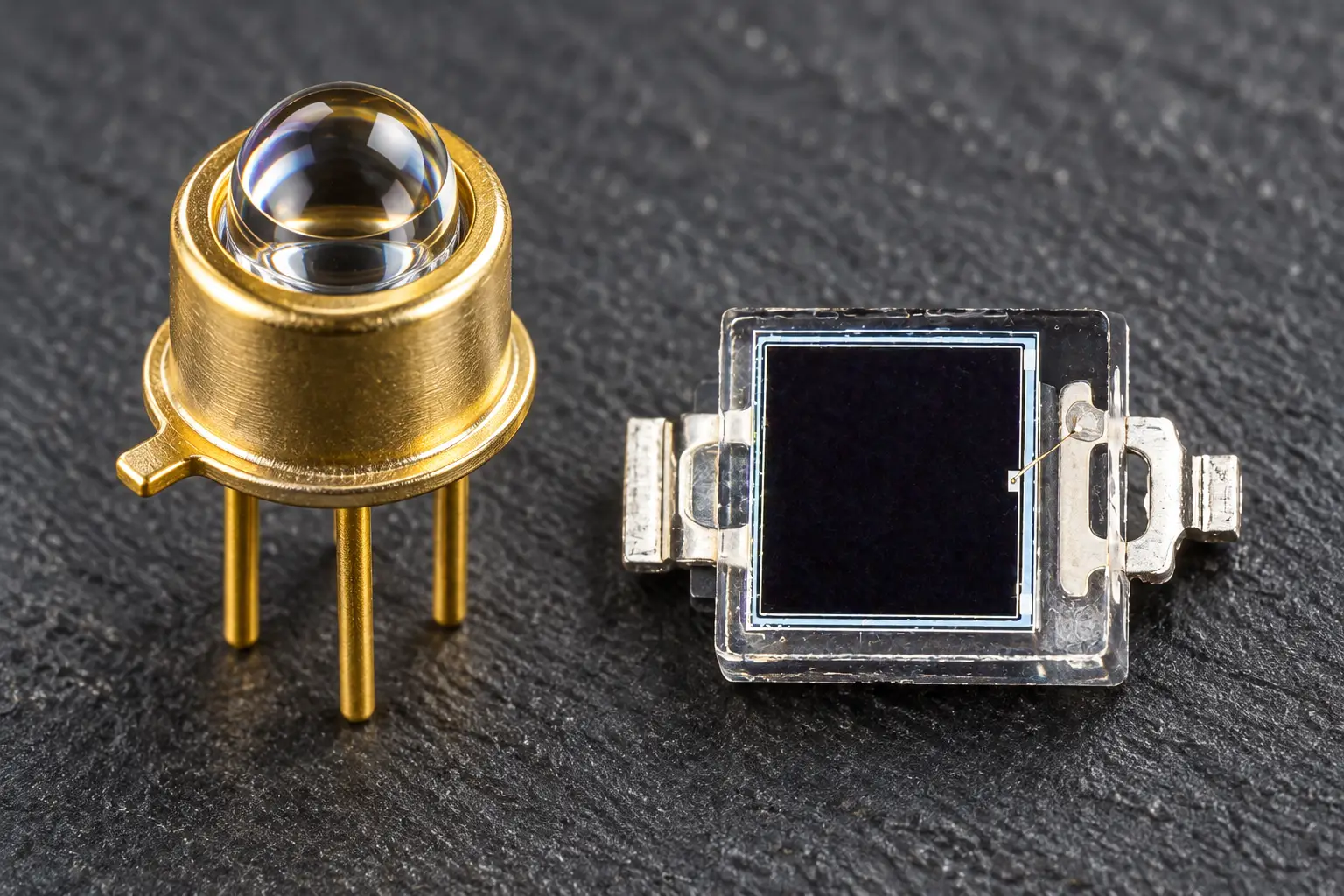
Detector bicolor PDDT1630-101
Consiga una detección remota fiable de temperatura y materiales con nuestro fotodiodo de Silicio-InGaAs. Este detector bicolor empaquetado en TO ofrece una alta eficiencia cuántica y un amplio rango de detección para aplicaciones industriales.
Para terminar: El siguiente paso con la tecnología bicolor
Hemos cubierto toda la gama, desde los principios básicos de los detectores de dos colores hasta las tripas del pirómetro de relación y los trucos de doble longitud de onda. No es sólo tecnología; es la solución para temperaturas poco fiables que afectan a su presupuesto. Imagínese que se deshace de esas oscilaciones salvajes y consigue procesos a la primera. Ese es el deseo.
¿Listo para hacerlo realidad? Escríbenos a info@photo-detector.com o visita la página de contacto. Preparemos una solución personalizada en una llamada rápida: podría ser la chispa que necesitan tus operaciones. ¿Cuál es el problema temporal al que se enfrenta? Cuéntalo; somos todo oídos.
FAQ: Respuestas rápidas sobre detectores de dos colores
¿Cuál es la gran diferencia entre un detector de dos colores y un termómetro IR normal?
Las normales captan una longitud de onda, por lo que la emisividad las desvía. Piense en errores de 10-20% en material brillante. Las de dos colores tienen dos, lo que las reduce a menos de 2%, según las pruebas de laboratorio. Mucho más práctico para el grano real.
¿Puedo utilizar un detector bicolor en entornos con vapor o polvo?
El funcionamiento del pirómetro de relación total brilla aquí, ignorando los bloques parciales. Los hemos visto prosperar en vapor de forja, manteniendo ±5°C. Solo hay que elegir bien las longitudes de onda, como 1,1/1,6μm para el vapor.
¿Qué precisión tienen para temperaturas elevadas, digamos superiores a 1000°C?
Muy precisas, a menudo 1-2% o 10K. Calibrarlos bien, y usted es oro para fusiones o turbinas. ¿Personalizados de Bee Photon? Aún más ajustados.