¿Alguna vez se ha preguntado cómo sabe su teléfono apagar la pantalla cuando se lo acerca a la oreja durante una llamada? ¿O cómo los robots evitan chocar con las cosas en una fábrica? Esa es la magia de sensor de proximidad en el trabajo. Estos pequeños artilugios detectan objetos cercanos sin ni siquiera tocarlos, y hoy en día están por todas partes.
En Bee Photon llevamos años trabajando con estos sensores, especialmente los que utilizan tecnología basada en la luz. Hemos ayudado a montones de clientes a integrarlos en sus productos, desde aparatos de consumo hasta configuraciones industriales pesadas. En esta guía, lo explicaremos de forma sencilla: qué es realmente un sensor de proximidad, cómo funciona con fotodiodos (esos inteligentes detectores de luz) y por qué son tan útiles.
¿Qué es exactamente un sensor de proximidad?
A sensor de proximidad es básicamente un dispositivo que detecta cuando hay algo cerca, sin necesidad de contacto físico. Envía algún tipo de señal -puede ser luminosa, sonora o un campo magnético- y espera a ver si rebota o se interrumpe.
Existen varios tipos principales:
- Inductivos, excelentes para metales.
- Capacitivas, que captan prácticamente todo.
- Ultrasónico, mediante ondas sonoras.
- Y ópticos, como los infrarrojos en los que nos centramos aquí.
Los sensores ópticos de proximidad, especialmente los que utilizan luz infrarroja, son muy comunes porque son fiables, baratos y funcionan en muchas situaciones. Brillan en detección de objetos tareas, desde los teléfonos inteligentes hasta las cadenas de montaje.
Según informes recientes, el mercado mundial de sensores de proximidad rondaba los 4 900 millones de USD en 2024 y se espera que alcance unos 8 400 millones de USD en 2033 (fuente: IMARC Group). Se trata de un crecimiento sólido, impulsado por el aumento de la automatización y los dispositivos inteligentes.

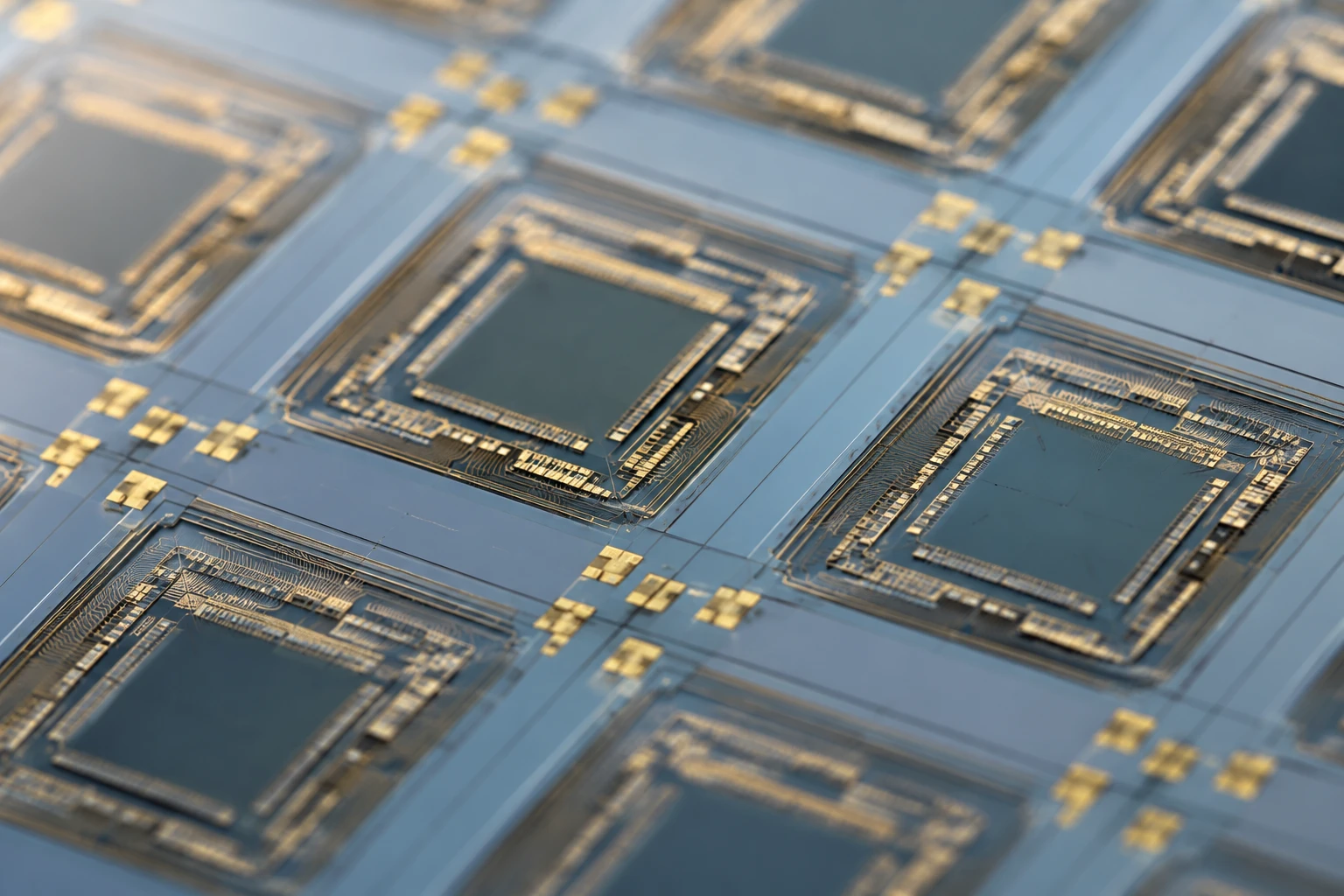
Matriz de fotodiodos Si PIN PD dual PDCA02-101
La matriz de fotodiodos PIN de Si de alta fiabilidad (modelo: PDCA02-101) es un detector de doble elemento de alta calidad diseñado para la detección óptica de precisión. Con un encapsulado compacto de 9,2×4,0×2,0 mm y distintas áreas fotosensibles, este sensor ofrece una estabilidad superior y una baja corriente oscura para aplicaciones industriales y médicas exigentes.
¿Cómo funciona un sensor de proximidad? Conceptos básicos de la tecnología de infrarrojos
Hablemos del tipo más popular: los infrarrojos. sensor de proximidad.
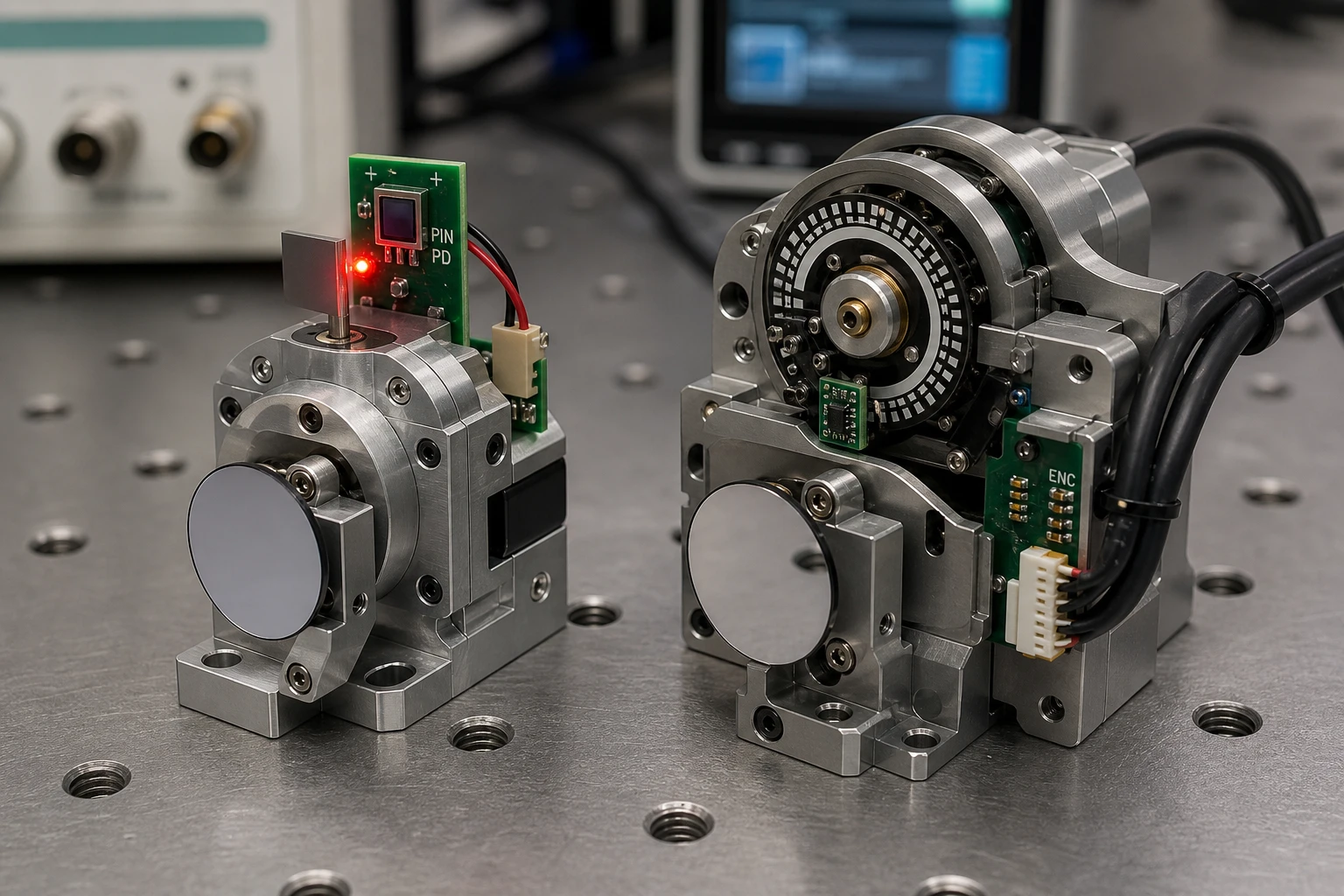
Imagínese esto: hay un LED IR que emite luz infrarroja invisible. Justo a su lado, hay un detector, normalmente un fotodiodo infrarrojo (IR). Cuando no hay ningún objeto alrededor, la luz sale al espacio y no vuelve.
Pero cuando algo se acerca, como tu mano o una pieza en una cinta transportadora, la luz rebota en ella y se dirige de nuevo al fotodiodo. Cuanto más cerca esté el objeto, más intensa será la luz reflejada en el detector.
El fotodiodo convierte esa luz en una señal eléctrica. Más luz significa una señal mayor, que indica al sistema “¡eh, hay algo aquí!” y lo cerca que está.
Es bastante sencillo, pero super eficaz para detección de objetos.
Por qué los fotodiodos lo hacen posible
¿Cómo lo hacen posible los fotodiodos? Un fotodiodo es un semiconductor que genera corriente cuando incide sobre él la luz. En los sensores de proximidad, utilizamos unos especiales sintonizados para longitudes de onda infrarrojas, a menudo en torno a los 940 nm.
He aquí por qué son perfectos:
- Reacción rápida: Reaccionan con rapidez, importante para la detección en tiempo real.
- Sensibles al IR: Ignoran la luz visible en su mayor parte, centrándose en el haz infrarrojo.
- Bajo nivel de ruido: Especialmente los tipos PIN, que tienen una región de agotamiento más amplia para un mejor rendimiento.
En Bee Photon, estamos especializados en detectores de alta calidad como nuestro Fotodiodo PIN de Si, que ofrece una gran sensibilidad y fiabilidad para estas aplicaciones. Hemos visto cómo aumentaban el alcance y la precisión de la detección en proyectos de clientes.
Los fotodiodos PIN de Si presentan ventajas como una mayor velocidad y una menor corriente oscura en comparación con los PN normales, lo que los hace ideales para configuraciones de proximidad.
Tipos de sensores de proximidad: Una rápida comparación
Para que lo tengas más claro, aquí tienes una tabla comparativa de los tipos más comunes:
| Tipo | Método de detección | Lo mejor para | Alcance (típico) | Pros | Contras |
|---|---|---|---|---|---|
| Inductivo | Campo electromagnético | Sólo metales | 1-50 mm | Robusto, sin piezas móviles | Sólo metales, afectados por la suciedad |
| Capacitivo | Cambio de campo eléctrico | Metales y no metales | 1-30 mm | Detecta líquidos/sólidos | Sensible a la humedad |
| Ultrasonidos | Ondas sonoras | Cualquier material | Hasta 10 m | Largo alcance, ignora el color | Afectados por superficies blandas |
| Óptico (IR) | Reflexión de la luz infrarroja | La mayoría de las superficies | 1-100 cm | Barato, rápido y compacto | Afectado por la luz ambiental |
Los ópticos infrarrojos brillan por detección de objetos en entornos mixtos.

Aplicaciones reales de los sensores de proximidad por infrarrojos
Estos sensores están en muchos sitios:
En Electrónica de consumo
- Teléfonos: Apaga la pantalla durante las llamadas para ahorrar batería y evitar toques de mejilla.
- Auriculares: Pausa la música cuando te quitas uno.
- Grifos o dispensadores de jabón sin contacto.
Hemos tenido clientes que han utilizado nuestros fotodiodos en wearables: un proyecto mejoró la duración de la batería en 20% con una mejor activación por proximidad.
En la industria
- Cintas transportadoras: Recuento de piezas o detección de atascos.
- Robótica: Evitar obstáculos.
- Puertas o portones automatizados.
En las fábricas, contribuyen a la seguridad y la eficacia. Por ejemplo, en una instalación en la que colaboramos (de forma anónima, por supuesto), unos sensores de proximidad por infrarrojos fiables redujeron el tiempo de inactividad en una línea de envasado.
También son enormes en automoción, como los sistemas de ayuda al aparcamiento, aunque a menudo se combinan con ultrasonidos.
Ventajas y algunas limitaciones
¿Por qué utilizar sensores de proximidad por infrarrojos?
- Sin contacto: Sin desgaste.
- Compacto: Fácil de guardar en dispositivos pequeños.
- Baja potencia: Genial para cosas de batería.
- Asequible.
¿Inconvenientes? La luz solar brillante puede interferir a veces, pero los aparatos modernos con filtros o modulación lo manejan mejor. El polvo o las superficies muy brillantes o reflectantes pueden interferir ocasionalmente.

Fuente de luz LED serie E850-30-101
El E850-30-101 es un emisor de infrarrojos de 850 nm de alta estabilidad diseñado en un robusto formato de LED de paquete doble en línea de 3 mm para facilitar el montaje en PCB y ofrecer una durabilidad superior. Con un ángulo de haz estrecho de 20° y una intensidad radiante de 30 mW, este LED de paquete doble en línea ofrece una salida precisa y de alto brillo, lo que lo convierte en la fuente de luz ideal para interruptores ópticos, detección industrial y aplicaciones de automatización exigentes.
Elegir los componentes adecuados: Los fotodiodos en el punto de mira
Si está construyendo o especificando un sensor de proximidad, el fotodiodo es clave. Opte por los tipos PIN de Si para una mayor velocidad y sensibilidad.
En Fotón abeja, ofrecemos opciones fiables como nuestro Fotodiodo PIN de Si. Han demostrado su resistencia en entornos difíciles.
Hemos trabajado en proyectos en los que el cambio a fotodiodos mejores amplió el alcance de detección en 30-50% sin potencia adicional.
Consejos para mejorar el rendimiento
- Proteger de la luz directa del sol si está al aire libre.
- Utiliza IR modulado (pulsando el LED) para ignorar la luz ambiente.
- Combínalo con una buena óptica o lentes para obtener haces enfocados.
Según nuestra experiencia, una calibración adecuada marca una gran diferencia.
Para terminar
Los sensores de proximidad, alimentados por fotodiodos inteligentes, hacen la vida moderna más fluida y las industrias más inteligentes. Desde simples detección de objetos a la automatización compleja, las versiones por infrarrojos son una opción acertada.
Si está trabajando en un proyecto que necesita una detección fiable -tal vez para un nuevo aparato o una actualización de fábrica-, nos encantaría ayudarle. Visite nuestro sitio web en https://photo-detector.com/ o escríbanos a info@photo-detector.com. O diríjase a nuestro página de contacto para obtener un presupuesto o más información.
Tenemos la experiencia necesaria para orientarle sobre los mejores fotodiodos y configuraciones.

Foto IC serie PDTC
Nuestro Photo IC con interruptor de ganancia de dos niveles proporciona una detección óptica precisa para la automatización industrial. Este avanzado foto IC cuenta con un interruptor de ganancia ajustable, asegurando un rendimiento fiable
Preguntas más frecuentes (FAQ)
¿Cuál es la diferencia entre un sensor de proximidad y un sensor de infrarrojos normal?
Un sensor de proximidad está diseñado específicamente para detectar objetos cercanos por reflexión, mientras que los sensores IR generales pueden ser de comunicación (como los mandos a distancia) o de detección pasiva de calor.
¿A qué distancia puede detectar un sensor de proximidad por infrarrojos?
Normalmente de 2 a 30 cm para las básicas, pero con buenos fotodiodos y lentes, hasta un metro o más. Depende de la configuración.
¿Pueden funcionar los sensores de proximidad a través de vidrio o plástico?
Algunos pueden, especialmente los capacitivos o los ultrasónicos, pero los de infrarrojos pueden tener problemas si el material refleja o absorbe demasiados infrarrojos.
¿Por qué utilizar un fotodiodo en lugar de un fototransistor en los sensores de proximidad?
Los fotodiodos son más rápidos y tienen menos ruido, por lo que son mejores para medir distancias con precisión. Los fototransistores amplifican más pero pueden ser más lentos.
¿Funcionan estos sensores con mucha luz?
Sí, muchas de las modernas utilizan pulsadores y filtros para bloquear la luz ambiente. Hemos probado los nuestros en exteriores con buenos resultados.