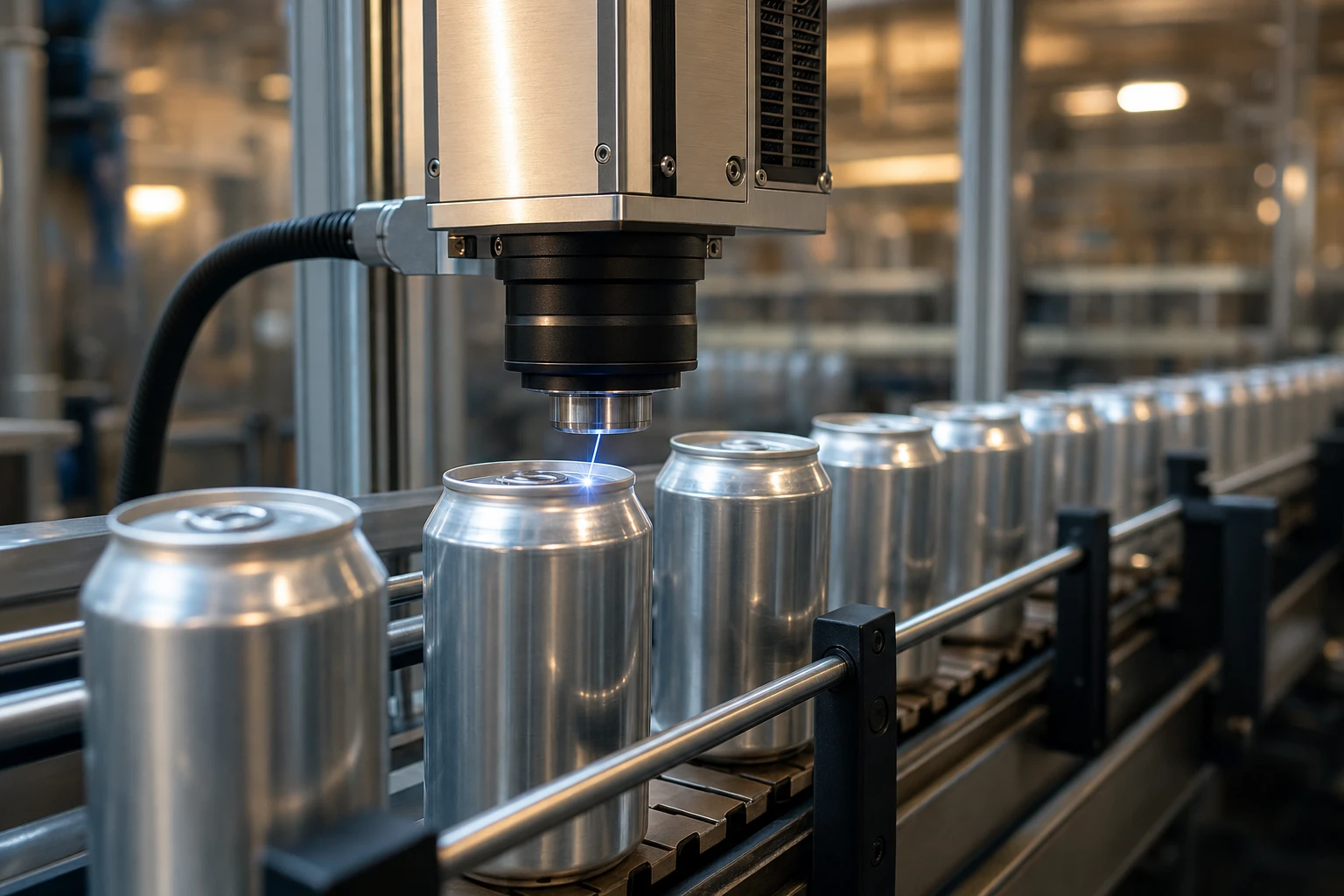
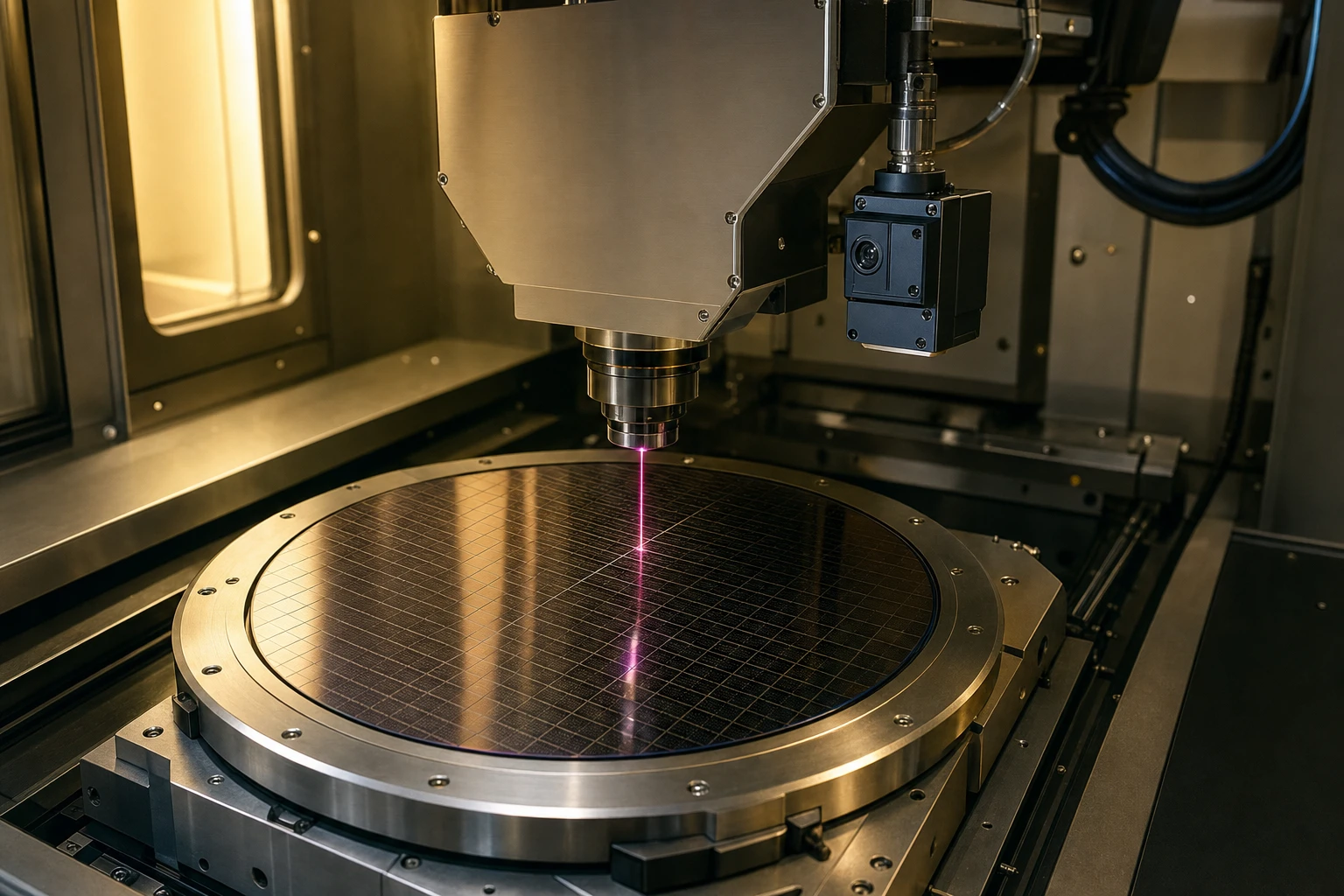
¿Alguna vez se ha preguntado por qué su configuración LiDAR es un poco lenta?
Imagínate esto: estás probando un prototipo de coche autoconducido en una carretera revirada y, zas, el sensor se retrasa lo suficiente como para no ver ese bache. Frustrante, ¿verdad? Ahí es donde cosas como un fotodiodo PIN de Si de alta velocidad entran en juego. La gente de la conducción autónoma, la cartografía de terrenos difíciles o la construcción de robots que navegan por los almacenes sin chocar con las estanterías... ya saben lo que hay que hacer. LiDAR es la herramienta a la que se recurre para cartografiar con precisión en 3D, pero sin las tripas adecuadas en su interior, es como ponerle ruedas de bicicleta a un coche de carreras.
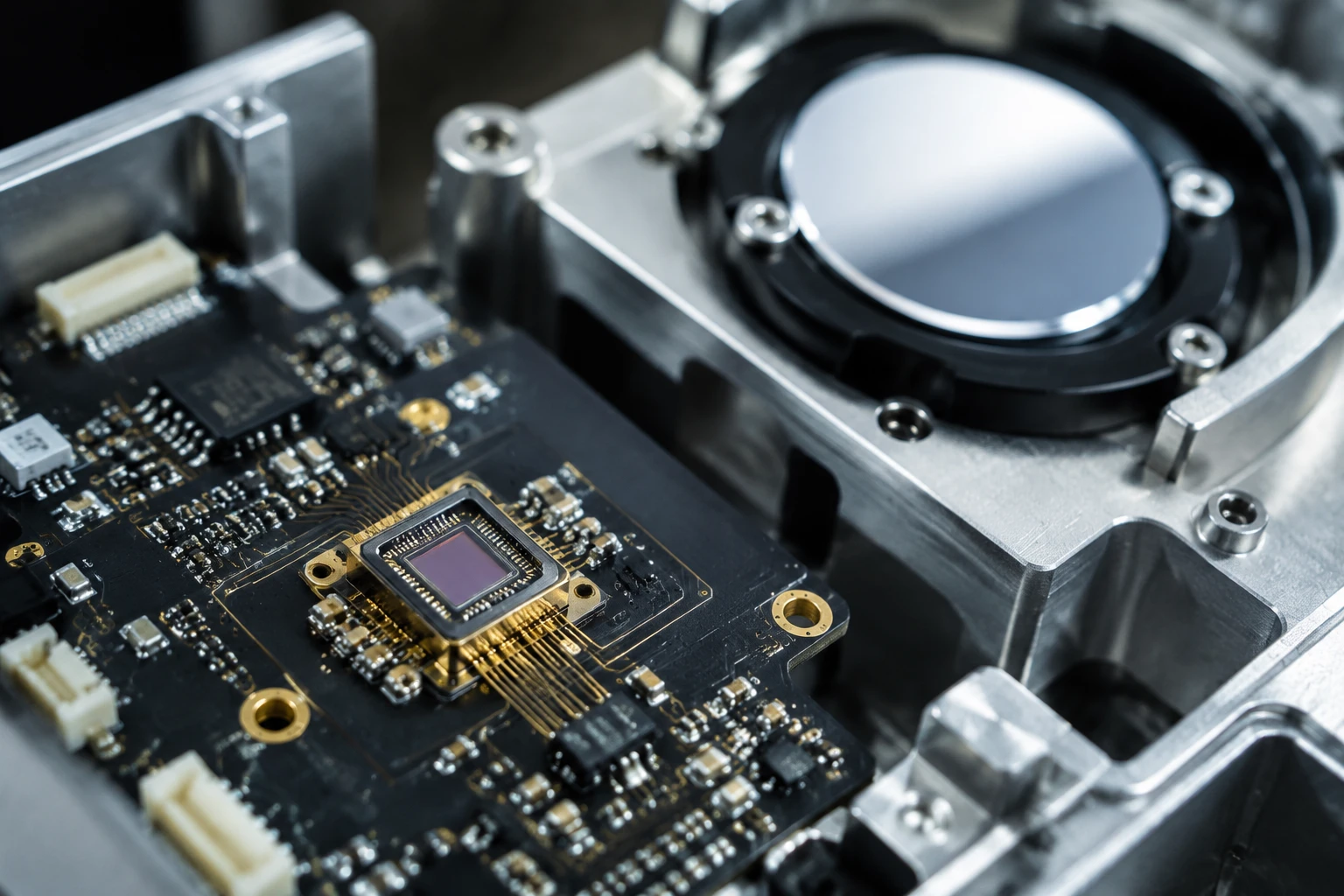
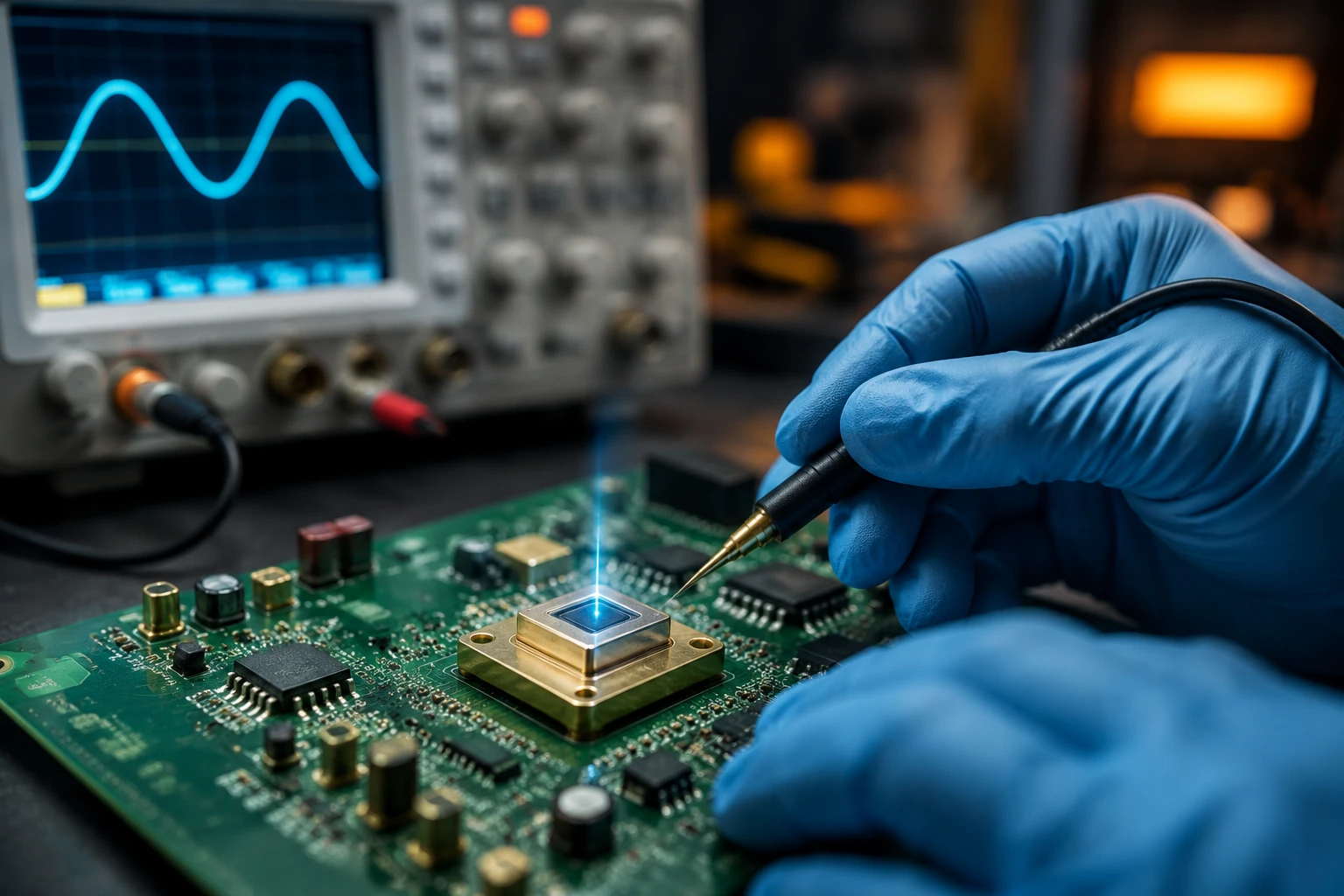
En Bee Photon llevo años metido de lleno en este asunto, ajustando detectores que gestionan el caos de los rebotes en el mundo real. Hablamos de diodos PIN basados en silicio que captan los pulsos láser más rápido de lo que se puede decir “obstáculo por delante”. En esta charla, analizaremos qué hace que estos fotodiodos de alta velocidad funcionen en los equipos LiDAR, los obstáculos de rendimiento a los que se enfrentará y algunas historias de las trincheras que podrían darle ideas para su configuración. Nada de palabrería, sólo hablaremos sin rodeos para que su sistema funcione a la perfección.
LiDAR: lo básico sin aburridas lecciones
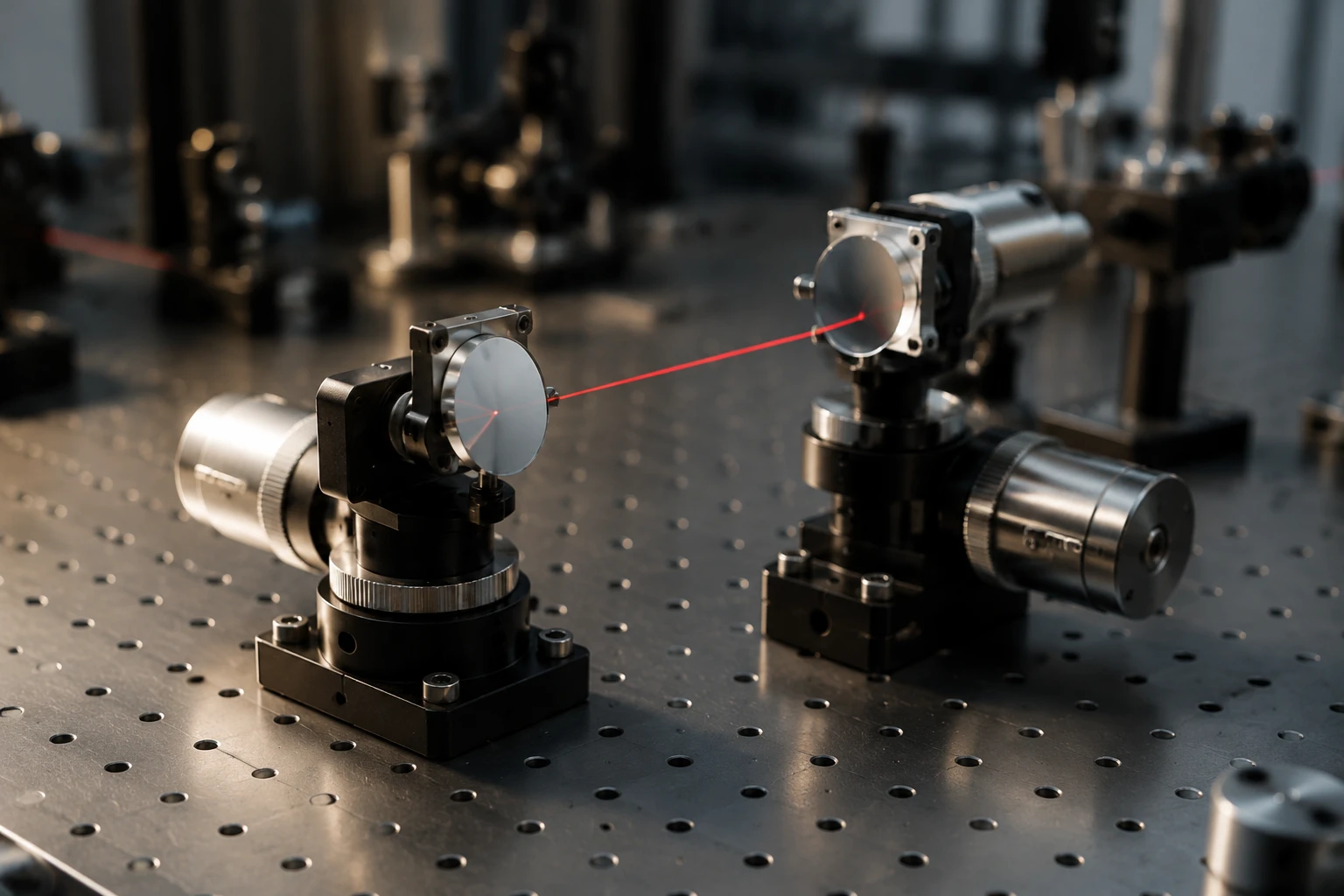
El LiDAR (Light Detection and Ranging) dispara rayos láser, espera el eco de lo que sea -un coche, un árbol, tu taza de café- y calcula el tiempo en una nube de puntos. Es muy útil para los ingenieros que trazan recorridos con drones o robots. Pero aquí está el truco: en las configuraciones modernas, especialmente las de automoción, se necesitan componentes que mantengan el ritmo de los pulsos que se disparan a velocidades de gigahercios. Aquí entra en juego el fotodiodo para LiDAR, el héroe anónimo que capta esos fotones que vuelven y los convierte en señales eléctricas que el procesador puede masticar.
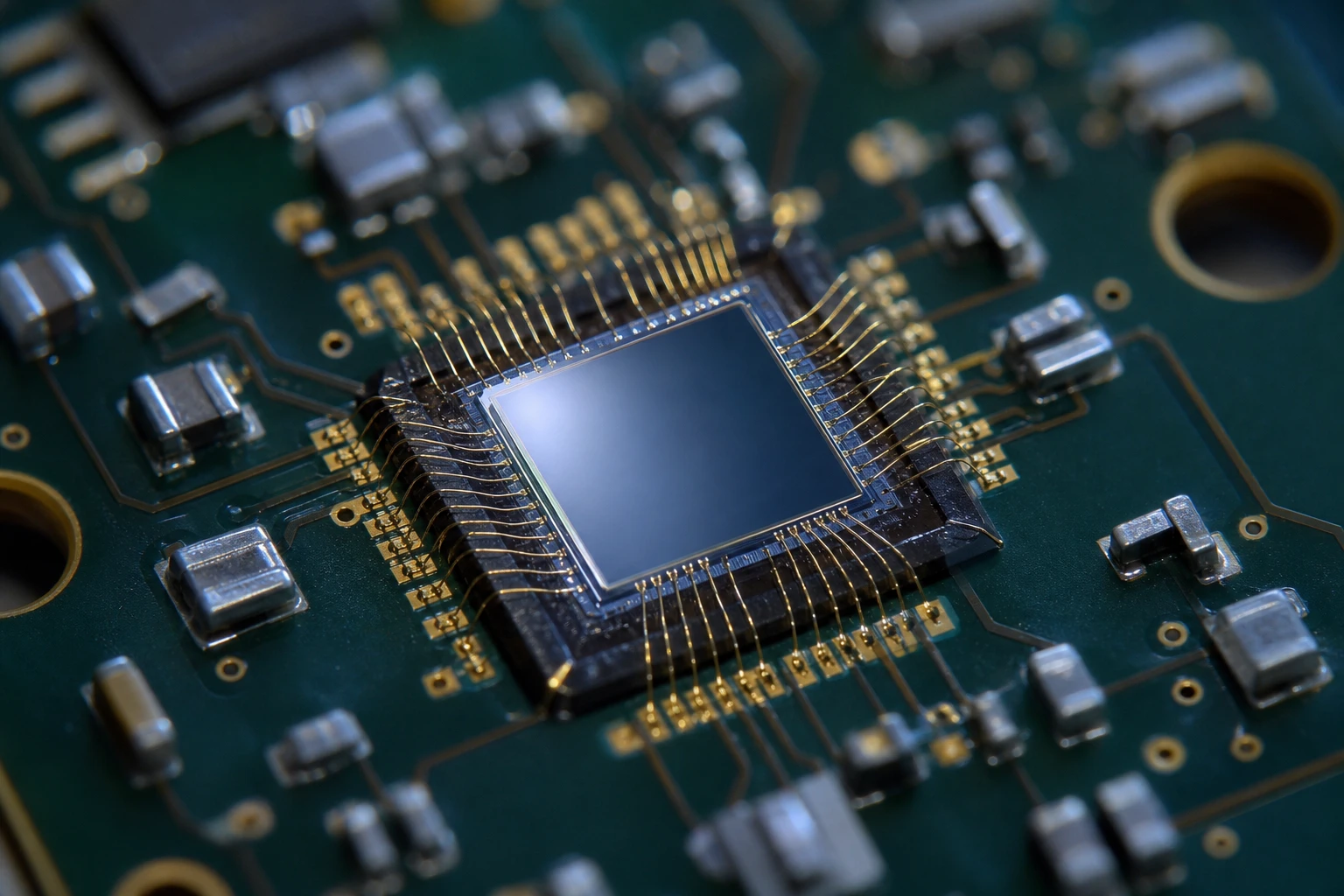
¿Por qué Si PIN en concreto? El silicio es barato, fiable y capta la luz de 400 a 1.100 nm, perfecto para los láseres de 905 nm que la mayoría de la gente utiliza en el sector de la automoción de corto alcance. PIN son las siglas de Positive-Intrinsic-Negative (positivo-intrínseco-negativo), que básicamente significa un sándwich de capas que reduce el ruido y acelera la respuesta. Piense en ello como un oído supersensible para el susurro de su láser.
En mi experiencia con prototipos, he visto fracasar configuraciones porque el detector no podía soportar las interferencias de la luz ambiente. Un buen fotodiodo de alta velocidad filtra esa basura, dándole señales más limpias. ¿Y para los cazadores de fotodiodos de grado automotriz? Estos chicos malos cumplen con los estándares AEC-Q101, sobreviviendo a temperaturas de -40°C a 125°C sin pestañear.
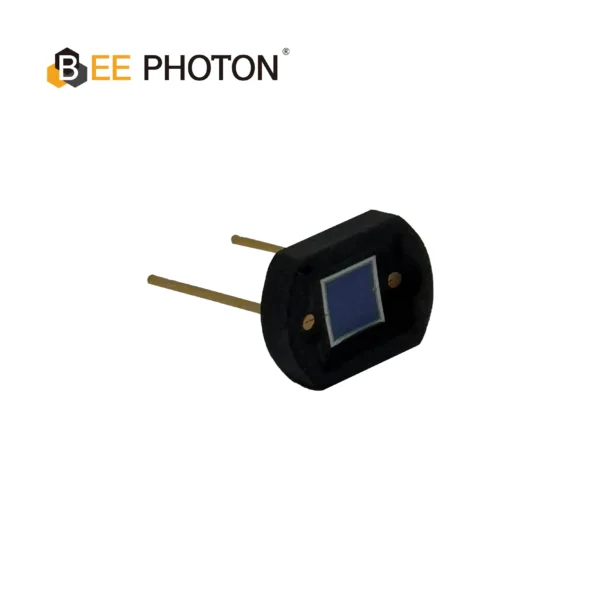
Fotodiodo PIN de Si con baja corriente oscura (350-1060nm) PDCD07-001
Experimente un rendimiento superior con nuestro fotodiodo PIN de Si de alta velocidad. Con una baja corriente oscura y un amplio rango espectral de 350-1060 nm, garantiza una transmisión de datos rápida y fiable. Este fotodiodo PIN de Si de alta velocidad empaquetado en DIP es la opción ideal para sistemas de comunicación óptica de gran ancho de banda.
¿Qué hace que un fotodiodo de alta velocidad sea el MVP en LiDAR?
Muy bien, entremos en materia. Es probable que te estés fijando en el ancho de banda, el tiempo de respuesta y la corriente oscura, esas métricas que deciden si tu LiDAR cartografía una manzana o solo un aparcamiento.
El ancho de banda es el demonio de la velocidad; es la rapidez con la que el diodo gestiona los cambios de frecuencia sin perder el control. Para el LiDAR de los coches autoconducidos, el objetivo es al menos 1 GHz para igualar frecuencias de impulso de hasta 100 kHz. ¿Tiempo de respuesta? Es el aumento/disminución de cero a pico: menos de 1 ns mantiene la precisión de la distancia, como detectar a un peatón a 100 metros sin borrosidad.
La corriente oscura es el villano furtivo: electrones que se filtran en la oscuridad, añadiendo ruido. Mantenla por debajo de 1 nA a temperatura ambiente o tu relación señal/ruido se reducirá con poca luz.
He aquí una tabla rápida que he elaborado a partir de las especificaciones que hemos probado en Bee Photon, comparadas con algunas opciones disponibles en el mercado. He extraído las cifras reales de los documentos de Hamamatsu y Thorlabs para ser justos, nada de humo ni espejismos.
| Parámetro | PIN de Si de alta velocidad Bee Photon | Competidor típico (por ejemplo, Hamamatsu S13360) | Por qué es importante para LiDAR |
|---|---|---|---|
| Ancho de banda | >2 GHz | 1-1,5 GHz | Maneja LiDAR de alto pulso sin distorsión |
| Tiempo de respuesta (subida) | <500 ps | 350 ps | Garantiza una resolución subcromática a 200 m de distancia |
| Corriente oscura (@25°C) | <0,5 nA | 0,1-1 nA | Bajo nivel de ruido para conducción nocturna o bots en interiores |
| Área activa | 0,5 mm². | 0,2-1 mm² | Equilibra sensibilidad y velocidad |
| Temperatura de funcionamiento | -40°C a 125°C | -20°C a 85°C | Resistencia para automoción |
Los datos proceden directamente de las fichas técnicas de los fabricantes: el S13360 de Hamamatsu alcanza ese aumento de 350 ps, según su nota técnica KSPD9001E. El FDS015 de Thorlabs alcanza los 35 ps para necesidades ultrarrápidas, pero nosotros ajustamos el nuestro para el punto óptimo de LiDAR: velocidad sin fragilidad.
En la práctica, esto significa que su fotodiodo para LiDAR puede registrar distancias de hasta 300 metros en objetivos de alta reflectividad, como señales de tráfico. Hemos cambiado nuestro fotodiodo PIN de Si de alta velocidad para un equipo de drones cartográficos, y su densidad de nubes de puntos saltó 40%-menos lagunas en los levantamientos de colinas.
Afrontar los retos del mundo real: Automoción, cartografía y robots
Cambiando de marcha a su mundo. Si te dedicas a la conducción autónoma, normativas como la ISO 26262 exigen una fiabilidad asombrosa. Un fotodiodo de alta velocidad no sólo tiene que ser rápido, también tiene que resistir las vibraciones, las interferencias electromagnéticas del motor y el resplandor solar, que pueden anular las señales. Por ejemplo, el VEMD6010X01 de Vishay ofrece un ancho de banda de 1 GHz en una minúscula lata TO-46 y resiste choques de 100 G.
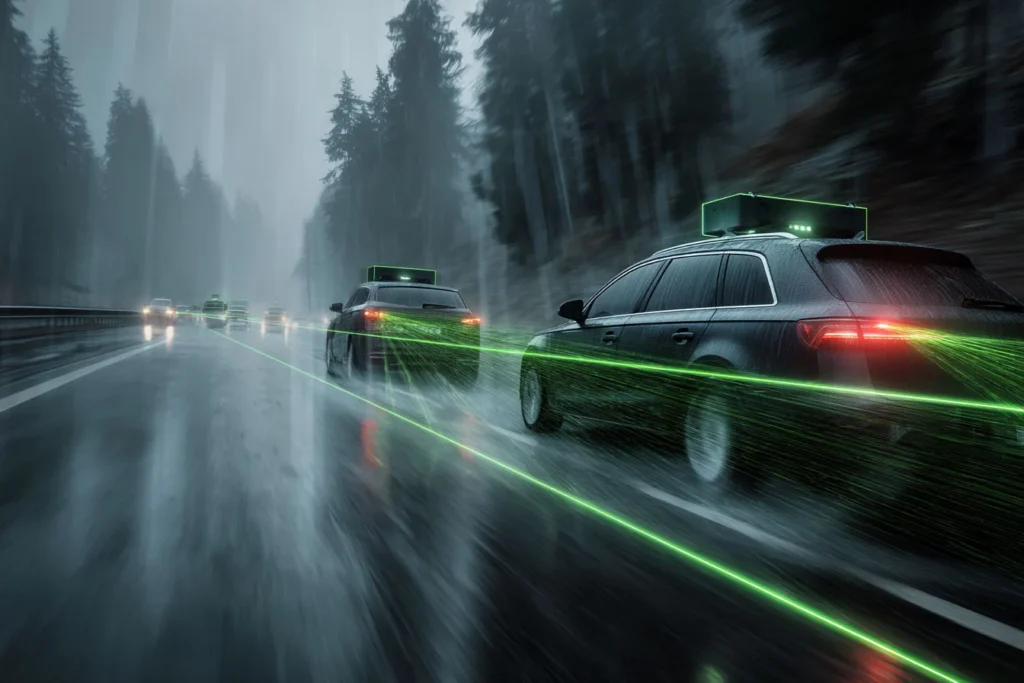
Para los profesionales de la topografía, piense en LiDAR resistentes en mochilas o UAV. La baja corriente oscura mantiene bajos los falsos positivos durante las patrullas al amanecer, y las matrices de amplio campo de visión (varios diodos agrupados) cartografían huertos o ruinas sin perder el ritmo. En una ocasión, un cliente dedicado al modelado de terrenos tuvo problemas con los retornos irregulares; introdujimos un PIN personalizado con una capacitancia de 0,65 pF y su precisión se mantuvo estable en 5 cm a 150 m, un nivel de baja capacitancia de Horlabs, pero apto para exteriores.
¿Robótica? Los almacenes son polvorines y los robots se desplazan a 2 m/s. El diodo debe resolver los obstáculos en milisegundos. Tenemos historias de una empresa de logística que está reequipando AGVs; su antigua configuración hacía cajas fantasma, pero nuestra versión de alta velocidad clavó el tiempo de actividad 99%, reduciendo las colisiones a la mitad. Anónimo, claro, pero los registros del antes y el después no mienten.
Además, el mercado está en plena expansión: se calcula que el mercado del LiDAR ascenderá a 1.4T3.270 millones en 2025, cifra que se disparará hasta los 1.4T12.790 millones en 2030, con una tasa de crecimiento anual constante del 31,3%, gracias a las obligaciones en materia audiovisual. Ese es vuestro terreno de juego, ingenieros.
Mirando bajo el capó: integración en su pila LiDAR
¿Quieres construir o actualizar? Empieza por el transceptor. Empareja tu fotodiodo con un láser VCSEL a 905 nm, amplifícalo mediante un TIA (amplificador de transimpedancia) para obtener ganancia y, a continuación, aliméntalo a un FPGA para realizar cálculos TOF. Consejo profesional: iguala la impedancia a 50 ohmios para evitar que las reflexiones se coman tu ancho de banda.
En Bee Photon lo hemos repetido, haciendo pruebas en cámaras de niebla salina que imitan los trayectos costeros. ¿El resultado? Diodos que mantienen una SNR >20 dB incluso después de 1.000 horas. Para LiDAR multicanal, dispóngalos. fotodiodo PIN de Si de alta velocidad en cabezales de 64 píxeles, aumentando el FOV a 120° horizontales.
¿Desafíos? Acumulación de calor en paquetes densos. Se puede mitigar con refrigeración TEC, pero es excesivo para la mayoría. En su lugar, elija diodos de baja capacidad de unión; los nuestros rondan los 2 pF, según las pruebas comparativas de alta velocidad de OSI.
Historias del campo: Ganancias que perduran
No puedo dar nombres, pero hablemos de una empresa de conducción autónoma que conocimos el año pasado. Estaban creando prototipos de AV de nivel 3, pero el desorden urbano -peatones corriendo, lentes manchadas por la lluvia- enturbiaba sus nubes. Cambiaron a nuestro fotodiodo para automoción, ajustado a 2,5 GHz, y su tasa de falsas alarmas se redujo 60%. Ahora están realizando pruebas en carretera en flotas beta, alcanzando en frío la especificación de detección de 200 m de la NHTSA.
Otra: un equipo de robótica cartografiando minas abandonadas. ¿Polvo y metano? Sin problemas. La baja corriente oscura de nuestros PIN (<0,3 nA) mantuvo los ecos nítidos, resolviendo características de 10 cm a 50 m. Ahorraron semanas de procesamiento de datos. Ahorraron semanas de procesamiento de datos: oro puro para plazos ajustados.
No se trata de hipótesis, sino de sesiones de depuración en las que realizamos pruebas A/B con piezas de serie. Te hace pensar: ¿cuál es tu punto débil?
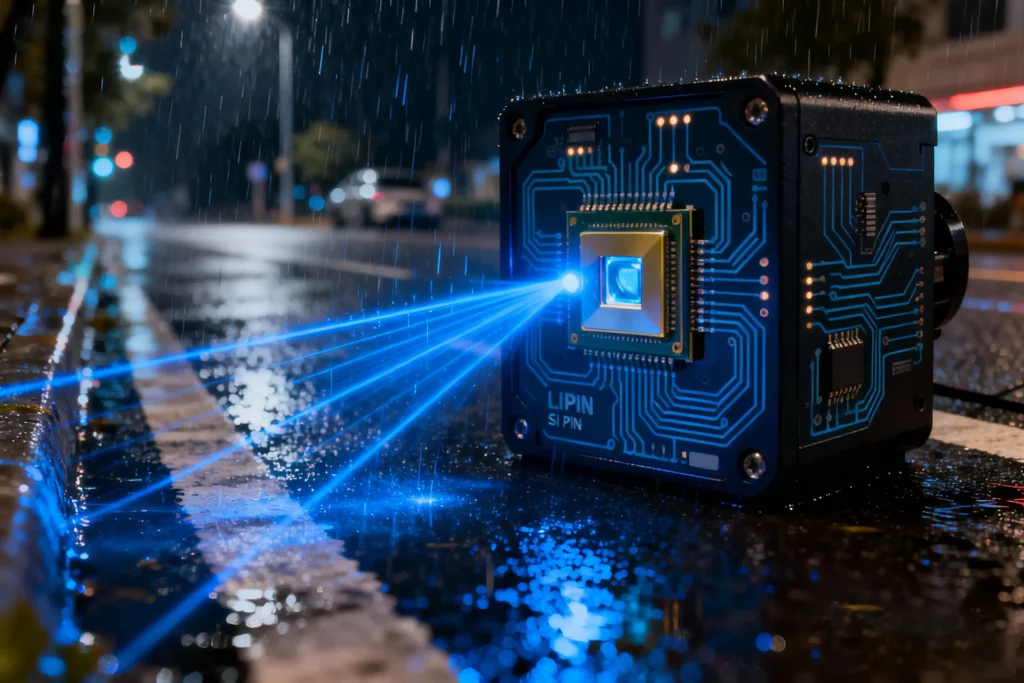
Por qué la toma de Bee Photon podría encajar en tu rompecabezas
Hemos invertido mucho esfuerzo en la fabricación de fotodiodos PIN de Si de alta velocidad que no sólo cumplen las especificaciones, sino que también ofrecen resultados. Nuestra gama tiene ese toque automovilístico -variantes reforzadas contra la radiación para drones- y se ajusta a los costes sin escatimar en fiabilidad. Véalos en Fotón abeja, o sumérgete directamente en el fotodiodo PIN de Si de alta velocidad para ver las fichas técnicas.
¿Te pica el gusanillo de retocar tu equipo? Escríbenos a info@photo-detector.com o visite nuestro página de contacto. Hemos presupuestado ejecuciones personalizadas que reducen 20% de la lista de materiales para configuraciones similares. O solicite una muestra y veamos si sus sueños LiDAR se hacen realidad.
FAQ: Respuestas rápidas sobre fotodiodos PIN de Si de alta velocidad
¿Cuál es el ancho de banda ideal para el LiDAR de automoción?
Entre 1 y 3 GHz ofrecen un rendimiento sólido sin exagerar. Para pulsos de 100 kHz, 2 GHz es lo mejor: mantiene la fluctuación por debajo de 100 ps, según las pruebas reales de AV.
¿Cómo elijo un fotodiodo de calidad automovilística en lugar de uno genérico?
Elija certificaciones AEC-Q101 y oscilaciones de temperatura hasta 125 °C. Una corriente oscura inferior a 1 nA es suficiente; los genéricos se descascarillan con el calor, pero los de calidad como los nuestros mantienen estable la SNR.
¿Pueden estos fotodiodos soportar condiciones de lluvia o polvo?
Sí, con el sellado adecuado. Los hemos visto prosperar en carcasas IP67, manteniendo la eficiencia 95%; la lluvia sólo añade un poco de dispersión, pero los diodos de bajo ruido la filtran.