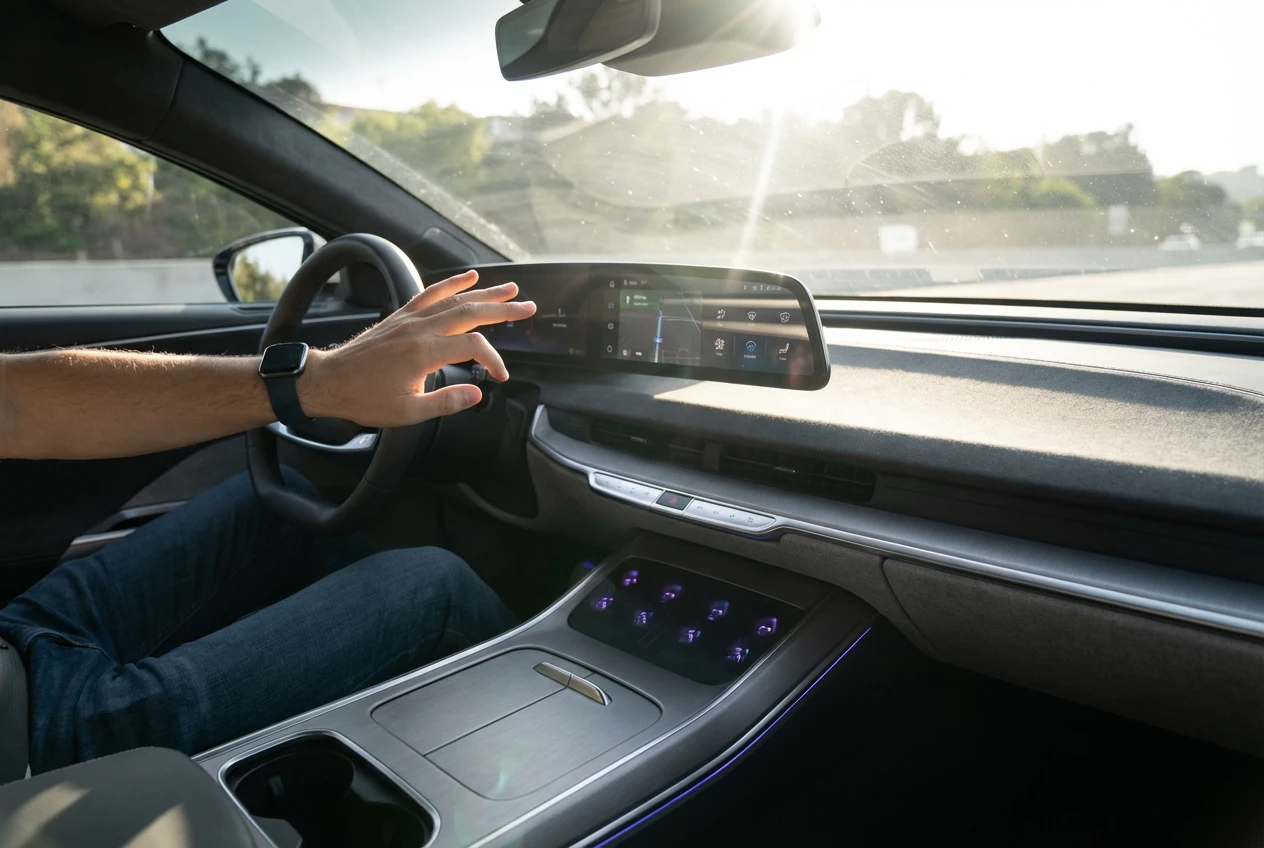
You know that feeling when you’re driving and just want to skip a song or crank up the AC without fumbling for the screen? Or maybe you’re designing a slick smart home panel and thinking, “wouldn’t it be cool if users could wave their hand to turn lights on?” That’s where gesture control sensors come in – they make the whole thing feel kinda magical, but really it’s just clever engineering.
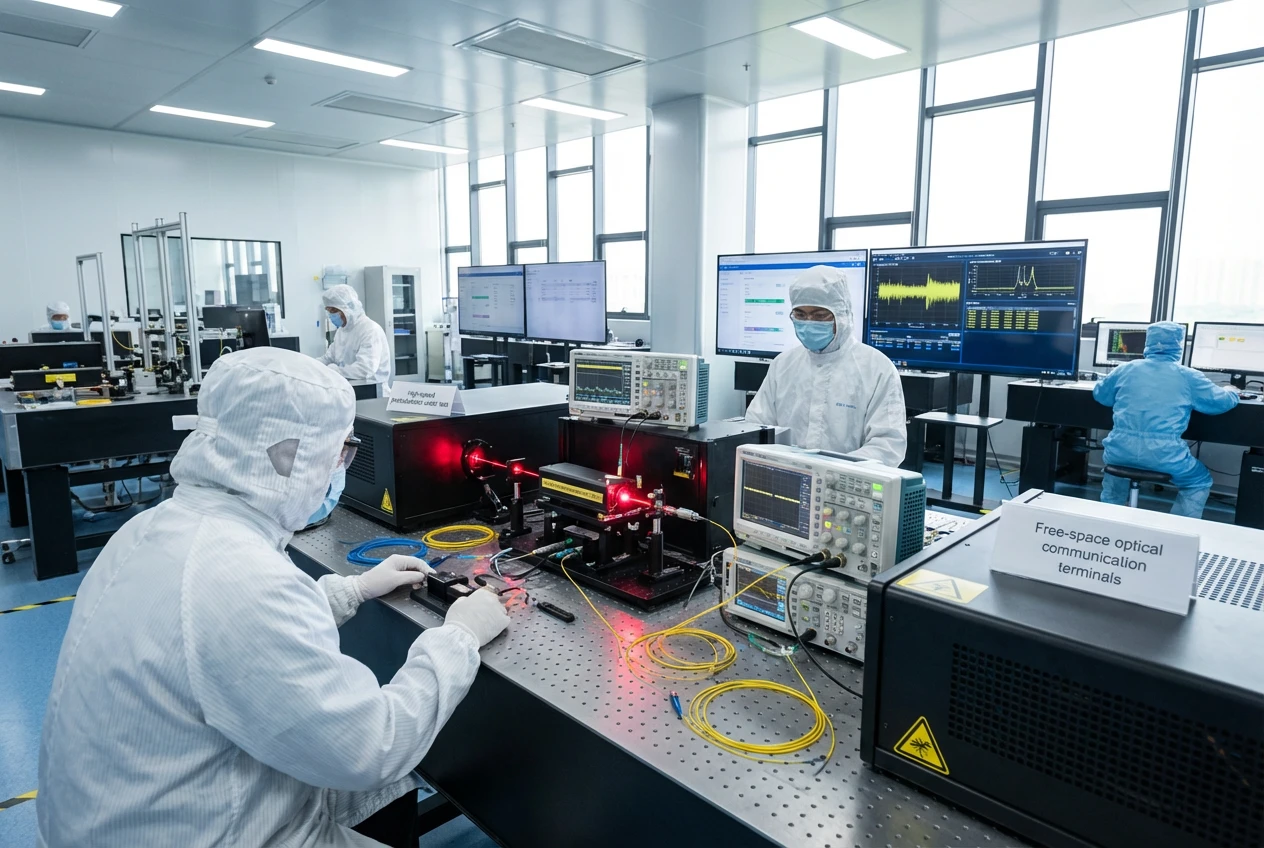
I’ve spent years working with optical sensors, photodiodes, and all sorts of detection tech at Fotón abeja, and I’ve seen firsthand how these little components turn “cool idea” into reliable product. Especially for folks like you – car infotainment developers or smart home control panel engineers – getting gesture control sensors right means safer driving, cleaner interfaces, and happier users. Let’s break it down nice and easy, no fluff.
Why Gesture Control Is Blowing Up in Cars and Smart Homes
First off, people hate touching stuff these days. Post-pandemic habits stuck around, plus in a car, every second your eyes leave the road is risky. Studies show driver distraction contributes to tons of accidents, and gesture tech helps cut that down by letting you keep hands on the wheel.
In automotive infotainment, gesture control sensors let drivers wave to change tracks, adjust volume, or dismiss calls. Luxury brands started it, but now it’s trickling down. Market data backs this up – the automotive gesture recognition sector was valued around $2-3 billion recently and is growing fast, with projections showing strong double-digit CAGR through 2030+ as more cars add touchless features.
Same thing in smart homes. Imagine a kitchen panel where you swipe to control lights or temperature without greasy fingers on the screen. Touchless interface designs are cleaner, more hygienic, and just feel premium.
At Fotón abeja, we’ve helped teams integrate these into prototypes that went into production vehicles and home automation hubs. One project (keeping it anonymous) was a mid-range EV infotainment upgrade – simple wave gestures cut driver glance time by noticeable amounts during testing.
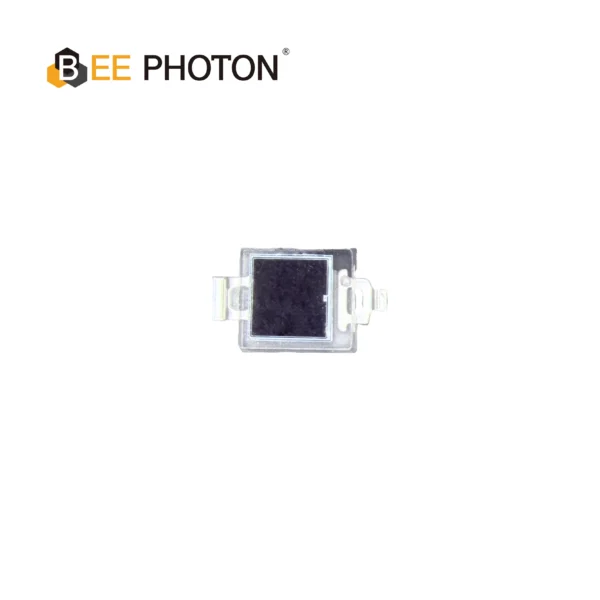
Fotodiodo Si PIN Serie PDCP08 PDCPO8-502
Detección de precisión: El PDCP08-502 es un fotodiodo PIN de silicio compacto diseñado con un área de detección específica de 2,9×2,8 mm.
Fiabilidad: Con una baja capacitancia de unión, este fotodiodo PIN garantiza tiempos de respuesta rápidos. Es el componente perfecto para aplicaciones fotoeléctricas con limitaciones de espacio que requieren una salida de señal estable.
The Main Tech Types: From Simple IR to Fancy Stuff
There are a few ways to do gesture detection, but not all fit automotive or home panel needs. Here’s a quick rundown.
Time-of-Flight (ToF) Sensors
These shoot out light pulses and time how long it takes to bounce back. Super accurate for depth, great for detailed finger movements.
But here’s the catch – they’re complex, power-hungry, and pricey. For basic car gestures like swipes? Overkill. Many automotive pros I’ve talked to say ToF is great for premium stuff, but for everyday reliability and cost, simpler is better.
Radar and Ultrasonic
Radar works in all lighting, even through some materials. Cool for in-cabin stuff. Ultrasonic is cheap but hates temperature changes and air movement – not ideal for cars.
IR-Based Gesture Control Sensors (The Sweet Spot)
This is where most practical implementations land, especially with IR photodiode arrays. An IR LED blasts invisible light, hand reflects it back, and photodiodes catch the changes.
Why it wins for your projects:
- Low cost
- Low power
- Works in bright sunlight (with good filtering)
- Simple processing – no heavy CPU needed
The gesture control sensors we build and recommend at Fotón abeja use arrays of IR photodiodes positioned smartly around the LED. When a hand moves left-right, the left or right diodes see more reflection first. Up-down? Same idea.
How IR Photodiode Gesture Systems Actually Work
Let’s get into the nuts and bolts – promise I’ll keep it straightforward.
- IR LED pulses (usually modulated so ambient light doesn’t mess things up).
- Light hits hand, bounces back.
- IR photodiode array (often 4-60 pixels) detects intensity changes in different directions.
- Microcontroller compares signals over time → detects swipe, push, circle, etc.
Common gestures supported:
- Left/Right swipe (next/prev track)
- Up/Down (volume)
- Push (select)
- Clockwise/counter-clockwise (menu scroll)
Ambient light rejection is key. Good systems use optical filters and signal processing to ignore sunlight or headlights.
Here’s a simple comparison table for popular approaches in automotive/smart home use:
| Sensor Type | Detection Range | Cost Level | Power Use | Ambient Light Robustness | Lo mejor para | Inconvenientes |
|---|---|---|---|---|---|---|
| Basic IR Photodiode Array | 10-40 cm | Bajo | Muy bajo | Good (with filtering) | Simple swipes in cars/home | Limited complex gestures |
| Time-of-Flight (ToF) | Up to 1m+ | High | Medium-High | Excelente | Detailed finger moves | Expensive, complex processing |
| Radar/mmWave | 50cm+ | Medio | Medio | Excelente | All-weather, privacy | Larger size, more tuning |
| Camera-Based | Variable | High | High | Poor in low light | Rich gestures | Privacy concerns, processing |
For most car infotainment or control panel projects, IR photodiode based gesture control sensors hit the sweet spot – reliable, affordable, and easy to integrate.
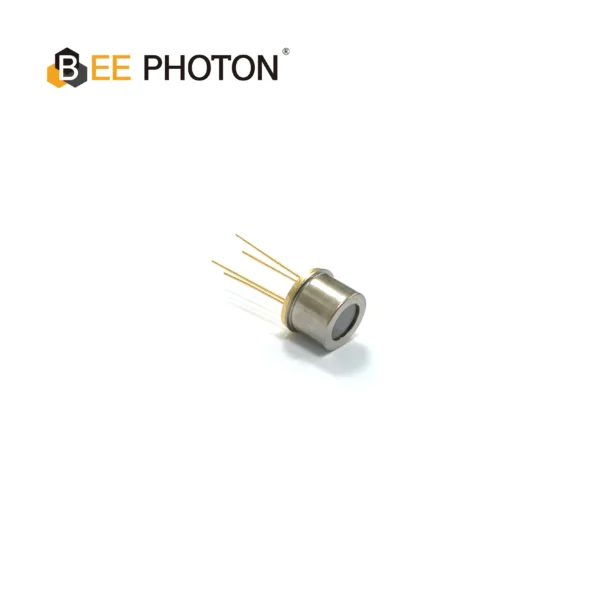
Si PIN Photodiode Array Dual PD PDCA02-201
Nuestra matriz de fotodiodos PIN de Si está diseñada para instrumentos analíticos de alta precisión. Este fotodiodo doble TO5 ofrece una precisión excepcional para sus aplicaciones de medición.
Real-World Applications and Lessons Learned
I’ve worked on a few setups that turned out pretty nice.
One was a car head unit prototype where we used a 6×10 IR photodiode array. The team wanted volume up/down and track skip. After tweaking LED power and threshold, it worked consistently even with gloves on (winter testing in cold climates). Detection rate hit over 90% in real driving.
Another case: smart home wall panel for lighting/climate. User waves hand to wake it, then swipe for brightness. Super clean look – no fingerprints. The client loved how it felt futuristic but stayed practical.
Challenges? Glove detection, different skin tones (IR reflection varies a bit), and bright direct sun. Solutions include dynamic calibration and better optics.
If you’re hitting roadblocks like these, drop us a line at Fotón abeja – we’ve got custom gesture control sensors tuned for exactly these scenarios. Check our site at https://photo-detector.com/ or hit the contact page https://photo-detector.com/contact-us/.
Key Considerations When Picking or Designing Gesture Sensors
- Range: 20-40cm is plenty for dashboard or panel use.
- Power: Cars hate draining battery – aim low.
- Integración: SPI/I2C easy, small footprint wins.
- Robustness: Must handle -40°C to 85°C for auto grade.
- Coste: Under $5-10 in volume is realistic for IR types.
Pro tip: Start with off-the-shelf like MAX25405 style arrays, then customize photodiodes for your exact field of view.

Fotodiodo Si PIN Serie PDCP08 PDCPO8-511
Reducción del ruido: El PDCP08-511 es un fotodiodo PIN de silicio recubierto de epoxi negro para filtrar las interferencias de la luz visible.
Aplicación IR: Diseñado para interruptores ópticos robustos, este fotodiodo PIN minimiza el ruido ambiental. Ofrece un rendimiento superior en entornos de señalización por infrarrojos con su área activa de 2,9×2,9 mm.
PREGUNTAS FRECUENTES
What makes IR photodiode better than ToF for basic car gesture control?
IR photodiode setups are way cheaper and simpler. ToF gives depth but you don’t need full 3D for swipes and pushes – most infotainment gestures are 2D-ish anyway. Plus lower power and easier to make automotive-grade.
Can gesture control sensors work reliably in bright sunlight?
Yeah, if designed right. Use modulated IR, optical filters, and ambient subtraction algorithms. We’ve tested ours under direct sun and headlights – solid performance.
How hard is it to integrate gesture control into an existing infotainment or smart home system?
Not too bad. Most sensors output raw data or pre-processed gestures via I2C/SPI. You need some code to map them to commands, but libraries exist. If you’re stuck, Fotón abeja can help with custom modules and integration advice.
So, there you have it – the real scoop on gesture control sensors, heavy on IR photodiode tech and touchless interface wins. If you’re building the next killer car entertainment system or smart home panel, this stuff can make your product stand out without breaking the bank.
Ready to chat about your project? Shoot us an email at info@photo-detector.com or head to https://photo-detector.com/contact-us/ for a quote. We’d love to help make your “magic” happen. 😊