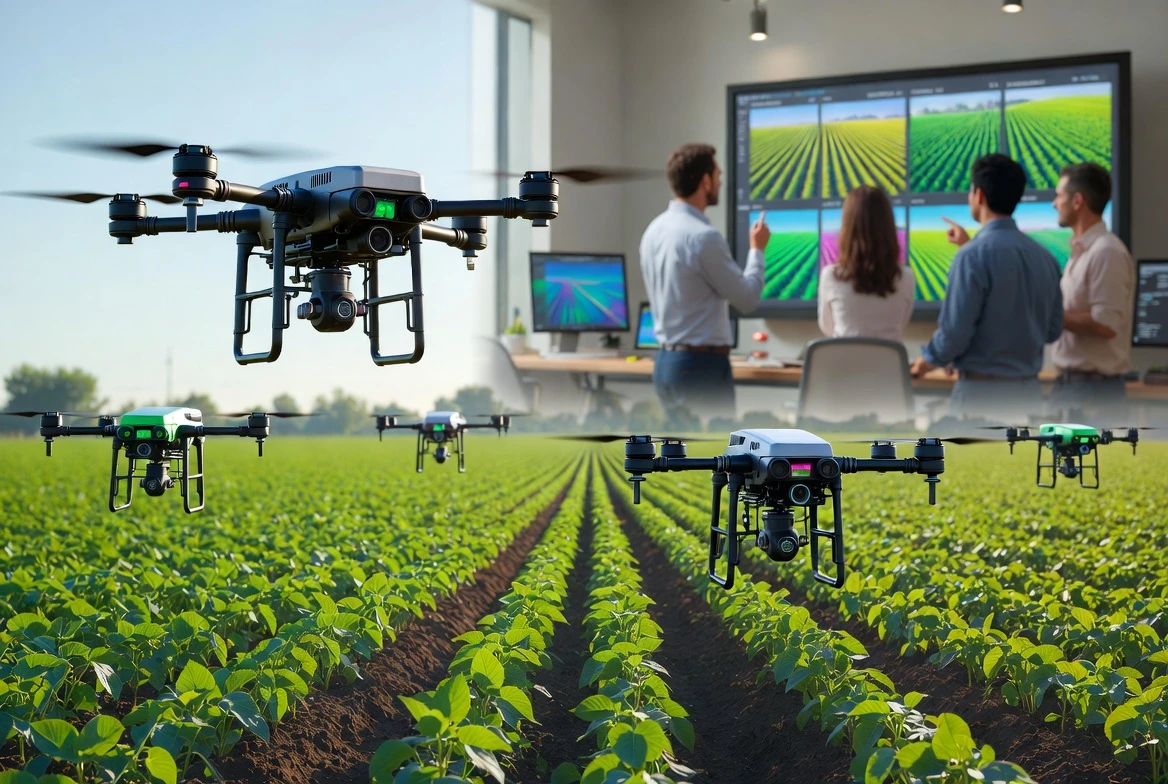
The agriculture world is changing fast. Farmers and ag tech companies are looking for ways to see crop health before problems get bad. That’s where multispectral sensors for agriculture drones come in. These little devices capture light beyond what our eyes can see, helping spot issues early and make better decisions.
I’ve been around drone tech and sensors for years, working on projects that put multispectral imaging right on UAVs for real farms. It’s not just fancy gadgets – it’s about giving you data that actually saves money and boosts output. If your company is building or upgrading ag drones, especially ones needing reliable agriculture drone sensors y multispectral imaging for crop monitoring, this guide walks through the process, tips, pitfalls, and why it matters.
Why Multispectral Sensors Are Game-Changers in Modern Farming
Let’s be honest – walking fields or using basic cameras only gets you so far. Plants can look fine on the surface but be stressed underneath. Multispectral sensors fix that by grabbing data from specific light bands.
Healthy plants soak up red light and bounce back a ton of near-infrared (NIR). Stressed ones? Not so much. Sensors measure that difference to create indexes like NDVI (Normalized Difference Vegetation Index) and NDRE (Normalized Difference Red Edge).
NDVI is the go-to for overall plant vigor and biomass. NDRE shines for mid-to-late season crops because it sees deeper into the canopy for chlorophyll levels. Studies show strong links – like NDVI correlating with leaf area and nitrogen content, with R² values climbing to 0.88–0.90 in wheat during grain filling.
The market backs this up too. Agriculture drones market was valued around USD 5-6 billion in 2024-2025, growing at 18-28% CAGR depending on reports. Lots of that growth ties to multispectral tech helping precision farming.
Here is a quick comparison of key vegetation indices used with multispectral imaging:
| Index | Bands Used | Lo mejor para | Alcance típico | Strength |
|---|---|---|---|---|
| NDVI | Red + NIR | General health, biomass, early-mid season | -1 to +1 | Industry standard, simple |
| NDRE | Red Edge + NIR | Chlorophyll, late-season stress | -1 to +1 | Better for dense canopies |
| GNDVI | Green + NIR | Chlorophyll estimation | -1 to +1 | Sensitive to nitrogen levels |
| Chlorophyll Index | Red Edge specific | Nitrogen management | Varies | Early nutrient deficiency detection |
These indexes turn raw sensor data into actionable maps. Farmers spot dry spots, nutrient gaps, or pests weeks before visible signs.
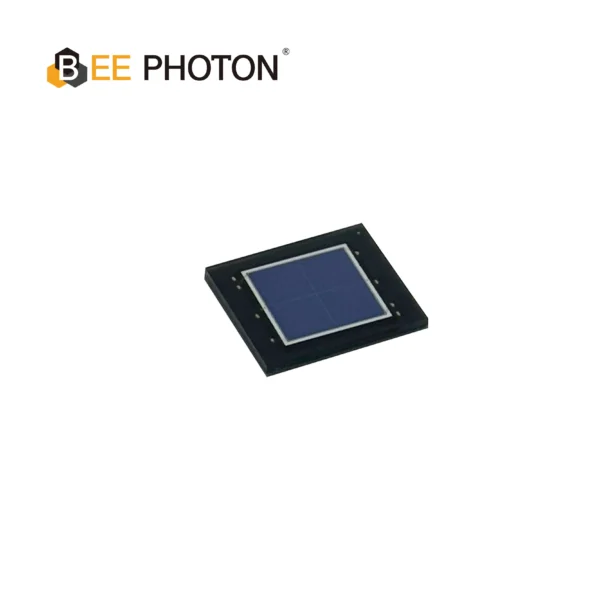
Conjunto de fotodiodos PIN de Si de cuatro cuadrantes PD PDCA04-102
Encuentre su B2B Si PIN Photodiode Array en Bee Photon, un fabricante de confianza para clientes OEM. Nuestros detectores de cuatro cuadrantes ofrecen una alta consistencia para aplicaciones industriales y pedidos al por mayor. Póngase en contacto con nosotros si necesita una matriz de fotodiodos personalizada.
Key Components When Developing Agriculture Drones with Multispectral Sensors
Building a solid drone starts with picking the right parts. Here’s what I’ve seen work best.
1. Choosing the Multispectral Sensor
Not all sensors are equal. Look for ones with at least 4-6 bands: Green, Red, Red Edge, NIR, maybe Blue.
Popular ones include MicaSense RedEdge series (5 bands + panchromatic for high res) or Sentera options (compact, lightweight). They need good calibration – sunlight sensors help correct for changing light during flights.
Key specs to check:
- Spectral bands accuracy
- Resolution (at least 1-2 MP per band)
- Weight (under 200g ideal for most drones)
- Trigger & sync options with flight controller
2. Drone Platform Considerations
Multirotor for small fields, fixed-wing for big coverage. Payload capacity matters – multispectral + RTK GPS adds weight.
Battery life – aim for 30+ min flights to cover 100+ acres.
3. Integration Challenges
Sync the sensor with flight controller for geotagged images. Use PWM or Ethernet triggers.
Software side – data processing is huge. Tools like Pix4Dfields or DroneDeploy handle stitching, index calculation, and export for variable rate apps.
4. Data Accuracy & Best Practices
Fly around solar noon, clear skies. Use downwelling light sensor for reflectance correction.
Calibrate sensor before season. Ground truth data with handheld meters to validate.
Real-World Benefits and Applications for Crop Monitoring
Companies building these drones target ag tech firms needing reliable agriculture drone sensors for crop monitoring.
Typical wins:
- Early stress detection (water, nutrients, disease)
- Variable rate fertilizer/irrigation – cut inputs 10-30%
- Yield prediction – some studies show 15-20% better estimates
One example from trials: wheat fields using drone multispectral showed strong NDVI ties to final yield. Farmers adjusted nitrogen mid-season, saving costs without losing output.
Another case: paddy fields in Asia. Drones spotted pest zones, targeted spraying, leading to 20% yield bump (from ~50 to 60 quintals/acre in some reports).
In veggies like lettuce, chlorophyll maps from sensors caught issues early, improving management.
These aren’t made-up – they come from field tests and published work showing real gains in resource use and sustainability.

Si PIN Photodiode Array Dual PD PDCA02-101
Bee Photon offers a high reliability Silicon PIN Photodiode Array for precise optical sensing. This custom photodiode array ensures superior performance and long-term stability.
Challenges and How to Overcome Them
It’s not all smooth. Weather messes with flights. Data overload – processing takes time.
Solution: Build in auto-processing pipelines. Use AI for anomaly detection.
Regulations – FAA or local rules for BVLOS. Plan certifications early.
Cost – good sensors run $5k-15k. But ROI comes quick – one season of saved inputs pays back.
Success Stories from the Field
I can share a few anonymized ones from projects.
A mid-size farm group integrated custom multispectral drones. They focused on corn. Early nitrogen maps cut fertilizer by 15%, yield up ~8-10%. Payback in under two seasons.
Another: vineyard team. Red Edge data spotted water stress zones. Precision irrigation saved water and improved grape quality.
These show when you get the sensor right – and pair it with good software – clients see measurable wins.
PREGUNTAS FRECUENTES
What is the main difference between NDVI and NDRE in multispectral crop monitoring?
NDVI works great early-mid season for biomass and general health. NDRE is better later on because red edge band sees chlorophyll deeper in thick canopies – less saturation.
How much yield improvement can farmers expect from multispectral sensors on drones?
It varies, but 10-20% gains are common in trials – from better timing on inputs and early fixes. One paddy case hit 20% with targeted pest control.
Are multispectral sensors hard to integrate into custom agriculture drones?
Not too bad if you pick ones with good docs and interfaces. Biggest headaches are power/sync and calibration. Start with dev kits and test flights.
Ready to Build or Upgrade Your Agriculture Drone Solution?
If you’re an ag tech company hunting for top-notch multispectral sensors to power your crop monitoring drones, we’ve got you. At Fotón abeja, we specialize in high-quality photo-detectors and multispectral components designed for tough field use.
Check out our offerings at https://photo-detector.com/ or drop us a line on the página de contacto. Email works too: info@photo-detector.com.
Whether you need custom sensor advice, quotes, or partnership details – let’s chat. The sooner you get reliable agriculture drone sensors on your platform, the faster your clients see those field improvements.
Thanks for reading – hope this helps your next project take off. Drop questions below if something’s unclear! 🚀