¿Te has preguntado alguna vez cómo funcionan los medidores de luz o por qué tu cámara sabe exactamente la luminosidad de la escena? Resulta que en gran parte se trata de algo muy sencillo: los fotodiodos. Estos pequeños dispositivos convierten la luz en electricidad y son muy útiles para medir la intensidad de la luz. Si te estás iniciando en la medición de la luz, o fotometría, los fotodiodos son una buena forma de empezar.
A lo largo de los años he jugueteado bastante con estos aparatos, desde simples proyectos de aficionado hasta configuraciones más serias para comprobar la luz ambiental en distintos entornos. Y sí, no son perfectos, pero hacen el trabajo de forma fiable y sin demasiadas complicaciones.
¿Qué es la fotometría?
La fotometría es básicamente la ciencia de medir la luz de forma que coincida con cómo la ven nuestros ojos. Es diferente de medir la energía bruta porque la visión humana no es igual en todos los colores: somos más sensibles a la luz verde, en torno a los 555 nm.
Unidades clave con las que te encontrarás:
- Flujo luminoso: Potencia luminosa “visible” total, en lúmenes (lm).
- Iluminancia: Cuánta luz incide sobre una superficie, en lux (lx), es decir, lúmenes por metro cuadrado.
- Intensidad luminosa: Luz en una dirección determinada, en candela (cd).
Por ejemplo, la luz solar directa puede alcanzar unos 100.000 luxes, mientras que un salón acogedor puede tener entre 100 y 500 luxes. En las oficinas, el objetivo suele ser 300-500 lux en los escritorios.
Los fotodiodos encajan perfectamente porque los de silicio tienen una curva de respuesta muy parecida a la del ojo humano en el rango visible, con un pico en torno a los 900 nm, pero aún fuerte en luz visible.
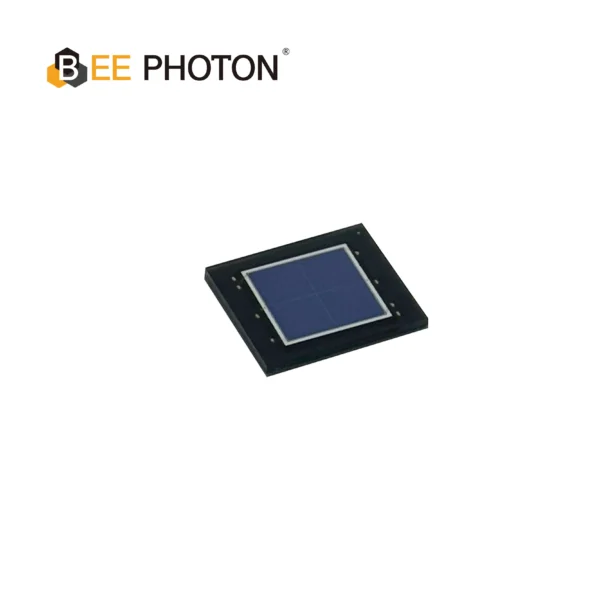
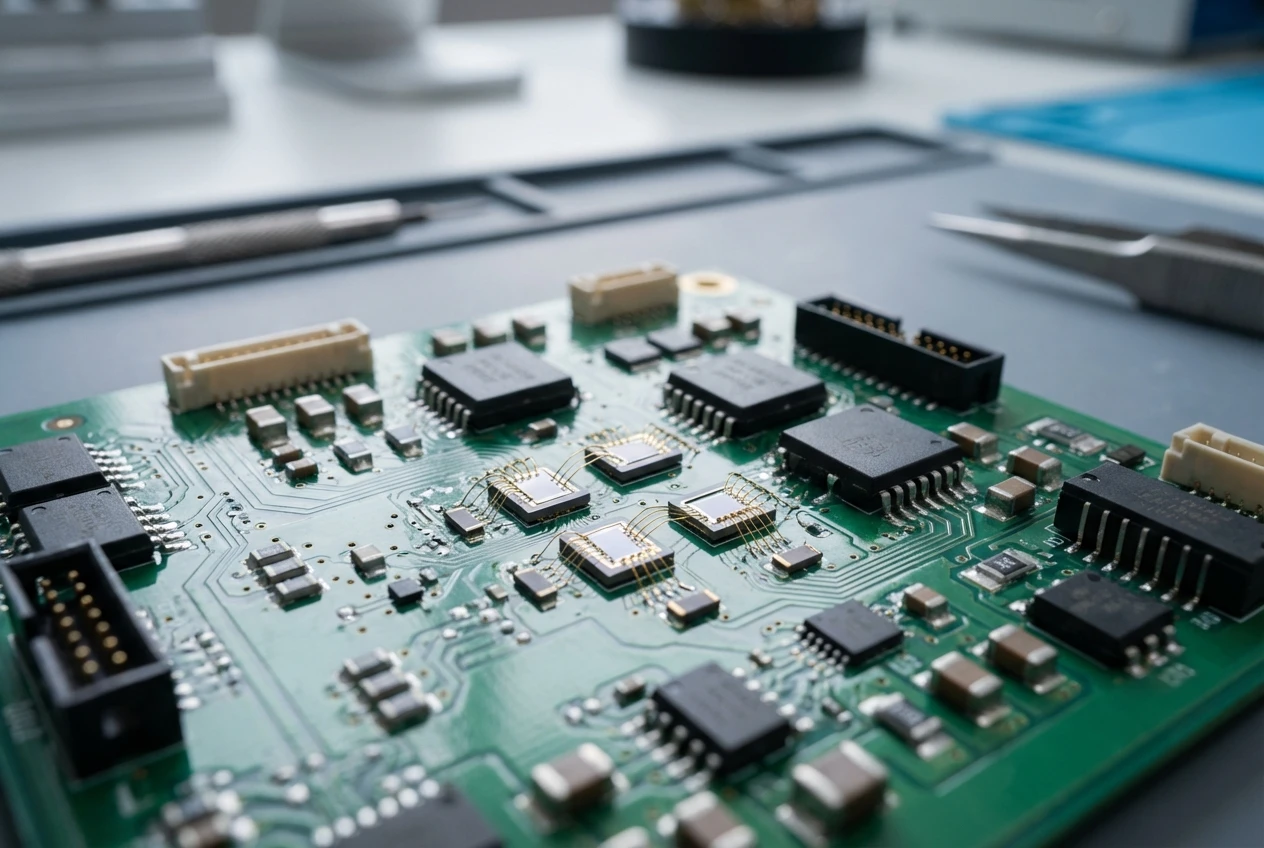
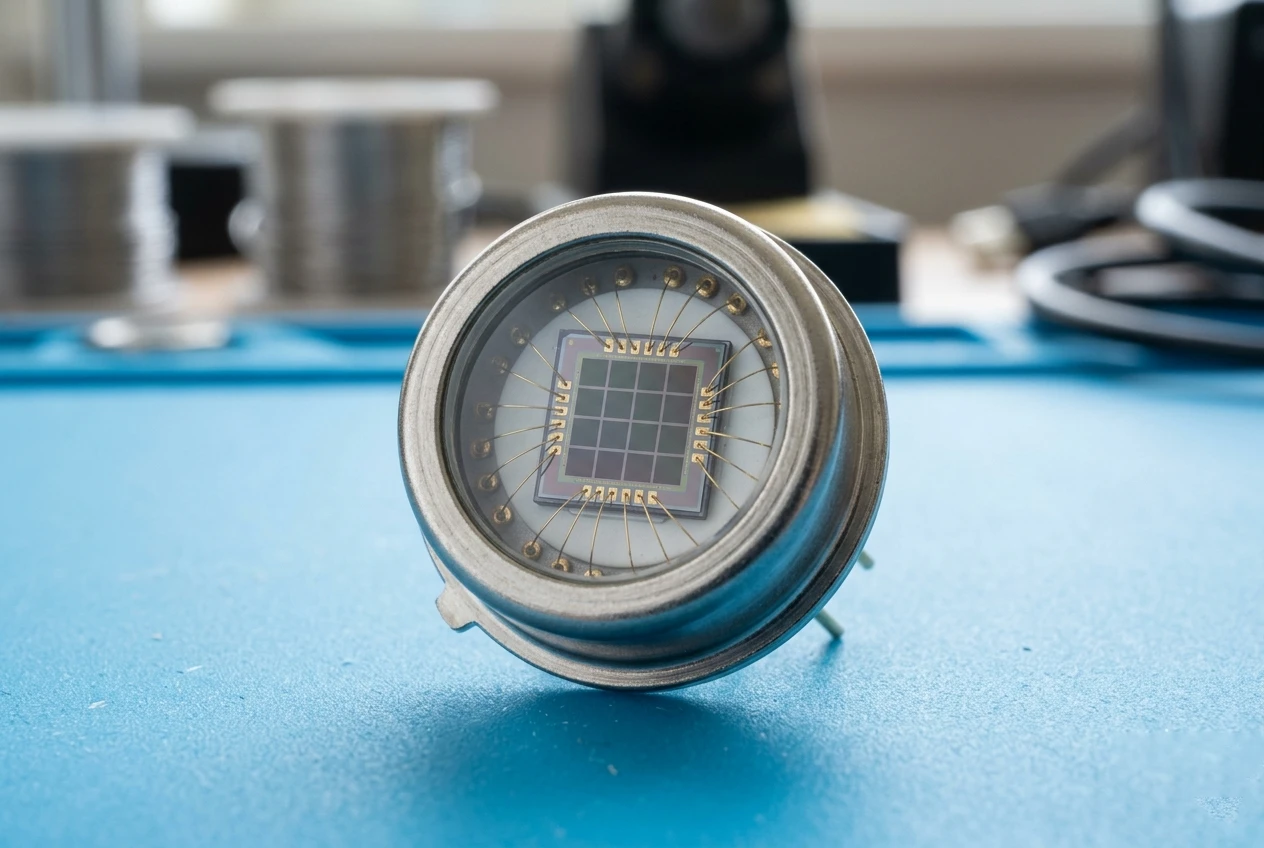
Conjunto de fotodiodos PIN de Si de cuatro cuadrantes PD PDCA04-102
En busca de un alto rendimiento B2B Conjunto de fotodiodos PIN de Si para la detección de precisión? En PDCA04-102 es un detector premium de cuatro cuadrantes diseñado para aplicaciones industriales OEM. Con un robusto encapsulado de 16,5×14,5 mm y cuatro grandes elementos fotosensibles de 5×5 mm, esta matriz ofrece una consistencia y sensibilidad excepcionales para la detección de posición y los sistemas de alineación láser. Asóciese con Bee Photon para obtener una fabricación a granel fiable y soluciones personalizadas.
Cómo funcionan los fotodiodos para medir la luz
Un fotodiodo no es más que una unión semiconductora que genera corriente cuando incide sobre ella la luz. Los fotones desprenden electrones, creando pares electrón-hueco, y ese flujo es la fotocorriente, directamente proporcional a la intensidad de la luz.
En la práctica, los fotodiodos PIN de silicio son populares porque la capa “I” (intrínseca) los hace más sensibles y rápidos. La sensibilidad típica del silicio es de entre 0,5 y 0,6 A/W en luz visible, lo que significa que por cada vatio de potencia luminosa se obtiene aproximadamente medio amperio de corriente.
La corriente oscura es la pequeña fuga incluso sin luz - normalmente nanoamperios, pero importa para cosas con poca luz.
Fotodiodo frente a otros sensores
He aquí una rápida tabla comparativa para aclarar las cosas:
| Tipo de sensor | Pros | Contras | Lo mejor para |
|---|---|---|---|
| Fotodiodo | Respuesta lineal, rápida y precisa | Necesita amplificación para señales débiles | Medición precisa de la luz, fotometría |
| Fototransistor | Ganancia incorporada, mayor salida | Menos lineal, más lento | Detección simple de encendido/apagado |
| Fotoresistencia (LDR) | Barato, fácil de usar | Lento, no lineal | Proyectos básicos de hobby |
Los fotodiodos ganan en intensidad luminosa real porque son lineales: doble de luz, doble de corriente.
Construcción de un fotómetro básico con un fotodiodo
Para empezar, no necesitas un equipo sofisticado. Un circuito sencillo puede convertir un fotodiodo en un medidor de luz decente.
Circuito simple de resistencias
Conecta el fotodiodo en polarización inversa con una resistencia (digamos 10kΩ). Mida el voltaje a través de la resistencia - es proporcional a la luz.
Pero para obtener mejores resultados, utiliza un amplificador de transimpedancia. Se trata de un amplificador óptico que convierte la corriente en tensión de forma limpia.
Transimpedancia básica:
- Cátodo de fotodiodo a entrada inversora de amplificador operacional.
- Resistencia de realimentación (100kΩ a 1MΩ dependiendo del rango) de la salida a la entrada inversora.
- Entrada no inversora conectada a tierra.
Tensión de salida = fotocorriente × resistencia de realimentación.
He construido unos cuantos como este, y calibrar contra un luxómetro conocido es clave. Para un fotodiodo BPW34 con resistencia de 10k, la conversión aproximada es alrededor de Lux ≈ 1333 × Vo (de especificaciones reales).
Consejos de calibración
No hay dos configuraciones idénticas, así que calibra:
- Lectura oscura: Tápalo, offset de notas.
- Fuentes conocidas: Luz solar (~100k lux), luz ambiente, etc.
- Para la luz visible, la respuesta de la silicona es buena, pero añade un filtro si quieres una respuesta más cercana a la del ojo.
Por qué los fotodiodos PIN de Si son excelentes para esto
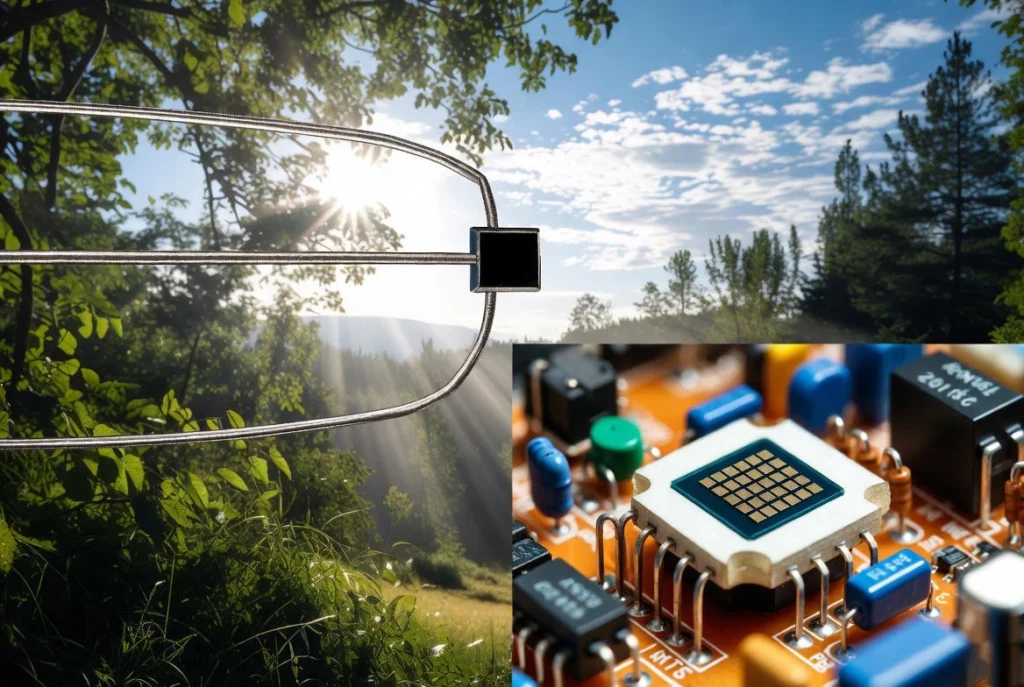
En Bee Photon, utilizamos Fotodiodo PIN de Si en muchos proyectos. Son fiables, con una buena respuesta espectral de 400-1100 nm, con un pico en el infrarrojo cercano, pero sólidos para la fotometría visible.
En una ocasión, un cliente quería controlar las luces de cultivo de sus plantas. Le propusimos una sencilla configuración con PIN, que funcionó muy bien para el seguimiento de la PAR (radiación fotosintéticamente activa), que se superpone a la visible.
Otro escenario: Comprobar la uniformidad de los paneles LED. Las matrices ayudan a distribuir la intensidad por zonas.
Niveles comunes de intensidad luminosa
Para que te hagas una idea, aquí tienes una tabla de valores típicos de iluminancia:
| Medio ambiente | Lux aproximado |
|---|---|
| Luz de luna llena | 0.1-1 |
| Alumbrado público nocturno | 10-50 |
| Iluminación interior | 100-300 |
| Mesa de despacho | 400-500 |
| Día nublado | 1,000-10,000 |
| Luz solar directa | 50,000-100,000 |
Se trata de referencias de fotometría estándar, muy útiles para probar el medidor.
Consejos avanzados para medir mejor
- Predisposición inversa: acelera las cosas, reduce la capacitancia.
- Temperatura: La respuesta de la silicona cambia un poco con el calor - compense si es preciso.
- Ruido: Utilice op-amps de bajo ruido para luz tenue.
- Rango dinámico: Conmuta las resistencias de realimentación para brillo frente a oscuridad.
En un proyecto, nos enfrentamos al parpadeo de los fluorescentes.
Aplicaciones reales
Los fotómetros basados en fotodiodos aparecen por todas partes:
- Cámaras: Exposición automática.
- Control ambiental: UV o visible para la seguridad.
- Industrial: Control de calidad en la fabricación de iluminación.
- Agricultura: Optimización de la luz en invernaderos.
Hemos visto a clientes utilizar nuestros detectores para sistemas de sombreado automatizados: miden la luz exterior y ajustan las persianas.
Para terminar
Utilizar fotodiodos para medir la intensidad luminosa es sencillo una vez que se conocen los fundamentos. Empieza por lo sencillo, calibra y tendrás un medidor de luz sólido.
Si está construyendo algo o necesita componentes fiables, visite el sitio de Bee Photon en https://photo-detector.com/. Tenemos opciones Si PIN de calidad.
¿Le interesa una configuración personalizada? Escríbenos a info@photo-detector.com o a través de nuestro página de contacto. Estaremos encantados de ayudarle con presupuestos o consejos.
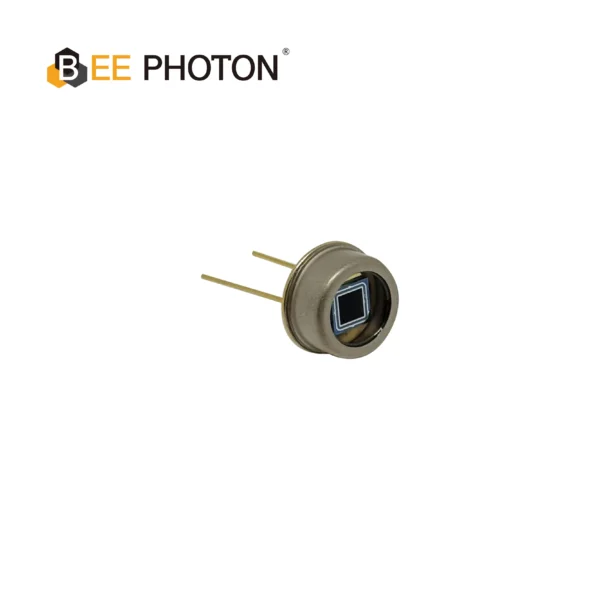
Fotodiodo PIN de Si con sensibilidad UV mejorada (190-1100nm) PDCT06-F01
Consiga una rápida captura de señales con nuestro fotodiodo PIN de Si de tiempo de subida rápido. Optimizado para comunicaciones ópticas y detección de impulsos con baja capacitancia y alta fiabilidad. Consiga hoy mismo el rendimiento de un fotodiodo Si PIN rápido.
PREGUNTAS FRECUENTES
¿Cuál es la diferencia entre un fotodiodo y un diodo normal?
Un diodo normal bloquea la corriente en un sentido, pero un fotodiodo genera corriente a partir de la luz. Está diseñado con una unión más grande para que choquen los fotones.
¿Puedo medir lux directamente con un fotodiodo?
No exactamente sin calibración, ya que el lux se pondera con el ojo. Pero los fotodiodos de silicio se aproximan lo suficiente para muchos usos, especialmente con filtros.
¿Es mejor un fotodiodo que una aplicación de teléfono para medir la luz?
Sí, mucho mejor para la precisión. Las aplicaciones utilizan la cámara, que no está calibrado como un sensor adecuado.