
Haben Sie sich jemals gefragt, wie diese schicken Belichtungsmesser funktionieren oder warum Ihre Kamera genau weiß, wie hell die Szene ist? Es stellt sich heraus, dass ein Großteil davon auf etwas ziemlich Einfaches zurückzuführen ist: Fotodioden. Diese kleinen Geräte wandeln Licht in Elektrizität um und sind sehr praktisch, um die Lichtintensität zu messen. Wenn Sie gerade erst mit der Lichtmessung, oder Photometrie, wie sie genannt wird, beginnen, sind Photodioden eine gute Möglichkeit, die ersten Schritte zu machen.
Ich habe im Laufe der Jahre ziemlich viel mit diesen Dingern herumgebastelt - von einfachen Hobbyprojekten bis hin zu ernsthafteren Setups zur Überprüfung des Umgebungslichts in verschiedenen Umgebungen. Und ja, sie sind nicht perfekt, aber sie erledigen ihre Aufgabe zuverlässig und ohne viel Aufhebens.
Was ist Photometrie überhaupt?
Photometrie ist im Grunde die Wissenschaft von der Messung von Licht in einer Weise, die dem entspricht, wie unsere Augen es sehen. Sie unterscheidet sich von der bloßen Messung der Rohenergie, weil das menschliche Sehvermögen nicht für alle Farben gleich ist - am empfindlichsten sind wir für grünes Licht um 555 nm.
Die wichtigsten Einheiten, auf die Sie stoßen werden:
- Lichtstrom: Gesamte “sichtbare” Lichtleistung, in Lumen (lm).
- Beleuchtungsstärke: Wie viel Licht auf eine Oberfläche trifft, in Lux (lx) - das sind Lumen pro Quadratmeter.
- Lichtstärke: Licht in einer bestimmten Richtung, in Candela (cd).
Direktes Sonnenlicht kann beispielsweise 100.000 Lux erreichen, während in einem gemütlichen Wohnzimmer vielleicht 100-500 Lux erreicht werden. In Büroräumen werden oft 300-500 Lux auf den Schreibtischen angestrebt.
Fotodioden passen genau hierher, denn Siliziumdioden haben eine Ansprechkurve, die dem menschlichen Auge im sichtbaren Bereich ziemlich nahe kommt und bei 900 nm ihren Höhepunkt erreicht, aber immer noch stark im sichtbaren Licht ist.
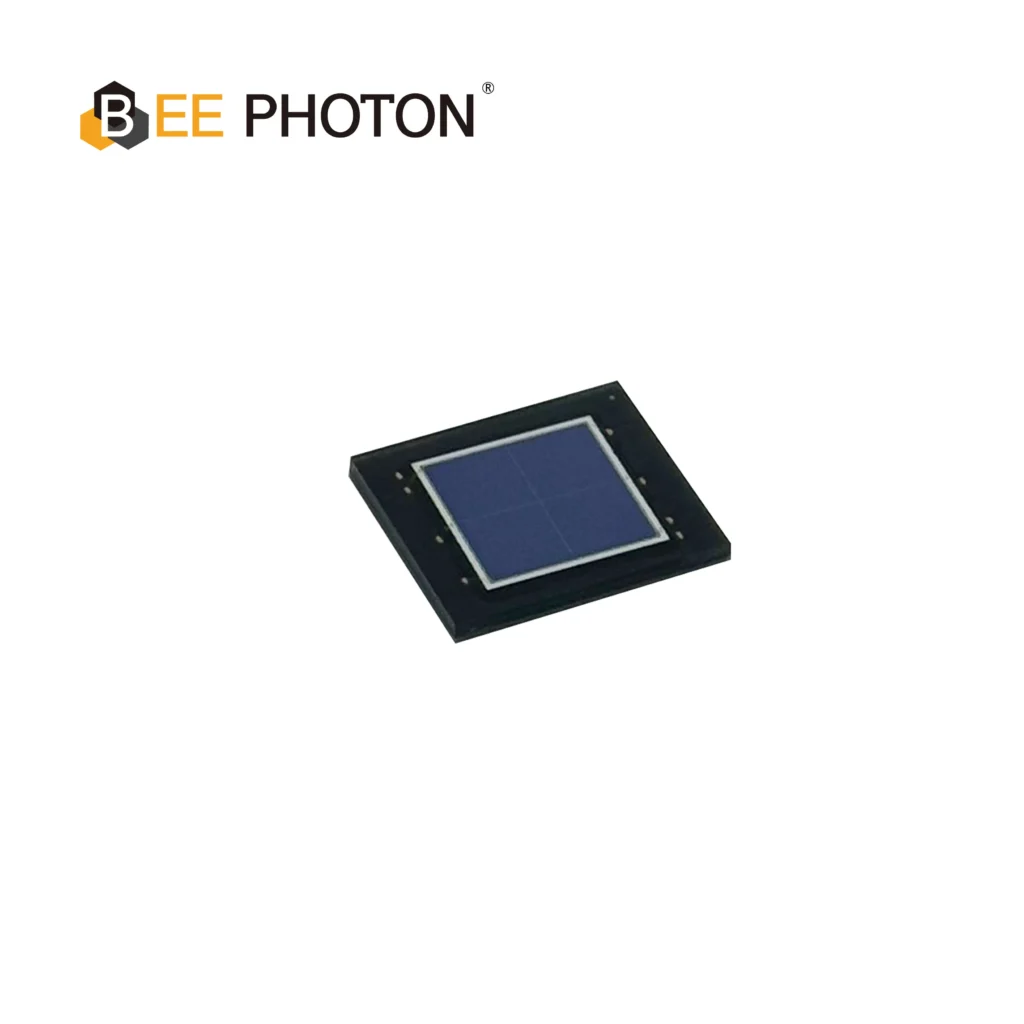
Si-PIN-Photodioden-Array Vier-Quadranten-PD PDCA04-102
Auf der Suche nach einem leistungsstarken B2B Si-PIN-Photodioden-Array für die Präzisionserfassung? Die PDCA04-102 ist ein hochwertiger Vier-Quadranten-Detektor, der für industrielle OEM-Anwendungen entwickelt wurde. Mit einem robusten 16,5×14,5 mm Gehäuse mit vier großen 5×5 mm großen lichtempfindlichen Elementen bietet dieses Array eine außergewöhnliche Konsistenz und Empfindlichkeit für Positionserfassungs- und Laserausrichtungssysteme. Arbeiten Sie mit Bee Photon zusammen, wenn es um zuverlässige Massenfertigung und kundenspezifische Lösungen geht.
Wie Photodioden für die Lichtmessung funktionieren
Eine Fotodiode ist einfach ein Halbleiterübergang, der Strom erzeugt, wenn Licht auf ihn trifft. Photonen lösen Elektronen aus, die Elektron-Loch-Paare bilden, und dieser Stromfluss ist der Photostrom - direkt proportional zur Lichtintensität.
In der Praxis sind PIN-Photodioden aus Silizium sehr beliebt, da sie durch die “I”-Schicht (intrinsisch) empfindlicher und schneller sind. Die typische Empfindlichkeit von Silizium liegt bei etwa 0,5-0,6 A/W im sichtbaren Licht, d. h. für jedes Watt Lichtleistung erhält man etwa einen halben Ampere Strom.
Der Dunkelstrom ist das winzige Leck, das auch ohne Licht auftritt - in der Regel sind es Nanoampere, aber das ist bei schwachem Licht wichtig.
Photodiode im Vergleich zu anderen Sensoren
Hier ist eine schnelle Vergleichstabelle, um die Dinge zu klären:
| Sensor-Typ | Profis | Nachteile | Am besten für |
|---|---|---|---|
| Fotodiode | Lineare Reaktion, schnell, genau | Benötigt Verstärkung für schwache Signale | Präzise Lichtmessung, Photometrie |
| Fototransistor | Eingebaute Verstärkung, höhere Leistung | Weniger linear, langsamer | Einfache Ein/Aus-Erkennung |
| Fotowiderstand (LDR) | Günstig, einfach zu bedienen | Langsam, nichtlinear | Einfache Hobby-Projekte |
Fotodioden eignen sich am besten für die Arbeit mit echter Lichtintensität, weil sie linear sind - doppeltes Licht, doppelter Strom.
Bau eines einfachen Belichtungsmessers mit einer Fotodiode
Für den Anfang brauchen Sie keine ausgefallene Ausrüstung. Eine einfache Schaltung kann eine Fotodiode in einen anständigen Belichtungsmesser verwandeln.
Einfache Widerstandsschaltung
Schließen Sie die Fotodiode in Sperrrichtung mit einem Widerstand (z. B. 10kΩ) an. Messen Sie die Spannung über dem Widerstand - sie ist proportional zum Licht.
Bessere Ergebnisse erzielen Sie jedoch mit einem Transimpedanzverstärker. Das ist eine Operationsverstärkeranordnung, die Strom sauber in Spannung umwandelt.
Grundlegende Transimpedanz:
- Kathode der Photodiode an invertierendem Eingang des Operationsverstärkers.
- Rückkopplungswiderstand (100kΩ bis 1MΩ je nach Bereich) vom Ausgang zum invertierenden Eingang.
- Nicht-invertierender Eingang geerdet.
Ausgangsspannung = Fotostrom × Rückkopplungswiderstand.
Ich habe ein paar solcher Geräte gebaut, und die Kalibrierung mit einem bekannten Luxmeter ist der Schlüssel. Für eine BPW34 Fotodiode mit 10k Widerstand, grobe Umwandlung ist etwa Lux ≈ 1333 × Vo (von realen Spezifikationen).
Tipps zur Kalibrierung
Keine zwei Einstellungen sind identisch, also kalibrieren Sie:
- Dunkle Lektüre: Abdecken, Offset notieren.
- Bekannte Quellen: Verwenden Sie Sonnenlicht (~100k Lux), Raumlicht, etc.
- Für sichtbares Licht ist die Reaktion von Silizium gut, aber fügen Sie einen Filter hinzu, wenn Sie eine augenähnliche Reaktion wünschen.
Warum Si-PIN-Photodioden für diese Aufgabe geeignet sind
Bei Bee Photon verwenden wir Si-PIN-Fotodiode Arrays in vielen Projekten eingesetzt. Sie sind zuverlässig und haben eine gute spektrale Empfindlichkeit von 400-1100 nm, mit Spitzenwerten im nahen IR, aber solide für die sichtbare Photometrie.
Wir schlugen eine einfache PIN-Einrichtung vor, die sich hervorragend für die Überwachung von PAR (photosynthetisch aktive Strahlung) eignete, die sich mit der sichtbaren Strahlung überschneidet.
Ein anderes Szenario: Überprüfung der Gleichmäßigkeit von LED-Panels. Arrays helfen, die Intensität in verschiedenen Bereichen abzubilden.
Übliche Lichtintensitätsstufen
Um Ihnen eine Vorstellung davon zu geben, finden Sie hier eine Tabelle mit typischen Beleuchtungsstärkewerten:
| Umwelt | Ungefähres Lux |
|---|---|
| Voller Mondschein | 0.1-1 |
| Straßenbeleuchtung bei Nacht | 10-50 |
| Beleuchtung im Haus | 100-300 |
| Bürotisch | 400-500 |
| Bedeckter Tag | 1,000-10,000 |
| Direkte Sonneneinstrahlung | 50,000-100,000 |
Diese Werte stammen aus den Standard-Referenzwerten für die Fotometrie - praktisch, um Ihr Messgerät zu testen.
Erweiterte Tipps für bessere Messungen
- Sperrvorspannung: Beschleunigt die Abläufe, reduziert die Kapazität.
- Temperatur: Das Ansprechverhalten von Silizium ändert sich bei Hitze ein wenig - kompensieren Sie dies, wenn Sie es genau wissen wollen.
- Rauschen: Verwenden Sie rauscharme Operationsverstärker für schwaches Licht.
- Dynamischer Bereich: Schalten Sie die Rückkopplungswiderstände für hell und dunkel um.
Bei einem Projekt hatten wir es mit flackernden Leuchtstoffröhren zu tun - die Mittelwertbildung der Messwerte glättete das Problem.
Anwendungen in der realen Welt
Belichtungsmesser auf Fotodiodenbasis tauchen überall auf:
- Kameras: Automatische Belichtung.
- Umweltüberwachung: UV oder sichtbar für Sicherheit.
- Industriell: Qualitätskontrolle in der Beleuchtungsherstellung.
- Landwirtschaft: Optimierung der Gewächshausbeleuchtung.
Wir haben gesehen, wie Kunden unsere Detektoren für automatische Beschattungssysteme eingesetzt haben - sie messen das Außenlicht und passen die Jalousien an.
Einpacken
Die Verwendung von Fotodioden zur Messung der Lichtintensität ist einfach, wenn man die Grundlagen kennt. Beginnen Sie einfach, kalibrieren Sie, und schon haben Sie einen soliden Belichtungsmesser.
Wenn Sie etwas bauen oder zuverlässige Komponenten benötigen, besuchen Sie die Website von Bee Photon unter https://photo-detector.com/. Wir haben hochwertige Si PIN-Optionen.
Neugierig auf eine individuelle Einrichtung? Schreiben Sie uns eine Nachricht an info@photo-detector.com oder über unser Kontaktseite. Wir helfen Ihnen gerne mit Angeboten oder Ratschlägen.
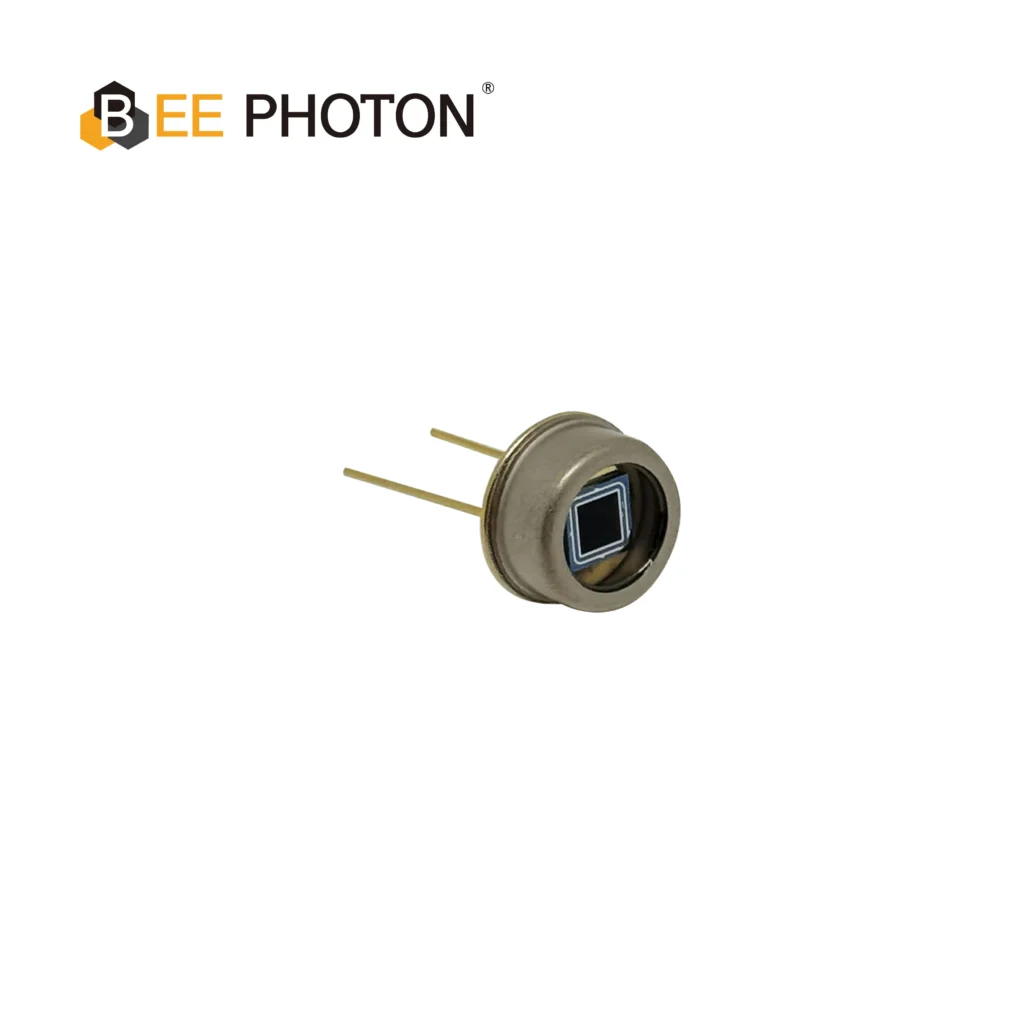
Si-PIN-Photodiode mit erhöhter UV-Empfindlichkeit (190-1100nm) PDCT06-F01
Erzielen Sie eine schnelle Signalerfassung mit unserer Si-PIN-Photodiode mit schneller Anstiegszeit. Optimiert für optische Kommunikation und Impulserkennung mit niedriger Kapazität und hoher Zuverlässigkeit. Nutzen Sie noch heute die Leistung einer schnellen Si-PIN-Photodiode.
FAQ
Was ist der Unterschied zwischen einer Fotodiode und einer normalen Diode?
Eine normale Diode sperrt den Strom in eine Richtung, aber eine Fotodiode erzeugt Strom aus Licht. Sie hat einen größeren Knotenpunkt, auf den die Photonen treffen können.
Kann ich Lux direkt mit einer Fotodiode messen?
Nicht ganz ohne Kalibrierung, da Lux augengewichtet ist. Aber Silizium-Fotodioden sind für viele Anwendungen nahe genug, insbesondere mit Filtern.
Ist eine Fotodiode besser als eine Handy-App zur Lichtmessung?
Ja, viel besser für die Genauigkeit. Apps verwenden die Kamera, die nicht wie ein richtiger Sensor kalibriert ist.


