
Wenn Sie bauen oder aufrüsten wollen optische Sortiermaschinen für die Lebensmittelverarbeitung, wissen Sie, dass der Druck hoch ist. Die Produktionslinien werden jedes Jahr schneller, die Kunden verlangen Nullfehler, und ein winziger Fremdkörper oder ein verdorbenes Stück kann große Probleme in der nachgelagerten Produktion verursachen. Das ist der Punkt Hochgeschwindigkeits-Fotodioden Sie sind die stillen Helden, die diese Probleme mit rasender Geschwindigkeit lösen.
Wir waren in diesem Spiel bei Bienen-Photon Seit Jahren hilft sie Hersteller von Lebensmittelverarbeitungsmaschinen Sensoren zu bekommen, die mit modernen Bändern mithalten können, die mit 3-5 m/s oder mehr fliegen. In diesem Beitrag erläutere ich, warum Hochgeschwindigkeits-Photodioden für die Lebensmittelsortierung so wichtig sind, worauf man achten muss, welche Beispiele es in der Praxis gibt (ohne Namen zu nennen) und wie sie sich in Lebensmittelsicherheitskontrolle und Farbsortiersensoren.
Warum Geschwindigkeit beim optischen Sortieren von Lebensmitteln heute wichtig ist
Das Sortieren von Lebensmitteln ist nicht mehr das, was es einmal war. Früher konnten die Maschinen ein paar Tonnen pro Stunde verarbeiten. Und heute? Spitzenanlagen verarbeiten stündlich Millionen von Artikeln. Jüngsten Branchenberichten zufolge liegt der weltweite Markt für Lebensmittelsortiermaschinen im Jahr 2025 bei 2,6 bis 3,4 Mrd. USD und bewegt sich bis Anfang der 2030er Jahre auf 4 bis 5,5 Mrd. USD zu, mit einer CAGR von 4 bis 9%, je nachdem, wen Sie fragen (Quellen wie Future Market Insights und Mordor Intelligence). Optische Sortiergeräte machen den größten Teil des Marktes aus - oft 40-57% -, weil sie Farbe, Form und Fehler erkennen, ohne das Produkt zu berühren.
Der Engpass? Die Detektor. Wenn Ihre Fotodiode nicht schnell genug reagieren kann, entgehen Ihnen Fehler. Ein langsamer Sensor bedeutet unscharfe Signale bei hohen Bandgeschwindigkeiten, was zu falschem Ausschuss (verschwendetes gutes Produkt) oder - noch schlimmer - zu falscher Akzeptanz (Qualitätsbeschwerden oder Rückrufe) führt.
Hochgeschwindigkeits-Si-PIN-Photodioden lösen dieses Problem mit Anstiegszeiten bis in den Nanosekundenbereich. Einige Modelle erreichen eine Bandbreite von 500 MHz oder mehr. Das bedeutet eine eindeutige Erkennung, selbst wenn die Produkte mit Fördergeschwindigkeiten von bis zu 3 m/s oder mehr in fortschrittlichen Anlagen vorbeiflitzen.
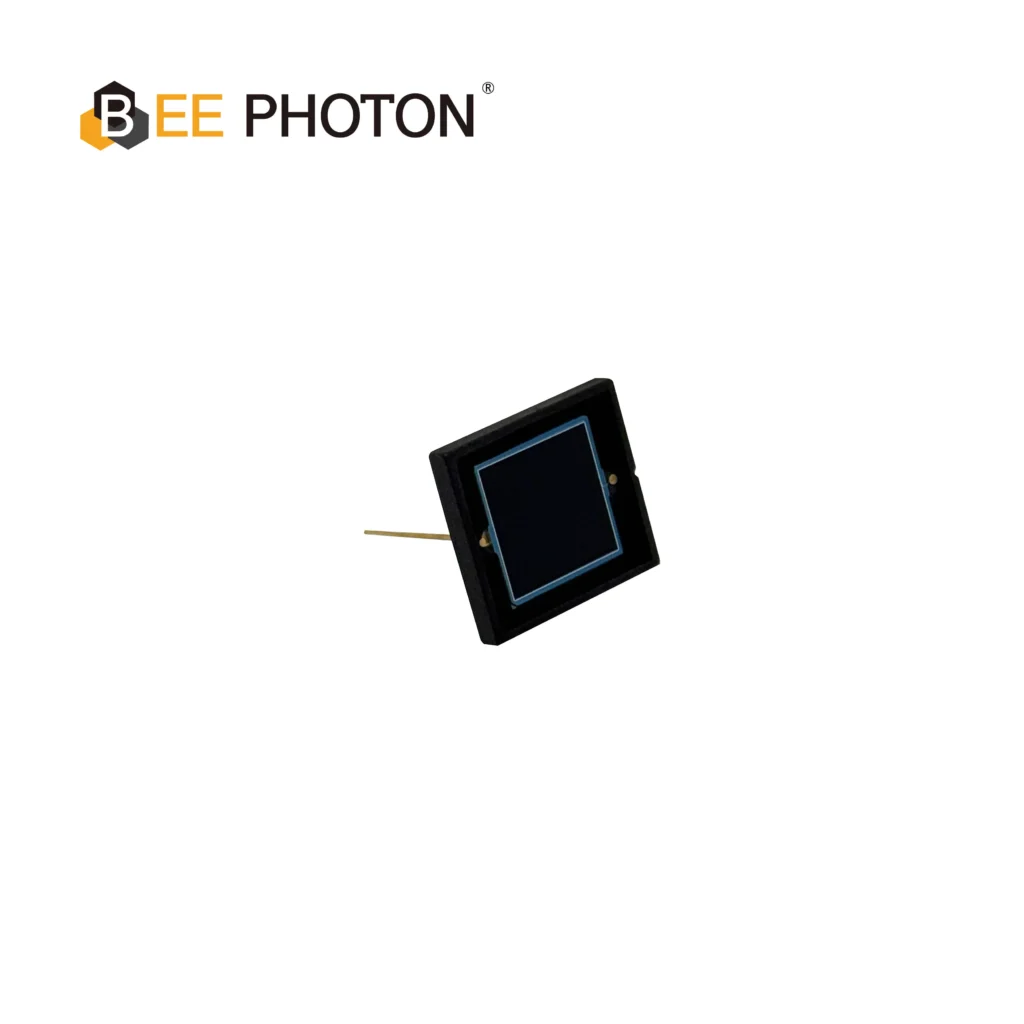
Si-PIN-Photodiode mit erhöhter UV-Empfindlichkeit (190-1100nm) PDCD100-F01
Unsere Si-PIN-Photodiode gewährleistet eine hohe Empfindlichkeit und Zuverlässigkeit für analytische Instrumente. Diese ultraviolette (UV) empfindliche Photodiode mit Quarzfenster bietet präzise Messungen von 190nm bis 1100nm.
Die wichtigsten Vorteile von Hochgeschwindigkeits-Photodioden in der Lebensmittelverarbeitung
Lassen Sie uns praktisch werden. Das ist der Grund, warum die Hersteller immer wieder auf schnelle Fotodioden zurückgreifen:
- Superschnelle Reaktion - Mit einer Anstiegszeit von nur 1-3 ns lassen sich winzige Defekte auf sich schnell bewegenden Bändern ohne Bewegungsunschärfe erfassen.
- Hohe Empfindlichkeit - Die gute Empfindlichkeit (ca. 0,5-0,6 A/W im sichtbaren/NIR-Bereich) erfasst subtile Farbunterschiede oder Fremdkörper.
- Geringes Rauschen und geringe Kapazität - Das bedeutet sauberere Signale und weniger Fehlauslösungen, insbesondere in staubigen oder feuchten Lebensmittelbetrieben.
- Verlässlichkeit in schwierigen Umgebungen - Hermetische Gehäuse sind waschbar, temperaturwechselbeständig und vibrationsfest.
- Kostengünstiges Upgrade - Tauschen Sie alte Detektoren gegen Hochgeschwindigkeitsdetektoren aus, und schon sortiert Ihre Maschine 20-50% schneller, ohne dass alles neu konstruiert werden muss.
In der Praxis trägt dies dazu bei, die Lebensmittelsicherheitsstandards (z. B. FDA- und EU-Vorschriften) einzuhalten, da das Kontaminationsrisiko verringert wird. Eine schlechte Charge Nüsse mit Schimmel oder Plastikteilen kann Zehntausende kosten.
Wie Hochgeschwindigkeits-Photodioden in optischen Sortiermaschinen funktionieren
Die meisten optischen Sortiergeräte verwenden Lichtquellen (LEDs, Laser), die auf den Produktstrom strahlen. Reflektiertes oder durchgelassenes Licht trifft auf die Sensoranordnung. Die Fotodiode wandelt das Licht in ein elektrisches Signal um, das von der Software verarbeitet wird → Auswerfer werfen schlechte Teile aus.
Die Magie geschieht in der Nachweisphase. Hochgeschwindigkeits-Photodioden (insbesondere Si-PIN-Typen) zeichnen sich hier aus, weil:
- Sie verarbeiten sichtbares Licht (400-700 nm) für Farbsortiersensoren
- Erweiterung in den NIR-Bereich (bis zu 1000-1100 nm) zur Erkennung von Feuchtigkeit, Blutergüssen oder für das Auge unsichtbaren Fremdkörpern
- Arbeiten Sie in Arrays oder Line-Scan-Einrichtungen für eine vollständige Produktabdeckung
In einem typischen Sortierband für Gemüse oder Getreide kann das System beispielsweise Tausende von Zeilen pro Sekunde abtasten. Nur Fotodioden mit einer Bandbreite von mehr als 100-500 MHz können hier mithalten, ohne Details zu verlieren.
Auswahl der richtigen Hochgeschwindigkeits-Photodiode für Ihre Anwendung
Nicht alle Fotodioden sind für die Lebensmittelsortierung gleich. Hier finden Sie eine kurze Vergleichstabelle mit typischen Spezifikationen (basierend auf echten Modellen von Branchenführern wie Hamamatsu, OSI und Excelitas):
| Parameter | Standard-Si-PIN | Hochgeschwindigkeits-Si-PIN (empfohlen) | Warum es für die Lebensmittelsortierung wichtig ist |
|---|---|---|---|
| Anstiegszeit | 10-50 ns | 1-5 ns | Kritisch bei hohen Bandgeschwindigkeiten (>2 m/s) |
| Bandbreite | <100 MHz | 300-1500 MHz | Ermöglicht schnelles Scannen ohne Signalverlust |
| Aktiver Bereich | 1-5 mm² | 0,2-4 mm (Array-kompatibel) | Gleichgewicht zwischen Empfindlichkeit und Geschwindigkeit |
| Empfindlichkeit (800 nm) | 0,4-0,5 A/W | 0,55-0,65 A/W | Bessere Erkennung von subtilen Farben/Fremdmaterial |
| Kapazität | 10-50 pF | <1-8 pF | Geringeres Rauschen, besseres SNR in Hochgeschwindigkeitsschaltungen |
| Dunkler Strom | 1-10 nA | <25-100 pA | Reduziert Fehlauslösungen bei schlechten Lichtverhältnissen |
Für die meisten Lebensmittelanwendungen empfehlen wir, mit Modellen zu beginnen, die eine Bandbreite von mindestens 300 MHz und eine geringe Kapazität bieten. Unter Bienen-Photon, unser Si-PIN-Fotodioden Kollektion umfasst Optionen, die genau auf diese Bedürfnisse abgestimmt sind - sehen Sie sich diese hier an: https://photo-detector.com/product-category/si-pin-photodiodes/.

Si-PIN-Photodiode mit erhöhter UV-Empfindlichkeit (190-1100nm) PDCT25-F01
Unsere Si-PIN-Diode mit großem Dynamikbereich gewährleistet eine präzise Messung unterschiedlicher Lichtintensitäten. Sie ist ideal für Leistungsmessgeräte und bietet eine hervorragende Linearität über das Spektrum von 190-1100 nm. Eine zuverlässige Si-PIN-Diode für konstante Leistung.
Reale Anwendungsszenarien, die wir gesehen haben
Wir können die Namen unserer Kunden nicht nennen, aber wir haben bei folgenden Projekten geholfen:
Ein Hersteller, der Sortiermaschinen für Nüsse und Samen herstellt, hatte mit Plastikfragmenten zu kämpfen, die bei 4 Tonnen pro Stunde durchrutschten. Das Unternehmen rüstete auf schnellere Fotodioden mit einer Anstiegszeit von 1 ns um. Die Rückweisungsgenauigkeit stieg sprunghaft an, der Abfall sank um 35% und ein größerer Rückruf nach einem Kontaminationsproblem bei einem Zulieferer konnte vermieden werden.
Ein anderer Fall: Gemüseverarbeiter verwendet Farbsortierung für Kartoffeln. Risse und grüne Flecken waren bei nassem Produkt schwer zu erkennen. Die Umstellung auf Hochgeschwindigkeitsdetektoren mit starker NIR-Reaktion verbesserte die Erkennung, da feuchtigkeitsbedingte Fehler besser erfasst wurden. Die Ausbeute stieg merklich an.
Das sind keine Wunder, sondern nur bessere Sensoren, die auf die Geschwindigkeit der Maschine abgestimmt sind.
FAQ
F: Was ist der Unterschied zwischen Standard- und Hochgeschwindigkeitsfotodioden für optische Sortiermaschinen?
A: Die Standardversionen eignen sich gut für langsame Linien, aber die Hochgeschwindigkeitsversionen (mit Anstiegszeiten unter 5 ns) bewältigen moderne, schnelle Förderbänder ohne Detailverlust. Sie verringern die Zahl der Fehlwürfe und erfassen mehr Fehler.
F: Verbessern Hochgeschwindigkeits-Photodioden die Kontrolle der Lebensmittelsicherheit?
A: Ja, im großen Stil. Eine schnellere und genauere Erkennung bedeutet, dass weniger Fremdkörper oder verdorbene Artikel durchgelassen werden, was zur Einhaltung der strengen Lebensmittelsicherheitskontrolle Standards und die Verringerung von Rückrufrisiken.
F: Woher weiß ich, ob meine aktuellen Sensoren zu langsam sind?
A: Wenn Sie verschwommene Signale sehen, eine hohe Falschrückweisungsrate haben oder die Bandgeschwindigkeit nicht ohne Qualitätseinbußen erhöhen können, sind wahrscheinlich Ihre Fotodioden der Engpass. Testen Sie mit schnelleren Modellen und beobachten Sie den Unterschied.
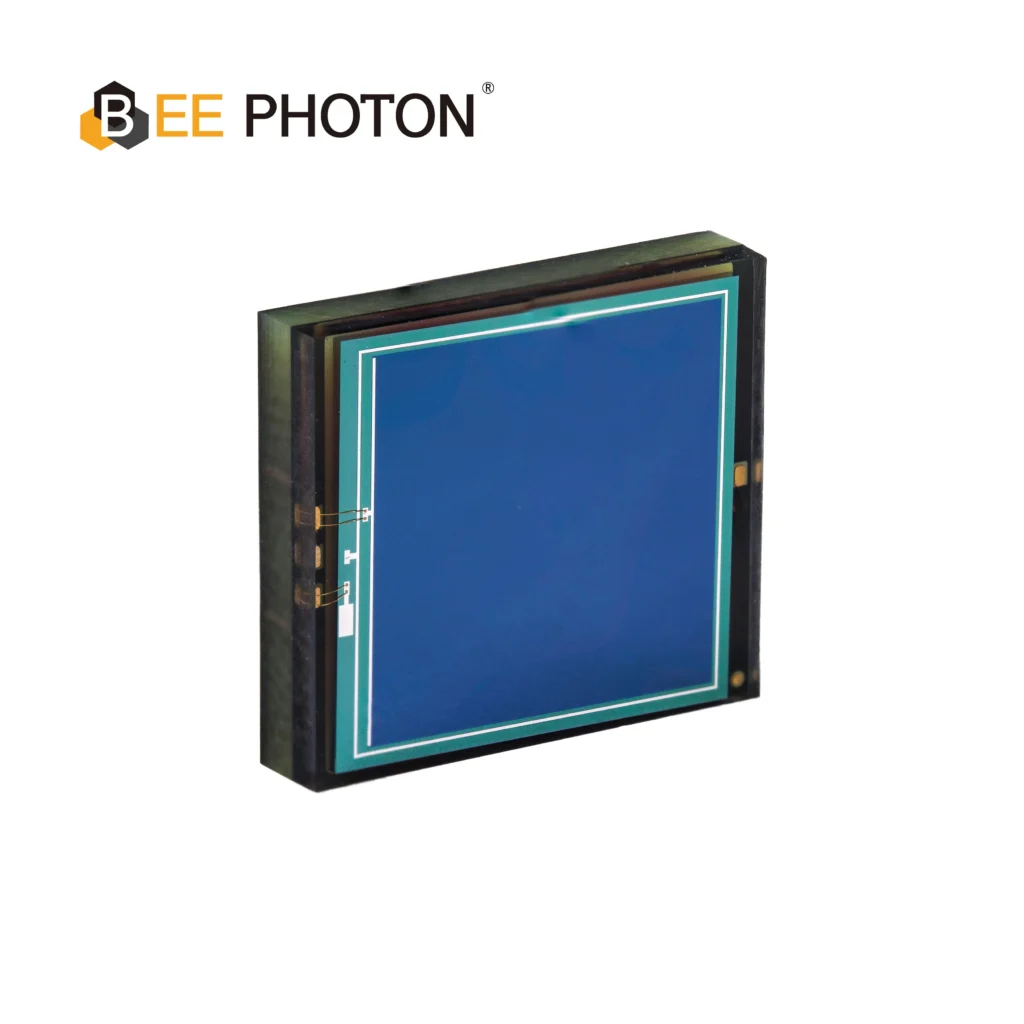
Si-PIN-Photodiode mit erhöhter UV-Empfindlichkeit (320-1060nm) PDCC100-701
Unsere Si-PIN-Photodiode mit hoher Empfindlichkeit bietet ein hervorragendes Signal für anspruchsvolle Anwendungen. Sie zeichnet sich bei der UV-Detektion bei schwachem Licht von 320-1060 nm aus.
Sind Sie bereit, Ihre optischen Sortiermaschinen aufzurüsten?
Lebensmittelverarbeitungsanlagen lassen sich nicht durch schlechte Sensoren ausbremsen. Wenn Sie ein Hersteller von Maschinen für die Lebensmittelverarbeitung zuverlässig sein müssen Hochgeschwindigkeits-Fotodioden die in puncto Geschwindigkeit, Empfindlichkeit und Haltbarkeit für Farbsortiersensoren und Lebensmittelsicherheitskontrolle, Wir halten Ihnen den Rücken frei unter Bienen-Photon.
Besuchen Sie unser Si-PIN-Fotodioden Seite um die Optionen zu sehen. Haben Sie Fragen oder möchten Sie ein Angebot? Schreiben Sie uns eine Nachricht an info@photo-detector.com oder besuchen Sie unsere Kontaktseite: https://photo-detector.com/contact-us/. Wir würden uns gerne über Ihr Projekt unterhalten und herausfinden, wie wir dazu beitragen können, Ihre Maschinen schneller und genauer zu machen.
Lassen Sie sich nicht von einer langsamen Erkennung aufhalten, sondern beseitigen Sie diese Fehler, bevor sie zu Problemen werden. Sprechen Sie bald! 🚀


