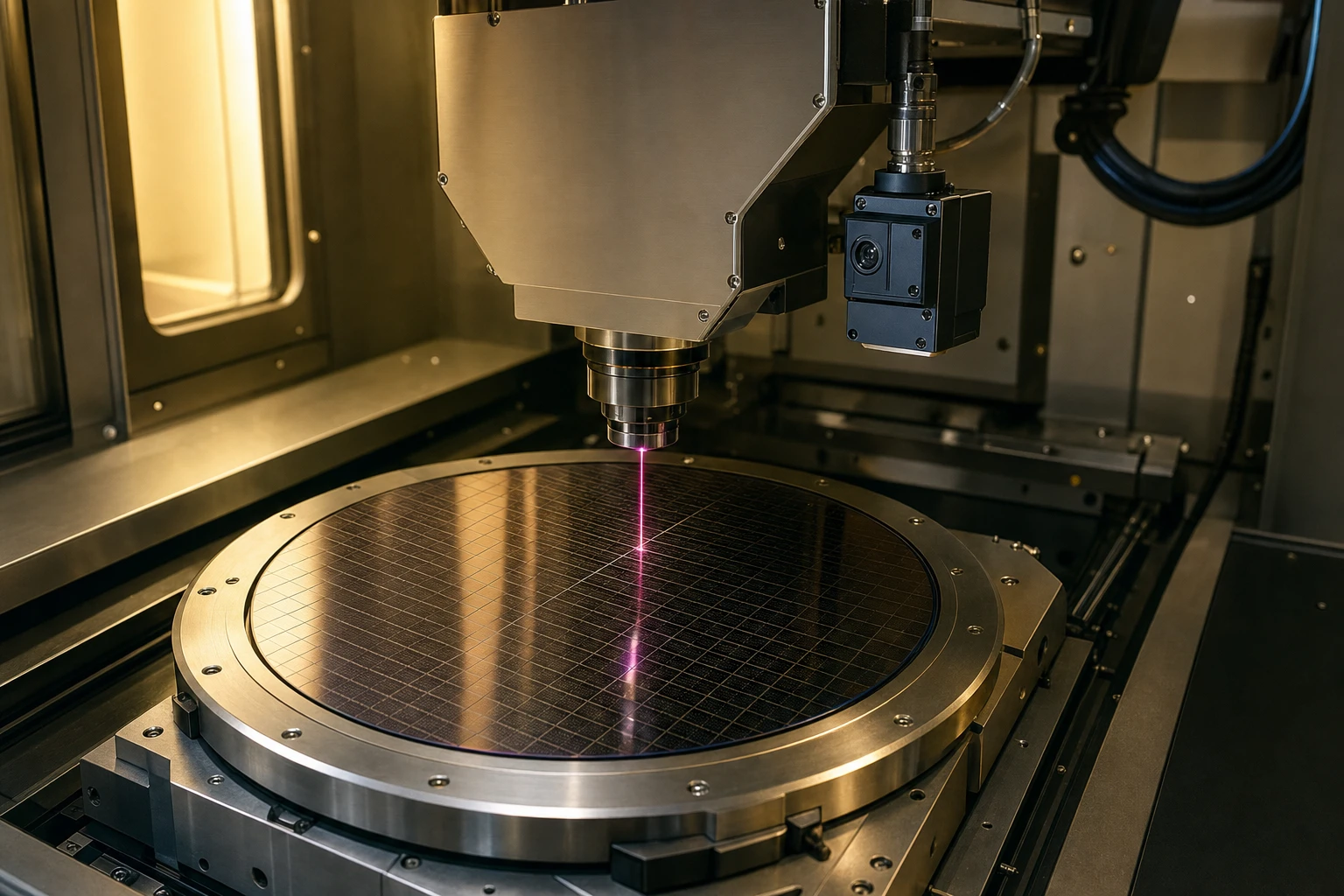
Sehen Sie, ich habe schon ein paar Mal den Automatisierungsblock umrundet. Wenn Sie Anlagen für die automatische optische Inspektion (AOI) bauen, kennen Sie den Albtraum. Ihre Maschine läuft, die Leiterplatten fliegen auf dem Förderband vorbei, und plötzlich - Stopp. Falscher Ausschuss. Schon wieder.
Die Kamera hielt einen Schatten für einen Riss. Oder die Beleuchtung flackerte, und Ihr Sensor übersah einen Brückendefekt in einem Mikrocontroller. Das ist frustrierend.
Die meisten Leute versuchen einfach, das Problem mit besserer Software oder höher auflösenden Kameras zu lösen. Aber ganz ehrlich? Das ist oft die falsche Herangehensweise an das Problem. Der eigentliche Engpass ist in der Regel die Geschwindigkeit und Empfindlichkeit des physischen Sensorelements.
Dies ist der Ort, an dem Photodioden für die industrielle Bildverarbeitung ins Spiel kommen, insbesondere die Silizium-PIN-Variante (Si). Ich spreche hier nicht von gewöhnlichen Lichtsensoren, die man für fünf Cent kaufen kann. Ich spreche von dem Zeug in Industriequalität, mit dem wir bei BeePhoton.
Heute möchte ich Ihnen erläutern, warum der Wechsel zu Si-PIN-Lösungen genau das Upgrade sein könnte, das Ihre Leiterplattenprüfgeräte brauchen. Ich werde die komplizierte Mathematik auf ein Minimum beschränken, aber wir müssen ein wenig über Physik sprechen, um zu verstehen, warum diese Dinger so schnell sind.
Das Problem mit Standardkameras in der Hochgeschwindigkeits-AOI
Wir alle lieben eine gute CMOS-Kamera. Sie sind großartig, um ein hübsches Bild der gesamten Platine aufzunehmen. Aber wenn man nach mikroskopisch kleinen Defekten auf einer Leitung sucht, die sich mit 2 Metern pro Sekunde bewegt, wird die Bildrate zum Killer.
Auch eine Kamera mit Global Shutter hat eine “Auslesezeit”. Während die Kamera die Daten des letzten Bildes verarbeitet, hat sich Ihre Leiterplatte bewegt.
Fotodioden haben keine Rahmen. Sie bieten eine kontinuierliche analoge Ausgabe, die sofort mit der Lichtintensität korreliert. Wenn Sie sie für die Lasertriangulation oder die punktuelle Prüfung bestimmter Komponenten verwenden, wird die Reaktionszeit in Nanosekunden und nicht in Millisekunden gemessen.
In der Welt der PCB-Prüfsensoren, Dieser Unterschied ist alles.
Warum Si-PIN-Photodioden der AOI-Sweetspot sind
Warum also speziell Si-PIN? Warum nicht APDs (Avalanche Photodiodes) oder Standard-Phototransistoren?
Hier ist der Deal.
- Geschwindigkeit: Fototransistoren sind langsam. Sie haben eine hohe Verstärkung, aber sie sind träge. Si-PIN-Dioden verwenden eine intrinsische Schicht (das ist das ‘I’ in PIN), die die Sperrschichtkapazität verringert. Geringere Kapazität = höhere Geschwindigkeit.
- Linearität: Unter Automatische optische Inspektion (AOI), müssen Sie genau wissen, wie viel Licht von der Lötstelle zurückgeworfen wird. Si-PIN-Dioden sind unglaublich linear. Wenn Sie das Licht verdoppeln, verdoppeln Sie den Strom. Keine Ratespiele.
- Kosten vs. Leistung: APDs sind schneller, benötigen aber eine hohe Spannung und sind verdammt laut, wenn man die Temperatur nicht kontrolliert. Si-PINs sind das Arbeitspferd - stabil, schnell und erschwinglich.
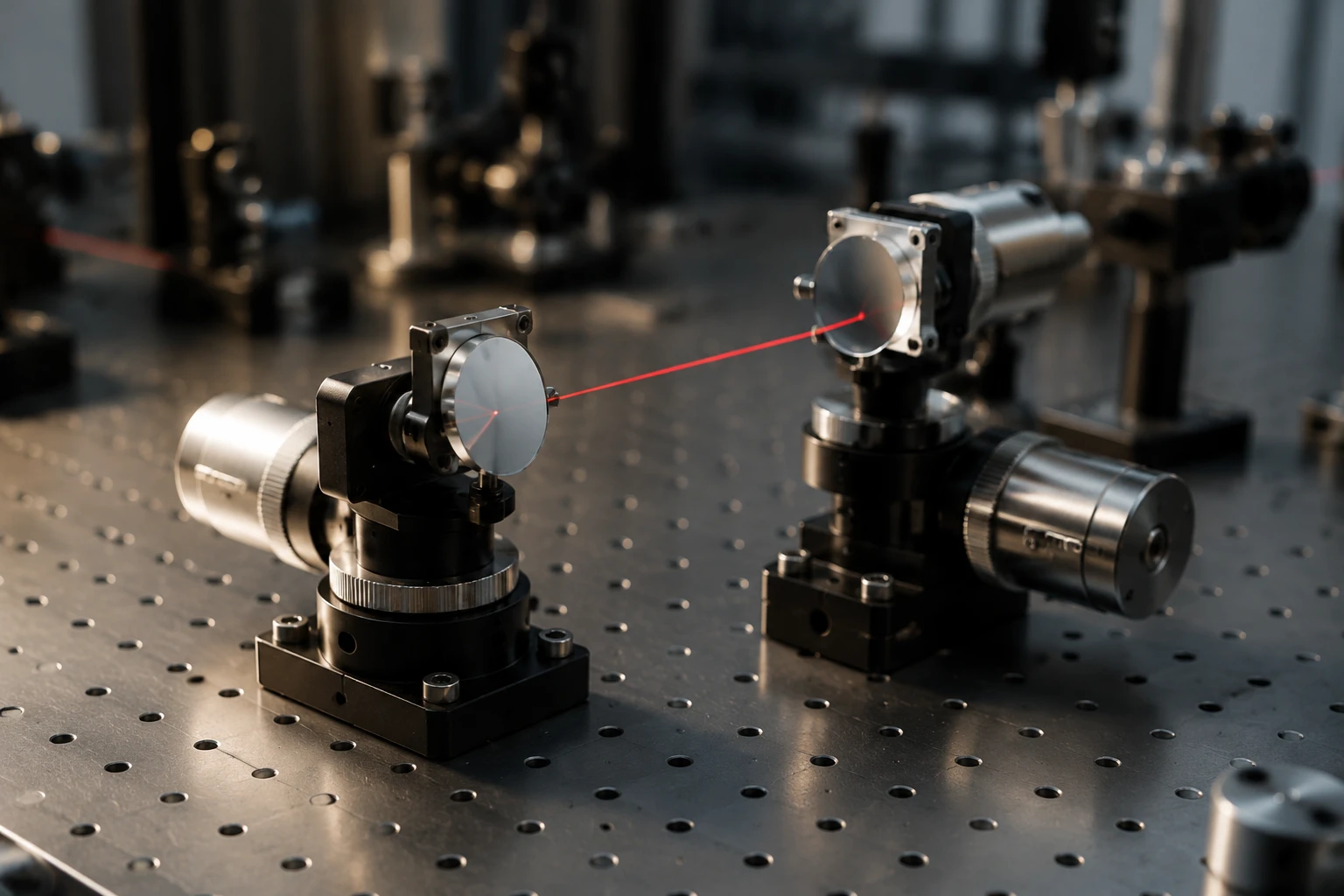
Ich erinnere mich, dass ich letztes Jahr einem Kunden geholfen habe, der eine Maschine zur Überprüfung der Geradheit der Beine von TQFP-Chips bauen wollte. Ihre Kameraeinrichtung verwischte ständig die Kanten. Wir tauschten den Auslösemechanismus gegen ein Laser-/Photodiodenpaar aus und verwendeten eine unserer Hochgeschwindigkeits Si-PIN-Fotodioden, und steigerten ihre Liniengeschwindigkeit um 40%, ohne an Genauigkeit zu verlieren.
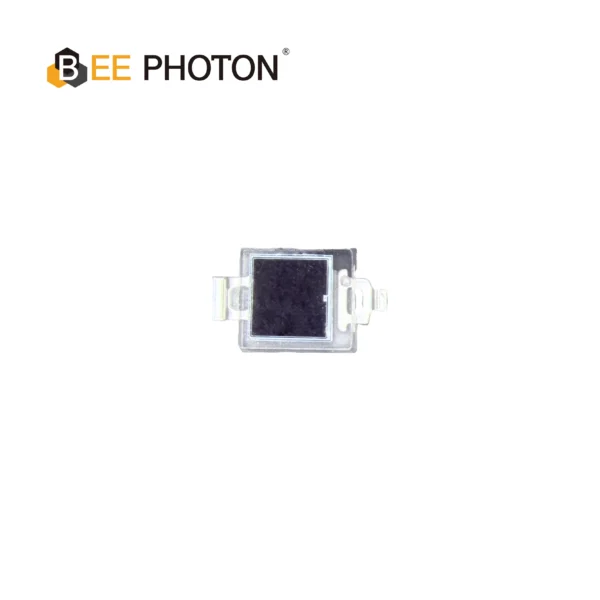
Si-PIN-Fotodiode Serie PDCP08 PDCP08-502
Die PDCP08-502 ist eine 2,9×2,8 mm große Silizium-PIN-Photodiode mit hohem Ansprechverhalten, die für fotoelektrische Präzisionsanwendungen entwickelt wurde. Mit niedriger Sperrschichtkapazität, niedrigem Dunkelstrom und einem breiten Spektralbereich (340-1100 nm) ist sie das ideale Bauteil für optische Schalter und kompakte Sensormodule, die eine stabile und schnelle Signalausgabe erfordern.
Das technische Kleingeld: Verstehen der technischen Daten
Okay, jetzt werden wir ein bisschen technisch. Wenn Sie ein Ingenieur sind, der Teile für seinen nächsten Bau sucht, können Sie nicht einfach irgendeine Diode nehmen. Sie müssen sich die Anstiegszeit und Spektrale Antwort.
Anstiegszeit und Bandbreite
Die Bandbreite (BW) Ihres Systems ist direkt mit der Anstiegszeit (tr) der Fotodiode verbunden. Die grobe Formel, die Sie in Ihre Notizen einsetzen können, lautet:
BW = 0,35 / tr
Wenn Ihre Fotodiode eine Anstiegszeit von 10 Nanosekunden (ns) hat, beträgt Ihre Bandbreite etwa 35 MHz.
Warum ist das wichtig? Wenn Ihr Laser eine Leiterbahn mit einer Breite von nur 0,1 mm abtastet und die Leiterplatte sich schnell bewegt, ist der Lichtimpuls, der zum Sensor zurückreflektiert wird, unglaublich kurz. Wenn Ihr Sensor zu langsam ist, wird dieser Impuls zu einem Klecks, und Sie übersehen den Fehler.
Unter BeePhoton, Oft wird die Kapazität von den Ingenieuren nicht beachtet. Die Sperrschichtkapazität (Cj) in Kombination mit Ihrem Lastwiderstand (RL) bildet einen Tiefpassfilter.
tr = 2,2 * R_load * Cj
(Hinweis: Dies ist ein vereinfachter Näherungswert, der jedoch für die meisten Grundkonstruktionen gilt).
Wenn Sie Geschwindigkeit wollen, brauchen Sie eine niedrige Kapazität. Und man muss den Lastwiderstand niedrig halten, auch wenn dadurch das Spannungssignal sinkt. Es ist ein Balanceakt.
Spektrale Antwort: Anpassung an den Laser
Die meisten AOI-Systeme verwenden rote Laser (um 650 nm) oder Nah-Infrarot-Laser (NIR) mit 850 nm oder 940 nm. Silizium ist von Natur aus gut geeignet, diese Wellenlängen zu erkennen.
Wenn Sie jedoch spezielle Beschichtungen auf Leiterplatten prüfen, verwenden Sie möglicherweise UV-Licht, um das Vorhandensein einer konformen Beschichtung zu überprüfen. Die Empfindlichkeit von Standard-Si-Detektoren lässt im UV-Bereich nach. Hierfür benötigen Sie verbesserte UV-empfindliche Dioden.
Ich habe schon Leute gesehen, die versucht haben, standardmäßige IR-gefilterte Sensoren für UV-Anwendungen zu verwenden, und sich gewundert haben, warum sie kein Signal erhalten. Seien Sie nicht dieser Typ. Passen Sie die Spitzenempfindlichkeit der Diode an Ihre Lichtquelle an.
Integration von BeePhoton-Sensoren: Ein praktischer Leitfaden
Wenn Sie sich einen Sensor aus unserem Si-PIN-Fotodioden Katalog erhalten Sie nicht nur ein Bauteil, sondern ein Präzisionsinstrument. Aber Sie müssen es richtig behandeln.
Der Transimpedanz-Verstärker (TIA)
Sie können eine Fotodiode nicht einfach an ein Multimeter anschließen. Sie benötigen eine TIA-Schaltung, um den winzigen Strom (Fotostrom) in eine verwertbare Spannung umzuwandeln.
Die Grundausgangsspannung (Vout) beträgt:
Vout = I_pd * Rf
Wo:
I_pdist der durch das Licht erzeugte Photostrom.Rfist der Rückkopplungswiderstand.
Hier ist ein Tipp aus der Praxis: Halten Sie die Leiterbahnen zwischen der Fotodiode und dem Operationsverstärker (Op-Amp) so kurz wie physisch möglich. Ich meine Millimeter. Lange Leiterbahnen wirken wie Antennen. In einer Fabrik voller Motoren und EMI nehmen lange Leiterbahnen Rauschen auf, das genauso aussieht wie ein Kratzer auf einer Leiterplatte.
Abschirmung ist nicht optional
Unter Automatische optische Inspektion (AOI) Umgebungen ist elektrisches Rauschen allgegenwärtig. Wenn Sie einen benutzerdefinierten Kopf für Ihre Maschine entwerfen, schließen Sie die Fotodiode und den Verstärker mit einer Metallabschirmung ein. Erden Sie die Abschirmung. Es hört sich einfach an, aber 50% der Anrufe zum Thema “defekter Sensor”, die wir bei info@photo-detector.com sich als Erdungsprobleme herausstellen.
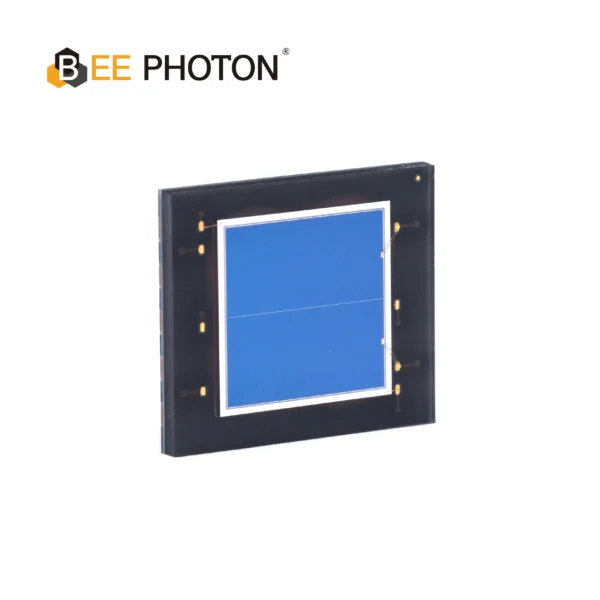
Si-PIN-Photodioden-Array Doppel-PD PDCA02-103
Die PDCA02-103 ist eine leistungsstarke Photodioden-Array für die Datenübertragung, mit einem robusten Dual-Element-Design. Mit einer großen lichtempfindlichen Fläche von 10×5 mm pro Element und einem kompakten Gehäuse von 16,5×14,5 mm gewährleistet diese Silizium-PIN-Photodiode eine außergewöhnliche Signalstabilität und Ausrichtungstoleranz für fortschrittliche optische Kommunikationssysteme.
Fallstudie: Das “Phantom” der Lötbrücke
Lassen Sie mich eine kurze Geschichte erzählen (die Namen wurden natürlich zum Schutz des NDA geändert).
Ein Hersteller von Kfz-Steuergeräten wandte sich an uns. Er setzte ein Bildverarbeitungssystem ein, um Lötbrücken zwischen Pins zu erkennen. Das Problem? Die glänzende Lötmaske auf der Leiterplatte reflektierte das Licht auf eine Weise, die die Kamerasoftware verwirrte. Es sah aus wie eine Brücke, war es aber nicht.
Ihre Falschrückweisungsrate lag bei 8%. Das ist in der Automobilindustrie enorm.
Sie beschlossen, eine zweite Prüfung vorzunehmen: einen Hochgeschwindigkeits-Laser-Sweep mit Photodioden für die industrielle Bildverarbeitung.
Wir empfahlen einen speziellen Si-PIN-Detektor mit einem engen Sichtwinkel, um Streulicht auszublenden.
Das Ergebnis:
- Sie stellten den Schwellenwert so ein, dass nur die hohe Intensität einer direkten Metallreflexion (der Lötbrücke) den Sensor auslösen würde. Die Reflexion der glänzenden Leiterplattenmaske war zu schwach, um ihn auszulösen.
- Die Zahl der Falschrückweisungen sank auf unter 0,5%.
- Der ROI wurde in etwa zwei Monaten erreicht, allein durch die Einsparung manueller Nacharbeit.
Das ist der Grund, warum spezialisierte Hardware besser ist als generische Softwarelösungen.
Vergleich: Si PIN vs. Der Rest
Um Ihnen die Entscheidung zu erleichtern, habe ich diese Tabelle zusammengestellt. Sie vergleicht die gängigen Sensortypen, die in der AOI verwendet werden.
| Merkmal | Si-PIN-Fotodiode | Fototransistor | CCD/CMOS-Kamera | Avalanche-Photodiode (APD) |
|---|---|---|---|---|
| Geschwindigkeit (Reaktionszeit) | Sehr schnell (ns) | Langsam (µs) | Langsam (Frame-basiert) | Extrem schnell (ps/ns) |
| Gewinnen Sie | 1 (Einigkeit) | Hoch | K.A. | Hoch (Interne Verstärkung) |
| Komplexität der Schaltung | Niedrig/Mittel | Niedrig | Hoch | Hoch (benötigt HV) |
| Kosten | Niedrig | Sehr niedrig | Hoch | Hoch |
| Am besten für | Hochgeschwindigkeitszählung, Kantenerkennung, Laser-Triangulation | Grundlegende Anwesenheitserfassung | Visuelle Mustererkennung | Telekommunikation bei schlechten Lichtverhältnissen und hoher Geschwindigkeit |
Sie sehen, warum Si PIN der ideale Ort ist für PCB-Prüfsensoren. Sie bietet die Geschwindigkeit einer APD ohne die hohen Kosten und die komplexe Schaltung.
Häufige Fallstricke bei der Auswahl von AOI-Sensoren
Ich möchte Ihnen einige Kopfschmerzen ersparen. Hier sind einige Dinge, die die Leute immer wieder vermasseln.
- Dunkler Strom wird ignoriert: Jede Fotodiode erzeugt auch bei völliger Dunkelheit ein winziges bisschen Strom. Dies ist der “Dunkelstrom”. Wenn Sie versuchen, sehr schwache Defekte zu erkennen, wird ein hoher Dunkelstrom Ihr Signal begraben. Lesen Sie das Datenblatt.
- Temperaturdrift: Silizium verändert sein Verhalten, wenn es heiß wird. Wenn sich Ihr AOI-Gerät in einem heißen Gehäuse befindet, kann sich die Empfindlichkeit ändern. Möglicherweise benötigen Sie einen Sensor mit besserer thermischer Stabilität oder fügen eine Temperaturkompensationsschaltung hinzu.
- Sichtfeld: Eine Fotodiode sieht alles, was sich vor ihr befindet. Wenn Sie keine Linse oder eine Blende (ein winziges Loch) verwenden, sieht sie den Fehler und den Hintergrund. Sie benötigen eine optische Kontrolle, um den Sensor genau auf die Stelle zu fokussieren, die Sie untersuchen möchten.
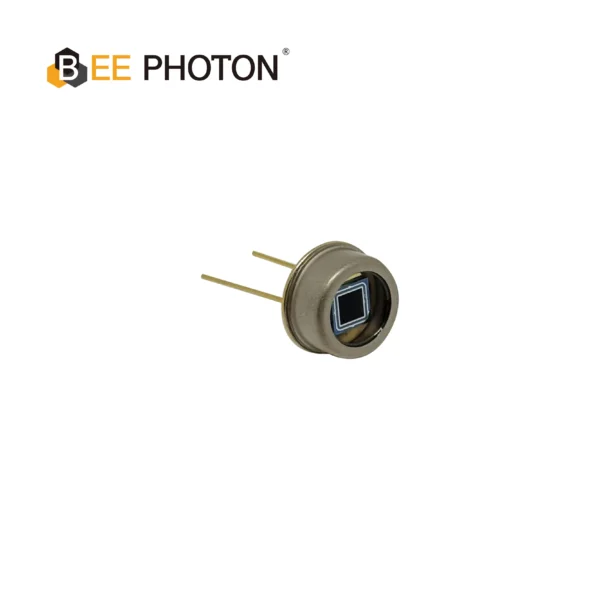
Si-PIN-Photodiode mit erhöhter UV-Empfindlichkeit (190-1100nm) PDCT06-F01
Erzielen Sie eine schnelle Signalerfassung mit unserer Si-PIN-Photodiode mit schneller Anstiegszeit. Optimiert für optische Kommunikation und Impulserkennung mit niedriger Kapazität und hoher Zuverlässigkeit. Nutzen Sie noch heute die Leistung einer schnellen Si-PIN-Photodiode.
Warum eine Partnerschaft mit BeePhoton?
Es gibt eine Million Orte, an denen man elektronische Bauteile kaufen kann. Warum kommen Sie zu BeePhoton?
Denn wir verschicken nicht einfach nur Säcke mit Teilen. Wir verstehen die Optik. Wenn Sie herauszufinden versuchen, ob Sie ein TO-Can-Gehäuse oder einen oberflächenmontierten Chip benötigen oder ob Sie einen integrierten Filter brauchen, um das Umgebungslicht in der Fabrik auszublenden, können wir diese Fragen beantworten.
Unser Si-PIN-Fotodioden werden unter strengen Qualitätskontrollen hergestellt, weil wir wissen, dass sie in Maschinen eingesetzt werden, die rund um die Uhr laufen.
Wir haben Dutzende von Geräteherstellern bei der Feinabstimmung ihrer optischen Decks unterstützt. Wir wissen, dass im B2B-Bereich eine gestoppte Leitung Tausende von Dollar pro Minute kostet. Sie brauchen Zuverlässigkeit.
Abschließende Überlegungen zur Aufrüstung Ihrer Leitung
Wenn Ihr AOI-System gegen eine Wand stößt, geben Sie nicht dem Code die Schuld. Schauen Sie auf die Augen der Maschine.
Sind sie schnell genug? Sind sie linear? Sehen sie, was sie sehen müssen?
Umstellung auf Hochleistung Photodioden für die industrielle Bildverarbeitung ist oft der kostengünstigste Weg, um Durchsatz und Genauigkeit gleichzeitig zu steigern. Das ist keine Zauberei, sondern einfach bessere Physik.
Lassen Sie nicht zu, dass veraltete Sensortechnik Ihre Produktion behindert.
FAQ: Bildverarbeitungssensoren
F: Kann ich eine Kamera durch eine Fotodiode in meinem AOI-System ersetzen?
A: Nicht ganz. Kameras eignen sich am besten für den Musterabgleich (wie das Lesen eines QR-Codes oder die Prüfung, ob ein Teil gedreht ist). Fotodioden eignen sich am besten für Hochgeschwindigkeitsauslösung, Kantenerkennung und Lasertriangulation. Sie arbeiten am besten als Hybridsystem zusammen.
F: Was ist der Hauptvorteil von Si-PIN gegenüber Standard-Phototransistoren für Leiterplatten?
A: Geschwindigkeit und Linearität. Fototransistoren sättigen leicht und sind zu langsam für moderne Hochgeschwindigkeits-Förderbänder. Si-PIN-Dioden reagieren sofort auf Lichtveränderungen und ermöglichen so eine schnellere Abtastgeschwindigkeit.
F: Benötige ich für BeePhoton-Sensoren eine eigene Schaltung?
A: Das kommt darauf an. Wir bieten sowohl Rohkomponenten als auch Sensoren mit integrierten Vorverstärkern an. Wenn Sie von Grund auf neu bauen, benötigen Sie eine Transimpedanzverstärkerschaltung (TIA). Wenn Sie sich mit uns in Verbindung setzen, können wir Ihnen einige Referenzdesigns für den Anfang zur Verfügung stellen.
Sind Sie bereit, Ihre Prüfgeschwindigkeit zu erhöhen?
Lassen Sie keine mikroskopisch kleinen Defekte durch die Maschen schlüpfen. Wenn Sie unsicher sind, welcher Sensor zu Ihrer spezifischen Maschinenarchitektur passt, lassen Sie uns darüber sprechen.
- Unser gesamtes Angebot finden Sie hier: Katalog Si-PIN-Photodioden
- Benötigen Sie eine individuelle Lösung? Schreiben Sie uns eine Nachricht an Kontakt
- Schicken Sie eine E-Mail direkt an unser Ingenieurteam: info@photo-detector.com
Verbessern Sie Ihr Sehvermögen noch heute mit BeePhoton.