
Wenn Sie jemals Stunden damit verbracht haben, Belichtungszeiten anzupassen, teure Industriekameras auszutauschen oder den Fokus des Objektivs zu justieren, nur um festzustellen, dass Ihr Bildverarbeitungssystem einen Haarriss auf einer polierten Metalloberfläche immer noch nicht zuverlässig erkennt, sind Sie nicht allein. Dies ist ein häufiges Ärgernis für Systemintegratoren in der industriellen Bildverarbeitung. Sie bauen ein hochentwickeltes System auf, und dennoch bleibt ein einfacher Kratzer auf einem bearbeiteten Teil völlig unbemerkt. Das Problem liegt selten am Kamerasensor selbst. In den meisten Fällen ist die Beleuchtung die Ursache.
Die Wahl des richtigen Bildverarbeitungs-LED kann über Erfolg oder Misserfolg einer Inspektionslinie entscheiden. Viele Integratoren verwenden standardmäßig weißes Licht in der Annahme, dass es alle Bereiche abdeckt, da es alle sichtbaren Wellenlängen enthält. Doch weißes Licht überstrahlt oft kritische Oberflächendetails, was zu hohen Fehlerraten oder, noch schlimmer, zu unentdeckten Defekten führt. Hier kommt eine spezialisierte blaue 465 nm Bildverarbeitungs-LED ins Spiel. Durch den Wechsel auf diese spezifische Wellenlänge können Sie den Kontrast drastisch verbessern, Mikrodefekte hervorheben und ein weitaus zuverlässigeres Inspektionssystem aufbauen. Lassen Sie uns betrachten, warum dies funktioniert und wie Sie es in Ihrem nächsten Projekt umsetzen können.
Die Physik hinter dem 465 nm Blaulicht-LED-Kontrast
Um zu verstehen, warum eine blaue Bildverarbeitungs-LED andere Beleuchtungsoptionen auf reflektierenden Oberflächen übertrifft, müssen wir uns die physikalischen Grundlagen ansehen, wie sich Licht verhält, wenn es auf ein Material trifft. Wenn Licht auf eine Oberfläche trifft, wird es entweder absorbiert, reflektiert oder gestreut.
Wellenlänge und Oberflächenstreuung
Die Art und Weise, wie Licht auf mikroskopischer Ebene gestreut wird, hängt stark von seiner Wellenlänge ab. Nach den Prinzipien der Rayleigh-Streuung ist die Intensität des gestreuten Lichts umgekehrt proportional zur vierten Potenz seiner Wellenlänge. Wir können diesen Zusammenhang vereinfacht wie folgt darstellen:
Streuintensität = Konstante / (Wellenlänge hoch 4)
Führen wir eine kurze, praxisnahe Berechnung durch, um eine standardmäßige rote Bildverarbeitungs-LED (normalerweise um 630 nm) mit einer blauen Bildverarbeitungs-LED (465 nm) zu vergleichen:
Streuverhältnis = (630 / 465) hoch 4
Streuverhältnis = (1,355) hoch 4
Streuverhältnis = 3,37
Diese einfache Rechnung zeigt uns etwas Erstaunliches: Eine blaue 465 nm Bildverarbeitungs-LED streut auf Oberflächenrauheiten etwa 3,4-mal stärker als eine rote LED! Da blaues Licht eine viel kürzere Wellenlänge hat, dringt es nicht in die Oberflächenschichten ein. Stattdessen interagiert es direkt mit den äußersten Oberflächengrenzen. Wenn blaues Licht auf einen mikroskopischen Kratzer oder einen winzigen Metallgrat trifft, wird es stark gestreut. Dieses Streulicht gelangt in das Kameraobjektiv, wodurch der Defekt hell und scharf vor einem dunklen Hintergrund erscheint.
Berechnung der Kontrastverbesserung
In der industriellen Bildverarbeitung definieren wir den Kontrast mit der Michelson-Kontrastformel, die wie folgt aussieht:
Kontrast = (Intensität des Defekts – Intensität des Hintergrunds) / (Intensität des Defekts + Intensität des Hintergrunds)
Wenn der Hintergrund und der Defekt das Licht exakt gleich reflektieren, ist die Differenz zwischen ihren Intensitäten Null, was zu einem Kontrast von 0 führt. Die Kamera kann den Defekt nicht erkennen.
Wenn Sie jedoch ein poliertes Metallblech mit einem blauen 465-nm-Licht Bildverarbeitungs-LED, beleuchten, reflektiert die glatte Oberfläche das Licht vom Kameraobjektiv weg (gerichtete Reflexion), wodurch der Hintergrund dunkel erscheint. Währenddessen streuen die mikroskopischen Kratzer das kurzwellige blaue Licht direkt in das Kameraobjektiv. Dies maximiert den Unterschied zwischen dem Defekt und dem Hintergrund und treibt den Kontrastwert nahe an 1 (oder -1, je nach Aufbau).

Blaue LED E465-4-201L4
Die E465-4-201L4 ist eine leistungsstarke 465nm Blaue LED wurde speziell für industrielle Präzisionsanwendungen entwickelt, die eine fokussierte Lichtleistung erfordern. Mit einer hohen Leuchtkraft und einem streng kontrollierten Wellenlängenbereich von 460-470nm bietet diese 465nm Blaue LED ist ein wichtiger Bestandteil von optischen Schaltern und Drehgebern.
Warum sollte man eine 465-nm-LED für die industrielle Bildverarbeitung anderen Wellenlängen vorziehen?
Sie fragen sich vielleicht, warum wir uns speziell auf 465 nm konzentrieren. Warum nicht noch kürzer gehen, wie ultraviolettes (UV) Licht bei 365 nm?
UV-Licht bietet zwar noch kürzere Wellenlängen und eine potenziell höhere Streuung, bringt aber eine Reihe praktischer Probleme mit sich. Erstens absorbieren Standard-Kameraobjektive aus Glas UV-Licht, was bedeutet, dass Sie teure Quarzobjektive kaufen müssten. Zweitens kann UV-Strahlung optische Filter angreifen und im Laufe der Zeit sogar Kamerasensoren beschädigen. Drittens birgt die UV-Beleuchtung Sicherheitsrisiken für das Bedienpersonal in der Fabrikhalle.
Ein blaues 465-nm-Licht Bildverarbeitungs-LED liegt im idealen Bereich. Es bietet die Vorteile der hohen Streuung von kurzwelligem Licht ohne die Sicherheitsrisiken oder teuren Hardwareanforderungen, die mit UV verbunden sind. Darüber hinaus weisen standardmäßige siliziumbasierte CMOS-Kamerasensoren eine hervorragende Quanteneffizienz im Bereich von 400 nm bis 500 nm auf. Das bedeutet, dass Ihre Kamera sehr empfindlich auf 465-nm-Licht reagiert, sodass Sie Ihr System mit kürzeren Belichtungszeiten und höheren Bildraten betreiben können.
| Wellenlänge | Lichtfarbe | Relative Streuintensität | Typische Oberflächendurchdringung | Beste Inspektionsanwendungen |
|---|---|---|---|---|
| 850nm | Infrarot (IR) | Sehr niedrig | Hoch (durchdringt Oberflächen) | Inspektion durch Verpackungen, Defekte unter der Oberfläche |
| 630 nm | Red | Niedrig | Mittel | OCR auf bedruckten Etiketten, matten Kunststoffoberflächen |
| 525 nm | Grün | Mittel | Mittel-Niedrig | Inspektion von Kupfer-Leiterbahnen auf grünen Leiterplatten |
| 465 nm | Blue | Hoch | Sehr gering (nur Oberfläche) | Mikrokratzer auf Metallen, Glasdefekte, transparente Folien |
Indem Sie ein dediziertes blaues Licht wählen Bildverarbeitungs-LED anstatt eines herkömmlichen weißen Lichts, konzentrieren Sie Ihre gesamte optische Energie auf die exakte Wellenlänge, die Oberflächenmerkmale hervorhebt. Dies ist ein entscheidendes Konzept in der modernen industriellen Bildverarbeitungsbeleuchtung.
Praktische Anwendungen der Blaulicht-Inspektion in der optischen Fehlererkennung
Nachdem wir nun die Physik behandelt haben, lassen Sie uns schauen, wo Sie tatsächlich ein blaues Licht einsetzen sollten Bildverarbeitungs-LED in Ihren industriellen Inspektionssystemen.
Erkennen von Mikrokratzern auf polierten Metalloberflächen
Ob Sie bearbeitete Aluminiumgehäuse, medizinische Geräte aus Edelstahl oder polierte Automobilzierteile prüfen: Metalloberflächen sind bekanntermaßen schwer abzubilden. Wenn Sie ein standardmäßiges weißes Licht verwenden Bildverarbeitungs-LED, wird das breite Lichtspektrum von der reflektierenden Oberfläche zurückgeworfen und erzeugt eine massive Blendung. Diese Blendung blendet den Kamerasensor.
Durch den Einsatz eines blauen Lichts mit 465 nm Bildverarbeitungs-LED in einer flachen Winkelkonfiguration können Sie diese Blendung umgehen. Die flachen, polierten Metallreflexionen gehen an der Kamera vorbei, während jeder Kratzer, jede Kerbe oder Werkzeugmarkierung das blaue Licht zurück in die Kamera streut. Das Ergebnis ist ein kontrastreiches Bild, auf dem die Metalloberfläche schwarz erscheint und die Kratzer wie Neonlinien leuchten. Dies macht es Ihrer Bildverarbeitungssoftware unendlich viel leichter, eine optische Hochgeschwindigkeits-Fehlererkennung durchzuführen.
Lötstellen- und Leiterplatteninspektion
Leiterplatten (PCBs) sind eine komplexe Mischung aus Farben, Texturen und Höhen. Lötstellen sind stark reflektierend, während der Lötstopplack oft grün, blau oder schwarz ist.
Die Verwendung von rotem Licht kann dazu führen, dass der grüne Lötstopplack dunkel erscheint, was es manchmal schwierig macht, ihn von anderen Fehlern zu unterscheiden. Ein blaues Licht Bildverarbeitungs-LED bietet einen hervorragenden Kontrast auf Lötstellen. Da blaues Licht den Lötstopplack nicht durchdringt, liefert es ein sauberes Profil der Lötstelle, was Ihnen hilft, kalte Lötstellen, Brückenbildung oder fehlende Komponenten leicht zu identifizieren.
Hochpräzise Messtechnik
Wenn Sie die präzisen physikalischen Abmessungen eines Teils messen, ist Kantenerkennung alles. Wenn die Kanten Ihres Teils im Bild unscharf oder verschwommen erscheinen, sinkt Ihre Messgenauigkeit.
Da blaues Licht eine kürzere Wellenlänge hat, leidet es weniger unter Beugung als rotes oder Infrarotlicht. Wenn Sie ein blaues Bildverarbeitungs-LED mit einem hochauflösenden telezentrischen Objektiv kombinieren, erhalten Sie scharf definierte Kanten. Diese Konfiguration ist ein Game-Changer für Hochpräzisions-Messteikanwendungen, bei denen eine Genauigkeit in Mikrometerbereich erforderlich ist.
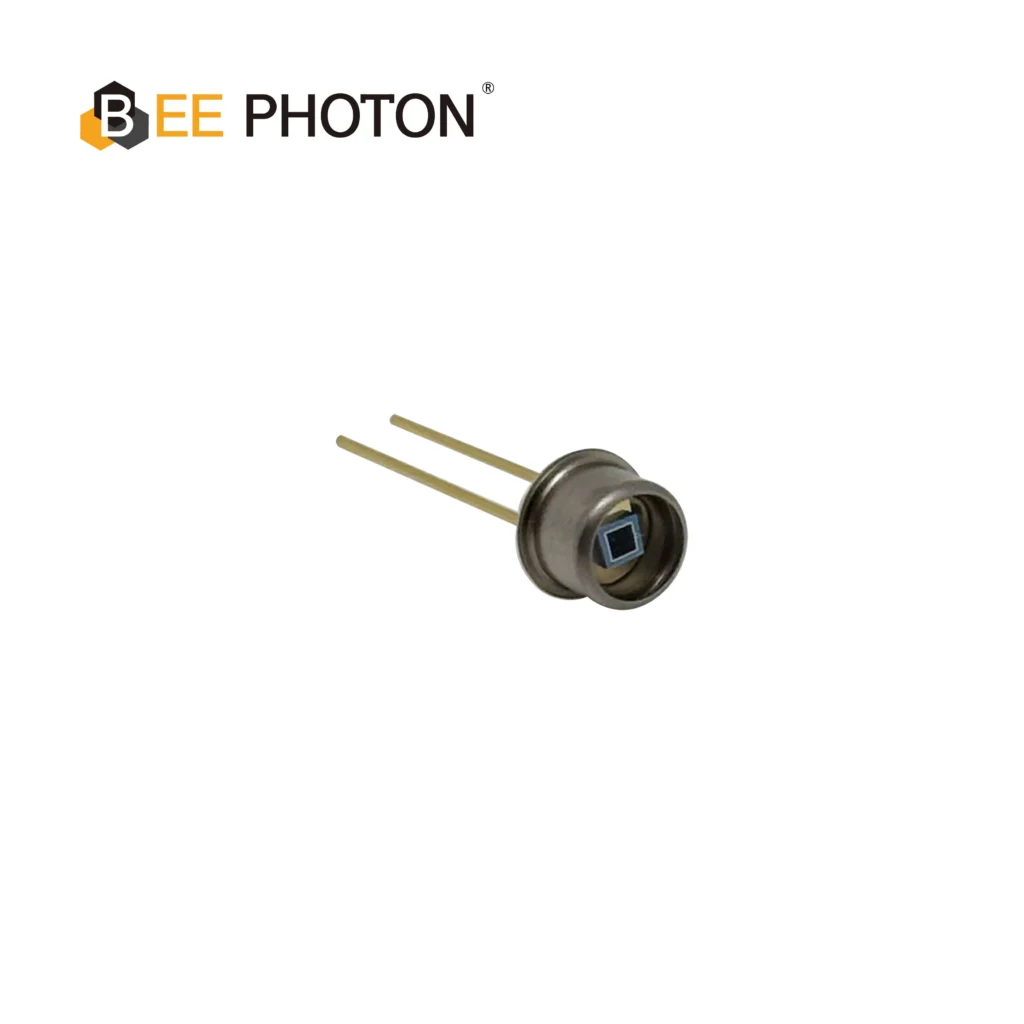
Si-PIN-Photodiode mit erhöhter UV-Empfindlichkeit (190-1100nm) PDCT01-F01
Erleben Sie präzise UV-Detektion mit unserer Quarzfenster-Si-PIN-Photodiode. Sie ist ideal für die Spektroskopie und bietet eine hohe Empfindlichkeit und ein geringes Rauschen im Bereich von 190-1100nm. Diese zuverlässige Si-PIN-Photodiode gewährleistet genaue Analyseergebnisse.
Praxisbeispiel: Erkennung von Kratzern auf bearbeiteten Aluminiumteilen
Lassen Sie uns über ein reales Projekt sprechen, um zu sehen, wie dies in der Praxis funktioniert. Ein Fertigungsunternehmen hatte Probleme mit seiner Qualitätskontrolllinie für bearbeitete Aluminium-Automobilhalterungen. Sie verwendeten einen weißen Ringlicht, was eine gängige, bewährte Bildverarbeitungs-LED Lösung für viele Systemintegratoren ist.
Das Problem
Die Halterungen hatten eine gebürstete Metalloberfläche, und das Inspektionssystem musste Haarrisse erkennen, die tiefer als 10 Mikrometer waren. Allerdings reflektierten die Maschinenbearbeitungsspuren (Werkzeugwege) auf dem Aluminium das weiße Licht in einem chaotischen Muster. Die Bildverarbeitungssoftware konnte einen echten Defekt (einen Kratz) nicht zuverlässig von einem harmlosen Werkzeugweg unterscheiden.
Dies führte zu einer massiven Fehlerrate von 15%. Bediener mussten täglich tausende Teile manuell neu inspizieren, was die Produktion verlangsamt und dem Unternehmen viel Geld kostete.
Die Lösung
Das Engineering-Team entschied sich, die weiße Lichtquelle durch eine hochintensive 465nm blaue Bildverarbeitungs-LED koaxiale Lichtquelle von BeePhoton. Sie fügten auch einen schmalbandigen Blaupassfilter zum Kameralens hinzu.
Lassen Sie uns vergleichen, wie die beiden Lichtwege verlaufen:
Szenario A: Ohne Filter (Verwendung von Weißlicht)
Umgebungslicht kombiniert mit einem weißen LED-Ringlicht gelangt direkt ins Kameralens. Dies führt zu einem unscharfen, blendenden Bild mit niedrigem Kontrast, da zu viele verschiedene Wellenlumen herumprallen.
Szenario B: Mit Blaufilter und 465nm LED
Das Umgebungslicht wird vollständig durch den Objektivfilter blockiert. Nur das 465nm blaue LED-Licht passiert den Filter und erreicht das Kameralens. Dies führt zu einem scharfen, hochkontrastigen Bild, bei dem die Kratzern hell hervorgehoben werden.
Da blaues Licht eine kürzere Wellenlänge hat, streute es intensiv an den scharfen Kanten der mikroskopischen Kratzern, drang aber nicht so stark in die glatteren, abgerundeten Werkzeugwege ein oder streute dort so wild.
Die Ergebnisse
Das Kontrastverhältnis der Kratzer im Vergleich zur umgebenden bearbeiteten Oberfläche verbesserte sich sofort:
- Ursprünglicher Kontrast (Weißlicht): 0,18 (Kaum sichtbar)
- Neuer Kontrast (465 nm blaue LED): 0,74 (Sehr gut sichtbar)
Mit dem neuen Bildverarbeitungs-LED Setup identifizierte die Software mühelos jeden einzelnen Kratzer. Die Fehlerrate sank von 15% auf lediglich 0,6%. Durch die Investition in ein dediziertes blaues 465-nm-Licht beseitigte das Werk seinen Engpass bei der manuellen Inspektion innerhalb einer Woche.
So optimieren Sie Ihr industrielles Bildverarbeitungs-Beleuchtungssetup
Der bloße Kauf eines blauen Bildverarbeitungs-LED und dessen Anbringung an Ihrem Rahmen reicht nicht aus. Um den bestmöglichen Kontrast zu erzielen, müssen Sie Ihr industrielles Bildverarbeitungs-Beleuchtungssetup korrekt konfigurieren.
Wählen Sie den richtigen Einfallswinkel
Der Winkel, in dem Ihr Licht auf das Zielmaterial trifft, verändert die Bildausgabe vollständig.
- Flachwinkel-Ringlicht: Wenn Sie Oberflächenkratzer oder erhabene Kanten erkennen möchten, montieren Sie Ihr blaues Bildverarbeitungs-LED in einem sehr flachen Winkel (fast parallel zur Oberfläche). Das Licht prallt von der flachen Oberfläche ab und entgeht der Kamera, aber die Kratzer fangen das Licht ein und leuchten hell auf.
- Koaxialbeleuchtung: Wenn Sie extrem flache, spiegelähnliche Oberflächen inspizieren, ist Koaxialbeleuchtung eine bessere Wahl. Das blaue Licht wird entlang derselben optischen Achse wie das Kameraobjektiv gerichtet. Jede geringfügige Oberflächenabweichung oder jeder Kratzer streut das Licht von der Kamera weg und erscheint als dunkle Defekte auf einem hellen Hintergrund.
Optische Filter nutzen
Wenn Ihre Fabrikhalle über Decken-Leuchtstoffröhren oder Fenster verfügt, die natürliches Sonnenlicht hereinlassen, stört dieses Umgebungslicht Ihren Kamerasensor. Es ruiniert Ihren sorgfältig geplanten Beleuchtungskontrast.
Montieren Sie stets einen Bandpassfilter, der auf die Wellenlänge Ihres blauen Bildverarbeitungs-LED auf Ihr Kameraobjektiv. Ein 465-nm-Bandpassfilter blockiert jegliches rote, grüne, infrarote und weiße Umgebungslicht und lässt nur das reine blaue 465-nm-Licht zum Sensor durch. Dies macht Ihr Bildverarbeitungssystem unglaublich robust gegenüber wechselnden Umgebungslichtbedingungen im Tagesverlauf.
Blitzen Ihrer LEDs für die Hochgeschwindigkeitsinspektion
Wenn Sie Teile auf einem sich schnell bewegenden Förderband inspizieren, kann Dauerlicht zu Bewegungsunschärfe führen. Um dies zu verhindern, sollten Sie Ihre Bildverarbeitungs-LED.
Durch die Verwendung eines speziellen Stroboskop-Controllers können Sie das blaue Licht für den Bruchteil einer Millisekunde pulsen. Dieser intensive, kurze Lichtblitz friert die Bewegung des Teils auf dem Förderband ein und liefert Ihnen ein kristallklares Bild ohne Bewegungsunschärfe. Darüber hinaus ermöglicht das Blitzen den Betrieb der Bildverarbeitungs-LED mit einem deutlich höheren Strom als normal, wodurch ein weitaus hellerer Lichtblitz erzeugt wird, ohne den LED-Chip zu überhitzen.
Auswahl der richtigen LED-Hardware für die industrielle Bildverarbeitung
Beim Kauf von Beleuchtungshardware sind Zuverlässigkeit und Wärmemanagement von entscheidender Bedeutung. Industrielle Umgebungen sind staubig, heiß und ständig vibrierend. Eine billige LED-Lichtquelle verschlechtert sich schnell, verliert mit der Zeit an Helligkeit und bringt Ihre kalibrierten Inspektionsalgorithmen durcheinander.
Eine schlecht konzipierte Bildverarbeitungs-LED wird unter thermischer Drift leiden. Mit steigender LED-Temperatur sinkt die Lichtausbeute und die Wellenlänge kann sich verschieben. Diese Variation beeinträchtigt Ihre Inspektionssoftware, da die Bilder zu Schichtbeginn anders aussehen als am Schichtende. Eine hochwertige Bildverarbeitungs-LED sollte über einen integrierten Konstantstromtreiber und eine robuste thermische Kühlung verfügen, um die Lichtleistung stabil zu halten.
Bei der Auswahl einer Bildverarbeitungs-LED, müssen Sie auf Folgendes achten:
- Robustes Gehäuse: Hochbelastbare Aluminiumgehäuse schützen die LEDs vor physischen Schäden und dienen als Kühlkörper.
- Konstante Helligkeit: Hochwertige Treiberschaltungen stellen sicher, dass die Lichtleistung im Laufe der Zeit nicht driftet.
- Anpassungsmöglichkeiten: Manchmal passt eine Standard-Ringbeleuchtung nicht zu Ihren Montagevorgaben. Die Zusammenarbeit mit einem flexiblen Hersteller, der die Form der LED-Anordnung oder die Wellenlänge anpassen kann, ist äußerst vorteilhaft.
Wenn Sie nach hochintensiven Lichtquellen in Industriequalität suchen, die für anspruchsvolle Fabrikumgebungen ausgelegt sind, können Sie die spezialisierten Optionen erkunden in BeePhotons Lichtquellenkategorie. Eine zuverlässige Beleuchtung ist genauso wichtig wie die Wahl des richtigen Kamerasensors. Wir testen jedes einzelne Bildverarbeitungs-LED Array vor dem Versand, um sicherzustellen, dass es eine konsistente, kalibrierte Leistung in Ihrer Linie liefert.
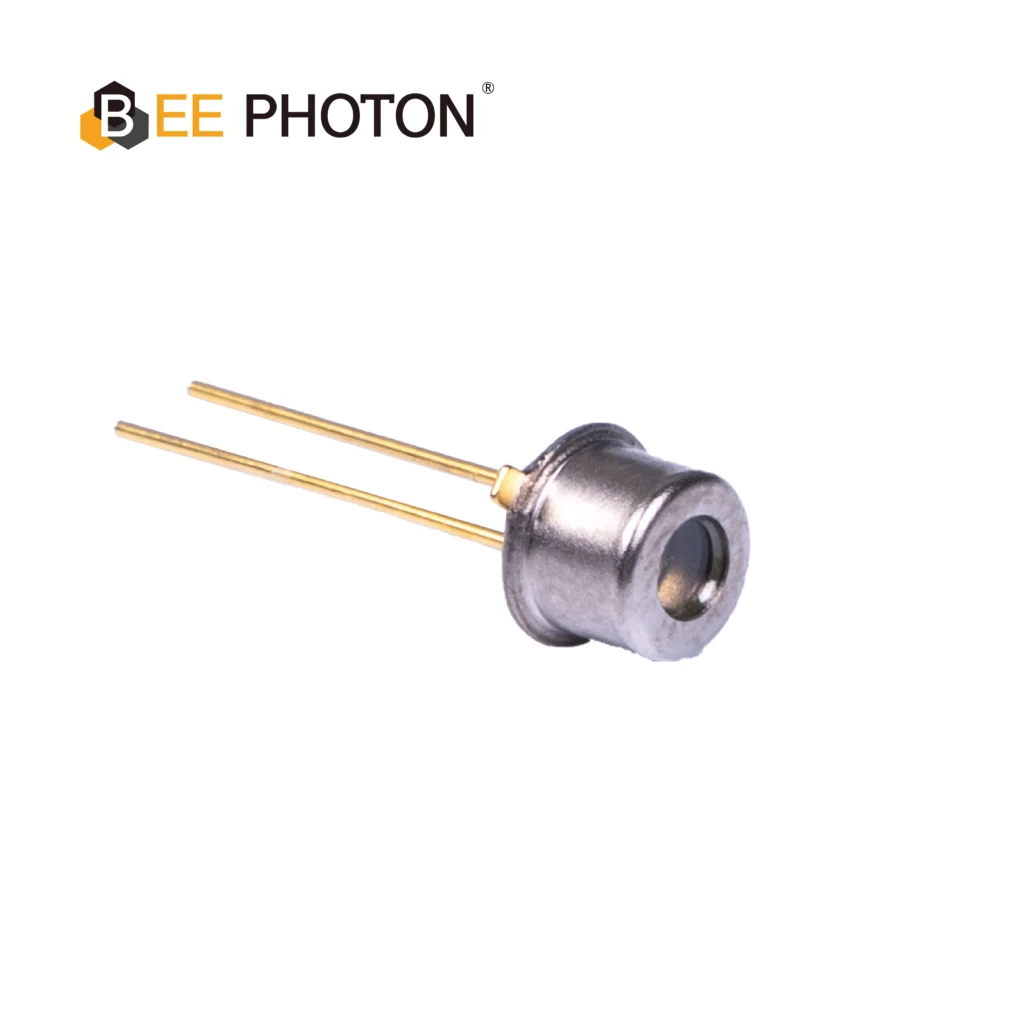
Si-PIN-Photodiode mit niedrigem Dunkelstrom (350-1060nm) PDCT01-201
Erleben Sie überragende Signalklarheit mit unserer Si-PIN-Photodiode, die für extrem niedrigen Dunkelstrom und hohe Stabilität entwickelt wurde. Diese Fotodiode gewährleistet eine präzise Lasererkennung und optische Messungen. Unsere Si-PIN-Photodiode mit niedrigem Dunkelstrom bietet außergewöhnliche Leistung.
Häufig gestellte Fragen (FAQs) zum 465-nm-Blaulicht-LED-Kontrast
Warum sollte ich eine blaue 465-nm-Bildverarbeitungs-LED anstelle einer standardmäßigen weißen LED verwenden?
Eine weiße LED verteilt ihre Energie über das gesamte sichtbare Spektrum (400 nm bis 700 nm). Da lange Wellenlängen (wie Rot und Gelb) Oberflächen tiefer durchdringen, neigen sie dazu, mikroskopische Oberflächenmerkmale zu überstrahlen. Eine blaue 465-nm- Bildverarbeitungs-LED bündelt ihre gesamte optische Energie in einer kurzen Wellenlänge. Diese kurze Wellenlänge streut wesentlich intensiver an Oberflächendefekten und dringt nicht in das Material ein, wodurch ein deutlich höherer Kontrast für Kratzer und Oberflächenfehler entsteht.
Kann eine blaue Bildverarbeitungs-LED auf farbigen Oberflächen eingesetzt werden?
Ja, aber Sie müssen die physikalischen Gesetzmäßigkeiten des Farbkreises beachten. In der industriellen Bildverarbeitung erscheint eine Farbe dunkel, wenn sie mit ihrer Gegenfarbe auf dem Farbkreis beleuchtet wird. Wird sie mit derselben Farbe beleuchtet, erscheint sie hell. Wenn Sie zum Beispiel ein blaues Bildverarbeitungs-LED auf einem roten Kunststoffteil verwenden, absorbiert die rote Oberfläche das blaue Licht und erscheint dunkel. Dies kann äußerst nützlich sein, wenn Sie einen dunklen Hintergrund schaffen möchten, um einen hellen Defekt hervorzuheben.
Wie verhindere ich, dass das Umgebungslicht in der Werkshalle meine Blaulicht-Inspektion beeinträchtigt?
Der einfachste und effektivste Weg ist die Installation eines 465-nm-Bandpassfilters auf Ihrem Kameraobjektiv. Dieser Filter fungiert als Wächter, der alle anderen Lichtwellenlängen (wie gelbe Deckenleuchten oder Sonnenlicht) blockiert und nur das blaue Licht von Ihrem Bildverarbeitungs-LED Kamerasensor passieren lässt.
Altern blaue LEDs schneller als andere LED-Farben?
Historisch gesehen wiesen blaue und UV-LEDs aufgrund höherer Betriebstemperaturen und Materialeigenschaften etwas schnellere Degradationsraten auf als rote LEDs. Moderne, hochwertige industrielle Bildverarbeitungs-LED Designs nutzen fortschrittliches Wärmemanagement und robuste Kühlkörper. Bei korrekter Ansteuerung (insbesondere im Blitzbetrieb) hält eine hochwertige blaue LED zehntausende Betriebsstunden ohne merklichen Intensitätsverlust.
Optimieren Sie Ihr Inspektionssystem mit BeePhoton
Entgehen Ihrer aktuellen Qualitätskontrolle subtile Oberflächenfehler, was zu kostspieligen Kundenreklamationen oder manueller Sortierung führt?
Wenn mikroskopische Kratzer und Haarrisse unentdeckt bleiben, leidet Ihre gesamte Produktionsausbeute. Die Verwendung herkömmlicher, verwaschener weißer Beleuchtungs-Setups reicht für moderne Fertigungstoleranzen nicht mehr aus.
Indem Sie Ihr Bildverarbeitungssystem auf ein spezielles 465-nm-Blaulicht umstellen Bildverarbeitungs-LED, können Sie unsichtbare Oberflächenfehler sofort in kontrastreiche Merkmale verwandeln, die Ihre Inspektionssoftware jedes Mal erfassen kann. Es ist eines der einfachsten und kosteneffizientesten Upgrades, die Sie an Ihrer bestehenden Bildverarbeitungslinie vornehmen können.
Unter BeePhoton, entwickeln und fertigen wir leistungsstarke optische Lösungen und industrielle Beleuchtungshardware für reale Fertigungsumgebungen. Unser Team unterstützt Sie bei der Auswahl, dem Testen und der Integration des idealen Beleuchtungs-Setups für Ihre spezifischen Inspektionsanforderungen. Wir sind auf die Entwicklung maßgeschneiderter Bildverarbeitungs-LED Lösungen spezialisiert, die auf Ihre individuellen Montagehalterungen, Arbeitsabstände und Helligkeitsziele abgestimmt sind.
Bereit, Fehlwürfe zu eliminieren und Ihre Inspektionsgenauigkeit zu steigern? Wir laden Sie ein, unser gesamtes Sortiment an industriellen Lichtquellen für die industrielle Bildverarbeitung zu durchsuchen, um die passende Konfiguration für Ihr Projekt zu finden. Wenn Sie ein spezielles Setup haben oder eine maßgeschneiderte Lösung benötigen, zögern Sie nicht, unsere Experten für Bildverarbeitung zu kontaktieren oder uns direkt eine E-Mail zu senden an info@photo-detector.com. Lassen Sie uns Ihnen dabei helfen, den benötigten Kontrast zu erzielen.


