You know how it is in the oil patch. One tiny spark in the wrong spot and suddenly everything’s on fire. That’s why folks who build and run petrochemical setups are always hunting for gear that just works when the air itself could blow up. Explosion-proof photodetectors aren’t some fancy add-on. They’re the quiet heroes sitting in Zone 0 and Zone 1 spots, watching for flames or sparks before anyone even smells smoke.
I’ve spent years chatting with equipment integrators who supply big energy players. They tell me the same thing every time: cheap sensors fail right when you need them most. So today I’m laying out exactly what makes good explosion-proof photodetectors tick, how they tie into the bigger world of oil and gas sensors, and why pairing them with proper spark detection can save millions (and lives). Stick around and you’ll walk away knowing what to ask your supplier next time you spec out a new rig or refinery upgrade.
Why Hazardous Areas in Oil and Gas Demand Explosion-Proof Photodetectors Right Now
Picture this. You’re on an offshore platform and the atmosphere is thick with hydrocarbon vapors. One static discharge or hot surface and boom. The IOGP’s 2024 Safety Performance Indicators show explosion, fire, or burns caused 41% of all oil and gas fatalities that year – 13 deaths across just five incidents. And that’s only the reported ones from member companies.
In the US alone, Reuters tracked nine significant refinery fires and explosions in 2025. Chevron’s El Segundo jet-fuel unit, HF Sinclair’s Navajo site – the list goes on. Pipelines see roughly 1.45 incidents per day on average. Those numbers aren’t abstract; they’re the reason your control room needs eyes that never blink, even in a cloud of methane.
Explosion-proof photodetectors step in where regular cameras or basic sensors can’t. They’re built to contain any internal spark so it never reaches the outside air. That’s the difference between “we had a small glitch” and “we’re on the news tonight.”
Breaking Down the Zones: Where Explosion-Proof Photodetectors Actually Live
If you’re an integrator bidding on a petrochemical project, you already know the IEC 60079 classifications cold. But let’s make it simple for the rest of us.
Here’s a quick table I throw together for clients every time:
| Zone | Gas/Vapor Risk Level | Typical Oil & Gas Spot | What Explosion-Proof Photodetectors Need Here |
|---|---|---|---|
| Zone 0 | Explosive mixture always present | Inside storage tanks, vapor recovery lines | Full Ex ia or Ex d protection – no exceptions |
| Zone 1 | Explosive mixture likely in normal operation | Around pumps, flanges, loading arms | ATEX/IECEx certified housing + intrinsic safety |
| Zone 2 | Explosive mixture unlikely, short duration | Control rooms near process areas | Ex n or Ex e is often enough, but most guys still spec full explosion-proof photodetectors for peace of mind |
Dust zones (20/21/22) matter too if you’re handling powdered additives or in coal-bed methane setups. The point is, your explosion-proof photodetectors have to match the zone or the certifying body will laugh you out of the room.
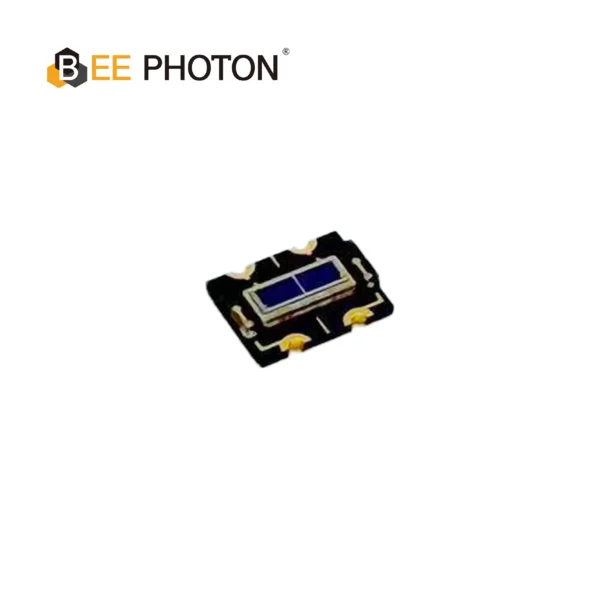
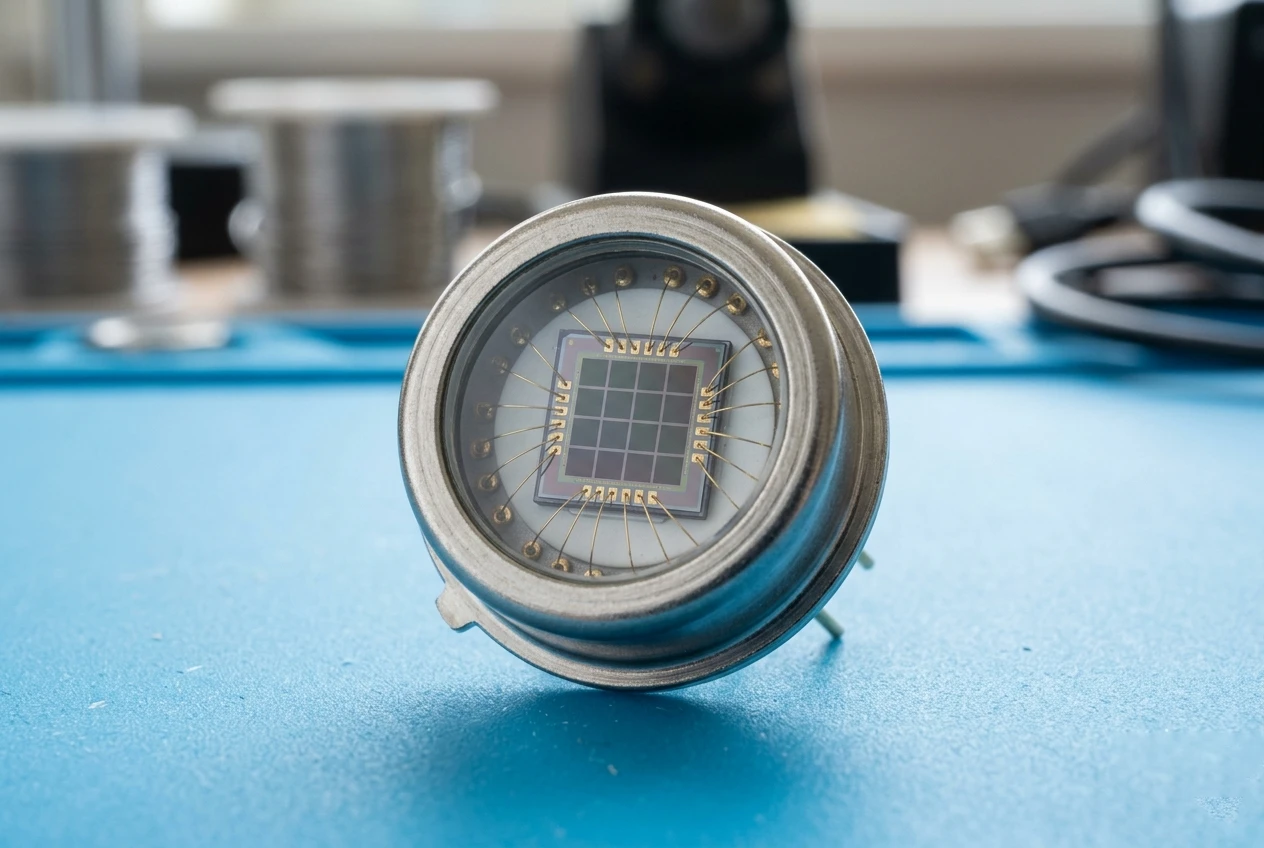
Si PIN Photodiode Array PDCA02-601
The Bee Photon PDCA Series is a precision-engineered Dual PIN Photodiode designed for high-end industrial sensing. Unlike standard single-element detectors, this silicon-based device features a segmented array structure (PD A and PD B), making it the perfect solution for differential sensing and background suppression optical switches. With a wide spectral response from 350nm to 1060nm, it ensures versatile performance across visible and near-infrared wavelengths.
How These Explosion-Proof Photodetectors Actually Spot Trouble
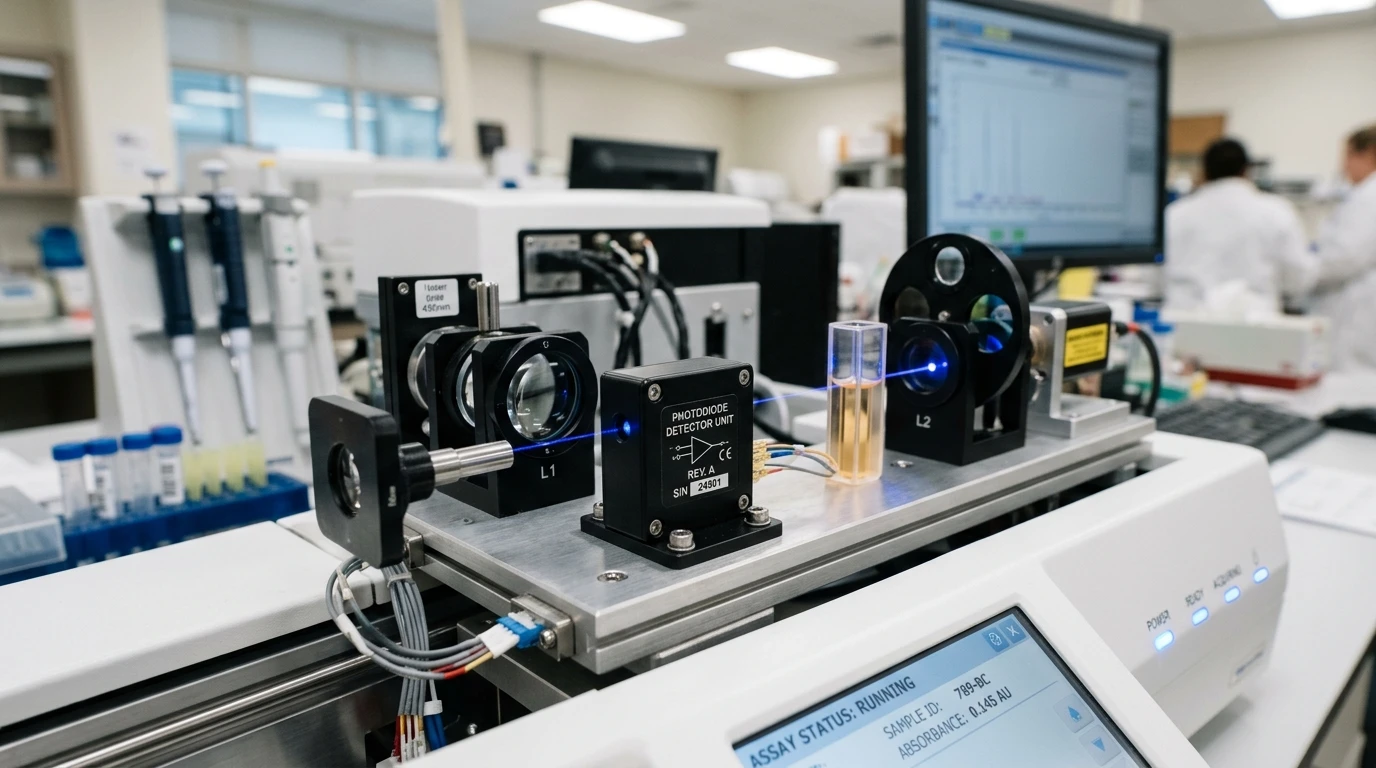
At the heart of most modern explosion-proof photodetectors you’ll find a solid Si PIN photodiode doing the heavy lifting. BeePhoton’s Si PIN photodiodes are favorites among integrators because they deliver high responsivity across 190-1100 nm and keep dark current crazy low even in hot, humid conditions.
Think of it this way: incoming light from a spark or flame hits the diode, knocks electrons loose, and you get a photocurrent you can measure in microseconds. Simple equation most folks use on the floor: photocurrent (microamps) equals responsivity (A/W) times optical power (watts). Nothing fancy, but when your responsivity sits at 0.5-0.6 A/W at 900 nm, you catch the tiniest flicker before it grows.
These explosion-proof photodetectors wrap that diode in a stainless-steel or aluminum housing rated Ex d (flameproof) or Ex ia (intrinsically safe). The lens is toughened glass or sapphire so it survives corrosive H2S and salty offshore air. Add a bit of signal conditioning and you’ve got a unit that talks 4-20 mA or digital Modbus straight to your DCS.
Spark Detection Meets Oil and Gas Sensors – The Combo That Saves the Day
A lot of guys think “flame detector” and stop there. But real spark detection in pipelines and conveyors is a different beast. Early spark detection systems (think Atexon-style ATEX-approved units) use these explosion-proof photodetectors to catch infrared or UV flashes in dust-laden gas streams.
One anonymous Midwest refinery integrator told me they swapped out old point sensors for a network of explosion-proof photodetectors tied to their existing oil and gas sensors. Result? They caught a bearing overheating spark inside a pump house 47 seconds before it would have ignited vapor. Shutdown cost them four hours instead of four weeks and a rebuild.
That’s the kind of story that makes you lean in when you’re writing the spec sheet.
Real-World Specs That Matter When You Buy Explosion-Proof Photodetectors
Don’t let marketing fluff fool you. Here’s what actually shows up on the datasheets that win bids:
- Operating temp range: -40 °C to +85 °C (sometimes +125 °C for desert rigs)
- Response time: under 5 milliseconds for spark detection
- Housing: 316L stainless, IP66/67, Ex d IIC T6
- Certifications: ATEX, IECEx, and often FM or UL for North America
- Output: 4-20 mA, relay, or fiber-optic to avoid electrical paths
BeePhoton’s Si PIN photodiodes slot right into these housings because their four-quadrant arrays and UV-enhanced models give you directional info plus broad spectrum coverage. Check their full lineup here: Si PIN photodiodes from BeePhoton.
Picking the Right Explosion-Proof Photodetectors – A No-BS Checklist
I’ve seen too many projects stall because someone bought “certified” gear that turned out certified only for Zone 2. Run this checklist with your supplier:
- Does it carry current ATEX and IECEx for your exact zone and gas group (IIA, IIB, IIC)?
- What’s the T-rating? T4 or better for most hydrocarbon vapors.
- Can the photodiode handle your background light? (Refinery flare stacks throw off tons of IR.)
- Is the window material resistant to your specific chemicals? (H2S eats some plastics fast.)
- Do you get remote self-test? Smart explosion-proof photodetectors ping themselves daily so you don’t climb the tower at 2 a.m.
If the answer is yes across the board, you’re probably looking at something that will still be working when the next turnaround rolls around.
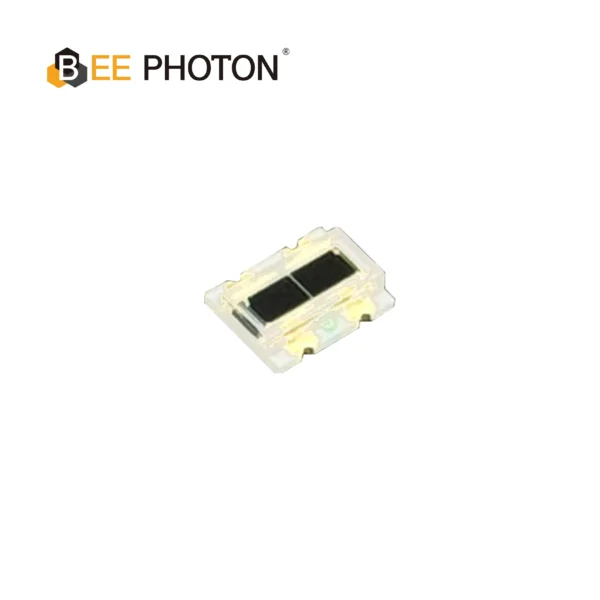
Si PIN Photodiode Array PDCA02-102
The PDCA02-102 is a high-performance Si PIN Photodiode Array designed for precision optical measurement and alignment systems. Engineered by Bee Photon, this 2-segment photodiode delivers a wide spectral response range from 400nm to 1100nm, covering the entire visible light spectrum into the near-infrared (NIR) region.
With its compact COB (Chip on Board) package and resin window, the PDCA02-102 ensures durability and easy integration into compact optical modules. It is specifically optimized for industrial applications where high sensitivity and fast response times are critical.
Quick Comparison Table: Regular Sensors vs Proper Explosion-Proof Photodetectors
| Feature | Standard Oil & Gas Sensors | Quality Explosion-Proof Photodetectors |
|---|---|---|
| Can survive Zone 0 | No | Yes |
| Spark response time | 50-200 ms | <5 ms |
| Housing cost adder | None | +30-50% but worth every penny |
| Maintenance interval | Monthly cleaning | Quarterly self-test |
| Failure mode | Catastrophic ignition risk | Contained, safe shutdown |
Numbers like that make the ROI conversation a lot easier with the CFO.
Installing Explosion-Proof Photodetectors Without the Headache
Mounting these units is straightforward if you follow the cert docs. Use Ex d cable glands, torque to spec, and keep the lens clean with the approved wiper system. Most integrators I know run them in redundant pairs – one primary, one backup – because downtime in a hazardous area costs more than the hardware.
Power? Usually 24 VDC loop-powered so you don’t add extra explosion-proof conduits everywhere. And yes, you can daisy-chain them into your existing SCADA without ripping out the whole panel.
Why BeePhoton Keeps Coming Up in These Specs
I’m not here to sell you. But when integrators ask me for a reliable core photodiode that plays nice with third-party Ex housings, BeePhoton’s Si PIN line is the one I keep recommending. Low noise, UV-enhanced options for early flame detection, and they actually answer emails from real engineers. Their contact team has helped more than one client adapt standard models into full explosion-proof photodetectors setups without reinventing the wheel.
One pipeline outfit in the Gulf switched their spark detection array to BeePhoton-based units and cut false alarms by 60% in the first six months. They never gave me the exact dollar figure, but the grin on the maintenance manager’s face said enough.
Common Mistakes That Still Happen in 2026
People still buy “weatherproof” instead of explosion-proof photodetectors and wonder why the inspector red-tags the skid. Or they pick a unit rated only for dust when the area is gas. Or they forget to budget for the proper surge protection on the 4-20 mA lines. Small things, but they bite hard during the FAT.
The Bottom Line on Staying Safe with Explosion-Proof Photodetectors
Look, nobody gets excited about safety gear until something almost goes wrong. But the guys who treat explosion-proof photodetectors as a core part of their oil and gas sensors strategy sleep better at night. They catch sparks early, keep production running, and stay off the incident reports.
If you’re an equipment integrator or plant engineer staring at a new hazardous area project, don’t leave this spec until the last minute. Grab the right explosion-proof photodetectors now and you’ll thank yourself during the next turnaround.
Ready to talk real numbers for your site? Drop BeePhoton a line at info@photo-detector.com or head straight to their contact page. Tell them you read about spark detection and hazardous area detectors here – they’ll know exactly what you need.
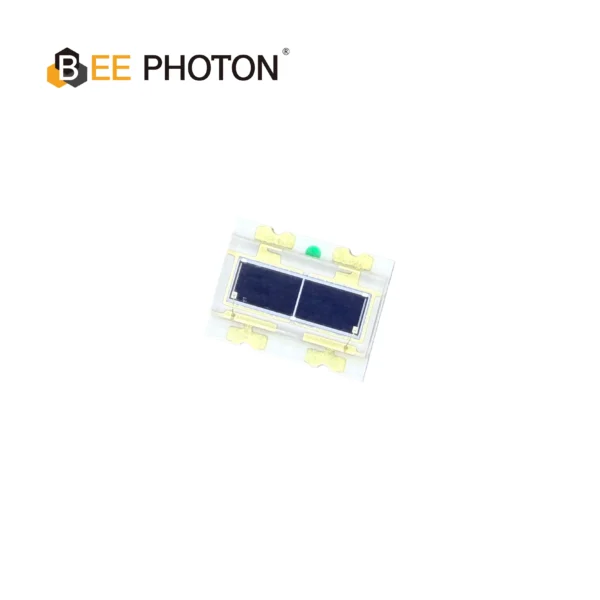
Si PIN Photodiode Array PDCA02-602
The Bee Photon PDCA Series is engineered specifically as a Background Suppression Photodiode to solve complex detection challenges in industrial environments. By utilizing a high-precision two-segment architecture (PD A and PD B), this device allows for differential signal processing, effectively filtering out background interference. It is the premier choice for manufacturers designing reliable background suppression optical switches and proximity sensors.
FAQ: Explosion-Proof Photodetectors for Oil and Gas
What exactly makes a photodiode “explosion-proof” for hazardous areas?
It’s not the diode itself – it’s the whole assembly. The housing contains any internal spark, the electronics are energy-limited, and the unit carries ATEX/IECEx stamps that prove it won’t ignite your Zone 1 atmosphere. Regular photodiodes can sit inside once the certs are in place.
Can explosion-proof photodetectors replace all my current oil and gas sensors?
Not quite. They shine at optical spark and flame detection. You still need your point gas detectors for H2S and LEL, but pair them with these explosion-proof photodetectors and you get visual confirmation plus milliseconds-earlier alerts. Most plants run both.
How long do these units really last on a salty offshore platform?
I’ve seen BeePhoton-based explosion-proof photodetectors still running clean after five years with nothing but annual lens wipes and a quick self-test. The 316L stainless and proper glands make the difference. Just don’t skip the manufacturer’s recommended checks.