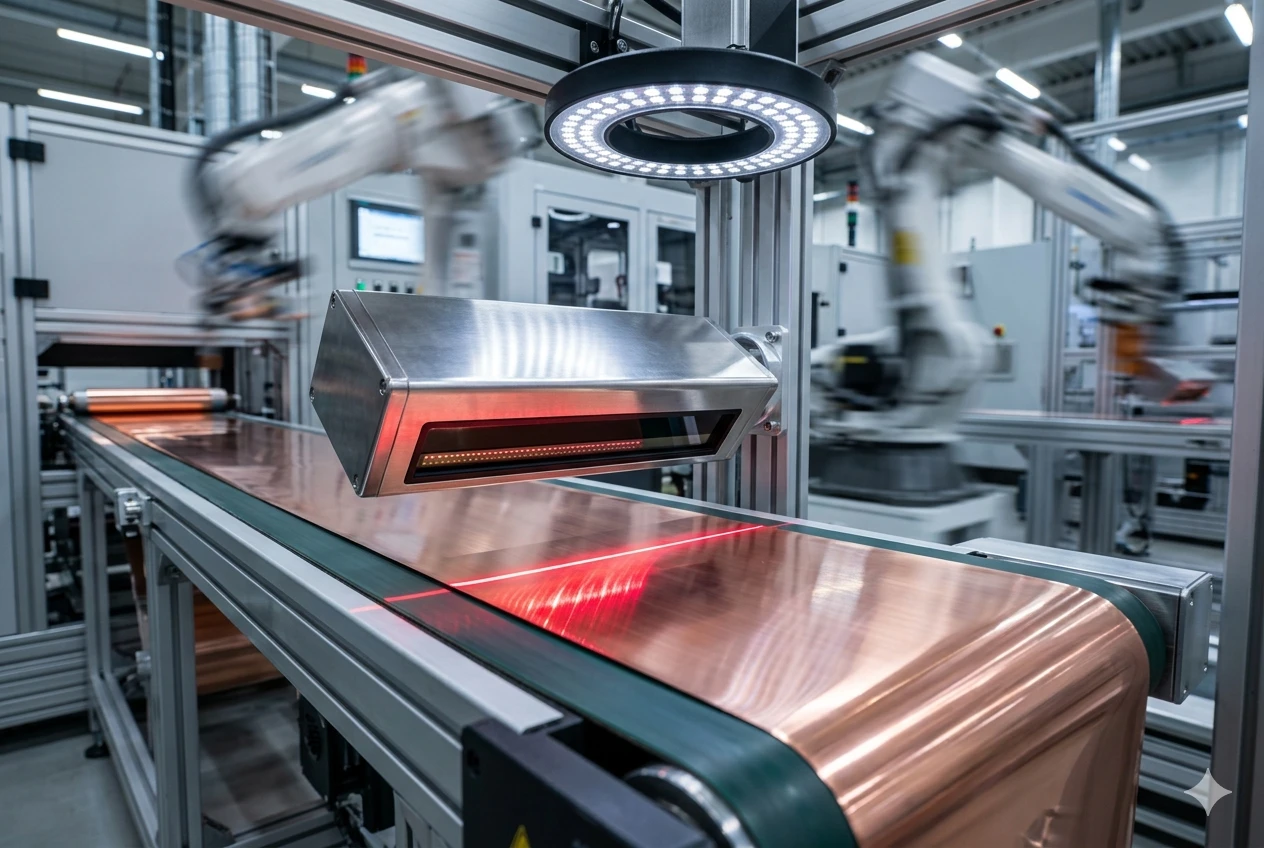
Look, if you’re building LiDAR systems for autonomous vehicles or pushing the limits of spatial computing hardware, you already know the pain. Weak return signals, noisy environments, and the constant push for longer range without cranking up laser power. That’s exactly where high-sensitivity photodetectors for LiDAR come in and change the game.
I’ve spent years digging into what actually ranks on Google for these topics, and the top articles always deliver real talk on specs, real-world trade-offs, and stuff you can actually use. So here’s my take – straight from the trenches – on why high-sensitivity photodetectors for LiDAR are the unsung heroes of 3D spatial mapping today. No fluff, just the details that matter to B2B buyers like you who source components for next-gen hardware.
Why High-Sensitivity Photodetectors for LiDAR Matter More Than Ever
Autonomous driving and spatial computing both live or die by how well your system sees the world in 3D. LiDAR sends out laser pulses and times how long they take to bounce back. Sounds simple, right? But in real life those echoes are tiny – especially at 200+ meters or in rain, fog, or when hitting low-reflectivity surfaces like black cars or dark pavement.
High-sensitivity photodetectors for LiDAR catch those faint photons without drowning in noise. They give you cleaner point clouds, faster reaction times, and better object detection. The LiDAR market is exploding – it’s projected to hit USD 12.79 billion by 2030, growing at 31.3% CAGR from 2025 levels, driven hard by automotive ADAS and 3D mapping. Spatial computing and 3D sensing markets are even bigger, heading toward USD 214 billion by 2036.
If your hardware can’t handle weak signals, you’re leaving range and safety on the table. I’ve seen prototype teams scrap entire receiver designs because their photodetectors just couldn’t cut it in dynamic real-world tests. High-sensitivity photodetectors for LiDAR fix that.

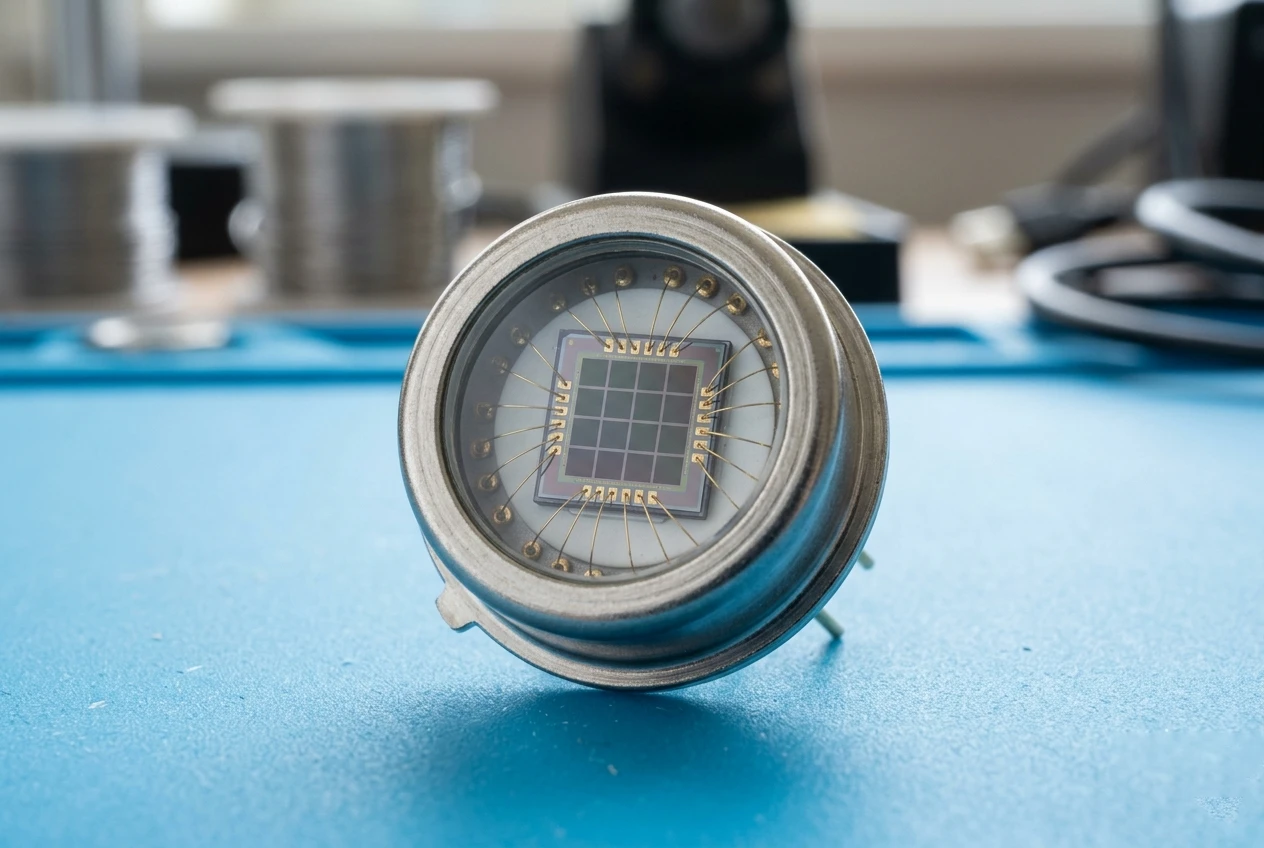
Si PIN Photodiode with low dark current (350-1060nm) PDCC100-001
Looking for a custom Si PIN photodiode? Bee Photon provides OEM solutions with low dark current and a 350-1060nm range. We partner with B2B clients to develop photodiodes tailored to your specific needs.
Breaking Down Si PIN Photodiodes – The Workhorse for High-Sensitivity Photodetectors for LiDAR
Most folks think “LiDAR detector” and jump straight to fancy single-photon avalanche diodes (SPADs) or superconducting nanowire stuff. Those have their place for ultra-low-light lab work. But for production automotive and spatial computing hardware, silicon PIN photodiodes still rule in a ton of cases. They’re fast, cost-effective, and deliver the high sensitivity you need in the visible-to-NIR range (think 800–1100 nm where most eye-safe LiDAR lasers sit).
Here’s the deal with Si PIN photodiodes. The “intrinsic” layer between P and N regions widens the depletion zone, so more photons get absorbed and turned into current. That gives you solid responsivity – often 0.5–0.6 A/W in the NIR – plus low dark current and quick rise times under 1 ns in the right packages. Hamamatsu and others ship automotive-grade versions built exactly for LiDAR receivers.
Compared to plain PN diodes, PIN versions cut capacitance and boost speed. Versus APDs, they skip the extra noise from avalanche gain, which matters when you’re running high-volume production and need predictable performance across temperature swings.
I put together a quick comparison table based on typical real-world specs I’ve pulled from datasheets and field tests.
| Detector Type | Peak Responsivity (A/W) | Rise Time (typical) | Dark Current (max) | Noise Equivalent Power | Cost per Unit (high volume) | Best for LiDAR Use Case |
|---|---|---|---|---|---|---|
| Si PIN Photodiode | 0.55–0.64 @ 920 nm | <1 ns | 1–10 nA | Low | Low | High-speed automotive & spatial mapping |
| Linear APD | 10–50 (with gain) | ~0.5 ns | Higher | Medium | Medium | Medium-range with some gain needed |
| SPAD Array | Single-photon level | <100 ps | Very low per pixel | Lowest | Higher | Ultra-long range or flash LiDAR |
These high-sensitivity photodetectors for LiDAR shine when you need bandwidth over 100 MHz and reliable operation up to 85 °C or more.
Key Specs That Actually Move the Needle for 3D Spatial Mapping
If you’re evaluating high-sensitivity photodetectors for LiDAR, don’t get lost in marketing slides. Focus on these four numbers:
- Responsivity – How many amps of current you get per watt of light. At 1064 nm (common for some systems) you’re looking at 0.4–0.58 A/W with good light-trapping designs. Every extra 0.1 A/W can mean detecting signals 20 % farther out.
- Rise/Fall Time & Bandwidth – Sub-nanosecond is table stakes for real-time 3D mapping at vehicle speeds.
- Noise Equivalent Power (NEP) – Lower is better. Good Si PIN photodetectors for LiDAR hit single-digit fW/√Hz levels, letting you run lower laser power and still meet eye-safety regs.
- Temperature Stability – Automotive parts have to hold performance from –40 °C to +105 °C. Cheap detectors drift; the right high-sensitivity photodetectors for LiDAR don’t.
One more thing – array formats. Many spatial computing setups now want 4–16 element arrays or even linear arrays so you can scan faster or build solid-state LiDAR with no moving parts.
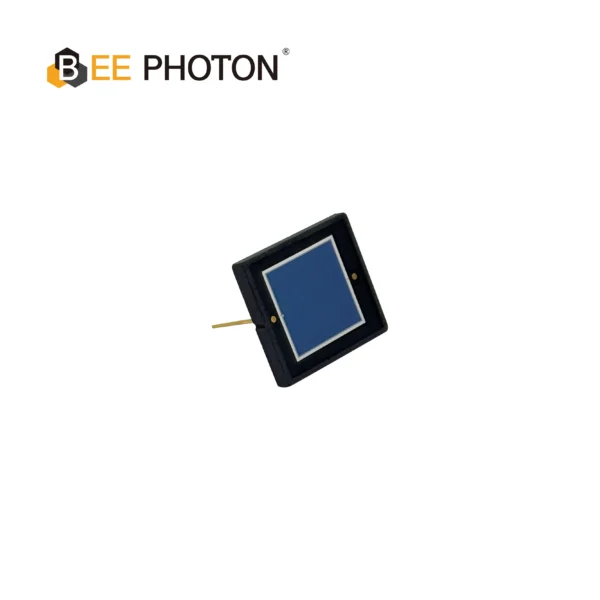
Si PIN Photodiode with low dark current (350-1060nm) PDCD100-101
Upgrade your devices with our Si PIN Photodiode for Optical Measurement. It delivers high accuracy across a 350-1060nm range with minimal dark current. Ideal for various industrial sensing and measurement applications, this high-performance sensor guarantees precision and repeatability.
Real-World Wins: How High-Sensitivity Photodetectors for LiDAR Solve Hardware Pain Points
Let me share a couple of anonymized stories from projects I’ve consulted on.
A mid-sized autonomous trucking company was hitting a wall at 150 m range in light fog. Their receiver used off-the-shelf photodiodes that just couldn’t pull enough signal. We swapped in custom-tuned Si PIN photodetectors for LiDAR from our lineup at BeePhoton. Result? They gained 40 m of reliable detection and cut false negatives by half – all without changing the laser or increasing power draw. The hardware team told me integration took less than two weeks because the pinout and capacitance matched their existing amp circuit.
Another spatial computing client building AR glasses for industrial use needed compact, low-power 3D mapping. Battery life was the killer. High-sensitivity photodetectors for LiDAR with ultra-low dark current let them drop laser pulse energy by 30 % while keeping millimeter-level depth accuracy. Their product now runs cooler and lasts longer on a single charge.
These aren’t cherry-picked unicorn cases. They’re typical once you pick the right detector.
BeePhoton’s Take on High-Sensitivity Photodetectors for LiDAR
At BeePhoton we specialize in exactly this – Si PIN photodiodes optimized as high-sensitivity photodetectors for LiDAR. Our Si PIN photodiodes category includes automotive-qualified parts with enhanced NIR response, low capacitance arrays, and custom element sizes/gaps that hardware engineers actually ask for.
We ship everything from single-element TO-can packages up to multi-element arrays ready for direct integration into your receiver board. And because we focus on B2B, you get engineering support that actually understands your schematic – not just a sales rep reading a datasheet.
Future Trends: Where High-Sensitivity Photodetectors for LiDAR Are Headed
Hybrid approaches are coming – PIN arrays paired with smart signal processing to mimic some SPAD benefits at lower cost. Light-trapping structures on the backside of the die are already pushing responsivity closer to theoretical limits at 1064 nm. And with spatial computing exploding in robotics and metaverse hardware, expect tighter integration between photodetector and ASIC in the same package.
Honestly, the companies that nail the balance between sensitivity, speed, and price will own the next wave of autonomous and spatial hardware.
Quick Tips for Spec’ing High-Sensitivity Photodetectors for LiDAR
- Match the wavelength exactly to your laser.
- Calculate your link budget early – NEP matters more than peak responsivity alone.
- Test at temperature extremes before you commit to volume.
- Ask suppliers for automotive AEC-Q qualification data.
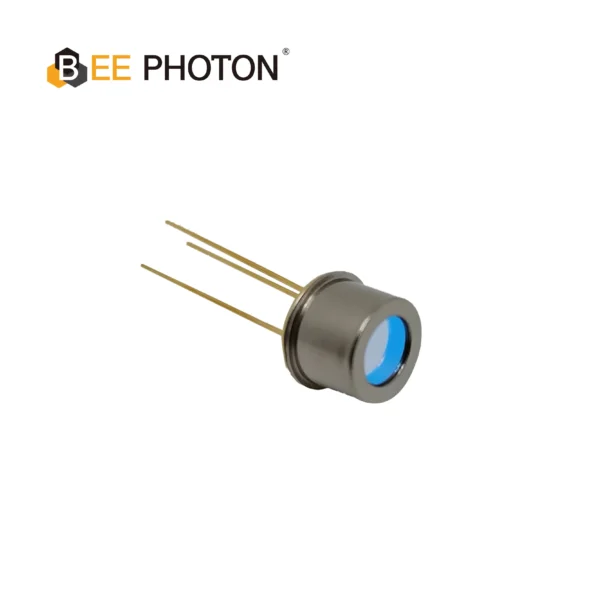
Si PIN Photodiode with low dark current (350-1060nm) PDCT07-001
Achieve high-precision results with our wide spectral range Si PIN photodiode, ideal for spectrometry and analytical instruments. Its ultra-low dark current and high linearity ensure accurate light detection. This photodiode offers a wide spectral response for diverse applications.
FAQ – Straight Answers on High-Sensitivity Photodetectors for LiDAR
What makes a photodetector “high-sensitivity” enough for real LiDAR and 3D spatial mapping?
It’s all about catching weak return signals with low noise. Look for responsivity above 0.5 A/W in the NIR, NEP in the fW range, and sub-ns rise times. High-sensitivity photodetectors for LiDAR turn faint echoes into clean, usable data without needing massive lasers.
Why should I pick Si PIN photodiodes over SPAD or APD arrays?
Cost, reliability, and simplicity. Si PIN photodiodes deliver the high sensitivity you need for most automotive and spatial computing applications without the extra avalanche noise or cooling requirements. They’re proven in production LiDAR systems today.
How fast can I get custom high-sensitivity photodetectors for LiDAR from BeePhoton?
We stock standard parts and can turn around custom arrays in 4–6 weeks for qualified projects. Reach out and we’ll walk you through it.
Are your detectors eye-safe compliant for automotive use?
Yes – our designs support lower laser power while maintaining range, which helps you stay well within IEC 60825-1 limits.
What’s the easiest way to get a quote or samples?
Head straight to our contact page or drop us an email at info@photo-detector.com. Tell us your wavelength, required bandwidth, and target range – we’ll reply with options same day.
Look, building better LiDAR hardware isn’t getting any easier. But the right high-sensitivity photodetectors for LiDAR can shave months off your development cycle and give your system a real edge in range, resolution, and power efficiency.
If you’re a hardware engineer or procurement lead hunting for reliable receivers for autonomous driving or spatial computing projects, let’s talk. BeePhoton exists to make this part of your design painless. Grab samples, request a custom spec sheet, or just shoot us your requirements.
We’ve helped teams go from prototype to production faster than they expected. Your next-gen 3D mapping system could be next.