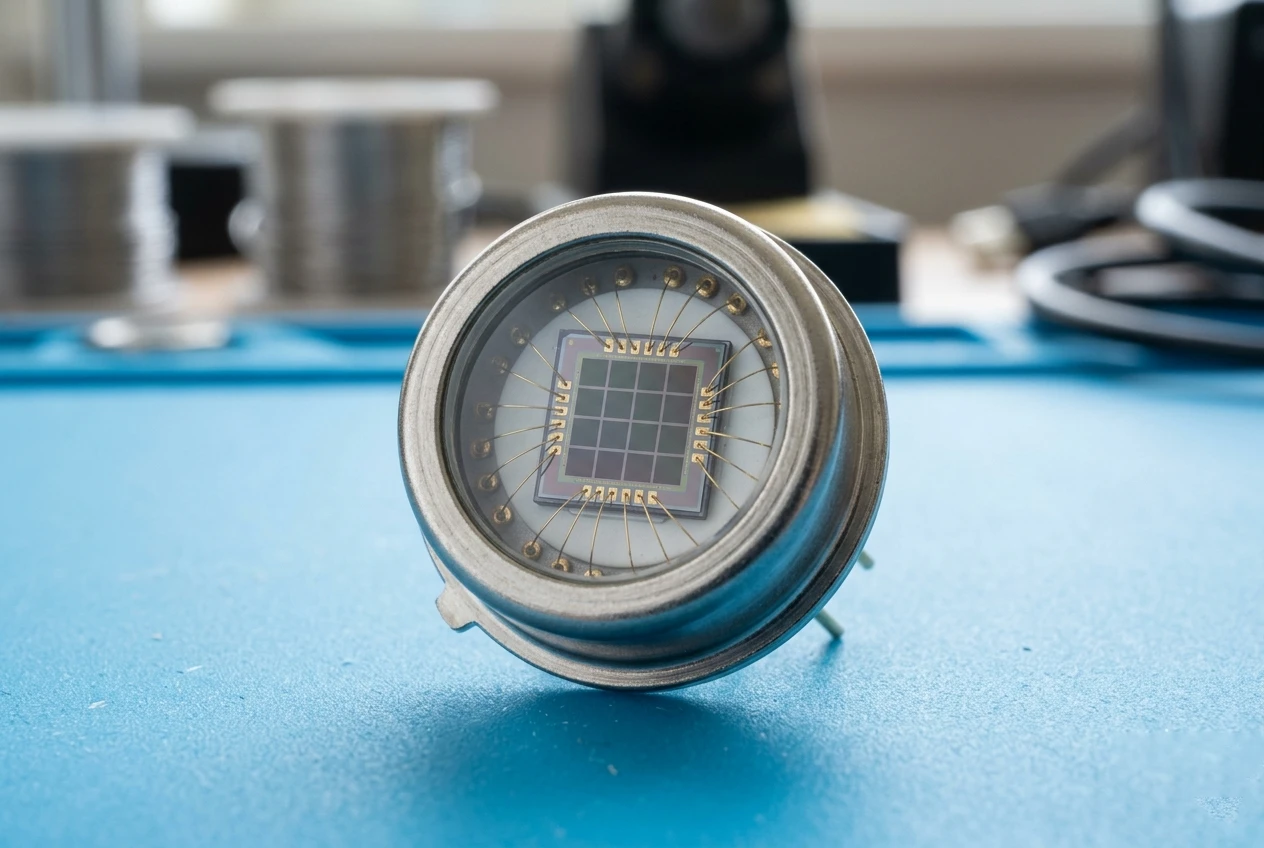
If you’re knee-deep in building laser rangefinders for golf courses or heavy-duty engineering gear, you already know the receiver is the make-or-break part. That’s where fast response InGaAs detectors come in. They turn faint return pulses into crisp electrical signals fast enough to squeeze every extra meter out of your system without sacrificing accuracy.
I’ve spent years tweaking these setups for OEM clients, and the difference between a mediocre receiver and one loaded with the right InGaAs detectors is night and day. In this piece I’m laying out exactly how these InGaAs detectors work, why they crush older options for 1550 nm eye-safe laser ranging, and the practical stuff you need to know before you spec your next batch. No fluff, just the details that actually move the needle on range and speed.
How Laser Ranging Receivers Actually Work (and Where InGaAs Detectors Fit In)
A laser ranging receiver catches the tiny bit of light that bounces back from your target, times the round trip, and spits out a distance. Simple in theory, brutal in practice when you want to hit 1 km or more while keeping the update rate high.
The detector is the first gatekeeper. It has to react in nanoseconds so the timing circuit can do its job. Fast response InGaAs detectors shine here because they handle the 1550 nm wavelength that most eye-safe systems use nowadays. Silicon detectors? They stop at about 1100 nm, so you’re stuck with 905 nm lasers that can’t push the same power without eye-safety headaches. InGaAs detectors let you crank up the laser power safely, which means longer range and better penetration through mist or dust.
The basic time-of-flight equation stays the same: distance equals (speed of light times round-trip time) divided by 2. But the accuracy of that equation depends entirely on how cleanly and quickly your InGaAs detectors turn photons into electrons. Slow response smears the pulse edge and eats up your precision.
What Makes InGaAs Detectors Different from the Rest
InGaAs detectors are built on indium gallium arsenide, which gives them sensitivity from roughly 900 nm to 1700 nm (some extended versions push to 2600 nm). That sweet spot covers the 1064 nm and 1550 nm lasers that dominate serious ranging gear.
Typical responsivity sits around 0.65 A/W at 1064 nm and 0.95 A/W at 1550 nm. That’s real current you can work with, not some tiny trickle. Dark current stays low when you pick the right package, and capacitance can be dialed down for the speed you need.
Compare that to silicon and you see the gap fast. Silicon is cheaper and has lower dark current in visible light, but it’s blind to 1550 nm. InGaAs detectors give you the wavelength flexibility plus lower solar background noise outdoors. One study showed InGaAs-based systems cutting through fog and rain better while still delivering clean signals.
Here’s a quick side-by-side I put together from real field data I’ve seen:
| Parameter | Silicon Detector (905 nm) | InGaAs Detectors (1550 nm) | Real-World Impact for Ranging |
|---|---|---|---|
| Eye-Safety Laser Power | Limited | Higher allowed | Up to 50% extra range |
| Solar Background Noise | Higher | Much lower | Cleaner signals in daylight |
| Typical Response Time | 1–5 ns (small area) | 2–17 ns optimized | Sharper pulse edges |
| Atmospheric Penetration | Fair | Excellent in fog/rain | Reliable engineering use |
| Active Area Options | Large | Balanced for speed | Good light collection without sacrificing speed |
These numbers come straight from manufacturer specs and OEM tests I’ve reviewed. The fast response InGaAs detectors in the right column are the ones we keep shipping for clients who need both reach and refresh rate.
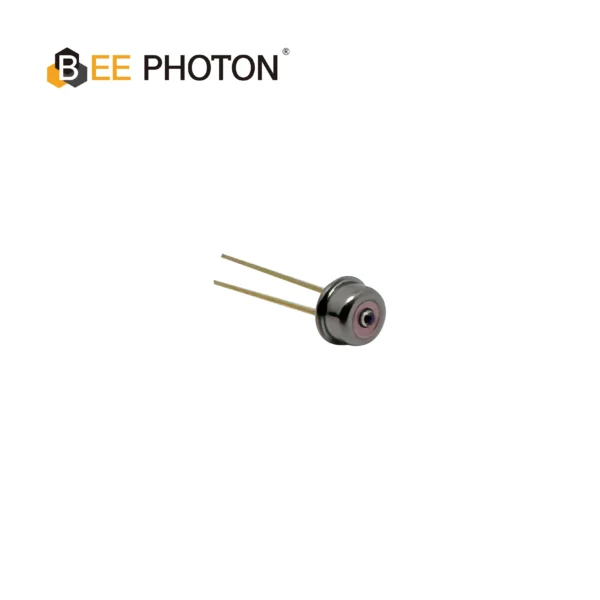
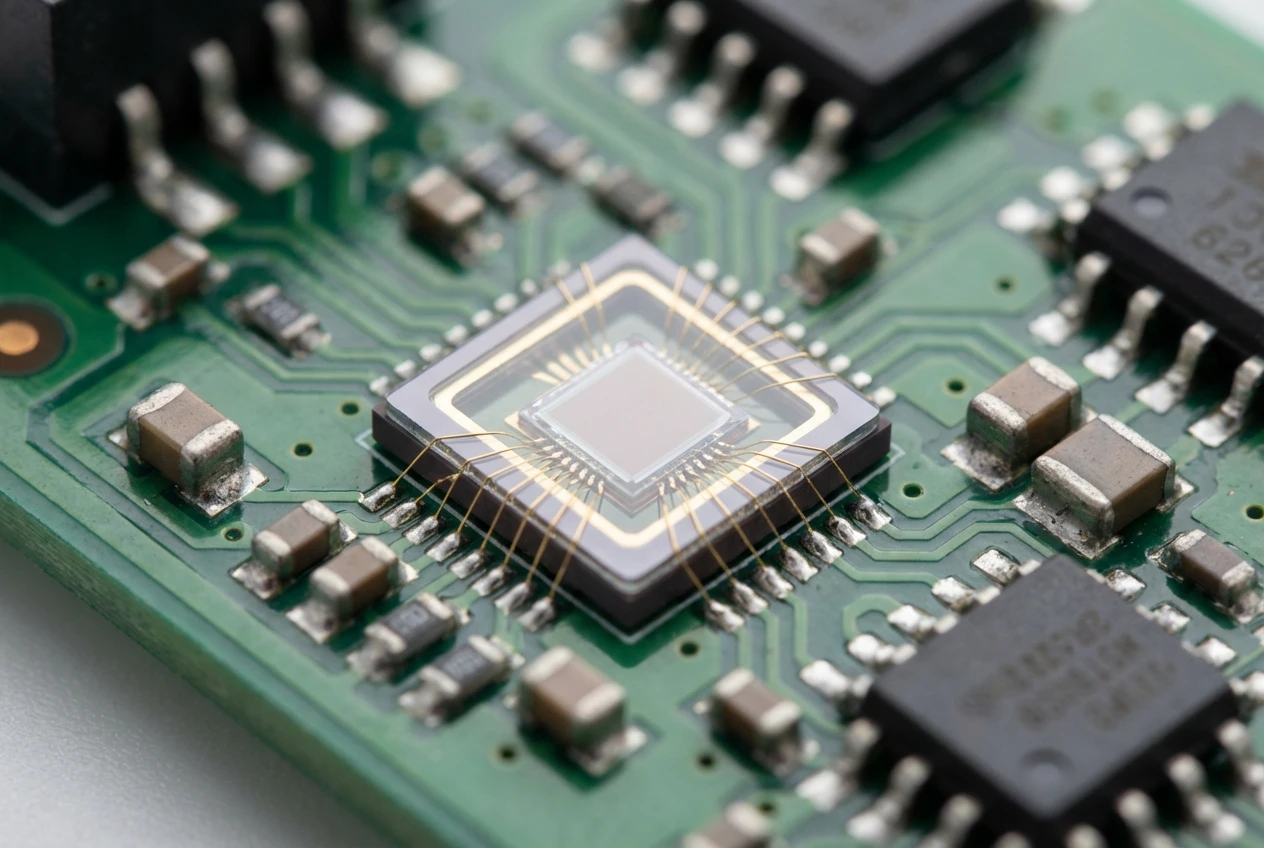
800-1700nm InGaAs PIN Photodiode PDIT005-224A
Bee Photon’s TO-18 InGaAs PIN Photodiode delivers exceptional performance for industrial sensing and control. This robust photodiode offers high reliability for your most critical applications.
The Speed Game: Why Fast Response Matters in InGaAs Detectors
Response time is the name of the game for laser ranging receivers. A slower detector stretches the rising edge of the return pulse, which blurs your timing measurement and shortens effective range.
The limiting factor is usually the RC time constant: rise time (10–90%) is roughly 2.2 times R times C, where C is the junction capacitance of the InGaAs detectors. Larger active areas collect more light but add capacitance, so engineers used to face a nasty trade-off.
Newer designs fix that. Thicker intrinsic layers or dual-depletion region structures in InGaAs detectors drop capacitance dramatically while keeping dark current in check. One advanced large-area version cut RC rise time from 37 ns down to 11 ns. That’s the kind of jump that lets your system resolve targets hundreds of meters farther.
Bandwidth numbers tell the same story. Off-the-shelf InGaAs detectors now hit 1–3 GHz for ranging-grade parts, and some small-area versions reach 20 GHz. For golf rangefinders that need 1–2 meter accuracy at 300–500 meters, a 5–10 ns response is plenty. Engineering gear pushing 2 km wants sub-5 ns InGaAs detectors to keep the error bars tight.
Real Applications: Golf Rangefinders and Engineering Gear
Golf rangefinders are a perfect test bed for fast response InGaAs detectors. Players want instant yardage to the pin, even on hazy mornings. One client (a mid-size OEM) swapped their old silicon setup for our InGaAs detectors and saw max reliable range climb from 400 m to over 650 m with the same laser power. The return pulses were sharper, false positives dropped, and battery life actually improved because the receiver didn’t have to work as hard.
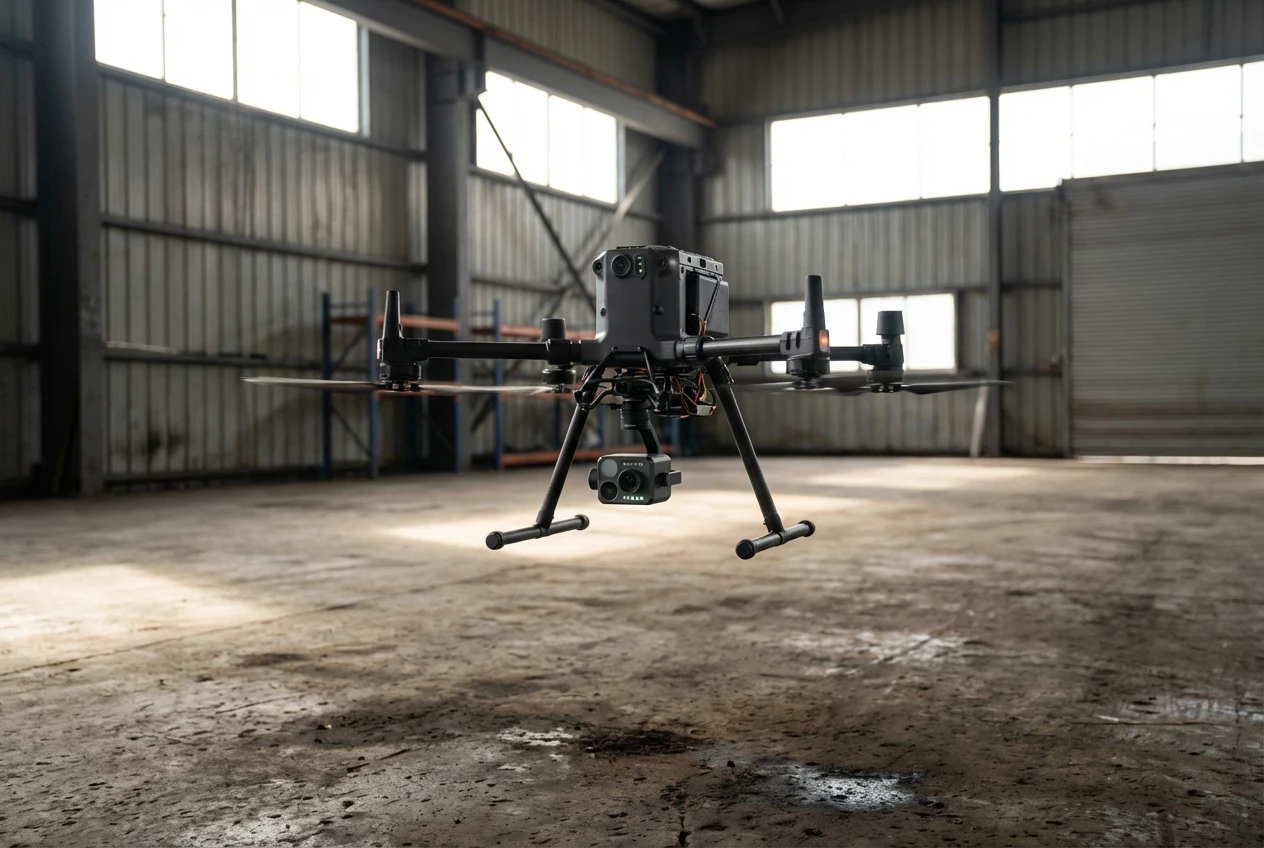
Engineering survey equipment is even tougher. Think tunnel boring machines, bridge inspection drones, or construction site scanners. These guys need to range through dust, rain, and variable lighting. InGaAs detectors at 1550 nm cut through that mess better than 905 nm systems. I’ve seen project teams cut their survey time in half after upgrading because the receiver locked onto targets faster and with fewer retries.
How to Pick the Right InGaAs Detectors for Your OEM Project
Don’t just grab the cheapest part with “InGaAs” in the name. Look at these specs:
- Active area diameter: 0.5–3 mm is the sweet spot for most ranging receivers.
- Rise time: under 10 ns for serious distance work.
- Capacitance: the lower the better once you hit your bandwidth target.
- Package: TO-18 or ceramic for easy integration and thermal stability.
At BeePhoton we stock and customize InGaAs PIN photodiodes exactly for this. Check out the full lineup of InGaAs PIN photodiodes and you’ll see options tuned for laser ranging receivers.
We also help with the little things—matching preamps, thermal management, even simple test jigs so your engineering team can validate the fast response InGaAs detectors before full production.
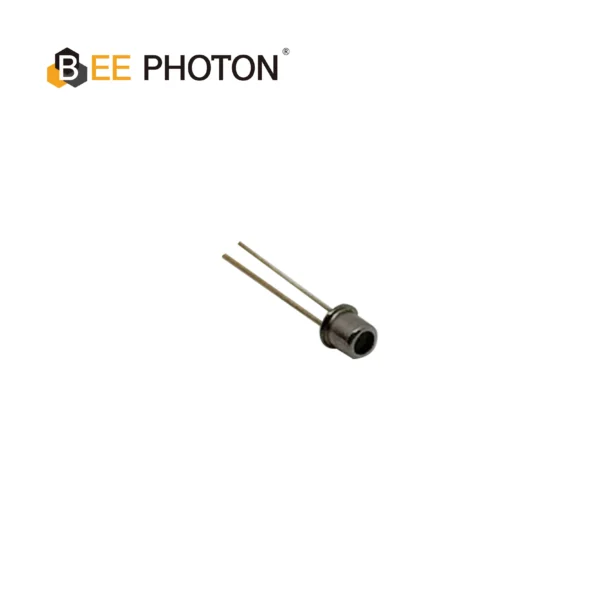
800-1700nm InGaAs PIN Photodiode PDIT03-231N
Our InGaAs PIN Diode for Optical Communication is engineered for reliable fiber optic networks.This TO-packaged diode provides high sensitivity for optical communication systems, ensuring excellent signal integrity.
Integration Tips I Wish Someone Had Given Me Earlier
Mount the InGaAs detectors as close as possible to the transimpedance amp. Every millimeter of trace adds inductance and kills your speed. Use short, wide traces or coaxial feed-throughs.
Bias voltage matters too. Most InGaAs detectors run happily at 5 V reverse bias, but some high-speed parts like a touch more to squeeze out that last bit of bandwidth. Just watch the dark current curve so you don’t cook the thing.
Temperature swings are the silent killer in outdoor gear. InGaAs detectors have a decent tempco, but pairing them with a simple TEC or even good passive heatsinking keeps response time rock-solid.
A Quick Success Story (Names Stay Confidential)
A European engineering firm building long-range survey drones came to us frustrated with their 800 m limit. After switching to a custom fast response InGaAs detectors module from BeePhoton, they hit 1.4 km in field trials with the same 1550 nm laser. The client told me the receiver now “just works” even in pouring rain. That extra range let them spec smaller, lighter drones and win bigger contracts. Stories like that are why I keep pushing these InGaAs detectors.
The Road Ahead for InGaAs Detectors in Laser Ranging
The tech isn’t standing still. We’re seeing hybrid designs that blend PIN speed with a touch of avalanche gain for even weaker signals. Bandwidth is climbing into the tens of GHz for specialized receivers, and costs are dropping as volumes rise. If you’re designing next-gen gear, locking in a reliable source of fast response InGaAs detectors now puts you ahead of the curve.

800-1700nm InGaAs PIN Photodiode PDIT20-001
Achieve rapid data transmission with Bee Photon’s High Speed InGaAs Photodiode.This detector offers low capacitance and fast response, perfect for demanding datacom and LiDAR applications.
FAQ
What exactly makes InGaAs detectors better for laser ranging receivers than silicon?
InGaAs detectors work at the 1550 nm eye-safe wavelength that lets you use higher laser power safely. They also ignore a lot of daylight noise and punch through weather better. Silicon tops out at shorter wavelengths and forces you into compromises on range and safety.
How much range can fast response InGaAs detectors actually add?
Real systems we’ve tested show 30–50% longer effective distance compared with older detectors at the same laser power. The sharper pulse edge and lower noise floor are what deliver that gain.
Can I get custom InGaAs detectors for my specific golf or engineering project?
Absolutely. BeePhoton builds to order—different active areas, packages, even pre-tested modules ready for your board. Just reach out and we’ll match the fast response InGaAs detectors to your exact receiver design.
Are InGaAs detectors hard to integrate?
Not if you follow basic RF layout rules. We’ve helped plenty of OEMs go from prototype to production without drama.
Where do I buy reliable InGaAs detectors right now?
Head over to BeePhoton’s InGaAs PIN photodiodes category or hit our contact page. Drop us an email at info@photo-detector.com and we’ll get you specs, pricing, and samples fast.
If your laser ranging receivers are hitting a wall on distance or speed, it’s probably time to upgrade the detector. Fast response InGaAs detectors are the upgrade that actually pays for itself in performance.
We’ve been in the detector game long enough to know what works in the real world. Whether you’re tweaking a golf rangefinder or scaling up industrial survey gear, the right InGaAs detectors make the difference between “good enough” and “best in class.”
Ready to talk specs? Visit BeePhoton at https://photo-detector.com/, shoot an email to info@photo-detector.com, or fill out the quick form on our contact page. Tell us what range and response time you’re chasing and we’ll put together a package of InGaAs detectors that fits your project like a glove.