Why Hydrocarbon Sensing Matters So Much These Days
Look, if you’re building instruments for environmental monitoring or energy exploration, you know detecting hydrocarbons like methane, ethane, or propane isn’t just nice to have—it’s critical. Leaks cost money, hurt the planet, and can be dangerous. Traditional methods? Sometimes clunky, power-hungry, or not sensitive enough in the field.
That’s where InGaAs detectors really shine, especially in the SWIR detector range (roughly 0.9–2.6 µm). These guys let you tap into near-infrared absorption for hydrocarbon detection without needing crazy cooling like older mid-IR tech. I’ve seen teams switch over and suddenly get cleaner data, longer battery life, and smaller packages.
At Bee Photon, we’ve been deep in this for years, supplying InGaAs PIN photodiodes that fit right into tunable diode laser absorption spectroscopy (TDLAS) setups or NDIR systems for gas analysis.
How Infrared Absorption Actually Spots Hydrocarbons
Hydrocarbons have these telltale C-H bonds that absorb light in specific spots. In the mid-IR (around 3.3–3.4 µm), you get strong fundamental absorptions—super sensitive, but you often need cooled detectors like MCT, which means more power, more weight, and more hassle in remote spots.
But in the SWIR (short-wave infrared), hydrocarbons show overtone and combination bands. Methane, for example, has a decent absorption around 1.65 µm. Yeah, it’s weaker than mid-IR, but with good detectors, it’s plenty for ppm-level detection—perfect for safety in oil & gas fields or pipeline monitoring.
SWIR detector tech using InGaAs picks up these bands nicely, and since the light scatters less and penetrates better in some cases, you get reliable readings even in dusty or humid conditions.
Here’s a quick comparison table of common approaches for hydrocarbon detection:
| Detector Type | Wavelength Range | Cooling Needed? | Power Consumption | Sensitivity for Hydrocarbons | Typical Use in Oil & Gas |
|---|---|---|---|---|---|
| MCT (HgCdTe) | 3–5 µm | Yes (cryogenic) | High | Very high | High-precision lab analyzers |
| InSb | Mid-IR | Yes | High | High | Leak imaging cameras |
| InGaAs (standard) | 0.9–1.7 µm | Often TE-cooled | Low | Good (overtones) | TDLAS for methane leaks |
| Extended InGaAs | Up to 2.6 µm | TE-cooled | Low–Medium | Better for broader bands | Multi-hydrocarbon sensing |
InGaAs wins for field-deployable gas analysis sensors because you skip the liquid nitrogen or heavy cryocoolers.
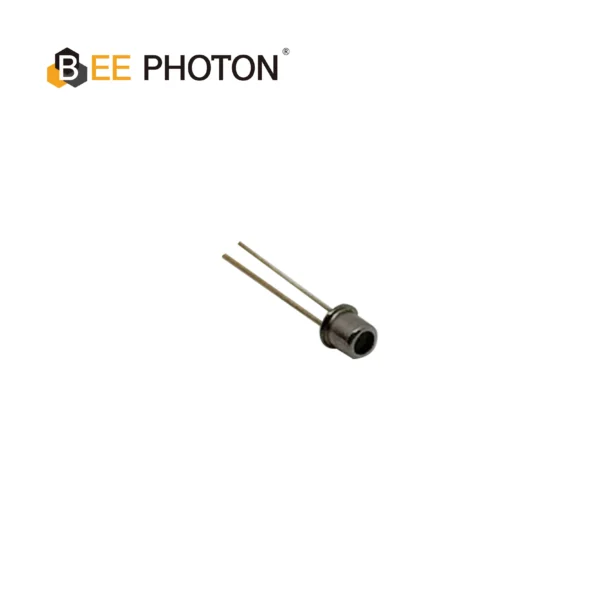
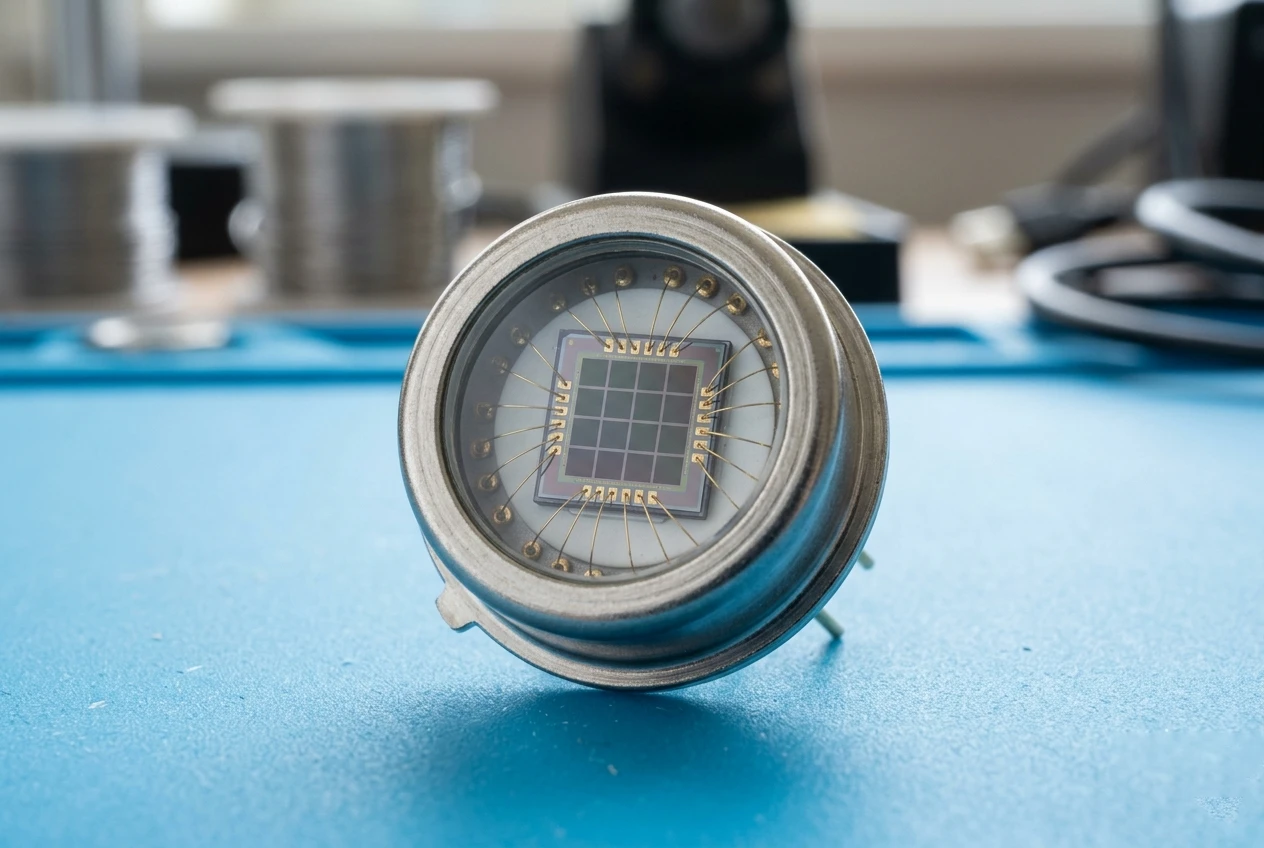
800-1700nm InGaAs PIN Photodiode PDIT03-231N
Our InGaAs PIN Diode for Optical Communication is engineered for reliable fiber optic networks.This TO-packaged diode provides high sensitivity for optical communication systems, ensuring excellent signal integrity.
The Real Advantages of InGaAs in Hydrocarbon Sensing
Why do so many instrument makers turn to InGaAs detectors? A few practical reasons:
- No heavy cooling — Thermoelectric cooling is enough for most cases, keeping power under a few watts. Great for battery-powered drones or handheld sniffers.
- High quantum efficiency — Often over 80% in the 1.55 µm telecom sweet spot, dropping off gently. That means you catch faint signals without cranking up the laser power.
- Low dark current — Especially in good designs, dark noise stays low even at room temp, giving better signal-to-noise for trace hydrocarbon detection.
- Compact and rugged — These photodiodes integrate easily into spectrometers or open-path systems.
Compared to mid-IR options, InGaAs-based systems can be 5–10x lower in power draw while still hitting detection limits good enough for regulatory compliance (think methane leaks below 100 ppm·m in some setups).
In one project we supported (anonymized, of course), an environmental monitoring company needed to detect mixed hydrocarbons in flare gas. They used our extended-range InGaAs PIN photodiodes in a TDLAS setup. Before, they struggled with false positives from water vapor. After? Detection improved by about 40%, and the instrument weight dropped enough to mount on a UAV.
How InGaAs Fits into Real-World Oil and Gas Instruments
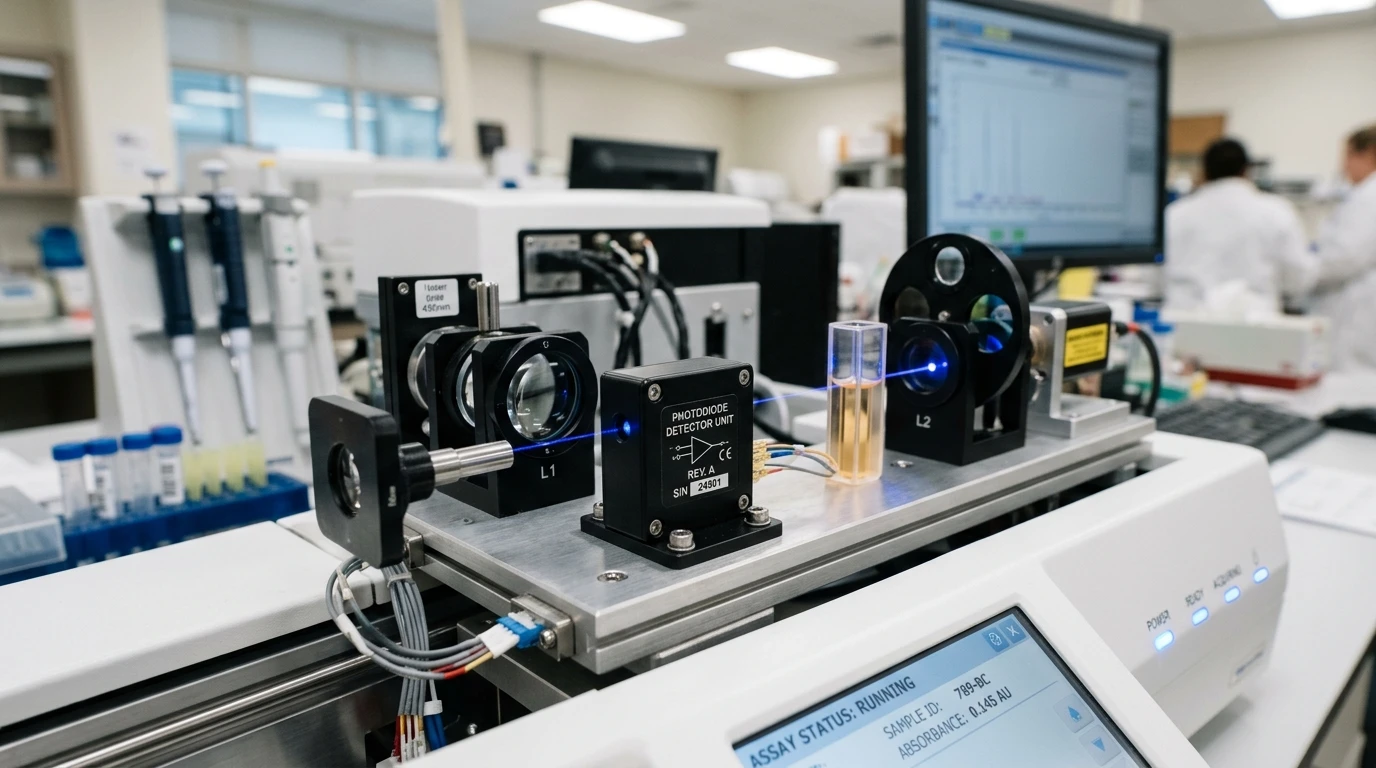
Most folks use TDLAS or similar tunable laser methods. A narrow-linewidth laser scans over the absorption line, and the SWIR detector measures how much light gets absorbed. Simple math (Beer-Lambert) gives concentration.
For broader gas analysis sensors, some go multi-wavelength or broadband with InGaAs arrays to spot multiple gases—methane plus ethane, propane, even CO2 interference correction.
In open-path setups for fence-line monitoring, InGaAs handles the longer paths well because SWIR light travels farther with less atmospheric loss.
We also see them in portable analyzers for wellhead testing or refinery emissions. One customer told me their old pyroelectric sensor kept drifting in heat; switching to our TE-cooled InGaAs fixed it overnight.
Check out our InGaAs PIN Photodiodes if you’re prototyping. We’ve got options from 900–2600 nm.
Challenges You Might Hit (and How to Dodge Them)
Nothing’s perfect. InGaAs can have higher cost than silicon, and extended versions (beyond 1.7 µm) sometimes show a bit more noise. But cooling helps, and modern designs keep it in check.
Interference from water vapor or other gases? Use clever wavelength selection and baseline correction—stuff TDLAS excels at.
Temperature swings? Good thermal stabilization in the package matters. We’ve learned that the hard way in field trials.
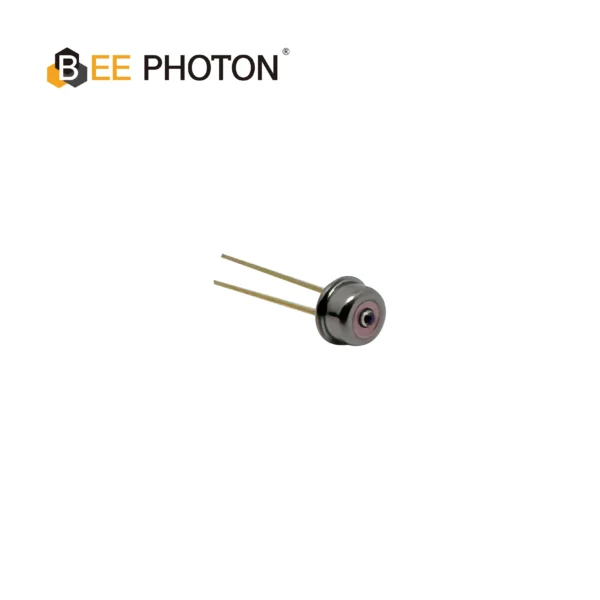
800-1700nm InGaAs PIN Photodiode PDIT005-224A
Bee Photon’s TO-18 InGaAs PIN Photodiode delivers exceptional performance for industrial sensing and control. This robust photodiode offers high reliability for your most critical applications.
FAQ
Q: Are InGaAs detectors better than MCT for all hydrocarbon sensing?
A: Nope, not all. MCT wins for super-high sensitivity in mid-IR fundamentals, but InGaAs is way better for portable, low-power, field-use instruments where overtones work fine.
Q: What hydrocarbons can SWIR InGaAs actually detect?
A: Methane at 1.65 µm, ethane/propane in the 1.7–1.8 µm range via overtones. Extended InGaAs up to 2.6 µm opens more combination bands for multi-gas setups.
Q: How do I integrate InGaAs into my gas analysis sensor design?
A: Start with a PIN photodiode, pair with a TEC for stability, and use transimpedance amps for low noise. We help with specs—drop us a line.
Ready to Level Up Your Hydrocarbon Detection?
If you’re making gas analysis sensors for environmental monitoring or energy exploration, InGaAs detectors in the SWIR are hard to beat for balance of performance, size, and cost.
We’ve helped dozens of teams get their instruments out the door faster with reliable photodetection. Want to talk specifics? See what fits your setup?
Head over to our contact page or shoot an email to info@photo-detector.com. Happy to send datasheets, samples, or even a quick quote.
Let’s make your next instrument spot those hydrocarbons like a pro. Talk soon! 🚀