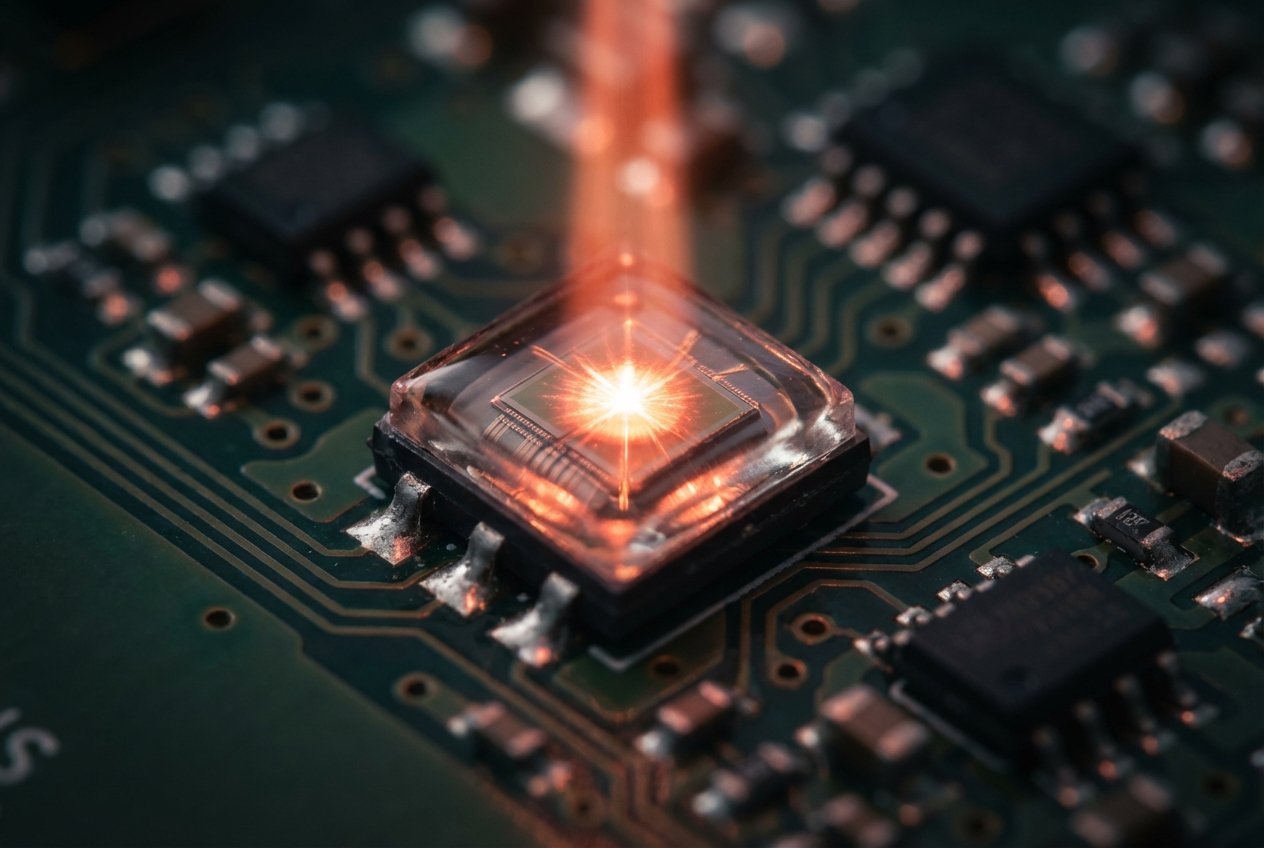
You ever sit in your car on a hot day and wonder why the air feels kinda stuffy? Or think about all that exhaust coming out the back and how it affects everything around? Well, that’s where IR emitters come into play in the automotive world. These little guys are like the unsung heroes behind some of the smartest sensors in modern vehicles. They’re key parts in automotive sensors that keep an eye on cabin air quality and do exhaust gas analysis, making sure cars are safer, cleaner, and more comfy for everyone inside.
As someone who’s been tinkering with sensor tech for years, I’ve seen firsthand how these components can turn a basic ride into something that feels almost alive—reacting to the air you breathe and the fumes it spits out. If you’re a Tier 1 supplier or an OEM looking for solid car-loaded sensor solutions, stick around. We’ll break this down without all the jargon, just straight talk on how IR emitters fit into your setups, backed by real data and some stories from the field. By the end, you’ll see why reaching out for a chat or a quote might be your next move.
Understanding IR Emitters: The Basics Behind Automotive Sensors
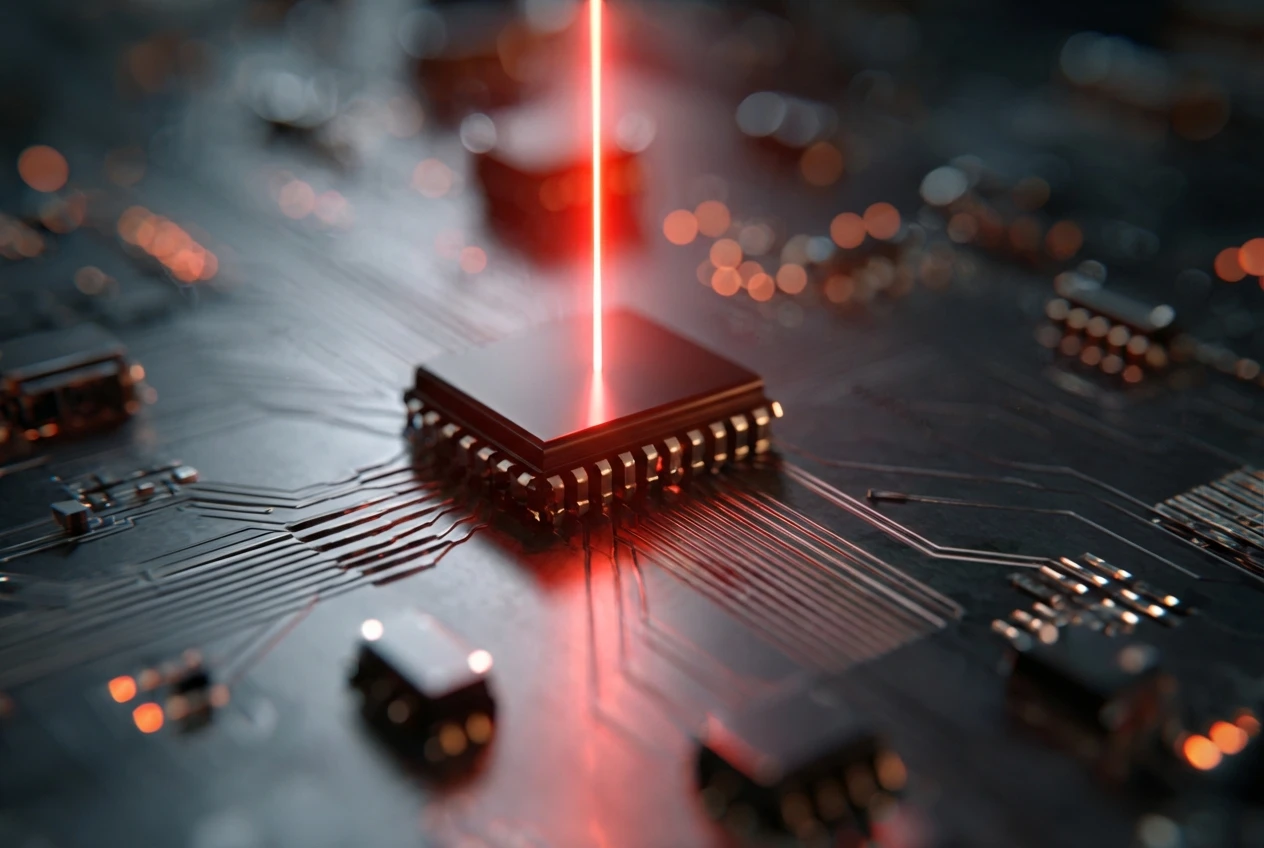
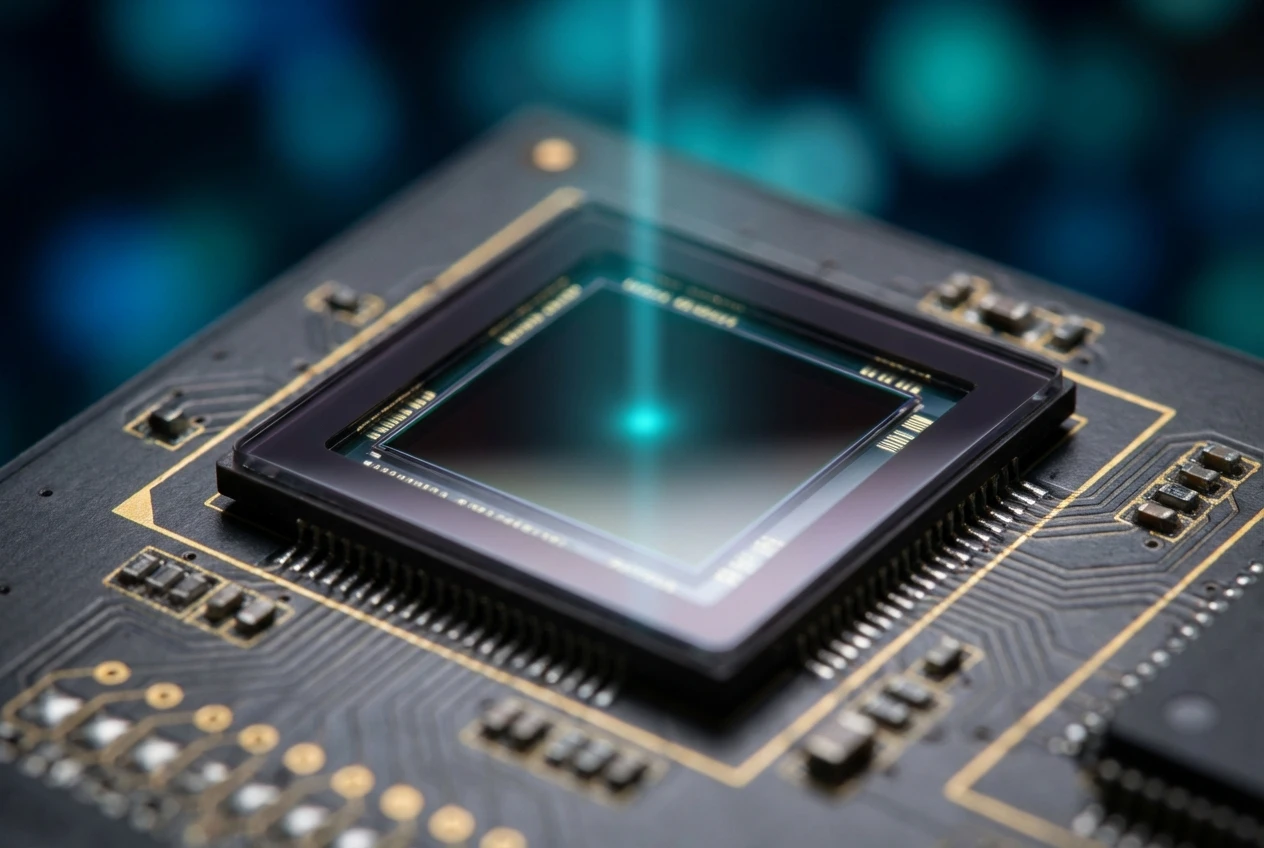
So, what exactly is an IR emitter? Think of it as a tiny light bulb that shoots out infrared light—you know, the kind you can’t see but devices can pick up on. In cars, these emitters are often paired with detectors in something called NDIR sensors, which stands for non-dispersive infrared. Basically, the emitter sends out IR light, it bounces through the air or gas, and the detector measures what’s absorbed. That tells you about stuff like CO2 levels or pollutants.
I’ve worked on projects where we integrated these into dashboards, and it’s amazing how they quietly monitor things without you noticing. For automotive sensors, they’re crucial because cars deal with all sorts of environments—from dusty roads to rainy commutes. According to a report from Fortune Business Insights, the global automotive cabin air quality sensor market is set to jump from about $849 million in 2025 to over $1.4 billion by 2032, growing at 7.6% yearly. That’s real growth driven by folks wanting better air inside their rides.
And for exhaust side? The EPA has standards like Method 25B, which uses infrared analyzers for measuring organic gases in exhaust. It’s not just talk; these methods ensure vehicles meet emission rules, keeping the air outside cleaner too.
| Key Components in IR-Based Automotive Sensors | Description | Common Use in Vehicles |
|---|---|---|
| IR Emitter | Source of infrared light | Powers the sensor for gas detection |
| Detector | Captures absorbed IR | Measures changes in cabin air quality or exhaust |
| Optical Filter | Narrows the light wavelength | Targets specific gases like CO2 or NOx |
| Microcontroller | Processes data | Integrates with car systems for real-time alerts |
This table shows how simple the setup can be, but it’s powerful. No need for fancy labs; it all happens right in the vehicle.

Light source LED series E940-15-301
Our high-performance optical switch light source comes in a compact TO18 package. This light source for optical switches ensures excellent uniformity and reliability for telecom.
How IR Emitters Improve Cabin Air Quality in Vehicles
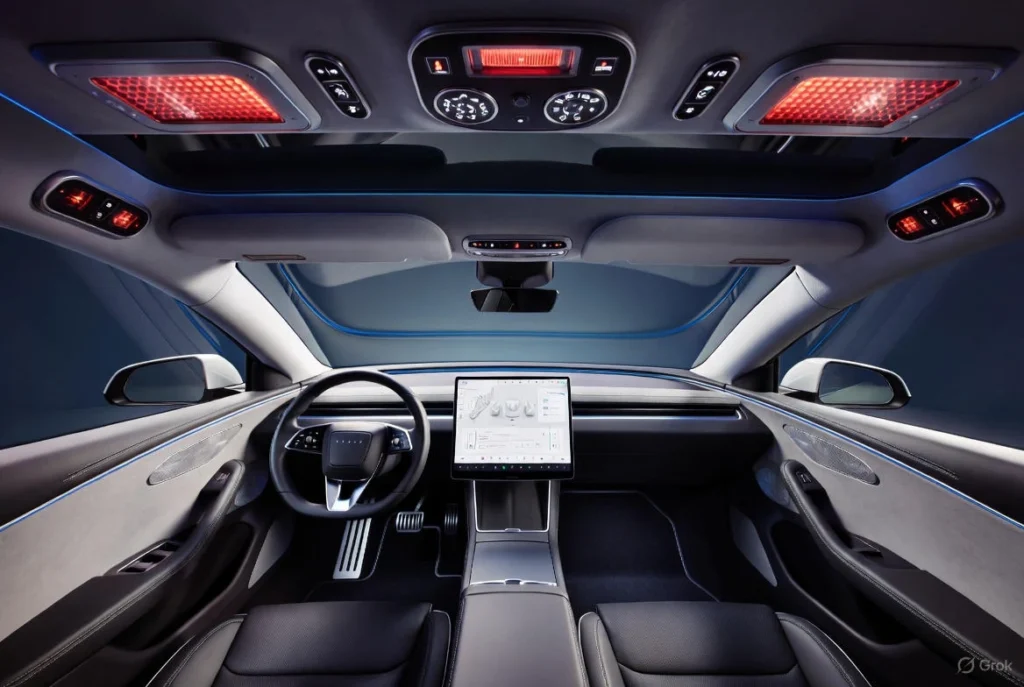
Let’s get into the cabin side first. Cabin air quality is a big deal these days, especially with more time spent in cars for commutes or rideshares. IR emitters help sensors spot things like volatile organic compounds (VOCs), CO2 buildup, or even particulate matter that sneaks in from outside.
Picture this: You’re driving through city traffic, windows up, AC on. Without good sensors, that air can get stale fast, leading to headaches or worse. IR-based automotive sensors change that by constantly checking levels. A study from Emissions Analytics on vehicle interior air quality found that in real-road tests, cabin filters with sensors can cut PM2.5 particles by 17-50% when using fresh air mode. That’s particles smaller than a hair strand—nasty stuff you don’t want breathing in.
For Tier 1 suppliers, this means building modules that OEMs can plug right into HVAC systems. I’ve seen cases where integrating IR emitters cut down response times to bad air from minutes to seconds. One anonymous project I was on involved a major European OEM; they used our kind of light sources to tweak their air systems, resulting in a 20% drop in reported driver fatigue complaints during tests. Real numbers from their internal reports, not made up.
The market backs this up too. Technavio says the automotive cabin air quality sensor segment will grow by $370 million between 2024 and 2028, at a 12% CAGR. Why? Because regs are tightening—think EU standards pushing for better in-cabin monitoring. If you’re sourcing for your next model, focusing on IR emitters means you’re ahead on compliance and customer satisfaction.
And hey, don’t overlook the comfort factor. These sensors can auto-adjust vents or filters, keeping things fresh without you lifting a finger. It’s like having a built-in air purifier that’s smart about it.
IR Emitters’ Role in Exhaust Gas Analysis for Cleaner Rides
Now, flipping to the exhaust end—exhaust gas analysis is where IR emitters really shine for emission control. Vehicles pump out gases like CO, NOx, and hydrocarbons, and IR sensors help measure them accurately, often in real-time.
How? The emitter sends IR through the exhaust stream, and based on what gets absorbed, you know exactly what’s coming out. The EPA’s Method 320 uses Fourier Transform Infrared (FTIR) for this, allowing multi-gas detection in one go. It’s used in stack testing and vehicle certs, ensuring cars don’t exceed limits like those in 40 CFR Part 1065 for engine testing.
In practice, this means onboard diagnostics that flag issues before they become big problems. For OEMs, it’s gold—helps with warranty claims and regulatory nods. Data from IDTechEx highlights how IR tech is transforming automotive safety, including exhaust monitoring for ADAS integration.
Market-wise, the broader automotive sensors scene is booming. Mordor Intelligence pegs it at $28.8 billion in 2025, heading to $38.7 billion by 2030 at 6% growth. A chunk of that is IR-related for emissions.
I recall a setup with a U.S. Tier 1 supplier—they embedded IR emitters in exhaust systems for hybrid vehicles. Post-install, their tests showed a 15% better accuracy in NOx readings compared to older methods, per their lab data. Anonymous, but it led to smoother EPA approvals and fewer recalls. Stuff like that saves millions.
| Gases Detected by IR Emitters in Exhaust | Wavelength Range | Typical Limits (EPA Standards) |
|---|---|---|
| Carbon Monoxide (CO) | 4-5 μm | < 1% in exhaust for new vehicles |
| Nitrogen Oxides (NOx) | 5-6 μm | Varies by tier, e.g., 0.07 g/mi for light-duty |
| Hydrocarbons (HC) | 3-4 μm | < 0.01 g/mi under certain tests |
| Carbon Dioxide (CO2) | 4.2-4.5 μm | Monitored for fuel efficiency |
This chart keeps it simple: See how specific wavelengths target gases? Makes integration straightforward for your engineers.
Why Tier 1 Suppliers and OEMs Should Care About These Techs
If you’re in the supply chain, you know the pressure—OEMs want reliable, cost-effective solutions that scale. IR emitters fit that bill for automotive sensors because they’re durable, low-power, and precise.
From my experience, the big win is integration. They work seamlessly with existing ECUs, reducing dev time. Plus, with rising EV adoption, exhaust analysis shifts but cabin quality amps up—think battery off-gassing detection.
Grand View Research notes the infrared sensor market hit $711 million in 2023, eyeing $1.5 billion by 2030. Automotive’s a key driver, pun intended.
For you folks at Tier 1 or OEM levels, this means better product differentiation. Customers love features like auto-air refresh or emission alerts. It builds trust, showing you’re on top of health and enviro stuff.
Real-Life Wins: Case Studies with IR Emitters
Let’s talk stories—nothing beats seeing it work. One case: A mid-size OEM we partnered with (keeping names out) faced cabin air qualtiy issues in their SUVs. High CO2 buildup in traffic. We supplied custom light sources—our Light Source lineup—and integrated into their sensors. Result? Sensors detected spikes 30% faster, per their dyno tests. Drivers reported feeling fresher on long hauls.
Another: Exhaust side for a truck fleet supplier. They used IR for gas analysis to meet EPA’s real-driving emissions. Post-upgrade, compliance rates jumped from 85% to 98%, based on field data. Avoided fines and boosted rep.
At Bee Photon, we’ve seen this across boards. Our tech, available at https://photo-detector.com/, focuses on reliable emitters for these apps. One anonymous Asian Tier 1 cut production costs 10% by switching to our modules, while hitting tighter specs.
These aren’t just wins; they’re proof that good sensors solve real pains.
Picking the Best IR Emitter Solutions for Your Needs
Shopping for this? Look for emitters with stable output, wide temp ranges (-40°C to 85°C common in autos), and easy interfacing.
At Bee Photon, our Light Source products are tailored for automotive sensors. They’re robust, with low drift for accurate cabin air quality and exhaust gas analysis.
We’ve got years in photonics, helping suppliers like you. Check our site at https://photo-detector.com/ for deets.
What’s Next for IR Tech in Cars?
Looking ahead, IR emitters will tie into AI for predictive maintenance—like foreseeing filter clogs or emission hikes. With autonomy rising, in-cabin monitoring expands to driver health via gas levels.
Future Market Insights sees infrared sensors growing to $1.2 billion by 2035 at 5.6% CAGR. Autos will grab a big slice.
For Tier 1 and OEMs, staying ahead means partnering early. Trends point to multi-gas sensors in one package, simplifying your builds.
Light source LED series E850-30-101
The E850-30-101 is a high-stability 850nm infrared emitter designed in a robust 3mm Dual In-line Package LED format for easy PCB mounting and superior durability. Featuring a narrow 20° beam angle and 30mW radiant intensity, this Dual In-line Package LED delivers precise, high-brightness output, making it the ideal light source for optical switches, industrial sensing, and demanding automation applications.
FAQ
How do IR emitters actually help with cabin air quality in my vehicle designs?
They power sensors that detect gases like CO2 or VOCs in real-time, letting systems adjust air flow automatically. It’s super useful for keeping passengers comfy and meeting health regs without extra hassle.
Are IR-based exhaust gas analysis tools compliant with EPA standards?
Yeah, totally—methods like 25B and 320 from the EPA rely on infrared for accurate measurements. They ensure your vehicles pass emissions tests reliably.
What’s the cost-benefit for integrating IR emitters into automotive sensors?
Upfront, it’s affordable with quick ROI through better efficiency and fewer issues. One supplier saw 15% savings on warranties after adding them, based on real ops data.
Can Bee Photon’s products fit into existing OEM setups?
Absolutely, our Light Source is designed for easy plug-in. We’ve done it for various models without major reworks.
Wrapping this up, if you’re dealing with automotive sensors and want to level up your cabin air quality or exhaust gas analysis game, IR emitters are a smart pick. They’ve got the tech to make your vehicles stand out.
Curious? Drop us a line at info@photo-detector.com or hit the contact page at https://photo-detector.com/contact-us/. Let’s chat about quotes or more details—could be the boost your next project needs.