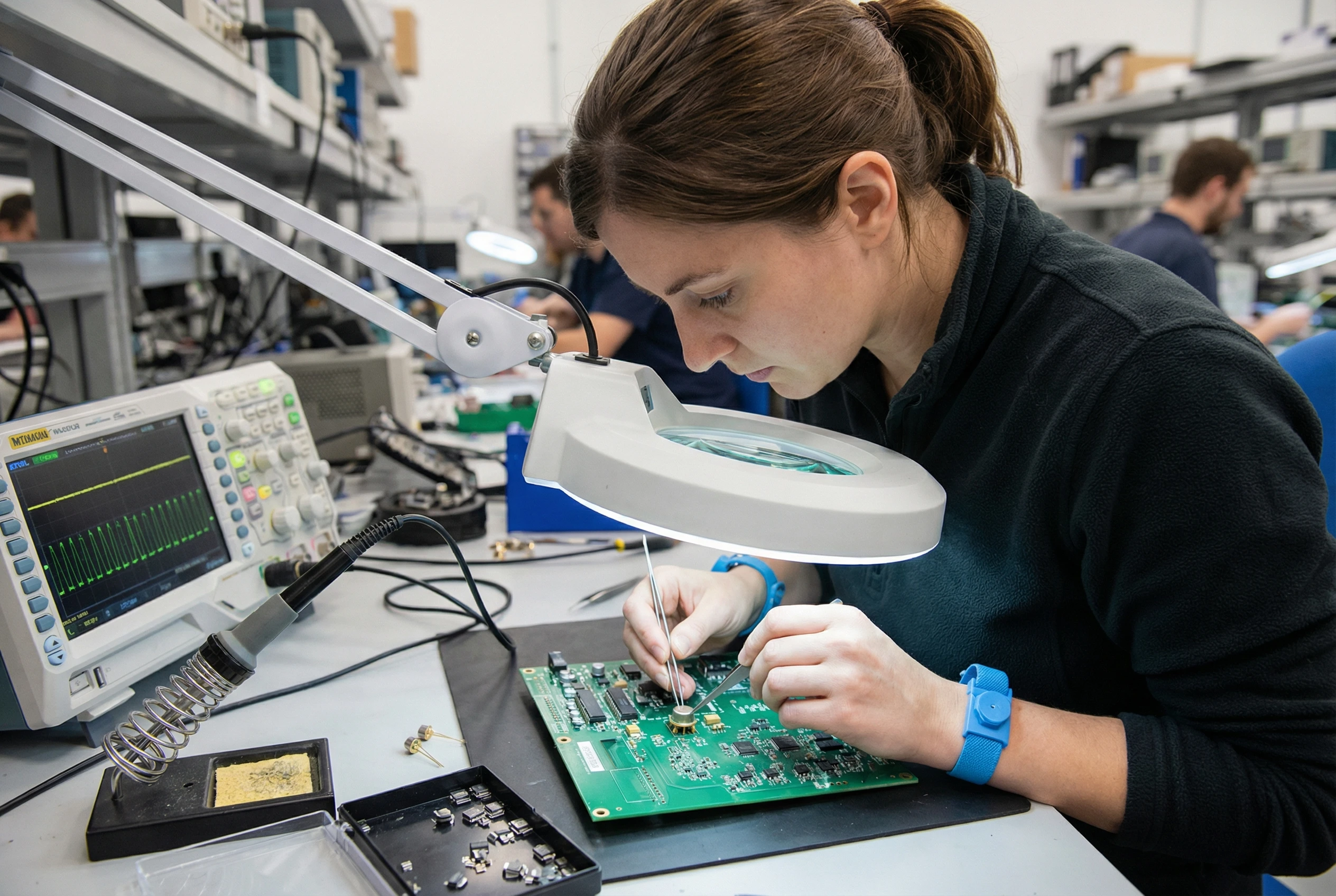
If you’re an engineer grinding through 3D scan projects and constantly fighting noisy point clouds or fuzzy edges, you already know the pain. Those grainy results slow everything down, force extra post-processing, and leave your final models with precision that just isn’t cutting it for real-world use. The fix isn’t always in better software or brighter lasers. Sometimes it starts right at the detector level with low dark current photodiodes.
I’ve spent years helping teams swap out standard photodetectors for low dark current photodiodes in everything from industrial inspection rigs to advanced LiDAR setups. The difference is night and day. Less baseline noise means cleaner signals, sharper scans, and way less time cleaning up data later. That’s exactly why we at BeePhoton built our Si PIN lineup around this tech. If you’re ready to upgrade your 3D scanners, stick with me. I’ll walk you through why low dark current photodiodes matter, how they actually work in practice, and what to look for when you make the switch.
What Exactly Are Low Dark Current Photodiodes and Why Do They Matter for 3D Scanning?
Let’s keep it simple. A photodiode turns incoming light into electrical current. But even in complete darkness, a tiny bit of current still flows—called dark current. It comes from thermal energy kicking electrons around inside the silicon, surface leaks, and a few other sneaky effects. In most standard photodiodes that current sits around 20–50 pA or higher. Not huge on paper, but it adds shot noise that messes with your weak return signals in 3D scanners.
Low dark current photodiodes cut that leakage way down—think under 0.5 pA in our BeePhoton models at room temp, or as low as 2 pA in top-shelf options like Thorlabs’ FD11A. The result? Your signal stands out instead of drowning in random fuzz. For 3D scanners using structured light or laser triangulation, that means higher signal-to-noise ratio right at the hardware level. No more guessing where the real surface stops and noise begins.
How Dark Current Creates Noise Problems in Your 3D Scanner
Here’s the part a lot of folks overlook. Dark current isn’t just a static offset you can subtract in software. It creates shot noise that scales with the square root of the current itself. The formula for that RMS noise current looks like this in plain text:
Shot noise (i_d) = sqrt(2 * q * I_dark * B)
Where q is the electron charge (1.6 × 10^-19 C), I_dark is your dark current in amps, and B is the bandwidth in Hz.
Plug in numbers and it gets real fast. Say your standard photodiode runs at 50 pA dark current and you’ve got a 1 MHz bandwidth. Noise jumps up quick. Drop that to 0.5 pA with a low dark current photodiode and the noise term shrinks dramatically—often 5–10× quieter depending on the exact setup. That directly translates to cleaner 3D point clouds with fewer outliers and better depth resolution.
Temperature makes it worse too. Dark current in silicon roughly doubles every 8–10 °C rise. So if your scanner sits in a factory floor that warms up during the day, your noise floor creeps higher unless you’re using low dark current photodiodes engineered with premium passivation layers.
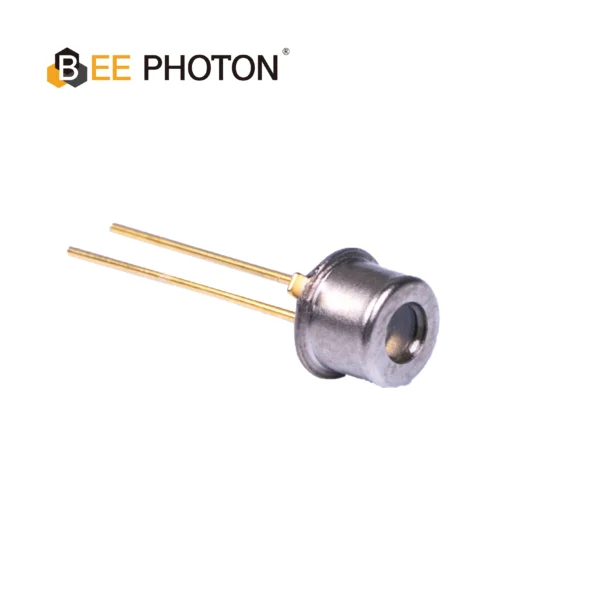
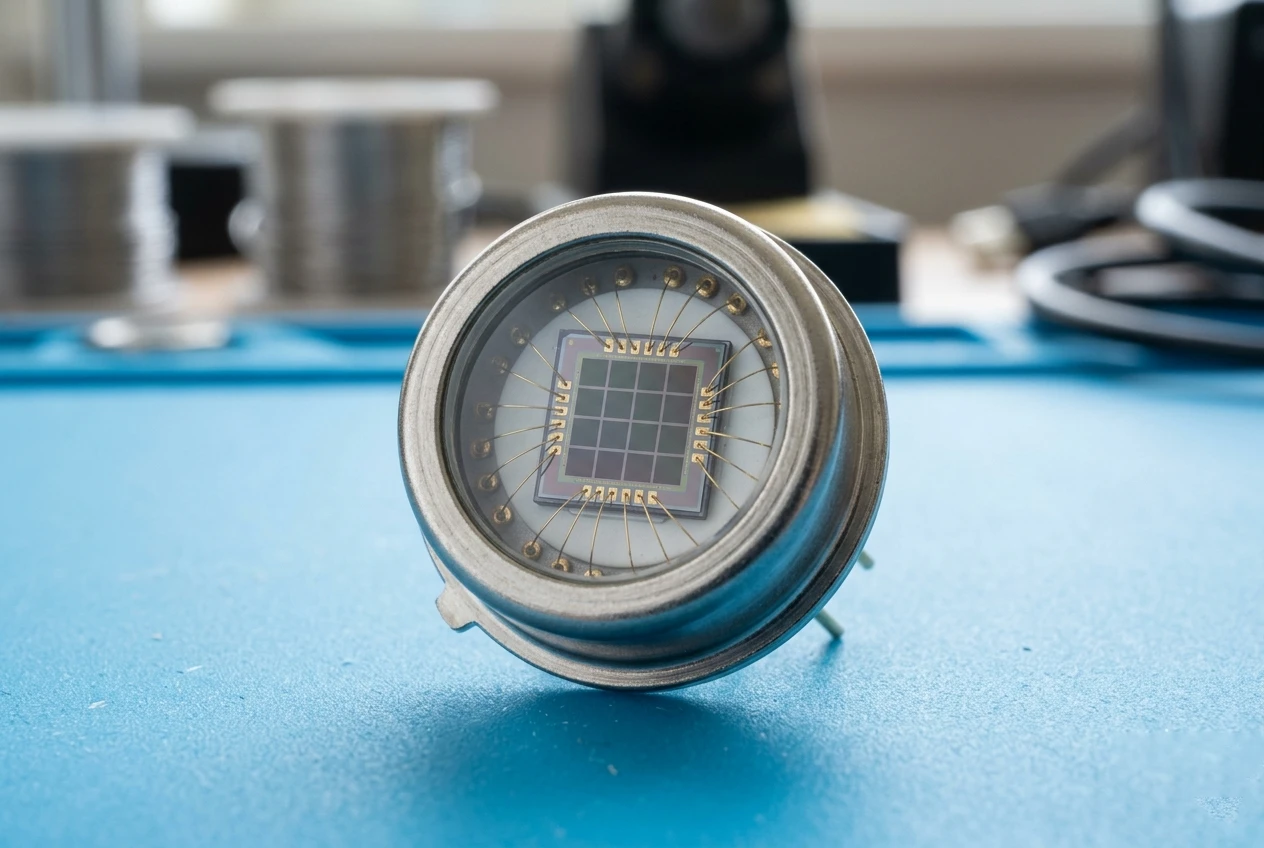
Si PIN Photodiode with low dark current (350-1060nm) PDCT01-201
Experience superior signal clarity with our Si PIN photodiode, engineered for ultra-low dark current and high stability. This photodiode ensures precise laser detection and optical measurements. Our low dark current Si PIN photodiode offers exceptional performance.
Real Benefits You’ll See After Upgrading Your 3D Scanner
Teams that switch to low dark current photodiodes usually report three big wins:
- Sharper edges and finer details in scans of glossy or low-reflectance parts
- Faster scan speeds because you don’t need to average as many frames to beat the noise
- Less software cleanup, which means quicker turnaround from scan to usable CAD model
One anonymized client we worked with—an automotive parts inspector—cut their scan noise floor by roughly 40% after swapping in our Si PIN low dark current photodiodes. Their previous setup needed heavy filtering that blurred small features. Post-upgrade they kept full resolution and still hit tighter tolerances on critical dimensions. Another group doing reverse engineering for aerospace tooling saw their effective dynamic range jump enough to reliably scan matte black composites that used to wash out completely.
Here’s a quick comparison table based on real measured values from industry leaders and our own testing:
| Parameter | Standard Si Photodiode | BeePhoton Low Dark Current Si PIN | Typical Improvement |
|---|---|---|---|
| Dark Current (typ @ 25°C) | 20–50 pA | < 0.5 pA | 40–100× lower |
| Shot Noise Contribution | Higher baseline | Significantly reduced | 5–10× quieter |
| SNR in Low-Light Scans | 12–15 dB typical | 20–25 dB+ | +8–15 dB |
| Effective Scan Resolution | Limited by noise | Finer features captured | Up to 2× better |
| Temperature Stability | Drifts quickly | Holds steady longer | Less cooling needed |
Data drawn from manufacturer specs and field tests.
Step-by-Step: Integrating Low Dark Current Photodiodes into Your Existing 3D Scanner
Don’t worry—this isn’t a full redesign. Most upgrades are drop-in friendly.
- Check your receiver circuit. Low dark current photodiodes work best in photoconductive mode with a modest reverse bias (usually 5–10 V). Make sure your TIA (transimpedance amp) can handle the lower noise floor without adding its own.
- Match the active area and wavelength. Our Si PIN low dark current photodiodes cover 400–1100 nm, perfect for visible or near-IR lasers common in 3D scanners. Active areas from a few mm² up to larger formats are available.
- Add basic thermal management if your environment swings more than 20 °C. A small heatsink or simple TEC can cut dark current another 50% or more.
- Calibrate once. Because the baseline is so clean, your zero-light offset barely moves, so calibration holds longer between sessions.
We’ve got the full lineup in our Si PIN photodiodes category. Many teams start with our PDCT01-201 or PDCP08 series models specifically tuned for low dark current.
Choosing the Right Low Dark Current Photodiodes for Your Project
Not every low dark current photodiode is created equal. Look for:
- Passivation quality (reduces surface leakage)
- Shunt resistance above 1 GΩ for best Johnson noise performance
- Proven NEP (noise equivalent power) numbers in the 10^-15 W/√Hz range
At BeePhoton we test every batch for these exact parameters so you don’t have to. Our low dark current photodiodes are built for engineers who need repeatable results week after week, not just on the datasheet.
Future-Proofing Your 3D Scanning Setup
The 3D scanning market keeps growing fast, and demands for higher speed and better accuracy aren’t slowing down. Whether you’re feeding data into modern 3D generation tools or running real-time inspection lines, starting with low dark current photodiodes gives you headroom. Less noise today means you can push scan rates or reduce laser power tomorrow without sacrificing quality.
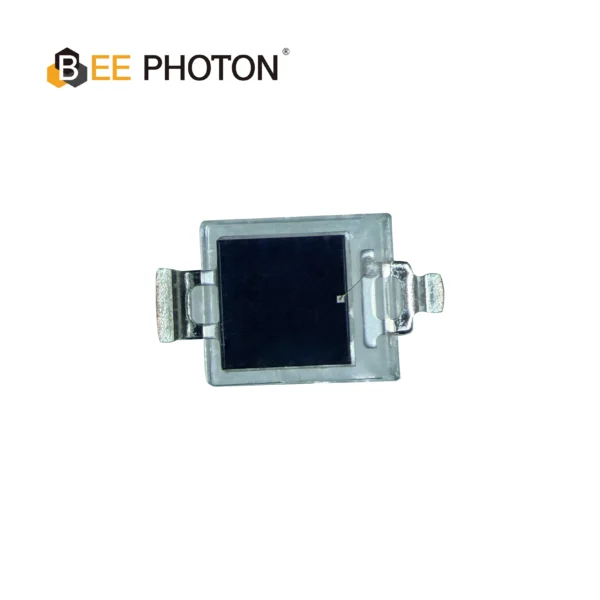
Si PIN photodiode PDCP08 Series PDCP08-501
High-Performance Detection: The PDCP08-501 is a high-speed Silicon PIN Photodiode with a transparent window.
Key Specs: Featuring a 2.9×2.9mm active area, this PIN photodiode offers low dark current and high responsivity, making it an ideal sensor for general optical switches and light detection systems.
Frequently Asked Questions
What is the main difference between standard photodiodes and low dark current photodiodes in 3D scanners?
Standard ones let more thermal-generated current leak through, which adds shot noise and blurs fine details. Low dark current photodiodes keep that leakage under 0.5 pA, giving you cleaner signals and less post-processing.
Will switching to low dark current photodiodes require changing my entire scanner electronics?
Almost never. Most upgrades are plug-and-play on the detector side. You might tweak bias voltage or gain slightly, but the core circuit usually stays the same.
How much precision improvement can I realistically expect?
Depends on your current noise bottleneck, but teams typically see 5–10× lower noise contribution from the detector, which often translates to noticeably sharper scans and 20–40% faster workflows once you cut the filtering steps.
Where can I buy low dark current photodiodes optimized for 3D scanning?
Right here at BeePhoton. Check the full Si PIN photodiodes selection or reach out for custom advice.
Ready to Make the Upgrade?
You’ve seen the data, the formulas, and the real improvements engineers are getting. If noisy 3D scans are holding your projects back, low dark current photodiodes deliver the cleanest, most reliable fix at the hardware level. Stop fighting the noise floor and start capturing better data today.
Head over to our contact page and tell us about your scanner setup. Or just drop a quick email to info@photo-detector.com. We’ll send you specs, pricing, and even sample units so you can test the difference yourself. Your next set of crisp, high-precision scans is only one upgrade away.