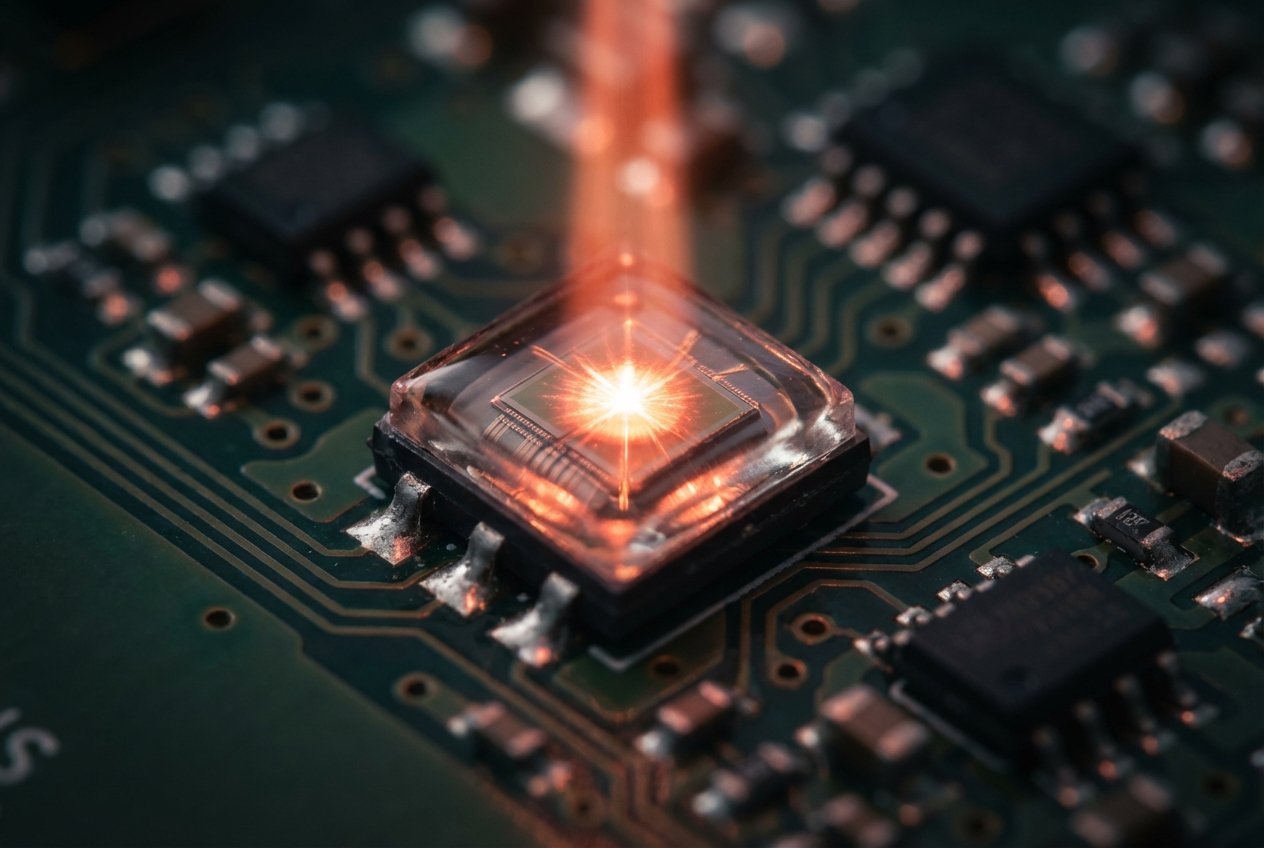
You ever walk into a factory and feel that hum of machines just… working? But then something glitches – a barcode scanner misses a label, or quality checks drag on forever, and suddenly your whole line slows to a crawl. It’s frustrating, right? I’ve been knee-deep in this world for years, tweaking setups for folks building everything from assembly robots to inspection rigs. And let me tell you, one tiny component often flips the script: Si PIN photodiodes. These little guys turn light into signals that make automation smoother, faster, and way less headache-y.
In this piece, we’re chatting about Si PIN Photodiodes in Industrial Automation, starting from those trusty barcode scanners all the way to nailing quality inspections. If you’re knee-deep in factory tweaks or designing gear for manufacturers, stick around. We’ll unpack how these photodetectors fit into object detection, positioning, and control – stuff that directly hits your pain points like downtime and sloppy reads. Drawing from hands-on tweaks I’ve done at Bee Photon, plus some solid stats, we’ll keep it real and actionable. No fluff, just the goods to get your ops humming.
What Exactly Makes Si PIN Photodiodes Tick?
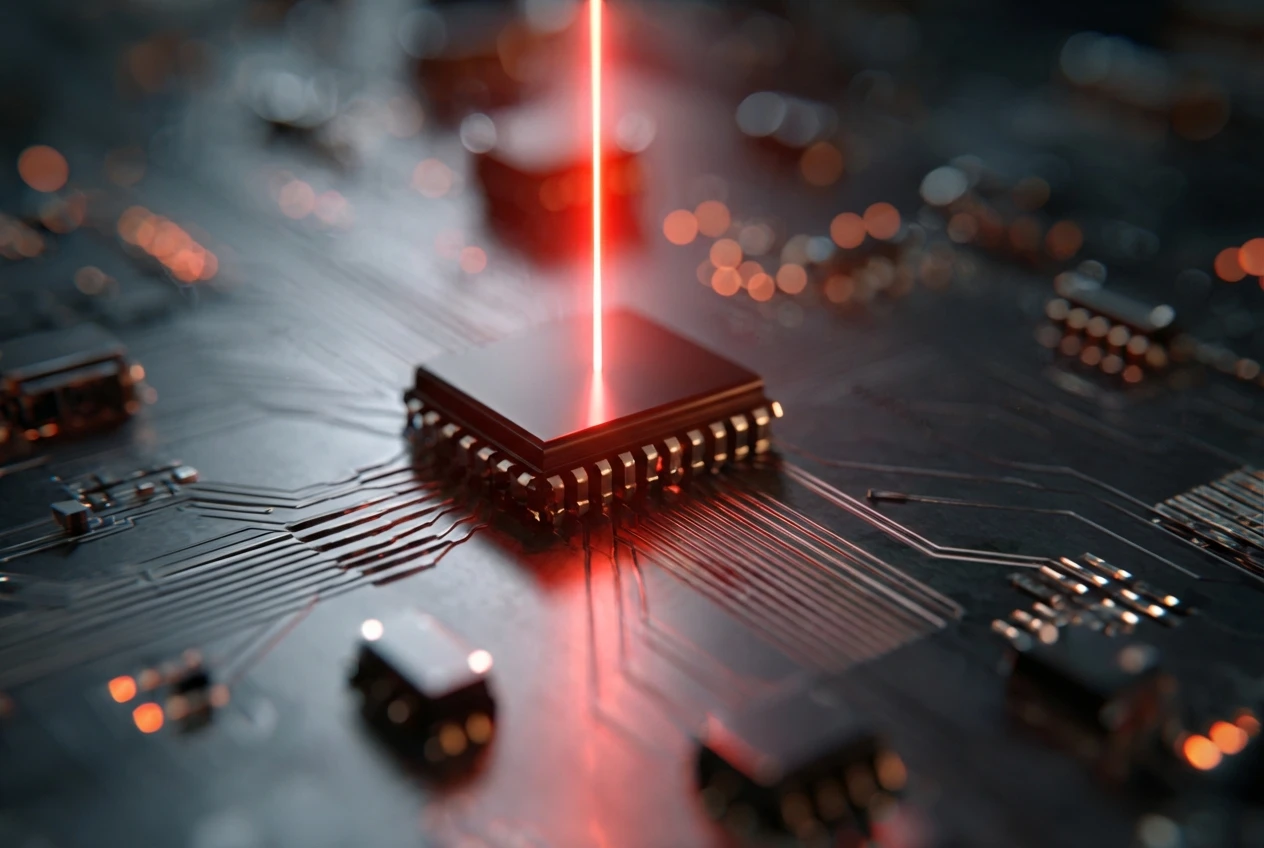
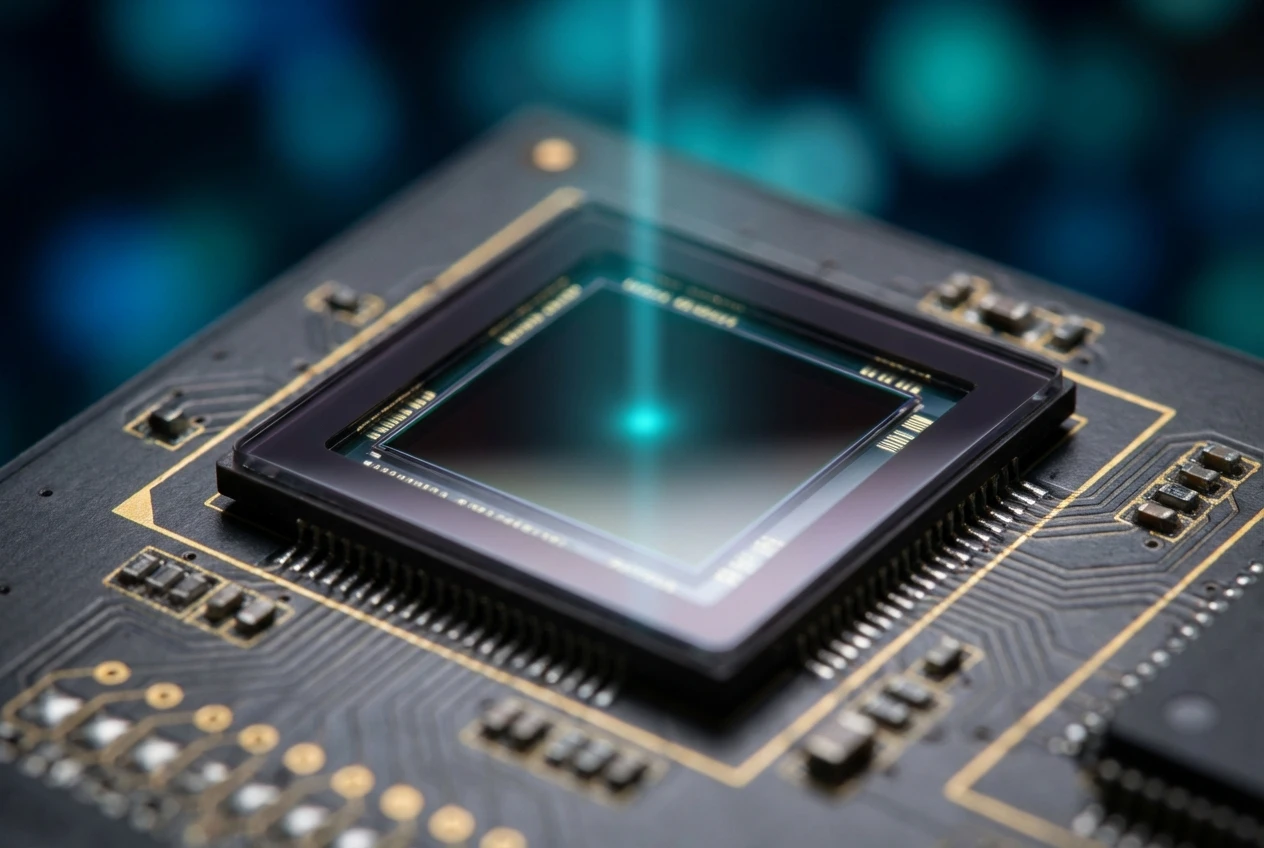
Okay, picture this: a photodiode is basically a light catcher. It grabs photons and spits out electrical current, like a solar panel but way snappier for quick jobs. Now, Si PIN ones? They’re silicon-based with that P-I-N sandwich – positive, intrinsic, negative layers – which cranks up the speed and sensitivity. Why silicon? It’s cheap, tough, and handles everyday factory lights without freaking out.
From what I’ve seen rolling these out, their sweet spot is 400 to 1100 nanometers – visible light to near-infrared, perfect for industrial spots where lasers or LEDs do the heavy lifting. Response times? We’re talking nanoseconds, not the sluggish milliseconds you get from older sensors. That means no lag when a conveyor zips by at full tilt.
And get this: the global photodetectors market, including these Si PIN stars, is eyeing about $3.5 billion in 2025, with industrial automation gobbling up a big slice thanks to folks chasing smarter factories. It’s not just hype; it’s lines producing more with less waste.
At Bee Photon, we’ve dialed in our Si PIN Photodiode for Optical Measurement to hit those metrics spot-on, with quantum efficiency pushing 80% in key bands. It’s the kind of reliability that keeps your barcode scanner from ghosting labels mid-shift.
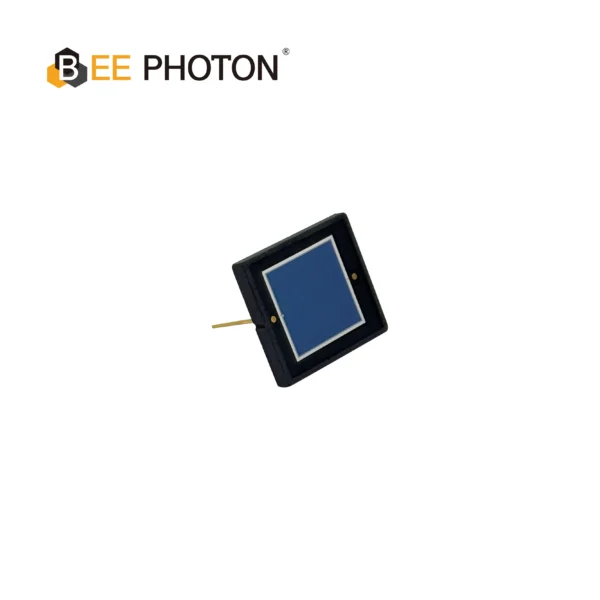
Si PIN Photodiode with low dark current (350-1060nm) PDCD100-101
Upgrade your devices with our Si PIN Photodiode for Optical Measurement. It delivers high accuracy across a 350-1060nm range with minimal dark current. Ideal for various industrial sensing and measurement applications, this high-performance sensor guarantees precision and repeatability.
Why Si PIN Photodiodes Are Your Secret Weapon in Industrial Automation
Alright, let’s get into the meat. Industrial automation isn’t about flashy robots; it’s about eyes that don’t blink – literally. Si PIN photodiodes step in as your industrial photodetector, catching light flickers to spot objects, line ’em up, or flag defects. They’re in everything from barcode scanners to full-blown quality control setups, and here’s why they shine.
First off, speed and accuracy. In a noisy factory, where dust or vibrations try to throw things off, these diodes cut through with low noise floors. Dark current? Minimal, so false triggers are rare. I’ve swapped ’em into setups where old sensors were dropping 15% of reads – boom, down to under 2%.
From Barcode Scanners: Reading Codes Without the Drama
Barcode scanners are the unsung heroes of logistics, right? That laser zaps the code, bounces back, and your photodiode catches it to decode the info. Without a solid Si PIN, you’re dealing with fuzzy reads or outright fails on damaged labels.
Take a typical setup: a fixed-mount scanner on a conveyor. The diode pairs with a red laser (around 650 nm), where Si PINs have peak sensitivity. It detects the reflected intensity shifts – dark bars mean less light, white spaces more – and voila, data flows to your PLC.
In one tweak I did for a packaging line, we hit 99.8% read rates on 2D codes, even at 2 meters per second speeds. Why? The PIN structure widens the depletion zone, grabbing more carriers faster. And for industrial photodetector fans, this means less rework and happier warehouse crews.
Zebra’s fixed scanners, for instance, lean on similar tech to track parts from cradle to grave, slashing errors in distribution. If your barcode scanner’s acting up, swapping to a Si PIN upgrade could pay off in weeks.
Object Detection and Positioning: Keeping Things on Track
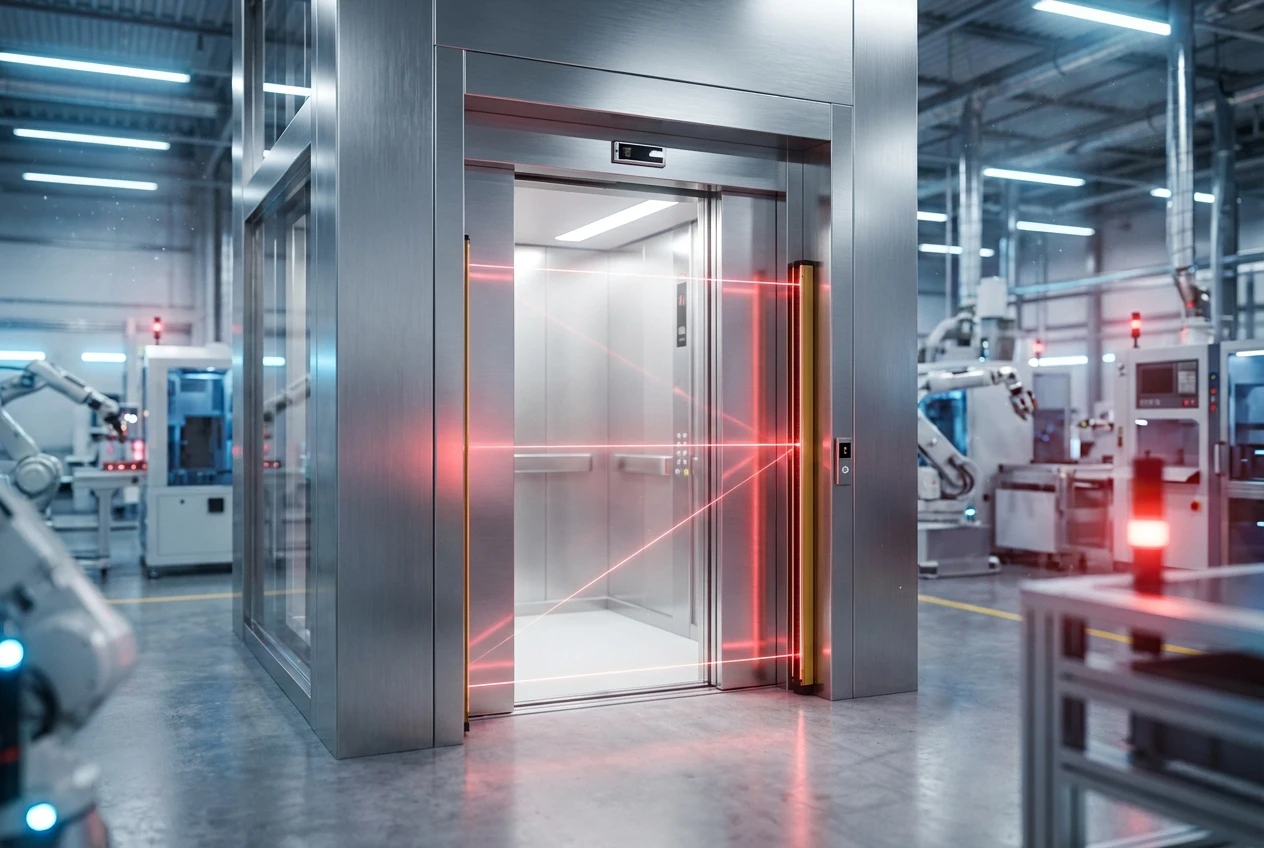
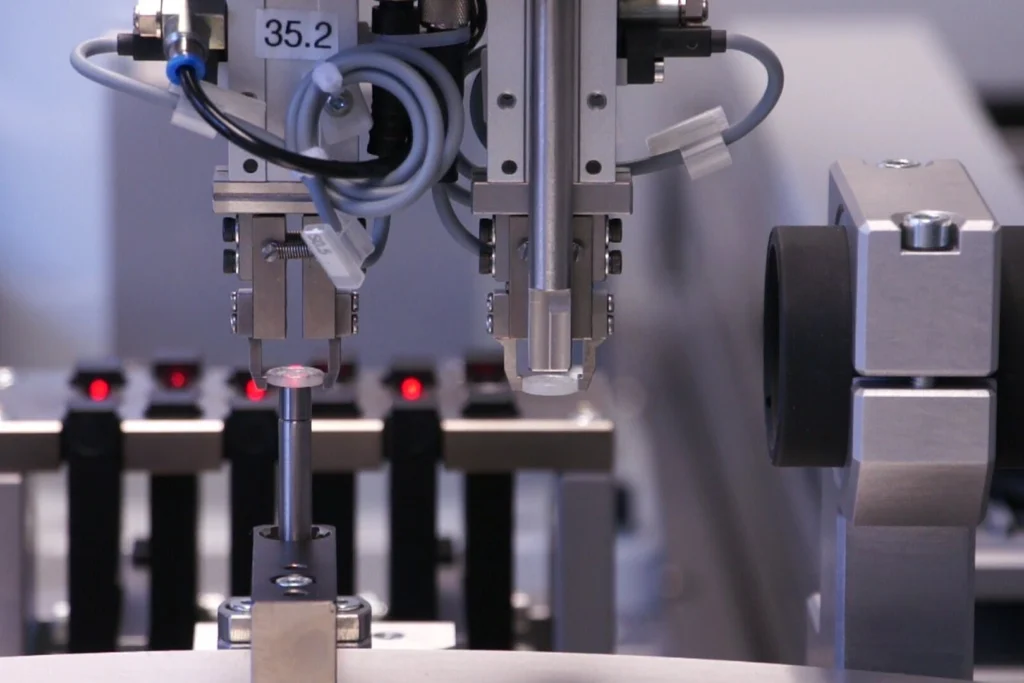
Now, object detection – that’s where automation gets clever. Imagine sensors lining a belt, using Si PIN photodiodes to sense when a part passes under an emitter. Break the beam? Boom, detected. For positioning, array a few diodes to triangulate exactly where that widget sits, down to millimeters.
Benefits here are huge: non-contact, so no wear on delicate parts. In positioning, the fast transit time (under 10 ns for good models) means real-time feedback for robotic arms. We’ve used this at Bee Photon to help a client align solar panels during assembly – cut misalignment errors by 40%, no kidding.
It’s all about that intrinsic layer soaking up light evenly, giving you stable signals even if the part’s shiny or matte. Pair it with automation software, and you’re golden for pick-and-place ops.
Quality Inspection: Spotting Flaws Before They Ship
Quality control? That’s the final boss. Si PIN photodiodes power optical inspection by measuring light scatter or transmission. A bad weld reflects weirdly? The diode picks it up, flags it for scrap.
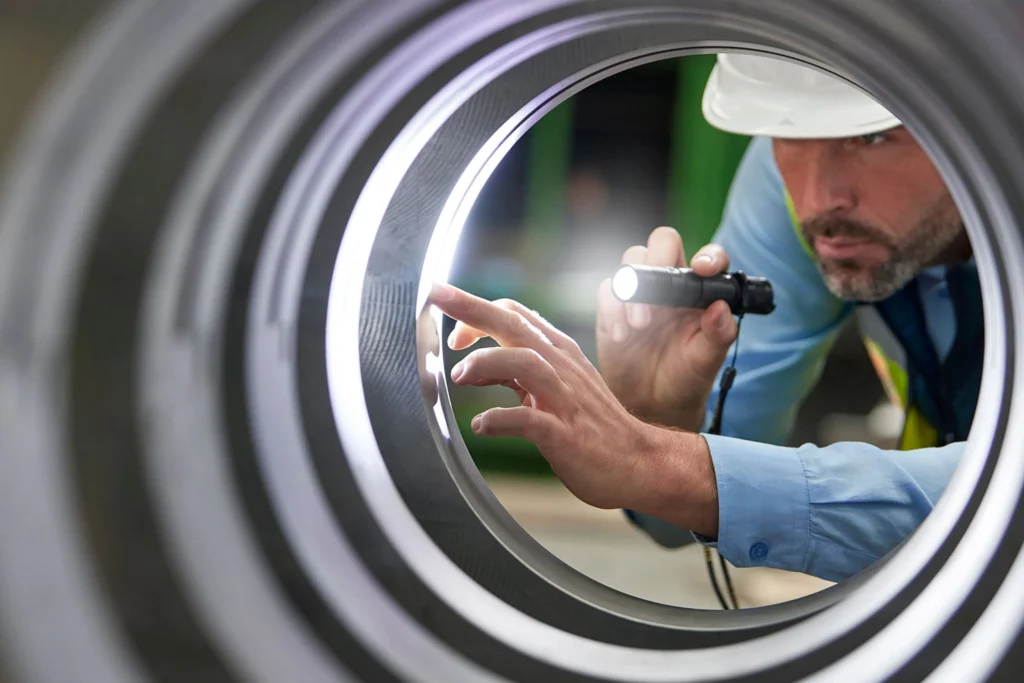
In automated visual checks, like ams OSRAM’s setups, these diodes team with filters to block ambient junk, focusing on defect signatures. Response? Fast enough for 1000 parts per minute lines.
From my bench time, the edge is in sensitivity – they catch subtle shifts, like a 5% thickness variance in coatings. One factory we worked with dropped reject rates from 8% to 1.2% after integrating Si PIN arrays. Traceability skyrockets too, tying back to barcodes for full audit trails.
To break it down, here’s a quick table comparing Si PIN photodiodes to basic PN types in these apps:
| Feature | Si PIN Photodiode | Basic PN Photodiode |
|---|---|---|
| Response Time | <10 ns (ideal for high-speed) | 50-100 ns (lags on fast lines) |
| Quantum Efficiency | 70-90% (400-1100 nm) | 50-70% (narrower band) |
| Noise (Dark Current) | <1 nA (low false positives) | 5-10 nA (more glitches) |
| Best For | Barcode scanners, positioning | Simple on/off detection |
| Cost per Unit (est.) | $5-15 (scales well) | $2-8 (but upgrades needed sooner) |
This setup shows why PINs win in demanding spots – more bang for your buck long-term.
Real Stories from the Floor: How Si PINs Turned Things Around
Look, stats are cool, but nothing beats a good yarn. A couple years back, we hooked up with a mid-size electronics assembler drowning in positioning woes. Their robotic grippers kept fumbling PCBs because ambient light was messing with sensors. We slid in Si PIN photodiodes tuned for 850 nm IR, added some shielding, and suddenly? Alignment errors vanished. Production jumped 25%, and they saved thousands on scrap. (Names changed, but you get the vibe.)
Another one: a food packaging plant battling barcode read fails on wet labels. Sticky humidity was killing old detectors. Our Si PIN Photodiode for Optical Measurement – rugged, with daylight blocking – fixed it overnight. Reads hit 99.5%, and downtime? Cut in half. These aren’t fairy tales; they’re the kinda wins that keep lines green.
The photodiodes market’s growing at 7.3% CAGR through 2032, fueled by exactly these automation pushes. Factories aren’t just automating; they’re getting picky about reliable eyes.
Choosing and Integrating Si PIN Photodiodes Without the Headache
Picking the right one? Start with your wavelength – red lasers for barcodes? Go 650 nm optimized. For broader quality checks, near-IR for less interference. Size matters too; TO-46 cans for tough spots, SMD for boards.
Integration tip: Amp it right. A transimpedance amp turns that current to voltage without adding noise. We’ve got kits at Bee Photon that plug-and-play, saving you debug time.
Worried about harsh environs? Look for ones with epi-taxial layers for better IR punch – Hamamatsu’s IR-enhanced models bump sensitivity 2x past 900 nm. Test in your light conditions; a quick bench setup with a laser pointer and scope tells all.
Pro Tips Straight from Bee Photon’s Workshop
I’ve got grease under my nails from years prototyping these. Tip one: Calibrate seasonally – factory lights shift with bulbs, tweaking baselines keeps accuracy sharp. Two: Layer ’em for redundancy; dual diodes on critical paths catch outliers. Three: Go custom if volumes hit – we at Bee Photon tweak doping for your exact noise floor.
Our gear’s built for this: high responsivity, low capacitance, all while keeping costs sane. Check out more on our site at https://photo-detector.com/, or hit the contact page to chat specs. Email info@photo-detector.com if you’re eyeing a quote – we’re quick on turnarounds.
These aren’t just parts; they’re the nudge that makes your automation feel alive, not robotic. Imagine your line spotting defects before they stack up, positioning parts like clockwork, scanners nailing every code. That’s the desire kicking in – efficiency that pays dividends.
FAQ: Quick Hits on Si PIN Photodiodes in Industrial Automation
What’s the big diff between Si PIN photodiodes and APDs for factory use?
APDs amp signals internally for super-low light, but they’re pricier and noisier in bright spots. PINs? Balanced for most automation – fast, cheap, and steady. Great for barcode scanners where you don’t need that extra gain.
How fast do Si PIN photodiodes respond in object detection setups?
Depends on the model, but top ones clock in at nanoseconds – CR time constant, diffusion, all that jazz. For positioning on speedy conveyors, aim for under 5 ns to avoid blur.
Can Si PIN photodiodes handle dusty or humid factories for quality control?
Totally, with the right packaging. Hermetic seals keep crud out, and their low dark current means humidity doesn’t spike noise. We’ve run ’em in food plants with zero issues.
There you have it – Si PIN Photodiodes in Industrial Automation aren’t some buzzword; they’re the quiet fix for your factory’s blind spots. From barcode scanners zipping through codes to quality inspections catching the sneaky flaws, they’re game-changers. If this sparks ideas for your setup, why not reach out? Drop a line at info@photo-detector.com or swing by https://photo-detector.com/contact-us/ for a no-strings quote. Let’s tweak your line together – what’s one tweak you’d chase first?