Sorting and recycling used to feel like a total mess. Piles of mixed trash, workers guessing what goes where, and way too much stuff ending up in landfills anyway. But throw in the right waste sorting sensors and suddenly things click. These waste sorting sensors aren’t some fancy gadget for show – they’re the backbone of modern recycling optical sorters, especially when it comes to spotting different plastics fast and accurate.
If you’re running a recycling equipment business or building sorting lines for garbage recycling, you already know the pain. Low purity streams kill your margins and the whole circular economy thing suffers. That’s where multispectral sensors step in for material identification. They don’t just look at color like old-school cameras. They peek into the actual makeup of the stuff flying down the conveyor.
I’ve spent plenty of time around these setups, tweaking detectors and watching lines run, and let me tell you, the difference is night and day. Global plastic waste hits about 353 million tons a year, yet only around 9% actually gets recycled according to OECD reports. The rest? Landfills or burned. Waste sorting sensors change that equation by bumping up recovery rates and cutting contamination.
Why Waste Sorting Sensors Matter More Than Ever in Today’s Recycling Game
Picture this. Your recycling optical sorters are humming along, but the output still has too much PVC mixed into PET or black plastics slipping through undetected. That’s the daily headache for equipment makers and plant operators. Waste sorting sensors fix it by using light across multiple wavelengths to fingerprint each material on the fly.
Unlike basic RGB cameras that just see colors and shapes, these waste sorting sensors capture data in visible, near-infrared, and sometimes short-wave infrared bands. The result? They tell PET from HDPE, PP from PS, even when the pieces look identical to the eye. For B2B buyers like you building garbage recycling equipment, this means higher-quality bales that command better prices downstream.
Real talk – manual sorting is slow, expensive, and error-prone. Waste sorting sensors automate it, pushing throughput way up while dropping labor costs. One European plastic sorting plant I know of switched to advanced multispectral setups and hit nearly 99% purity on PET streams. That’s not hype; studies on hyperspectral and multispectral imaging in waste streams back it up with 98-99% accuracy numbers. Traditional NIR might top out at 90-95%, but multispectral waste sorting sensors push past that barrier.
And the numbers don’t lie. With global recycling rates stuck below 10% in many places (EU packaging waste does better at around 40% in recent years, but that’s still not enough), better waste sorting sensors are the lever we need. They turn mixed waste into sellable material instead of trash.
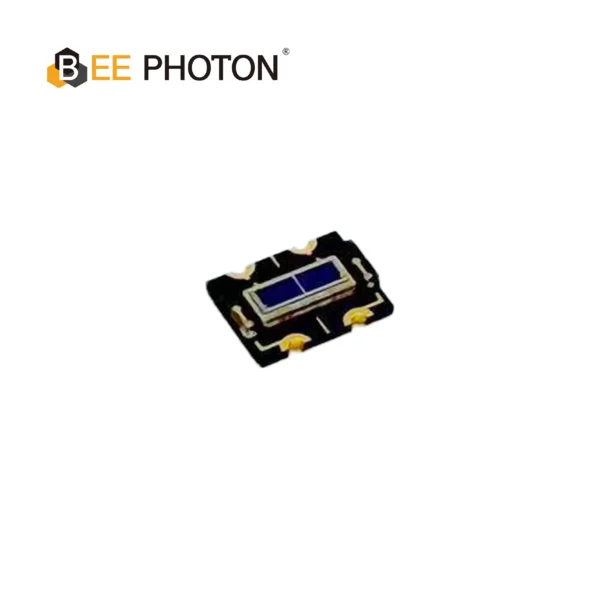
Si PIN Photodiode Array PDCA02-601
The Bee Photon PDCA Series is a precision-engineered Dual PIN Photodiode designed for high-end industrial sensing. Unlike standard single-element detectors, this silicon-based device features a segmented array structure (PD A and PD B), making it the perfect solution for differential sensing and background suppression optical switches. With a wide spectral response from 350nm to 1060nm, it ensures versatile performance across visible and near-infrared wavelengths.
How Multispectral Sensors in Waste Sorting Sensors Actually Identify Materials
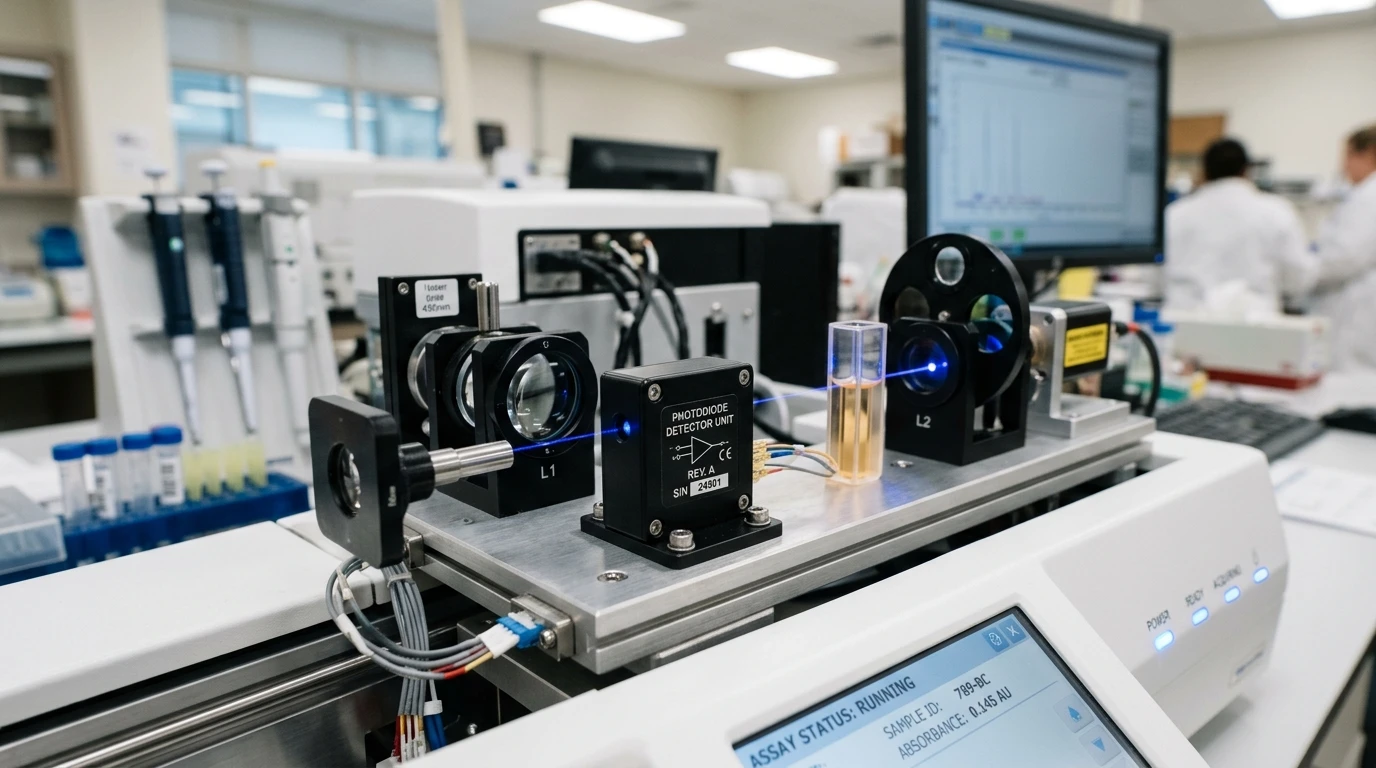
Let’s break it down without the tech jargon overload. Light hits a plastic flake. Some wavelengths bounce back, others get absorbed. Multispectral sensors in your waste sorting sensors grab that reflected pattern across several bands at once – not just one narrow NIR window.
Each plastic has its own “signature.” PET might absorb strongly around certain molecular bonds, HDPE shows different peaks. The sensor compares the incoming data to a library in milliseconds and fires an air jet or mechanical arm to kick the piece into the right bin. That’s material identification in real time, at conveyor speeds of several meters per second.
Waste sorting sensors rely on this for recycling optical sorters because single-wavelength systems miss stuff like black plastics (they absorb too much light) or multi-layer packaging. Multispectral setups add layers of data, so even dark or contaminated pieces get sorted right.
Here’s a simple way it works in practice: the system measures reflectance at 8-16 different bands. Software then runs a quick classification. No guesswork. For plastic identification sensors, this means separating food-grade PET from non-food with way less error.
I’ve seen lines where adding multispectral waste sorting sensors cut false positives by half. The equipment runs cleaner, maintenance drops, and your customers (the MRFs) get happier bales.
Quick Comparison Table: Old Ways vs Waste Sorting Sensors
| Sorting Method | Typical Purity | Throughput Speed | Handles Black Plastics | Cost Over Time |
|---|---|---|---|---|
| Manual or Basic RGB | 70-85% | Slow | Poor | High labor |
| Single NIR Optical | 90-95% | Medium | Weak | Medium |
| Multispectral Waste Sorting Sensors | 98-99% | High | Strong | Lower long-term |
Data pulled from industry tests on TOMRA-style systems and recent hyperspectral studies. Waste sorting sensors in the last row win every time for recycling equipment builders.
The Big Wins for Recycling Optical Sorters Using Waste Sorting Sensors
If you’re supplying recycling lines, your clients want three things: speed, purity, and reliability. Waste sorting sensors deliver all three.
First, throughput. These sensors scan thousands of pieces per minute. No bottlenecks like hand-picking. Second, purity jumps, which means less re-sorting downstream and higher resale value for plastics. Third, they handle the tough stuff – wet, dirty, or mixed materials that trip up older tech.
For plastic identification sensors specifically, multispectral tech shines with mixed polymer streams. PET, HDPE, PP, PS, PVC – all separated cleanly. Reports show purity hitting 99% for common resins when waste sorting sensors are tuned right. That directly lifts overall recycling rates. Imagine turning that 9% global average into something closer to 20-30% in equipped plants.
Plus, waste sorting sensors cut energy waste. Cleaner input to extruders means less processing power needed later. For eco-tech equipment makers, that’s a selling point you can take to the bank.
Plastic Identification Sensors: Where Waste Sorting Sensors Shine Brightest
Plastics make up a huge chunk of the sorting headache. Different resins, colors, additives, and that nightmare of black carbon-loaded stuff. Standard plastic identification sensors struggle here. Multispectral waste sorting sensors don’t.
They catch the chemical fingerprints even on dark pieces by using broader spectral ranges. One setup using mid-wave infrared multispectral grabbed 99% purity on black ABS. That’s game-changing for automotive or electronics recycling streams that end up in waste.
In real plants, integrating these waste sorting sensors into recycling optical sorters means fewer rejects and more material looped back into production. I’ve watched a line go from 15% contamination to under 2% after the upgrade. The difference in bale quality is obvious – buyers pay premium for clean streams.
For B2B recycling equipment builders, offering waste sorting sensors with multispectral capability sets you apart. Clients ask for it because regulators are tightening rules and buyers want verified recycled content.
Choosing the Right Components: Si PIN Photodiodes Power the Best Waste Sorting Sensors
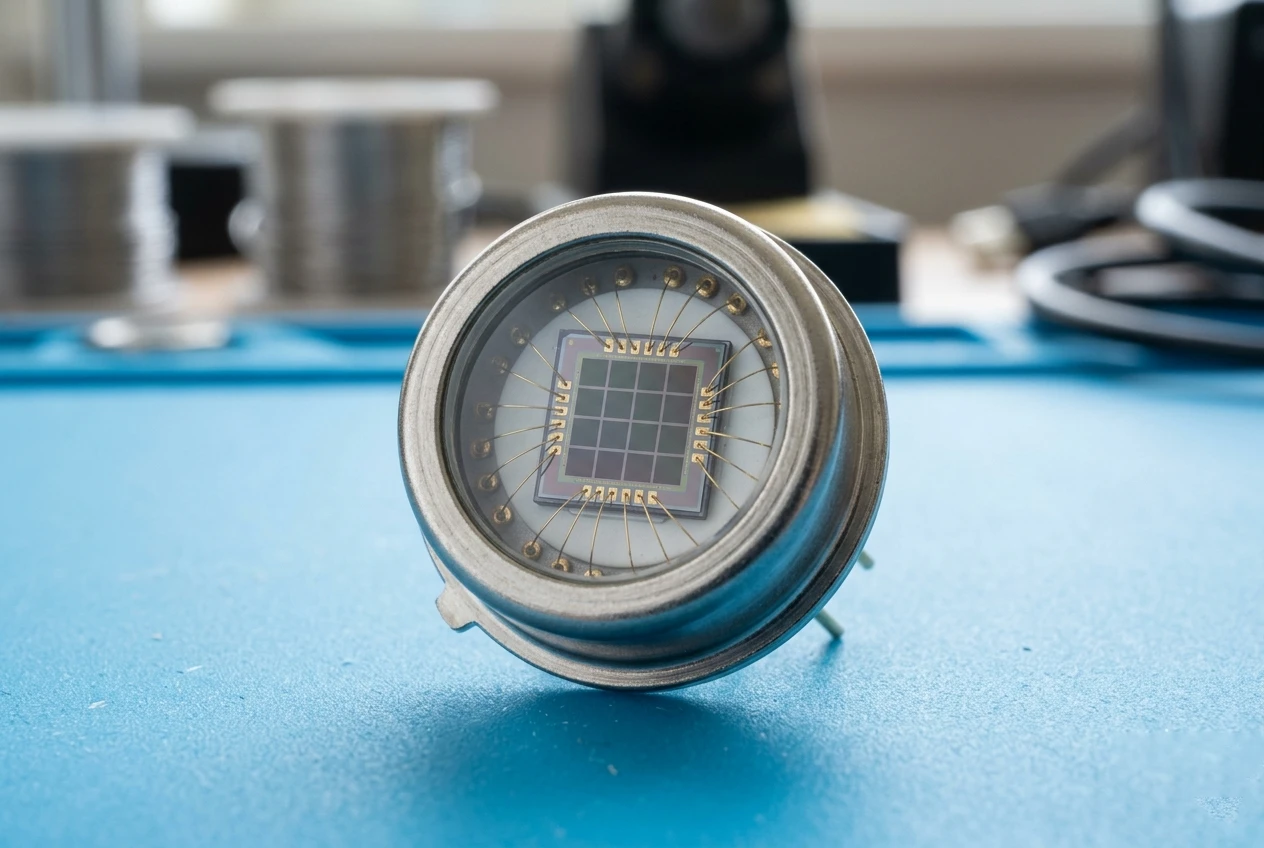
Here’s the inside scoop. The heart of reliable waste sorting sensors is the detector itself. High-speed, sensitive photodiodes that catch light across the needed bands without missing a beat.
That’s where our Si PIN photodiodes come in. They give the fast response and low noise needed for conveyor speeds in recycling optical sorters. Whether you’re detecting visible color or pushing into NIR for plastic identification, these components keep the signal clean.
Check out the full range of Si PIN photodiodes at BeePhoton – they’re built for exactly this kind of tough industrial sorting.
We’ve seen them outperform standard options in noisy environments, cutting false reads on waste sorting sensors. If your recycling line deals with dusty or high-volume flows, this is the upgrade that lasts.
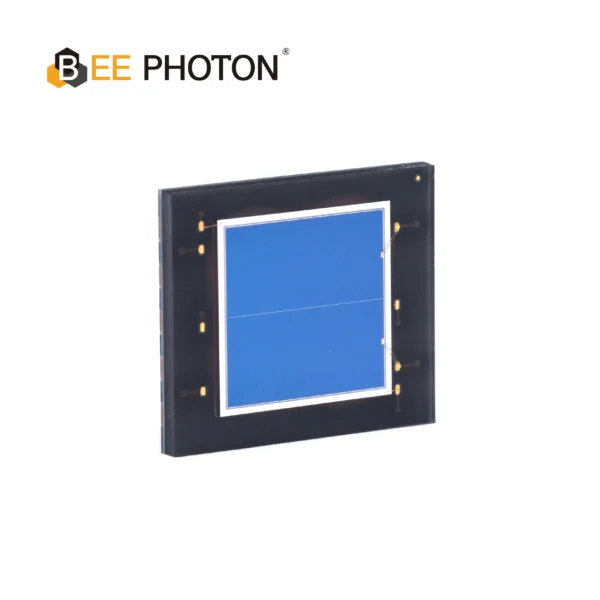
Si PIN Photodiode Array Dual PD PDCA02-103
The PDCA02-103 is a high-performance Photodiode Array for Data Transmission, featuring a robust dual-element design. With a large photosensitive area of 10×5 mm per element and a compact 16.5×14.5 mm package, this Silicon PIN photodiode ensures exceptional signal stability and alignment tolerance for advanced optical communication systems.
Real Applications and What Actually Happens When You Deploy Waste Sorting Sensors
Take a typical MRF handling municipal waste. Before waste sorting sensors, plastics bales might hit only 85% purity. After? One anonymized plant in Europe reported jumping to 98% on mixed plastics thanks to multispectral upgrades. Recovery rates climbed 15-20% because less material got downgraded or landfilled.
Another case: a North American recycler focused on bottle streams. Their old optical sorters missed too many HDPE contaminants in PET. Switched to waste sorting sensors tuned for multispectral and the purity hit 99%. Output value rose enough to pay back the investment in under a year.
These aren’t cherry-picked stories. Industry reports on sensor-based sorting confirm the pattern – waste sorting sensors consistently deliver higher throughput and cleaner fractions. For equipment manufacturers, that translates to happier customers and repeat business.
Challenges with Waste Sorting Sensors (and How to Beat Them)
Nothing’s perfect. Wet or heavily soiled material can scatter light and confuse some waste sorting sensors. Black plastics used to be impossible with basic NIR. Lighting variations in the plant mess with readings too.
Multispectral waste sorting sensors handle most of it by using multiple bands and smart software that adapts. Add air knives to clean the stream first and you solve the dirt issue. For black stuff, push into broader infrared ranges.
Cost is another gripe. Initial setup for advanced waste sorting sensors looks steep. But calculate the savings: less labor, higher bale prices, fewer rejects. Most plants see payback in 12-18 months.
The controversial bit? Some old-school operators swear manual is “cheaper.” In the short run maybe, but with labor shortages and stricter purity rules coming, waste sorting sensors win long term. Period.
Future Trends: Smarter Waste Sorting Sensors Ahead
AI is layering on top of multispectral data now. Waste sorting sensors will learn on the fly, adjusting for new plastic types or contaminants. Hyperspectral variants are dropping in price, making even finer identification possible.
Expect integration with robots for hybrid lines – sensors spot it, arms grab it. For recycling equipment makers, building in upgradable waste sorting sensors keeps your product future-proof.
BeePhoton stays on top of this. Our photodiodes and sensor modules are designed for easy integration into next-gen recycling optical sorters.
Wrapping It Up: Time to Upgrade Your Recycling Setup with Waste Sorting Sensors
You’ve seen the data. Low global recycling rates, high contamination headaches, and proven jumps in purity when waste sorting sensors with multispectral tech enter the picture. Whether you’re targeting plastic identification sensors or full recycling optical sorters, this is the tech that moves the needle.
At BeePhoton we live this stuff. Our solutions, including top-tier Si PIN photodiodes, help equipment builders deliver results that actually stick.
Ready to make your lines faster, cleaner, and more profitable? Head straight to our contact page at https://photo-detector.com/contact-us/ or shoot an email to info@photo-detector.com. Tell us about your current sorting challenges and we’ll walk you through a custom quote. No pressure, just real talk on how waste sorting sensors can fit your builds.
Let’s get more material recycled and less wasted. Your next project deserves it.
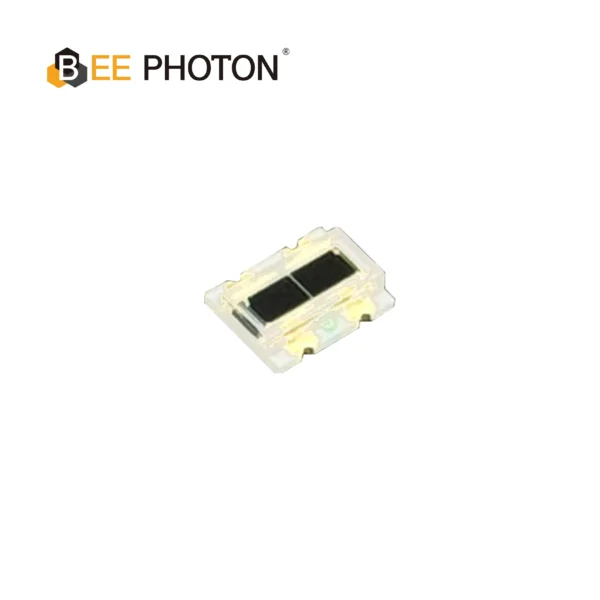
Si PIN Photodiode Array PDCA02-102
The PDCA02-102 is a high-performance Si PIN Photodiode Array designed for precision optical measurement and alignment systems. Engineered by Bee Photon, this 2-segment photodiode delivers a wide spectral response range from 400nm to 1100nm, covering the entire visible light spectrum into the near-infrared (NIR) region.
With its compact COB (Chip on Board) package and resin window, the PDCA02-102 ensures durability and easy integration into compact optical modules. It is specifically optimized for industrial applications where high sensitivity and fast response times are critical.
FAQ About Waste Sorting Sensors and Multispectral Tech
What exactly are waste sorting sensors and how do they differ from regular optical sorters?
Waste sorting sensors use light across multiple wavelengths to read material composition in real time. Regular optical sorters might only check color or shape. These waste sorting sensors add the spectral layer for accurate plastic identification even on tricky pieces.
Can multispectral waste sorting sensors really handle black plastics in recycling optical sorters?
Yes – that’s one of their biggest strengths. Standard NIR often fails on black items, but multispectral waste sorting sensors capture broader data and reach purity levels near 99% in tested streams.
Why should recycling equipment manufacturers choose BeePhoton for components in their waste sorting sensors?
Our Si PIN photodiodes are built for speed and reliability in high-volume lines. They’ve powered successful upgrades that boost purity and throughput. Plus, we back it with direct support – reach out via https://photo-detector.com/contact-us/ for details tailored to your sorter designs.
How much can waste sorting sensors improve overall recycling rates?
Plants report 15-25% lifts in recovered material value thanks to higher purity. With global rates stuck around 9%, deploying these waste sorting sensors in more lines makes a measurable difference fast.