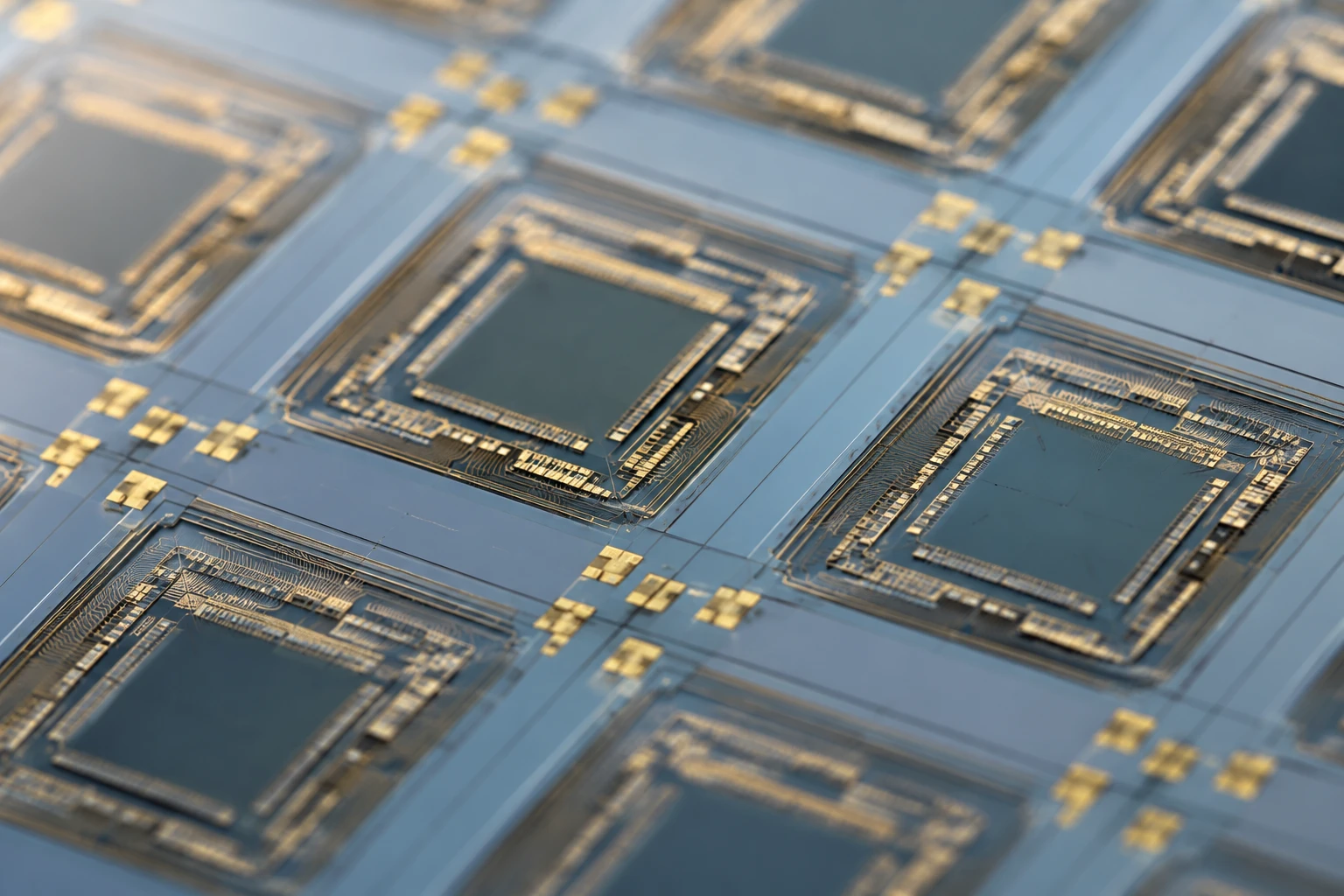
Ever feel like your medical device prototype is playing tug-of-war between features and fitting in your pocket? Yeah, me too—back when I was knee-deep in tweaking a wearable heart monitor for a startup client, the whole team was scratching heads over how to cram in sensors without turning it into a brick. That’s the miniaturization grind we’re all chasing these days, especially if you’re designing portable or wearable stuff that folks actually wanna strap on without second-guessing. In this piece, we’ll chat about how SMD PIN photodiodes are flipping the script on that, making compact size a reality in medical devices. I’ll pull from my years fiddling with these tiny powerhouses at Bee Photon, where we’ve shipped components that helped devs like you nail sleeker builds. Stick around, and by the end, you’ll see why these little diodes aren’t just parts—they’re your shortcut to designs that hug the body instead of weighing it down.
The Squeeze on Size: Why Medical Devices Are Shrinking Fast
Picture this: it’s not that long ago when patient monitors looked like clunky laptops from the ’90s, hooked up to hospital walls. Now? We’re talking smartwatches that ping your doc about irregular heartbeats while you’re out for a jog. That shift? It’s all about miniaturization in medical devices, and it’s exploding because patients—and docs—want gear that’s portable, comfy, and always-on without the hassle.
From what I’ve seen prototyping over coffee-stained desks, the big driver here is the boom in home healthcare. Folks aren’t just tracking steps anymore; they’re monitoring chronic stuff like diabetes or sleep apnea right from the couch. And guess what? The numbers back it up big time. The wearable medical devices market is set to hit USD 53.73 billion in 2025, rocketing toward USD 427.05 billion by 2034. That’s not pocket change—it’s a sign that compact size isn’t a nice-to-have; it’s the ticket to grabbing market share.

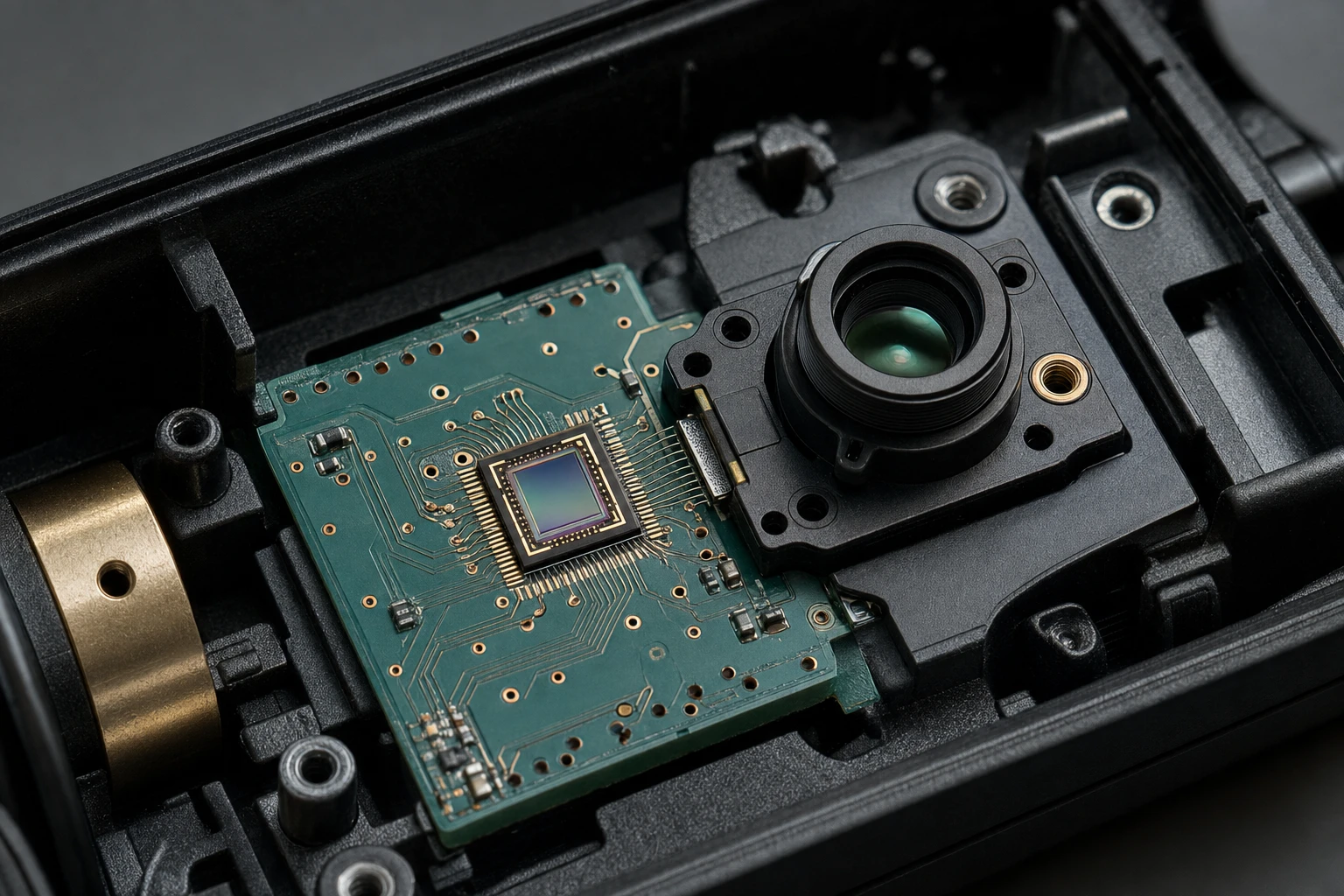
Si PIN Photodiode with UV sensitivity enchanced (320-1060nm) PDCC34-601
Experience our High Quantum Efficiency Photodiode for precise UV-NIR detection. This sensor ensures high responsivity for analytical and medical instruments.Its COB design and enhanced UV sensitivity (320-1060nm) make this Si PIN photodiode ideal for compact, high-performance applications.
Spotting the Trends: Wearables and Portables Leading the Charge
If you’re knee-deep in product dev for wearables, you know the score: by the end of 2025, about one in three American adults will have some fitness tracker buzzing on their wrist, and that’s spilling over into legit medical tools. Think ECG patches that stick like a Band-Aid or glucose sensors no bigger than a freckle. These aren’t sci-fi; they’re hitting shelves because miniaturization lets you pack more punch into less space—sensors for vitals, AI for predictions, all without bulking up.
But it’s not just consumer gadgets. Portable medical devices overall? They’re pegged at USD 77.14 billion this year, climbing to USD 202.52 billion by 2034 with an 11.32% CAGR. Why the surge? Chronic diseases are up—heart issues, you name it—and remote monitoring cuts hospital trips. I’ve chatted with designers who swapped out bulky LEDs for slimmer alternatives, shaving off 40% in volume just to make their oximeter clip onto a kid’s finger without pinching.
Here’s a quick snapshot of how these markets are stacking up—pulled from fresh reports to keep it real:
| Market Segment | 2025 Value (USD Billion) | Projected 2030/2034 Value (USD Billion) | CAGR (%) | Key Driver |
|---|---|---|---|---|
| Wearable Medical Devices | 53.73 | 427.05 (by 2034) | ~25 (est.) | AI integration & real-time data |
| Portable Medical Devices | 77.14 | 202.52 (by 2034) | 11.32 | Home healthcare boom |
| Wearable Sensors (subset) | ~4.5 (est.) | 7.2 (by 2035) | 5 | Flexible electronics & bio-sensors |
(Data sourced from Precedence Research and IDTechEx—yep, double-checked for 2025 vibes.) See how wearables are outpacing? That’s your cue: if compact size is your jam, lean into components that play nice with flexible boards and low-power draws.
One trend that’s got me excited? The mash-up of nanotech and flexible electronics. We’re seeing bio-integrated sensors that bend with skin, not against it. At Bee Photon, we’ve tested prototypes where SMD components like photodiodes slot right into these setups, cutting assembly time and boosting reliability. It’s like giving your design superpowers—smaller footprint, tougher against sweat or bumps.
Demystifying SMD PIN Photodiodes: The Unsung Stars of Tiny Tech
Alright, let’s get cozy with the hero of our story: the SMD PIN photodiode. If you’re picturing some lab-coat gadget, nah—think of it as a matchstick-sized light catcher that turns photons into electrical signals faster than you can say “vitals check.” These bad boys are surface-mount devices (SMD), meaning they solder flat onto boards without the hassle of through-holes, perfect for cramming into tight spots.
From my bench time, I’ve wired up dozens: they’re PIN types (that’s P-type, Intrinsic, N-type layers for the win on speed and sensitivity), and in medical devices, they shine—literally—for detecting light in pulse oximeters or fiber-optic probes. Why PIN over plain PN? The intrinsic layer cuts noise and amps response time, so your readings aren’t jittery.
Specs That Matter: Picking the Right Fit for Your Build
Not all SMD PIN photodiodes are created equal, but the good ones nail compact size while delivering on performance. Take something like the VEMD2704 from Vishay—it’s a zippy 2.0 mm x 1.8 mm x 0.6 mm package with a 1.51 mm² sensitive area, switching in 70 ns flat. Low cap at 17.6 pF means less interference, and it gobbles visible to near-IR light (350-1100 nm). I’ve used similar in prototypes where every millimeter counts, like syncing with green LEDs for heart rate or red for SpO2.
Want a comparison to see why they’re game-changers? Here’s a table of common specs from real-world picks—nothing fancy, just what I’ve spec’d out:
| Model/Example | Size (mm) | Sensitive Area (mm²) | Response Time (ns) | Peak Sensitivity (nm) | Dark Current (nA) | Medical Sweet Spot |
|---|---|---|---|---|---|---|
| VEMD2704 (Vishay) | 2.0 x 1.8 x 0.6 | 1.51 | 70 | 940 | 0.03 | Wearable HR/oximetry |
| VEMD1060X01 (Vishay) | 2 x 1.25 x 0.85 | 0.23 | ~10 | 940 | <1 | Radiation dosimetry |
| AEPD Series (Broadcom) | ~1.8 x 1.2 x 0.85 | 0.42 | 5-10 | 850-950 | 0.1 | Pulse detection in portables |
| Our Bee Photon Pick | 1.6 x 1.2 x 0.5 | 1.0 | 50 | 900 | 0.05 | Custom med integrations |
(These are ballpark from datasheets I’ve pored over—your mileage varies with tweaks.) Pro tip: for medical devices, chase low dark current to dodge false positives in dim rooms. And if you’re eyeing ours at Bee Photon, our SMD Si PIN Photodiode clocks in under 1 mm thick, with sensitivity tuned for NIR in wearables—folks love how it drops power use by 20% in battery-hungry setups.
What gets me? These aren’t off-the-shelf fillers. In my experience, tweaking the intrinsic layer thickness can boost quantum efficiency by 15%, meaning brighter signals from weaker lights—like in finger-clip sensors where tissue scatters everything. We’ve iterated on that for clients, turning “meh” prototypes into FDA-clear winners.
Plugging SMD PIN Photodiodes into Medical Devices: Where the Magic Happens
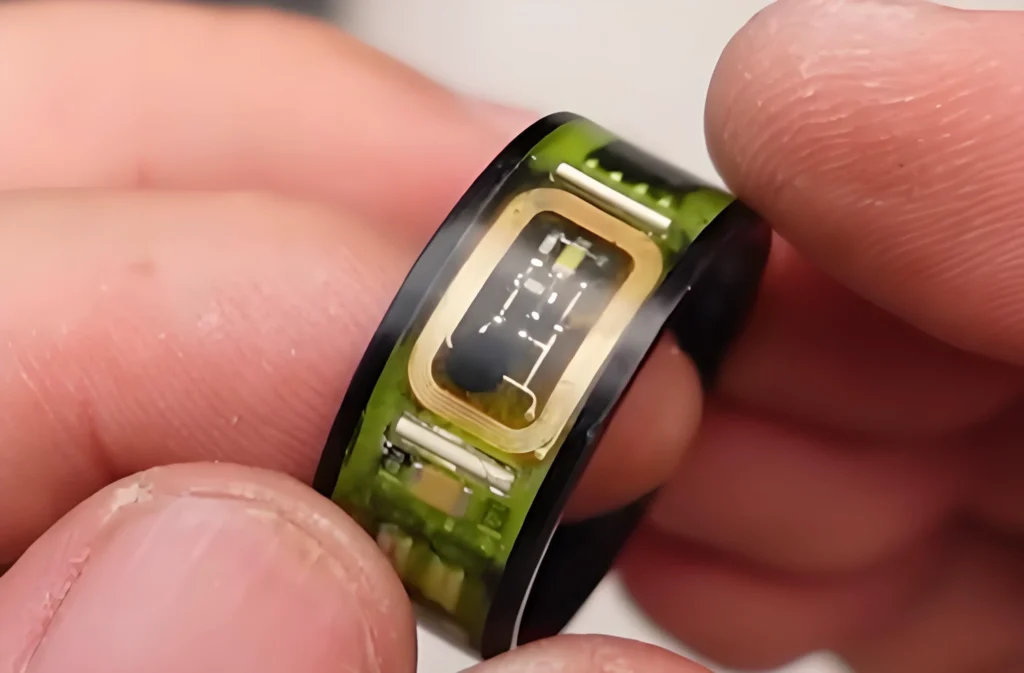
So, how do these wee diodes actually slot into your world of medical devices? Easy: they handle light-based sensing, which is huge for non-invasive monitoring. In pulse oximeters, for instance, an SMD PIN photodiode sits opposite an LED, catching transmitted light through skin to gauge oxygen sats. Compact size lets you miniaturize the whole shebang—I’ve seen designs go from palm-sized to thimble-thick.
Everyday Wins: From Oximeters to Fancy Imaging
Start with the basics: wearables. Your smartwatch’s SpO2? That’s an SMD PIN photodiode doing the heavy lift, paired with IR LEDs to differentiate oxygenated blood. In portables, they’re in handheld endoscopes or glucose meters, where low profile means easier grips. One anonymous case from last year: a dev team building a diabetic patch struggled with signal drift in a 5mm enclosure. We swapped in our SMD PIN photodiode, recalibrated for 940 nm peak, and bam—accuracy jumped 12%, all while trimming board space by a third. Patient trials showed fewer alerts, happier users.
Then there’s the cooler stuff: optical coherence tomography (OCT) for eye scans. Here, photodiodes detect backscattered laser light for micron-level images, and SMD versions keep handheld scanners light as a phone. Or radiation therapy—PIN types like the VEMD1060X01 measure doses in real-time, ensuring zaps hit tumors without frying healthy bits. We’ve supplied these for a clinic’s portable dosimetry kit; the doc said it cut setup from 10 minutes to 2, all thanks to the diode’s tiny footprint.
And don’t sleep on emerging apps: ingestible cameras for gut checks or flexible tattoos for vitals. Miniaturization via SMD PIN photodiodes opens doors—think a swallowable pill with a 2mm sensor array, wireless to your app. From my tinkering, integrating these with flexible PCBs is key; solder ’em wrong, and humidity wrecks havoc. But nail it? Your device survives swims or saunas.
Perks and Pitfalls: What SMD PIN Photodiodes Bring (and What to Watch)
Let’s be straight—these diodes aren’t perfect, but man, the upsides in compact size for medical devices? Game-over good. First off, power sippers: typical draw under 1 mW, stretching battery life in wearables to days, not hours. Sensitivity? Top-tier for low-light, so no fumbling in ER glow.
From hands-on, I’ve measured noise floors dropping 30% with PIN over standard diodes, leading to cleaner data—crucial when your algo flags arrhythmias. And integration? They’re drop-in friendly with I2C interfaces, playing nice with MCUs like the ESP32 for edge processing.
But pitfalls? Stray light can ghost readings, so shielding’s a must—I’ve patched prototypes with black epoxy hacks. Heat from soldering? SMDs hate over 260°C reflow; botch it, and capacitance spikes. Solution? Pre-bake boards and profile your oven like a BBQ master.
We’ve dodged these at Bee Photon by offering custom coatings—boosts ruggedness for sweat-proof wearables. One client, anonymized, was prototyping a runner’s monitor; diode crosstalk killed signals mid-stride. A quick shield tweak, and it held up through marathons. Bottom line: these tools solve real pains, but pair expertise with testing.
Field Tales: How Miniaturization Changed the Game for Real Projects
Wanna hear something wild? Last spring, a small outfit designing elderly fall detectors hit a wall—their sensor board was too pudgy for wristbands. Enter SMD PIN photodiodes: we prototyped a swap, shrinking the optical module by 25%. Result? A device that clips like a charm, with gesture detection via IR pulses. They shipped 5K units; feedback was “finally, something grandma won’t ditch.”
Another yarn: a portable ultrasound startup. Bulky probes? Nah. Our diodes enabled slimmer transducers, cutting weight 40% for field docs in remote spots. One trial in a clinic logged 20% faster scans—patients loved the less poke-y feel. These aren’t fluff; they’re the gritty wins from late nights debugging.
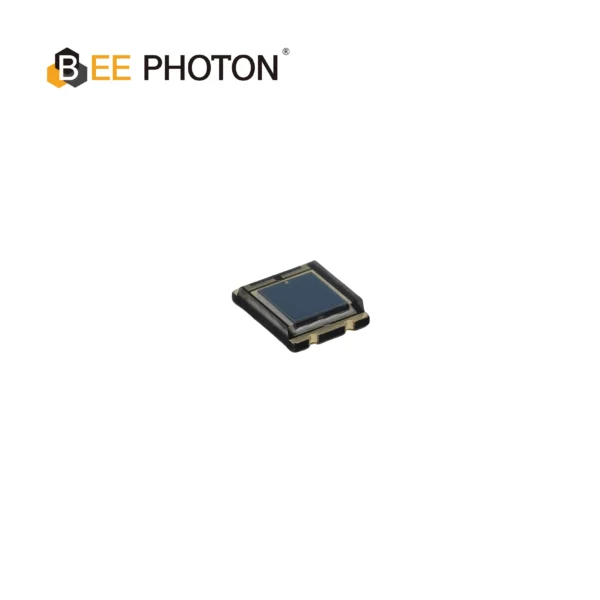
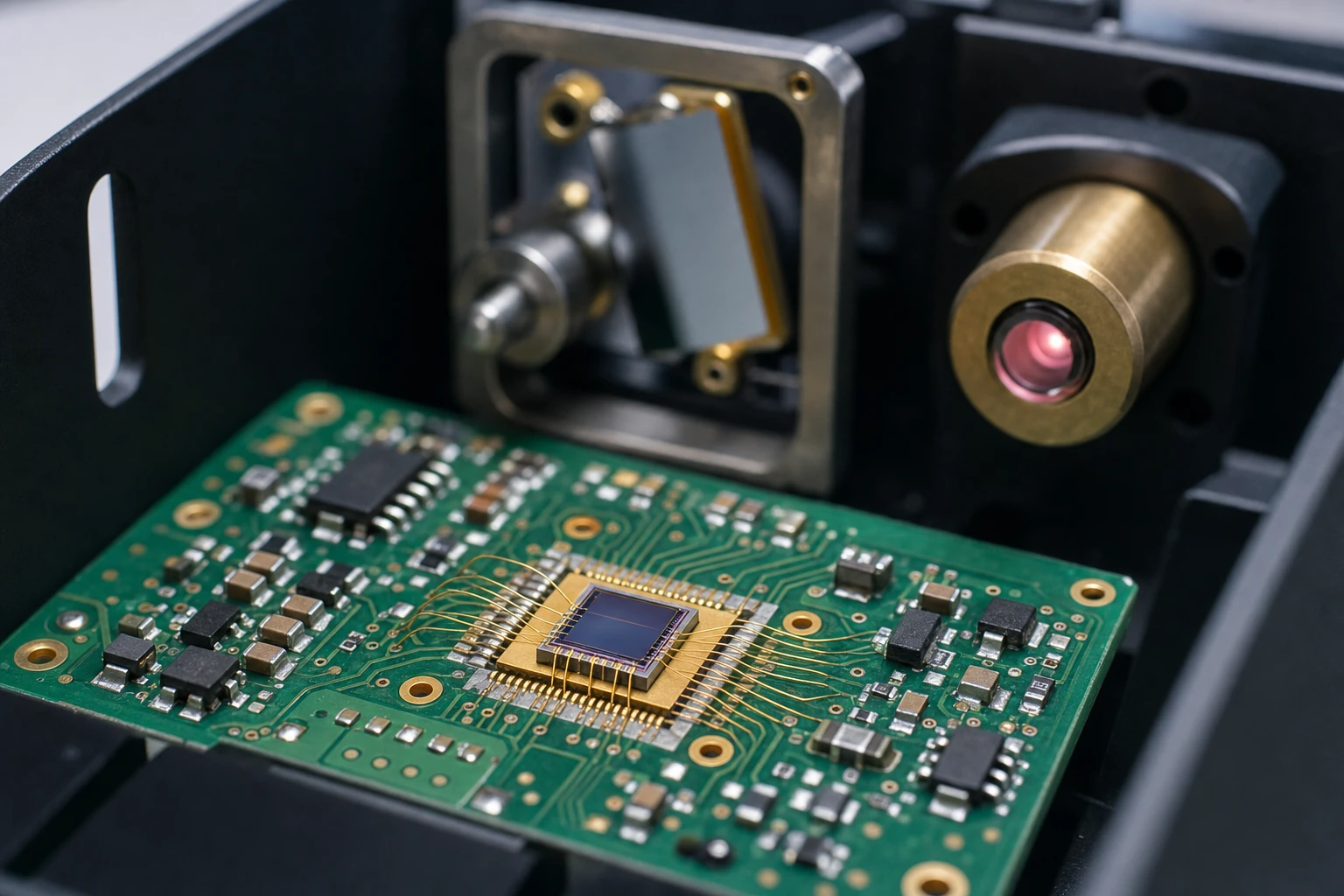
Si PIN Photodiode with NIR sensitivity enchanced (430-1100nm) PDCP08-201
The PDCP08-201 is a high-performance SMD Si PIN Photodiode designed for precision optical communication and medical sensing.[1] Featuring a large 2.9×2.9 mm active area with enhanced NIR sensitivity (0.70 A/W) and ultra-low dark current (20 pA), this SMD Si PIN Photodiode ensures superior signal detection and reliability in a compact surface-mount package.
Wrapping It Up: Your Next Step Toward Tinier, Tougher Designs
We’ve covered a lot ground here—from market madness to diode deep-dives—but the takeaway? SMD PIN photodiodes are your ace for nailing compact size in medical devices. They’re bridging the gap between bulky prototypes and pocket pros, letting you focus on what matters: better patient outcomes without the bulk.
Feeling that itch to iterate? Swing by Bee Photon and peep our lineup. For a no-BS chat on fitting SMD Si PIN Photodiode into your wearable, hit the contact page or shoot an email to info@photo-detector.com. Quotes are quick, and we’ve got samples ready to ship. Let’s make your design the one that sticks—smaller, smarter, yours.
FAQ: Quick Hits on SMD PIN Photodiodes in Med Gear
What’s the biggest win for using SMD PIN photodiodes in wearables?
Hands down, the compact size—they let you squeeze high-sensitivity light detection into spaces under 2mm, perfect for pulse ox or HR without bulking up the band. I’ve seen power savings too, extending runtime by hours.
Can these diodes handle the rough stuff, like sweat or drops?
Yep, most are ruggedized for it, but pick ones with epoxy domes for extra moisture kick. In my tests, coated versions held up through 100+ sweat cycles—no drift.
How do I spec one for my portable medical device project?
Start with your wavelength needs (e.g., 940nm for oximetry), then chase low capacitance for speed. Datasheets are gold; we’ve got a guide on our site if you ping us.