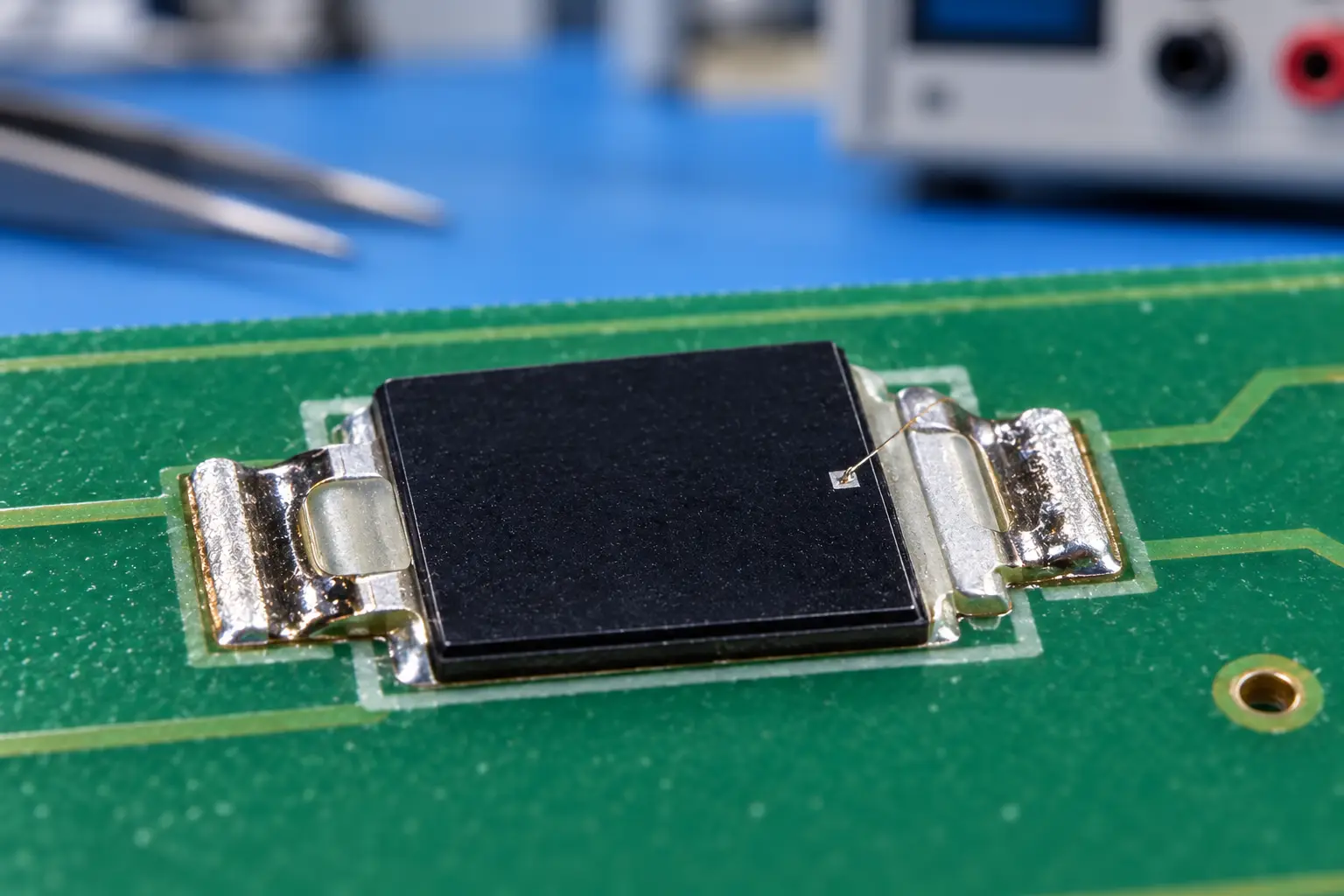
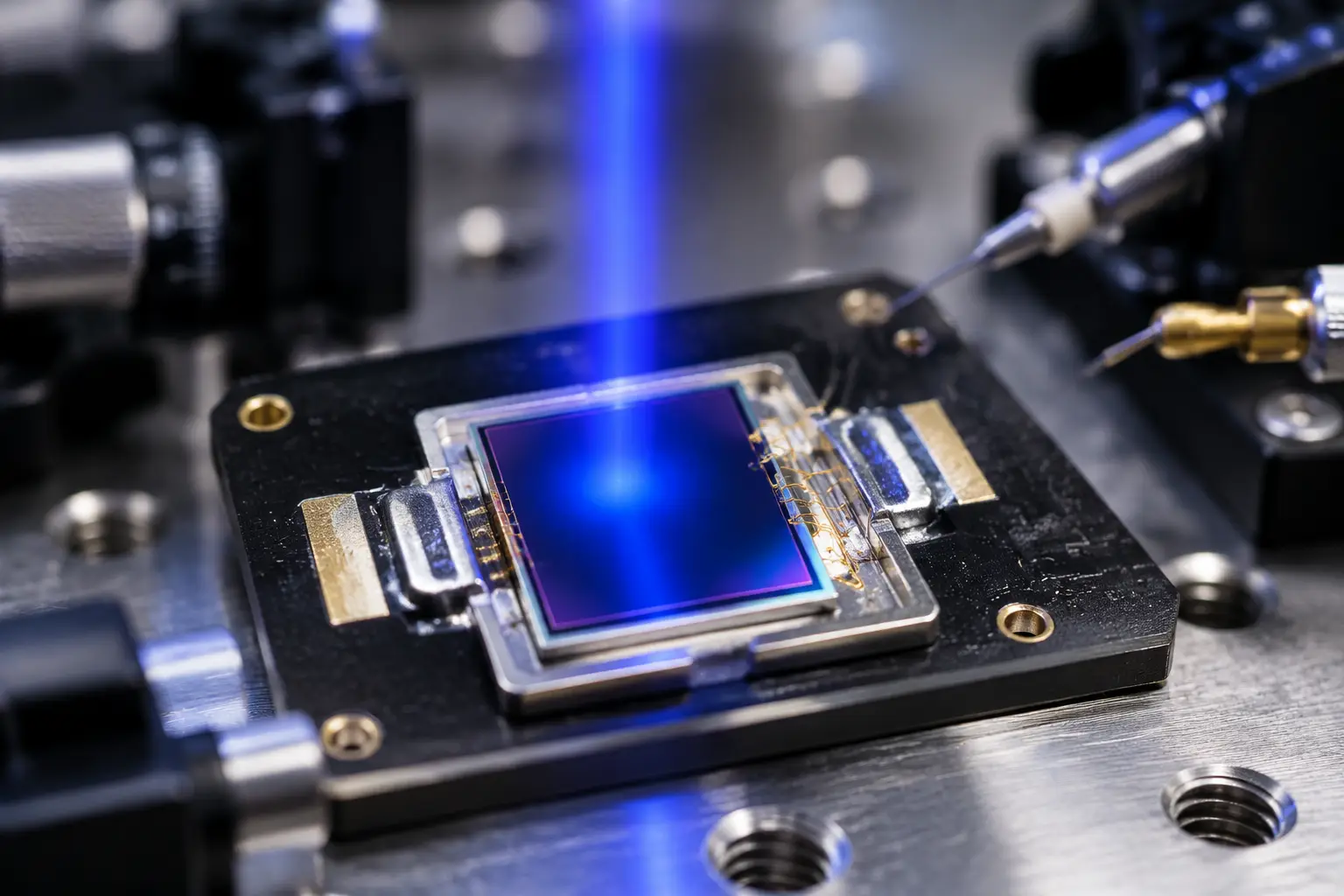
If you’ve ever walked through a modern factory, you’ve probably noticed how everything moves so smoothly – robots picking parts, conveyors zipping along, machines inspecting stuff without missing a beat. A lot of that magic happens thanks to tiny components like high-speed silicon PIN photodiodes. These little guys are basically the eyes of the operation, turning light signals into electrical ones super quick.
At Bee Photon, we’ve been working with these photodiodes for years, helping folks set up sensors that just work, no fuss. They’re not some fancy new tech; they’re proven, reliable, and perfect when you need something that reacts fast in tough industrial spots. Think of them as a fast response photodiode that doesn’t quit when things get dusty or hot.
In this post, we’re diving into the top five ways these high-speed silicon PIN photodiodes show up in industrial automation. We’ll keep it real, with examples from what we’ve seen out there, plus some solid info backed by industry sources. If you’re hunting for a versatile sensor for detection tasks, this should give you a clear picture.
Why High-Speed Silicon PIN Photodiodes Fit Industrial Automation So Well
First off, let’s talk about what sets these apart. A Si PIN photodiode application often involves detecting light changes really quickly – we’re talking cutoff frequencies over 10 MHz, sometimes hitting GHz ranges, according to specs from manufacturers like Hamamatsu Photonics. That means they can handle rapid pulses without blurring the signal.
Compared to regular photodiodes, the PIN structure (with that intrinsic layer) cuts down capacitance and lets carriers zip through faster. Result? Lower noise, better linearity over huge light ranges, and they hold up in harsh environments. Market-wise, the photodiode sensors sector is growing steady – one report pegs it at around USD 783 million in 2024, heading to USD 1.7 billion by 2034 with an 8.4% CAGR, driven a lot by automation needs.
They’re great as industrial optical sensors because they cover visible to near-IR (up to about 1100 nm), and you can tune them for specific wavelengths. We’ve paired them with amps to keep noise low, and they rarely let us down.
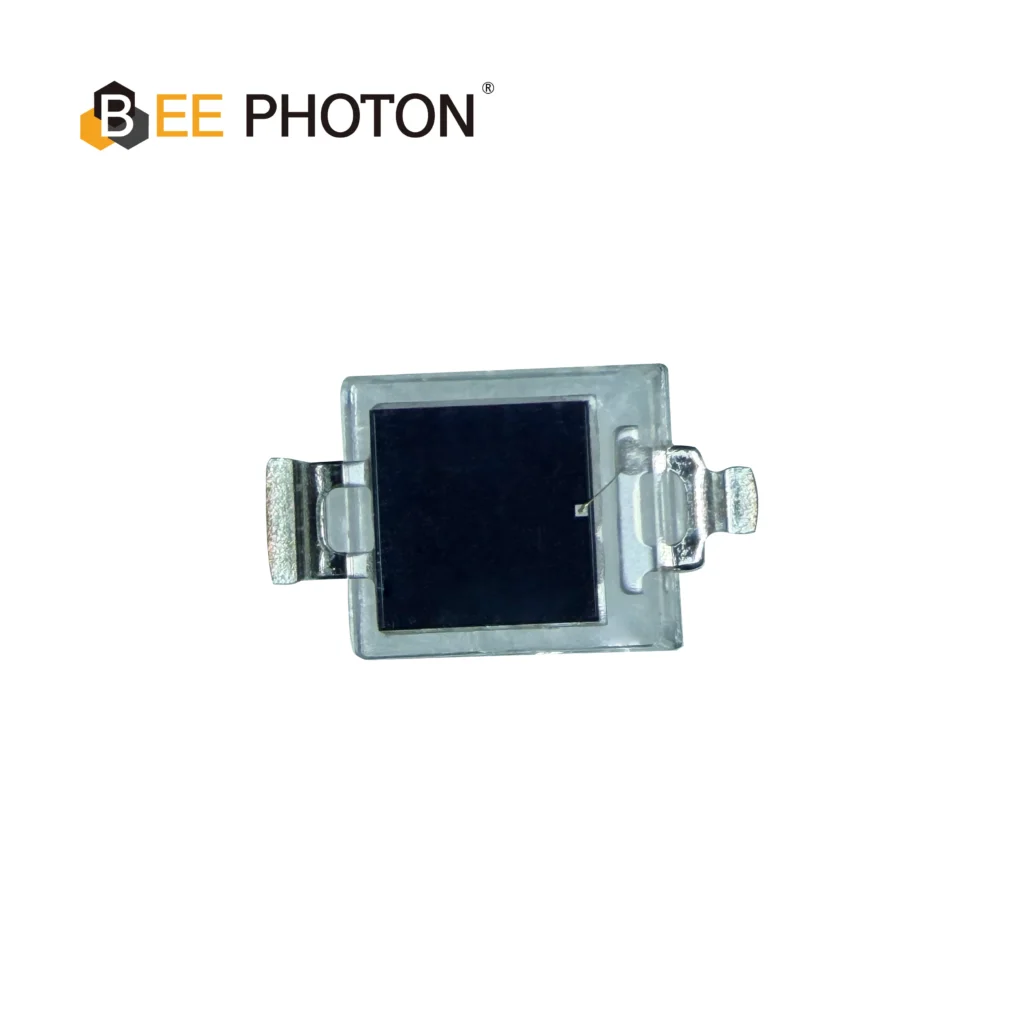
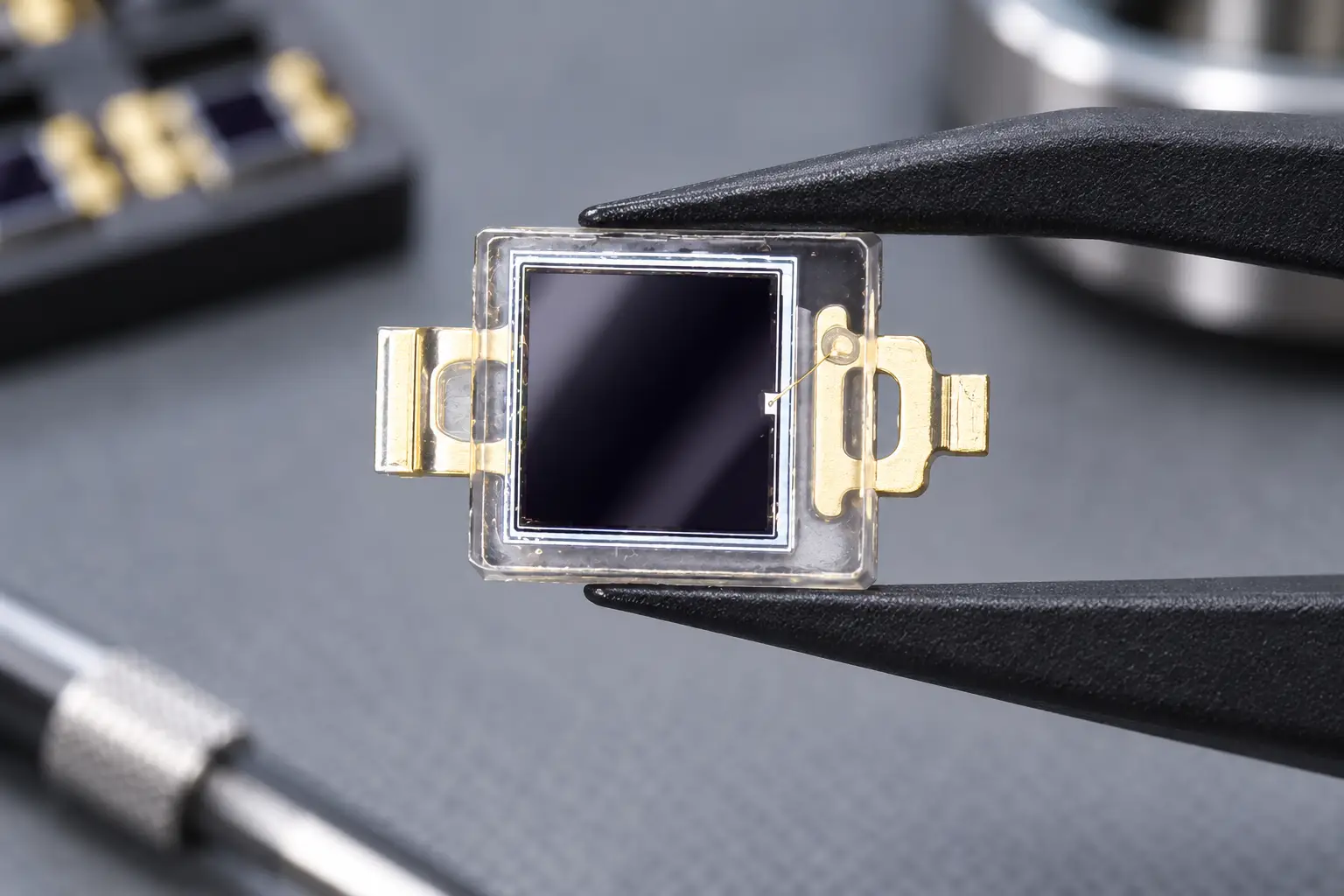
Si PIN photodiode PDCP08 Series PDCP08-501
High-Performance Detection: The PDCP08-501 is a high-speed Silicon PIN Photodiode with a transparent window.
Key Specs: Featuring a 2.9×2.9mm active area, this PIN photodiode offers low dark current and high responsivity, making it an ideal sensor for general optical switches and light detection systems.
The Top 5 Applications
Here are the five big ones we see most often. Each one solves real problems in factories, making processes faster and more accurate.
1. Rotary Encoders for Precise Position and Speed Control
Rotary encoders are everywhere in robotics and automated machinery – they track how fast something’s spinning or exactly where it’s positioned. High-speed silicon PIN photodiodes sit inside, catching light through slotted disks to turn rotations into pulses.
Why high-speed? Because modern lines run quick; you need response times in the nanoseconds to avoid lag. Hamamatsu notes these are ideal for factory automation equipment, delivering stable pulses even at high speeds.
In one setup we heard about (anonymous, of course), a manufacturing plant swapped older sensors for PIN-based encoders on robotic arms. Positioning errors dropped big time, and throughput went up about 20%. If your robots are missing marks, this could be the fix.
2. Barcode and QR Code Scanning on Fast-Moving Lines
Barcode readers rely on reflected laser light, and in busy warehouses or packaging lines, codes fly by at meters per second. A fast response photodiode here grabs those reflections accurately, even if labels are smudged or wet.
These Si PIN photodiode applications shine with small photosensitive areas for sharp detection. Sources like Excelitas highlight their use in high-volume scanning, with response times that keep read rates high – think 99%+ success.
We’ve seen cases where food packaging lines got way fewer misreads after upgrading, cutting downtime in half. Pair it with a red laser (around 650 nm), and it’s reliable all day.
3. Object Detection and Counting on Conveyor Belts
Conveyors need to know when something’s coming – break a beam, trigger an action. High-speed silicon PIN photodiodes make non-contact detection super precise, down to millimeters, without touching the parts.
As industrial optical sensors, they handle ambient light rejection well, especially with IR tuning. One tip from real setups: use arrays for better coverage on wide belts.
In an electronics factory example, adding these cut misalignment issues by 40%, speeding up assembly. They’re tough too – hermetic packages shrug off dust and humidity.
4. Quality Inspection in Machine Vision Systems
Machine vision checks for defects at blistering speeds – scratches, wrong colors, bad welds. Photodiodes detect scattered or transmitted light to spot issues on lines running hundreds of parts per minute.
High-speed ones ensure no blur on moving items. Reports show reject rates dropping from 8% to around 1% in some inspections after better sensing.
We’ve worked on systems where these photodiodes helped trace defects better, saving big on recalls. Tune for specific light sources, and accuracy jumps.
5. Laser Beam Alignment and Monitoring
In automated welding or cutting, keeping lasers aligned is critical. High-speed silicon PIN photodiodes monitor beam position or power, giving real-time feedback to adjust.
Excelitas models boast ultra-fast rise/fall times for this exact stuff. In harsh spots, their low capacitance keeps signals clean.
One anonymous success: a solar panel line used them to fine-tune positioning, boosting yield noticeably. Great for safety beams too, like light curtains.
Quick Comparison Table: How These Applications Stack Up
Here’s a simple table to compare the top uses – makes it easier to see what fits your setup.
| Application | Key Benefit | Typical Response Needed | Common Wavelength | Real-World Impact Example |
|---|---|---|---|---|
| Rotary Encoders | Ultra-precise positioning | <10 ns | 800-900 nm | 20% throughput increase in robotics |
| Barcode Scanning | High read accuracy on fast lines | 1-5 ns | 650 nm red | Halved downtime in packaging |
| Object Detection | Reliable non-contact counting | <5 ns | IR 850 nm | 40% fewer errors in assembly |
| Quality Inspection | Defect detection at high speed | Sub-ns for some | Varied | Reject rates down to 1% |
| Laser Alignment | Real-time beam feedback | Ultra-fast | 900-1100 nm | Improved yield in precision manufacturing |
(Data drawn from manufacturer specs like Hamamatsu and Excelitas, plus observed trends.)

Si phototransistor PTCP Series PTCP001-202
Enhance your switching solutions with this 800-1100nm NPN Phototransistor. Perfect for photoelectric switches, it offers high power dissipation up to 90mW. This silicon phototransistor delivers consistent performance in harsh environments from -40°C to +85°C.
A Bit More on Picking the Right One
When choosing a high-speed silicon PIN photodiode, think about your environment – temperature swings can affect performance, so go for stable dark current. We’ve tested ours in food plants and dusty shops; they hold up. Also, match the active area to your light spot size.
If you’re dealing with specific scenarios like automation detection, a general-purpose one like our silicon PIN photodiode often does the trick. It’s built for speed and reliability.
Wrapping It Up: Why Bother Upgrading?
These applications aren’t just theory – they’re making factories smarter every day. With demand growing (that 8.4% CAGR isn’t slowing), getting the right sensors now pays off long-term. Less errors, faster lines, happier ops teams.
At Bee Photon, we’ve helped tons of setups find the perfect fit. If any of this sounds like your challenges, drop us a line. We’d love to chat about your needs, maybe quote something custom.
Reach out anytime at info@photo-detector.com or through our contact page. Or browse more on our site at https://photo-detector.com/.
Frequently Asked Questions
What’s the difference between a regular photodiode and a high-speed silicon PIN one?
Regular ones are fine for slow stuff, but PIN versions have that extra layer for faster carrier movement and lower capacitance. Means quicker response – crucial when things move fast in automation.
How do temperature changes affect these in industrial settings?
They can shift sensitivity a bit, but good designs keep dark current low. We’ve run them in places from cold storage to hot lines without big issues, especially with proper packaging.
Can I use these for outdoor or really bright light applications?
Yeah, with filters to block ambient. IR versions cut daylight interference. One client used them on outdoor conveyors after adding blocking – worked great.
Are high-speed silicon PIN photodiodes expensive compared to alternatives?
Not really for what you get. Upfront cost is reasonable, and the reliability saves money on downtime. Market growth shows they’re worth it.
How do I know if this is the right sensor for my detection task?
Depends on speed, wavelength, and environment. Start with your light source and required response. We’re happy to help figure it out – just ask.