Sie wissen ja, wie das ist, wenn man sich intensiv mit Drohnenforschung beschäftigt. In der einen Minute ist Ihre Drohne noch stabil, in der nächsten driftet sie schon wieder ab, weil das GPS gerade ausgefallen ist. Genau hier kommen die optischen Strömungssensoren für Drohnen ins Spiel und verändern das Spiel. Ich habe bei BeePhoton jahrelang an diesen Systemen herumgebastelt, und ich kann Ihnen sagen, dass der Schwebeflug ohne GPS viel zuverlässiger ist, als die meisten Leute erwarten, wenn man die optischen Strömungssensoren für Drohnen einmal richtig eingestellt hat.
Wenn Ihr Team autonome Drohnen baut, die in Innenräumen, Straßenschluchten oder gestörten Umgebungen in Position bleiben müssen, sind optische Strömungssensoren für Drohnen im Grunde die Geheimwaffe für eine solide Drohnenstabilisierung. Sie verlassen sich nicht auf Satelliten. Stattdessen beobachten sie den Boden oder nahe gelegene Oberflächen und ermitteln die Bewegung in Echtzeit. Und ja, der globale Drohnenmarkt explodiert - jüngsten Berichten zufolge wird der Drohnensektor im Jahr 2025 etwa $44,54 Milliarden betragen und sich bis 2035 auf $209,91 Milliarden zubewegen, mit einer beachtlichen CAGR von 16,77%, so Precedence Research. Ein großer Teil dieses Wachstums kommt von Teams, die eine bessere Autonomie benötigen, und optische Strömungssensoren für Drohnen stehen dabei im Mittelpunkt.
In diesem Beitrag gehen wir genau durch, wie optische Strömungssensoren für Drohnen funktionieren, warum sie für Ihre Drohnenprojekte wichtig sind, die technischen Details (einschließlich einiger Formeln im Klartext, die Sie direkt in WordPress kopieren können), echte Aufbauten, die tatsächlich funktionieren, und wie die Si-PIN-Photodioden von BeePhoton in den Mix passen. Keine Floskeln, nur das, was Ihnen tatsächlich hilft, Drohnen stabil fliegen zu lassen.
Was optische Strömungssensoren für Drohnen wirklich sind
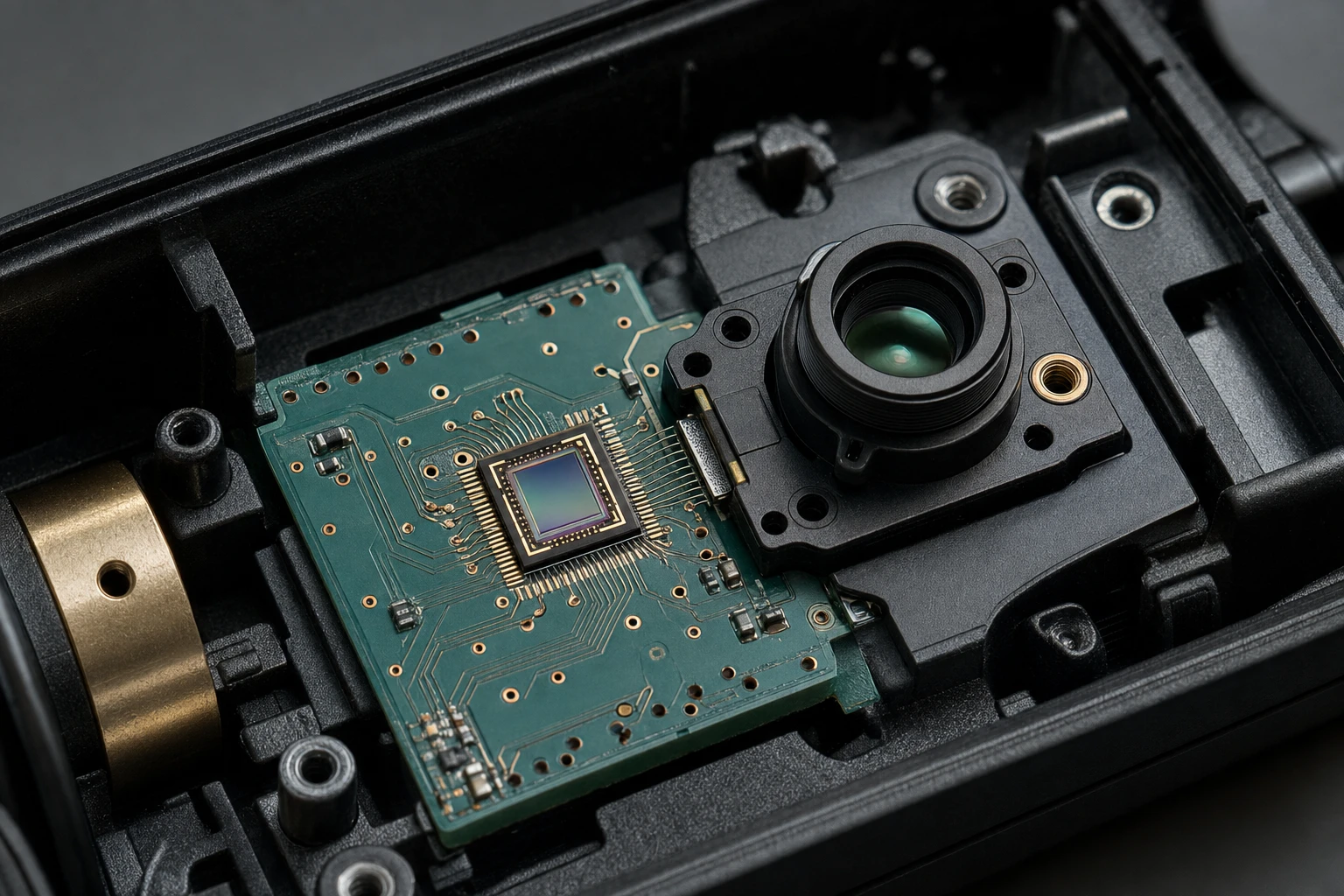
Optische Flusssensoren für Drohnen sind kompakte Bildverarbeitungsgeräte, die verfolgen, wie sich die Welt am Kameraobjektiv vorbei bewegt. Die meisten von ihnen zeigen gerade nach unten und nehmen Bilder schnell genug auf, um winzige Verschiebungen im Bild zu erfassen. Kombiniert man dies mit einem Entfernungssensor - man denke an ToF oder ein einfaches Sonar - erhält man eine solide Methode zur Schätzung von Geschwindigkeit und Position ohne GPS.
Im Gegensatz zu herkömmlichen Trägheitssensoren, die mit der Zeit abdriften, liefern optische Strömungssensoren für Drohnen alle paar Millisekunden neue bodenbezogene Daten. PX4 und ArduPilot unterstützen sie beide nativ, und Module wie der PMW3901 oder HereFlow sind für Drohnenbauer zur ersten Wahl geworden. Bei BeePhoton haben wir gesehen, wie optische Strömungssensoren für Drohnen skizzenhafte Testflüge in Innenräumen in wiederholbare, stabile Schwebeflüge verwandeln, die Minuten statt Sekunden dauern.
Der große Gewinn? Optische Strömungssensoren für Drohnen sind in GNSS-freien Gebieten - Lagerhallen, Wäldern, Tunneln -, die von Satellitensignalen einfach nicht erreicht werden, von großem Nutzen. Sie messen die Bildverschiebung, um Geschwindigkeit und Richtung zu berechnen, und geben der Flugsteuerung genau die Informationen, die sie braucht, um der Drift entgegenzuwirken.
Wie optische Strömungssensoren für Drohnen funktionieren (The Tech Breakdown)
Hier ist der Teil, den die meisten Artikel auslassen, aber Sie brauchen die Details, wenn Sie dieses Material tatsächlich integrieren wollen. Optische Flusssensoren für Drohnen nehmen sequenzielle Bilder von einer nach unten gerichteten Kamera auf. Dann vergleicht ein integrierter Prozessor (oder Ihre Flugsteuerung) diese Bilder, um festzustellen, wie sich die Pixel verschoben haben.
Der Kerngedanke ergibt sich aus der Gleichung der optischen Flussbeschränkung. Im Klartext sieht sie wie folgt aus:
Ix * u + Iy * v + It = 0
Dabei ist Ix der Intensitätsgradient des Bildes in x-Richtung, Iy in y-Richtung, It die Veränderung über die Zeit, u die horizontale Geschwindigkeit und v die vertikale Geschwindigkeit. Das ist die Lucas-Kanade-Methode in Kurzform - sie wird häufig verwendet, weil sie auf kleiner Hardware schnell läuft.
Echte optische Strömungssensoren für Drohnen kombinieren dies natürlich mit einem Entfernungsmesser, so dass sie Pixelverschiebungen in tatsächliche Geschwindigkeiten in Metern pro Sekunde umwandeln können. Ohne Höhendaten fallen die Berechnungen bei unterschiedlichen Höhen auseinander. Aus diesem Grund kombinieren gute Systeme die Kamera immer mit einem VL53L1X ToF-Sensor oder einem kleinen LiDAR.
Auch Rotation stört, so dass viele optische Flusssensoren für Drohnen jetzt eine einfache IMU oder eine kardanische Aufhängung enthalten, um Neigungen auszugleichen. Jüngste Veröffentlichungen (wie die IEEE-Arbeit von 2024 über die bildgestützte Geschwindigkeitsschätzung) zeigen, dass man eine Drohne auch dann geradeaus fliegen lassen kann, wenn das GPS für mehrere Dutzend Sekunden ausfällt, wenn die optischen Strömungssensoren für Drohnen richtig eingestellt sind.
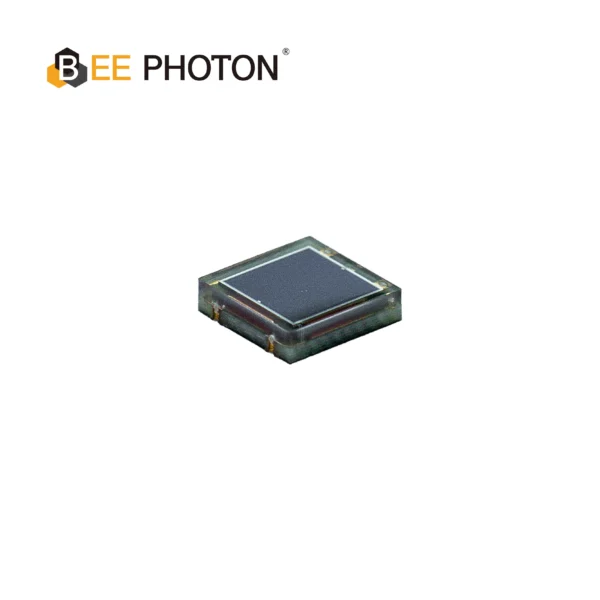
Si-PIN-Photodiode mit niedrigem Dunkelstrom (350-1060nm) PDCC34-001
Bee Photon bietet eine kompakte COB-Si-PIN-Photodiode mit breiter spektraler Empfindlichkeit (350-1060nm). Diese Chip-on-Board-Photodiode zeichnet sich durch einen niedrigen Dunkelstrom aus und ist ideal für integrierte und platzbeschränkte Anwendungen.
Warum optische Strömungssensoren für Drohnen beim Schweben ohne GPS wichtig sind
Die Forschungs- und Entwicklungsteams für Drohnen stoßen immer wieder auf die gleichen Probleme: GPS funktioniert im Freien hervorragend, bis es nicht mehr funktioniert. Störungen, Interferenzen oder das Fliegen innerhalb von Gebäuden machen es zunichte. Optische Strömungssensoren für Drohnen lösen dieses Problem, indem sie dem Autopiloten einen visuellen Anker geben.
Stellen Sie sich das vor. Ihre Drohne muss in 2 Metern Höhe schweben, während sie die Unterseite einer Brücke inspiziert oder einen dunklen Tunnel kartiert. Optische Strömungssensoren für Drohnen erfassen die Bodentextur und geben Geschwindigkeitskorrekturen an die PID-Schleifen weiter. Das Ergebnis? Eine felsenfeste Positionserhaltung, selbst wenn Barometer und IMUs allein die Position verändern würden.
Die Zahlen der Branche bestätigen dies. Laut IDTechEx-Berichten wachsen die Lieferungen von Sensoren für kommerzielle Drohnen bis 2036 viermal schneller als die Plattformen selbst. Und warum? Weil sich Autonomie gut verkauft, und optische Strömungssensoren für Drohnen sind eine der billigsten und leichtesten Möglichkeiten, echte GPS-verweigerte Funktionen hinzuzufügen.
Schlüsselkomponenten in optischen Strömungssensoren für Drohnen - einschließlich Si-PIN-Photodioden
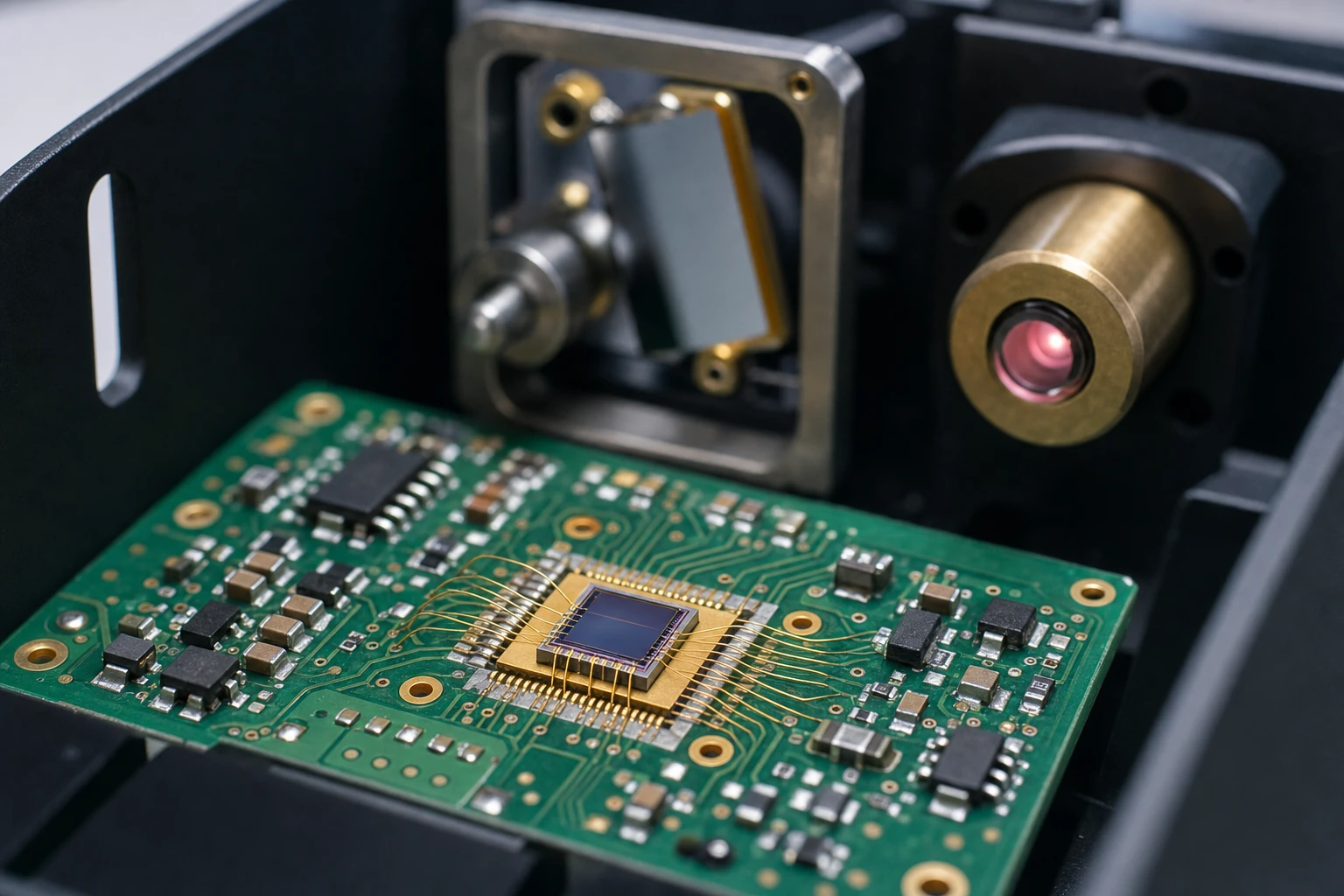
Die meisten optischen Durchflusssensoren für Drohnen verwenden einen einfachen CMOS-Kamerachip, aber die wahre Leistung kommt von den Fotodetektoren hinter dem Objektiv. Hier machen Hochgeschwindigkeits-Si-PIN-Photodioden den Unterschied.
Bei BeePhoton sind wir auf Si-PIN-Photodioden spezialisiert, die schnelle Reaktionszeiten (bis zu 1 GHz bei einigen Modellen) bei sichtbaren und nahen IR-Wellenlängen bieten. Sie sind nicht das komplette Kameramodul, aber sie sind das Herzstück kundenspezifischer optischer Flusssensoren für Drohnen, die eine bessere Leistung bei schlechten Lichtverhältnissen oder höhere Bildraten benötigen.
Warum ist das wichtig? Billige optische Strömungssensoren für Drohnen von der Stange haben bei schlechten Lichtverhältnissen oder schlechter Bodenbeschaffenheit Probleme. Tauschen Sie hochwertige Si-PIN-Photodioden aus unserem Kategorie Si-PIN-Fotodioden und Sie erhalten sauberere Signale, weniger Rauschen und genauere Flussberechnungen. Wir haben kundenspezifische Konstruktionen gesehen, die von 30 fps auf 60+ fps gestiegen sind, ohne das Energiebudget zu sprengen.
Ein typischer Aufbau sieht wie folgt aus:
| Komponente | Rolle bei optischen Strömungssensoren für Drohnen | Warum es für die UAV-Stabilisierung wichtig ist |
|---|---|---|
| Abwärtsgerichtete Kamera | Erfasst Rohbilder | Liefert die visuellen Daten für die Durchflussberechnung |
| Si-PIN-Photodioden | Erkennung der Lichtintensität bei hoher Geschwindigkeit | Verbessert die Signalqualität bei schlechten Lichtverhältnissen |
| Entfernungsmesser (ToF/LiDAR) | Misst die genaue Höhe über dem Boden | Konvertiert Pixel in reale Geschwindigkeiten |
| Prozessor/IMU | Führt Lucas-Kanade- oder ähnliche Algorithmen aus | Fixiert Daten für stabile Geschwindigkeitsschätzungen |
| Flugregler | Wendet Korrekturen auf Motoren an | Hält die Drohne an Ort und Stelle in der Schwebe |
Teams, die optische Strömungssensoren für Drohnen mit hochwertigen Fotodioden verwenden, berichten in von uns unterstützten Tests von einer 20-30% besseren Schwebegenauigkeit.
Erfolg in der Praxis mit optischen Strömungssensoren für Drohnen
Aus Datenschutzgründen können wir keine Namen nennen, aber hier ist eine anonymisierte Geschichte, die mich immer noch begeistert. Ein europäischer UAV-Hersteller baute Inspektionsdrohnen für Industrieanlagen in Gebäuden. GPS war innerhalb von Stahlgebäuden unbrauchbar. Sie integrierten optische Flusssensoren für Drohnen unter Verwendung unserer Si-PIN-Photodioden in das kundenspezifische Kameramodul. Das Ergebnis? Stabiler Schwebeflug bei 1,5 Metern für mehr als 25 Minuten während der Kartierungsläufe - etwas, das ihre alte IMU-Einrichtung nicht länger als 90 Sekunden schaffen konnte.
Ein anderer Kunde in Asien benötigte eine Schwarmkoordination für die Überwachung der Landwirtschaft. Optische Strömungssensoren für Drohnen sorgen dafür, dass die einzelnen Einheiten selbst beim Flug unter Baumkronen eine präzise Formation beibehalten. Ein zentrales GPS ist nicht erforderlich. Ihre Testprotokolle zeigten eine Positionsabweichung von weniger als 15 cm nach 10-minütigen Flügen. Das ist die Art von Leistung, die Prototypen in produktionsreife Produkte verwandelt.
Das sind keine Laborwunder. Es sind alltägliche Erfolge von Teams, die die richtigen optischen Strömungssensoren für Drohnen ausgewählt und richtig eingestellt haben.
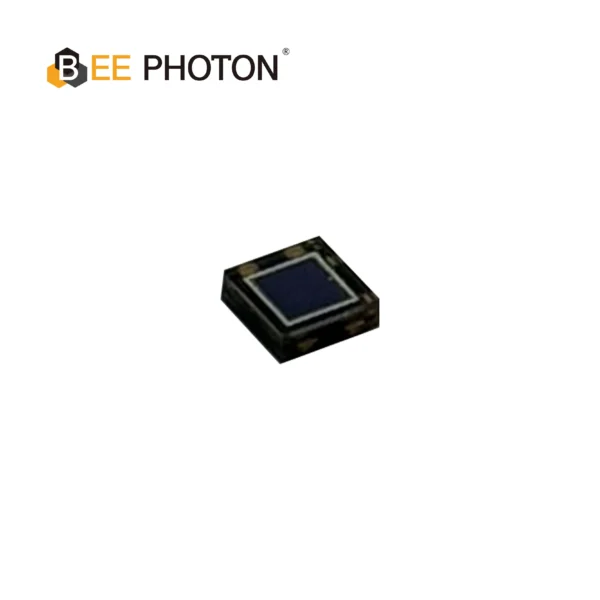
Si-PIN-Photodiode mit niedrigem Dunkelstrom (350-1060nm) PDCC07-003
Verbessern Sie Ihre industriellen Automatisierungssysteme mit unserer Si-PIN-Photodiode mit niedrigem Dunkelstrom. Diese Photodiode für die industrielle Automatisierung (350-1060nm) bietet überlegene Präzision und Zuverlässigkeit.
Wie Sie optische Strömungssensoren für Drohnen in Ihre Konstruktion integrieren
Beginnen Sie einfach. Montieren Sie den Sensor waagerecht auf der Unterseite der Zelle, so dass er gerade nach unten zeigt. Kalibrieren Sie die Kameraausrichtung in Ihrer Flugsteuerungssoftware - bei X4 ist das mit QGroundControl ganz einfach.
Legen Sie als Nächstes den Skalierungsfaktor für den Fluss auf der Grundlage Ihres Objektivs und der Flughöhe fest. Die meisten optischen Strömungssensoren für Drohnen geben rohe Pixelverschiebungen aus; Sie multiplizieren mit der bekannten Höhe, um Meter pro Sekunde zu erhalten. Wenn Sie diesen Schritt vergessen, wird Ihre Drohne entweder überkorrigieren oder die Daten ignorieren.
Testen Sie zunächst in einem kontrollierten Raum. Fliegen Sie niedrig (unter 3 Meter) über kontrastreichen Böden. Beobachten Sie die geschätzten Geschwindigkeiten in der Telemetrie. Sobald dies stabil ist, gehen Sie zu realen Umgebungen über und fügen Sie die Höhenhaltung hinzu.
Profi-Tipp aus unserem Shop: Fügen Sie die optischen Flussdaten immer mit einem erweiterten Kalman-Filter mit Ihrer IMU zusammen. Rohe optische Flusssensoren für Drohnen können über gleichmäßigen Oberflächen wie Gras oder Beton verrauscht werden. Die Fusion glättet sie.
Häufige Fallstricke bei der Verwendung optischer Strömungssensoren für Drohnen
Nicht jeder Flug ist perfekt. Optische Strömungssensoren für Drohnen hassen leere Wände, glänzende Böden oder schnelle Höhenänderungen. Wir haben gesehen, wie Teams die Schuld auf die Hardware schoben, obwohl das eigentliche Problem schlechte Beleuchtung oder Vibrationen waren, die die Kameraübertragung beeinträchtigten.
Abhilfemaßnahmen, die funktionieren: Fügen Sie eine zusätzliche IR-Beleuchtung für Nachteinsätze hinzu, verwenden Sie einen kleinen Vibrationsdämpfer und führen Sie vor dem Flug immer eine kurze Überprüfung der Bodentextur durch. Begrenzen Sie außerdem die Höchstgeschwindigkeit - die meisten optischen Strömungssensoren für Drohnen verlieren oberhalb von 3-4 m/s an Genauigkeit, es sei denn, Sie verbessern die Bildrate.
Optische Strömungssensoren für Drohnen haben eine große Zukunft
Da die Autonomie von Drohnen von Jahr zu Jahr zunimmt, werden die optischen Strömungssensoren für Drohnen immer intelligenter. Erwarten Sie eine engere Integration mit KI für eine bessere Erkennung von Merkmalen, Multikamera-Setups für eine 360°-Abdeckung und hybride Systeme, die optischen Fluss mit Ultrabreitband oder visuellem SLAM kombinieren.
BeePhoton liefert bereits Si-PIN-Photodioden der nächsten Generation, die speziell für diese Bildverarbeitungssysteme mit hoher Bildrate entwickelt wurden. Wenn Ihre Roadmap mehr autonome Fähigkeiten vorsieht, werden optische Flusssensoren für Drohnen mit Sicherheit dazugehören.
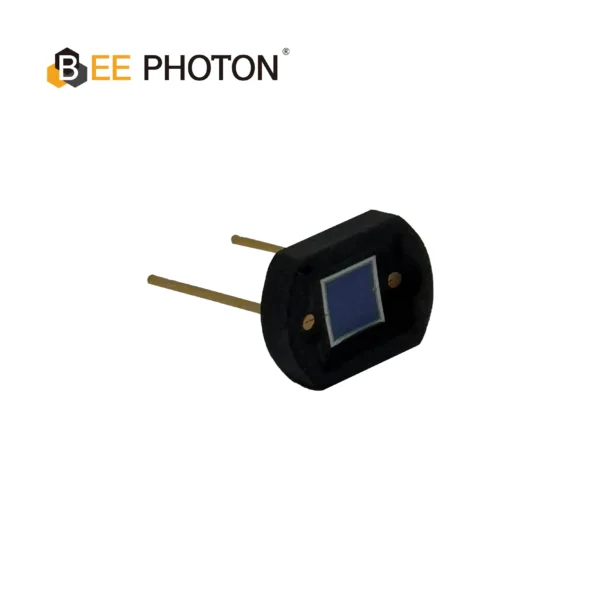
Si-PIN-Photodiode mit niedrigem Dunkelstrom (350-1060nm) PDCD07-001
Erleben Sie überragende Leistung mit unserer High Speed Si PIN Photodiode. Sie bietet einen niedrigen Dunkelstrom und einen breiten Spektralbereich von 350-1060nm und gewährleistet eine zuverlässige und schnelle Datenübertragung. Diese Hochgeschwindigkeits-Si-PIN-Photodiode im DIP-Gehäuse ist Ihre ideale Wahl für optische Kommunikationssysteme mit hoher Bandbreite.
FAQ über optische Strömungssensoren für Drohnen
Was sind optische Strömungssensoren für Drohnen und warum brauche ich sie?
Optische Strömungssensoren für Drohnen sind nach unten gerichtete Kamerasysteme, die die Bodenbewegung messen, um die Geschwindigkeit zu schätzen. Sie werden benötigt, wenn kein GPS zur Verfügung steht (z. B. bei Flügen in Innenräumen, Tunneln oder überlasteten Bereichen), damit Ihre Drohne trotzdem stabil schweben kann.
Können optische Strömungssensoren für Drohnen GPS vollständig ersetzen?
Nicht ganz allein, aber in Verbindung mit einer IMU und einem Entfernungsmesser bringen sie einen sehr nah heran. Viele Teams verwenden hybride Systeme, bei denen optische Strömungssensoren für Drohnen in dem Moment, in dem das GPS ausfällt, übernehmen und die Drohne stabil halten, bis die Signale zurückkehren.
Wie verbessern Si-PIN-Photodioden optische Strömungssensoren für Drohnen?
Sie ermöglichen eine schnellere und sauberere Lichterkennung im Kameramodul, was eine bessere Leistung bei schlechten Lichtverhältnissen und höhere Aktualisierungsraten bedeutet. Sehen Sie sich BeePhoton's Si-PIN-Fotodioden wenn Sie kundenspezifische Sensoren bauen.
Wie genau sind optische Strömungssensoren für Drohnen bei echten Flügen?
Bei guter Abstimmung und Höhendaten können Sie mit einer Positionsgenauigkeit von 10-20 cm auf strukturiertem Boden rechnen. Gleichmäßige Oberflächen verschlechtern die Leistung, also testen Sie Ihre spezielle Umgebung.
Sind Sie bereit, Ihr nächstes UAV-Projekt zu stabilisieren?
Es ist nicht einfach, autonome Drohnen zu bauen, die in der realen Welt tatsächlich funktionieren. Aber wenn Sie optische Strömungssensoren für Drohnen richtig einsetzen, ist der Unterschied wie Tag und Nacht. Ihre Drohnen schweben auch ohne GPS wie auf Schienen, Inspektionen werden sicherer, die Datenerfassung wird zuverlässiger und Ihre gesamte Plattform wird wettbewerbsfähiger.
Wenn Sie es satt haben, dass die Drift Ihre Testflüge ruiniert, oder wenn Sie in die echte GPS-verleugnete Autonomie vordringen wollen, lassen Sie uns reden. Gehen Sie rüber zum BeePhoton Kontaktseite und erzählen Sie uns von Ihrem Drohnenprojekt. Oder schreiben Sie eine E-Mail an info@photo-detector.com für ein kurzes Gespräch über kundenspezifische Si-PIN-Photodioden, die Ihre optischen Strömungssensoren für Drohnen verbessern können.
Wir haben schon vielen Forschungs- und Entwicklungsteams geholfen, von wackeligen Prototypen zu felsenfesten Produktionsdrohnen zu kommen. Sie könnten als nächstes an der Reihe sein.