Wenn Sie ein Einkaufsleiter auf der Suche nach hochstrahldichten 850-nm-NIR-LEDs in großen Mengen sind, kennen Sie die Problematik bereits. Ein Lieferant schickt Muster, die perfekt aussehen, aber die dritte Charge weist einen Lichtabfall von 18 % auf. Ein anderer bietet Tiefstpreise an, kann aber die Wellenlängentoleranz nicht enger als ±15 nm halten. Kommt Ihnen das bekannt vor?
Ich habe die letzten neun Jahre damit verbracht, Einkäufern aus dem Ausland beim Bezug hochstrahldichten 850-nm-NIR-LEDs von chinesischen Fabriken zu helfen. Der Unterschied zwischen einem reibungslosen Projekt und monatelangen Kopfschmerzen liegt meist darin, die richtigen Fragen zu stellen, bevor man die Bestellung unterschreibt. Dieser Leitfaden zeigt Ihnen genau, worauf wir achten, wenn wir Lieferanten für unsere eigenen Kunden prüfen.
Was “hohe Strahldichte” bei 850-nm-NIR-LEDs tatsächlich bedeutet
Die meisten Leute verwenden den Begriff “High Power”, wenn sie eigentlich hohe Strahldichte. meinen. Da gibt es einen großen Unterschied.
Die Strahldichte gibt an, wie viel optische Leistung auf eine kleine Emissionsfläche und einen engen Winkel konzentriert ist. Die Formel in Textform lautet:
Strahldichte (L) = Optische Leistung (Φ) / (Emissionsfläche (A) × Raumwinkel (Ω))
Für eine typische hochstrahldichten 850-nm-NIR-LEDs , die in optischen Schaltern oder LiDAR eingesetzt wird, benötigt man je nach Strahlanforderungen mindestens 150–400 mW/sr. Alles unter 120 mW/sr zwingt einen in der Regel dazu, zusätzliche Optiken hinzuzufügen, was das Kostenziel zunichtemacht.
Wir testen regelmäßig Chips, die 500 mW versprechen, aber nach der Gehäusung nur 180 mW/sr liefern. Deshalb fragen wir immer sowohl nach der Strahlstärke und als auch nach der Messung der tatsächlichen Emissionsfläche.
Warum 850 nm weiterhin die optimale Wahl für industrielle Anwendungen ist
850 nm bietet ein Optimum, das 940 nm und 780 nm bei vielen B2B-Anwendungen nicht erreichen können. Siliziumdetektoren sprechen bei 850 nm hervorragend an, die Wasserabsorption ist gering und es werden keine speziellen Filter benötigt, wie es bei 940 nm der Fall ist.
Bei optischen Schaltkomponenten haben wir festgestellt, dass hochstrahldichten 850-nm-NIR-LEDs in staubigen Fabrikumgebungen um 25% bessere Signal-Rausch-Verhältnisse als 940-nm-Äquivalente erzielt werden. Das ist kein Marketing-Gerede – das haben unsere europäischen Automatisierungskunden in ihren eigenen Labors gemessen.
Realitätscheck für chinesische LED-Hersteller
Ja, China stellt den Großteil der weltweiten NIR-LEDs her. Nein, nicht alle Fabriken können echte hochstrahldichten 850-nm-NIR-LEDs in großem Maßstab produzieren.
Die Spitzenklasse (vielleicht 15% der Anbieter, die behaupten, NIR zu beherrschen) verfügt tatsächlich über:
- Hauseigene Epitaxie-Wachstumskapazität
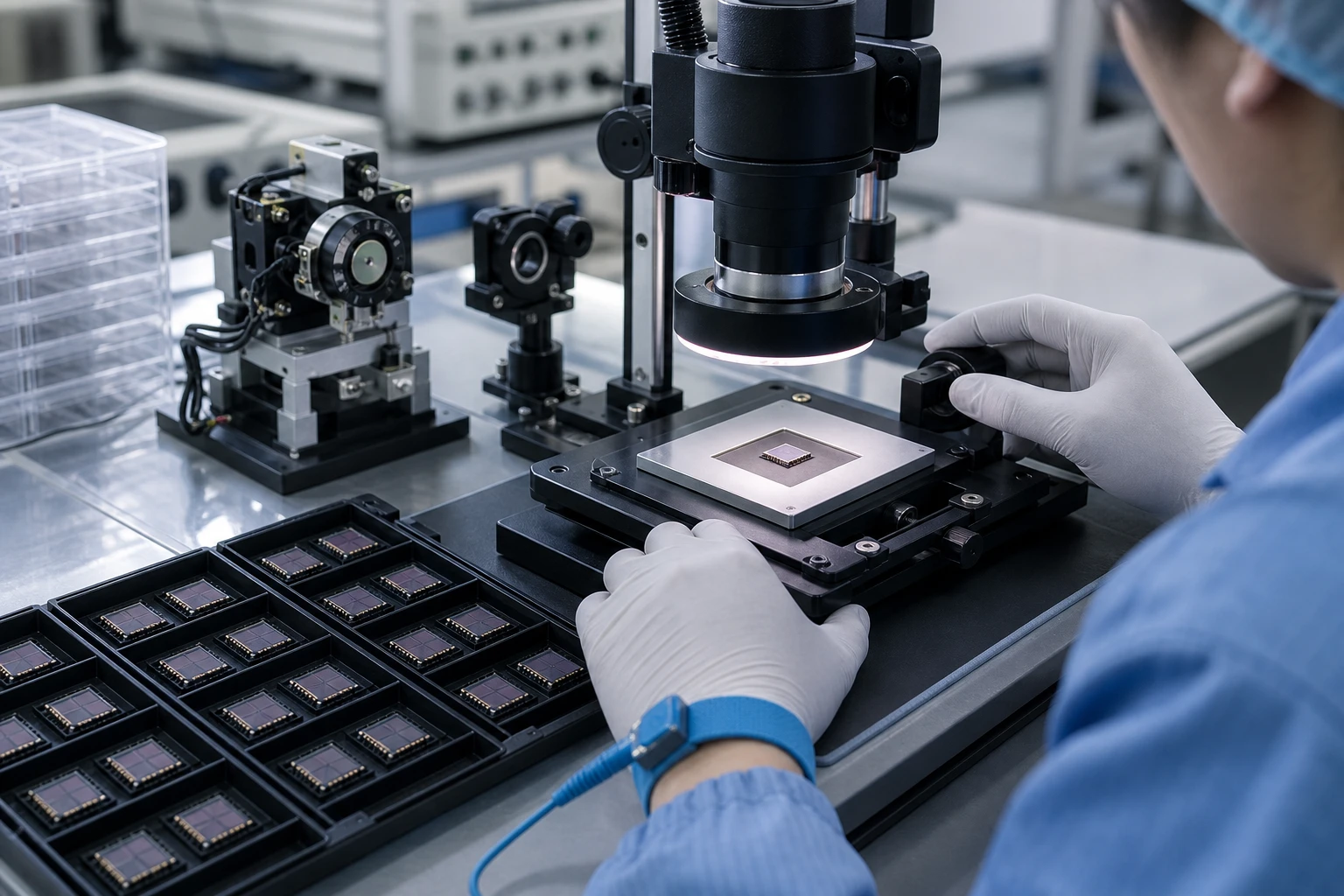
- Vollständiger ESD-Schutz und Reinräume der Klasse 1000 für das Die-Bonding
- Automatisierte Sortiermaschinen mit Ulbricht-Kugeln und Goniometern
- Burn-in-Testgestelle im 24/7-Betrieb
Der Rest sind Handelsunternehmen oder Low-End-Monteure. Sie kaufen Chips auf dem freien Markt, verpacken sie und hoffen, dass man sie nicht zu genau prüft.

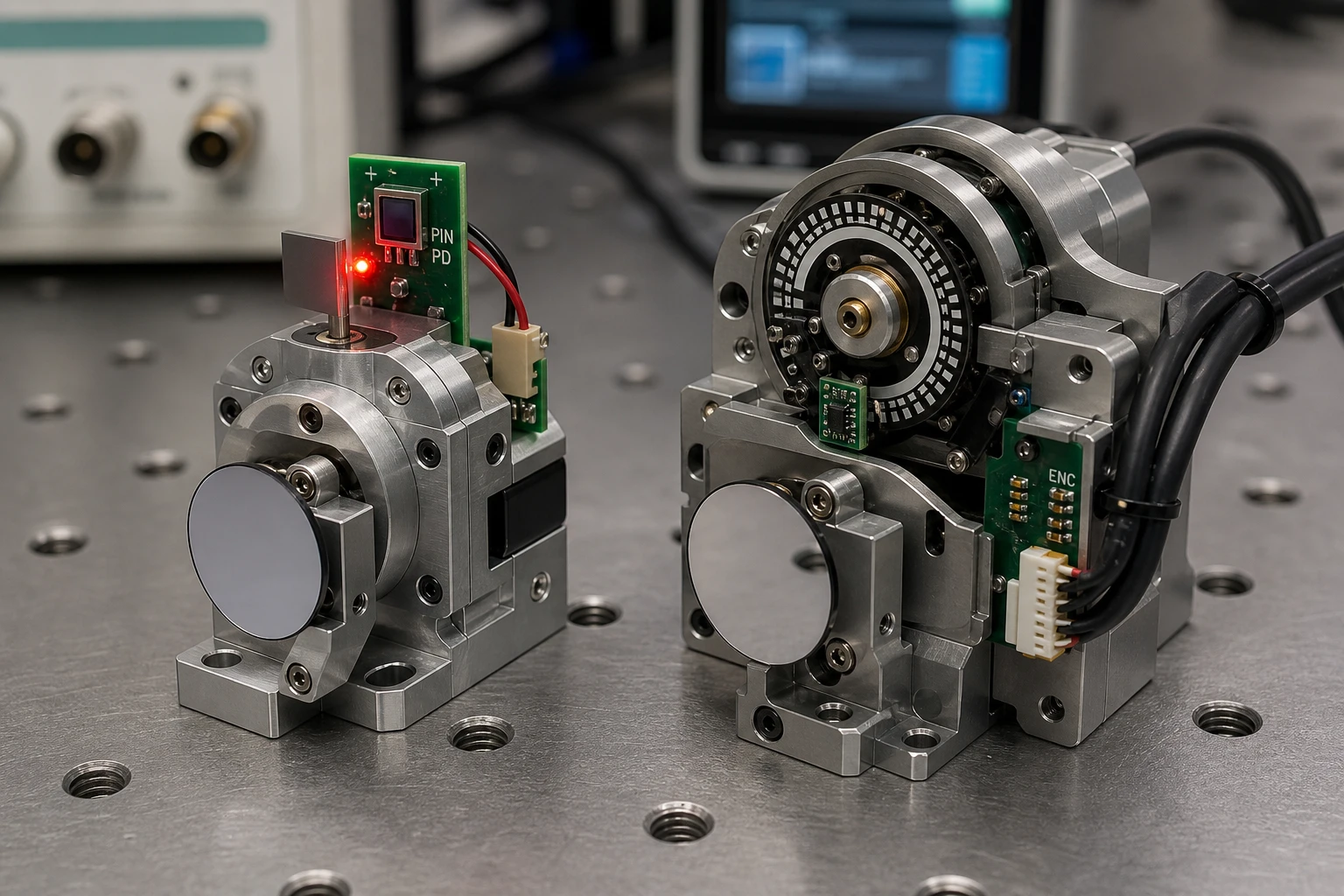
Lichtquelle LED-Serie E850-15-202
Diese Galvanometer-Scanner-Lichtquelle bietet überragende Helligkeit und Präzision. Unsere TO18-Lichtquelle ist auf Genauigkeit ausgelegt und gewährleistet eine hohe Zuverlässigkeit in Scan-Systemen.
Bewertung eines chinesischen LED-Herstellers – Unsere Checkliste
Hier ist die genaue Bewertungsskala, die wir bei der Qualifizierung neuer Lieferanten für hochstrahldichten 850-nm-NIR-LEDs:
| Criteria | Mindestanforderung | Warnsignal (Red Flag) | Weight |
|---|---|---|---|
| Strahldichte (mW/sr) | ≥180 mW/sr @ 100mA, 25°C | Zeigt nur die Gesamtleistung, nicht die Strahldichte | 25% |
| Wellenlängentoleranz | ±8 nm oder besser über die gesamte Charge hinweg | ±15nm or “typical value” only | 20% |
| Lichtabfall nach 1000 h | ≤ 6 % bei 85 °C / 85 % rF | Keine Burn-In-Daten oder > 12 % Abfall | 20% |
| ESD-Bewertung | Klasse 2 oder besser (HBM) | Keine ESD-Klassifizierung | 10% |
| Lieferzeit für 50.000 Stk. | ≤ 35 Tage | “We’ll see” or 10+ week promises | 15% |
| MOQ | ≤ 10.000 Stk. für kundenspezifische Wellenlängen | Mindestbestellmenge (MOQ) von 50.000+ für die Erstbestellung | 10% |
Wir haben zahlreiche Fabriken abgelehnt, die auf dem Papier großartig aussahen, aber den 1000-Stunden-Lichtabfalltest nicht bestanden haben. Ein Lieferant aus Shenzhen versprach einen Abfall von 3 %. Ihr tatsächlicher Testbericht (zu dessen Durchführung wir sie unter unserer Aufsicht per Videoanruf gezwungen haben) zeigte einen Abfall von 21 %. Wir haben das Geschäft abgebrochen.
Verständnis der Lichtabfallprüfung (der entscheidende Test)
Hier machen die meisten Käufer schlechte Erfahrungen.
Ein ordnungsgemäßer Lichtabfalltest für hochstrahldichten 850-nm-NIR-LEDs sollte Folgendes beinhalten:
- Anfangsmessung bei 25 °C
- 168 Stunden bei 85 °C / 85 % rF (JEDEC-ähnliche Bedingungen)
- Weitere 832 Stunden bei maximalem Nennstrom
- Abschlussmessung unter exakt den gleichen Betriebsbedingungen
Wir bestehen darauf, die vollständige Kennlinie zu sehen, nicht nur Vorher-Nachher-Werte. Echte High-End-LED-Hersteller aus China teilen die Excel-Rohdaten, wenn man höflich fragt. Diejenigen, die abblocken, haben meist etwas zu verbergen.
Technische Spezifikationen, die wirklich zählen
Bei der Beschaffung hochstrahldichten 850-nm-NIR-LEDs, verlieren Sie sich nicht in Marketing-Zahlen. Konzentrieren Sie sich auf diese vier Dinge:
Konsistenz des Vorwärtsspannungs-Binnings
Wir hatten einen Kunden, dessen gesamtes Design für optische Schalter nicht mehr funktionierte, weil die Vf-Werte über die Rollen hinweg von 1,45 V bis 1,85 V variierten. Jetzt fordern wir ein ±0,1 V Binning für jedes Projekt über 20.000 Einheiten.
Abwägung zwischen Abstrahlwinkel und Strahlstärke
Engere Winkel (wie ±15°) liefern normalerweise eine höhere Strahlstärke, können aber Hotspots erzeugen. Wir haben festgestellt, dass ±30° bis ±40° für die meisten industriellen optischen Schaltkomponenten am besten geeignet sind.
Wärmewiderstand (Rth)
Suchen Sie nach Gehäusen mit einem Rth unter 8 K/W. Die billigen 5-mm-THT-Bauteile liegen meist über 25 K/W und brennen bei hohen Betriebsströmen durch.
Lichtquelle LED-Serie E850-15-301
Als Ihr kompetenter B2B-Lichtquellenlieferant bietet Bee Photon hochzuverlässige TO18-Komponenten. Unsere einheitlichen Lichtquellen gewährleisten eine stabile Leistung für Ihre Projekte.
Echte Käufergeschichten (Namen geändert)
Letztes Jahr halfen wir einem deutschen Sensorunternehmen, seinen japanischen Lieferanten durch eine von uns qualifizierte chinesische Fabrik zu ersetzen. Sie benötigten 850 nm mit einem sehr spezifischen Fernfeldmuster für ihre optischen Schaltkomponenten.
Der japanische Lieferant verlangte $2.85 pro Stück bei einer Menge von 50.000 Stück.
Unser empfohlener chinesischer LED-Hersteller lieferte für $0.87 mit besserer Strahlstärke und engerer Wellenlängentoleranz.
The buyer told me the switch worked more reliably than the previous “premium” parts. They’ve been ordering 80k pieces per quarter for 14 months now with zero field failures.
Ein anderer Kunde in den USA stellt industrielle Sicherheits-Lichtvorhänge her. Die Lieferzeiten seines inländischen Lieferanten waren fatal. Durch den Wechsel zu einem ordnungsgemäß geprüften hochstrahldichten 850-nm-NIR-LEDs Anbieter aus China senkten sie die Komponentenkosten um 61% und verbesserten die Lieferung von 18 Wochen auf 5 Wochen.
Schritt-für-Schritt-Beschaffungsprozess, der tatsächlich funktioniert
- Definieren Sie Ihre tatsächlichen Anforderungen (die meisten überspringen dies)
- Senden Sie eine detaillierte Preisanfrage (RFQ), die die Strahlstärke und nicht nur die Leistung enthält
- Fordern Sie 30–50 Musterstücke von 3 verschiedenen Fabriken an
- Führen Sie Ihren eigenen 500-Stunden-Einbrenntest durch (vertrauen Sie nicht allein auf deren Daten)
- Besuchen Sie das Werk oder beauftragen Sie einen Drittprüfer für den ersten Produktionslauf
- Sichern Sie sich die Preise für 12 Monate mit Mengenstaffelungen
Wo BeePhoton ins Spiel kommt
Unter BeePhoton wir verkaufen nicht nur Detektoren – wir helfen unseren Kunden, die richtigen zu beschaffen hochstrahldichten 850-nm-NIR-LEDs um sie mit ihnen zu kombinieren. Unser Kategorie Lichtquellen durchsuchen umfasst mehrere 850nm-Optionen mit hoher Strahlstärke, die wir bereits qualifiziert haben.
Wir haben diese Teile selbst in realen Industrieumgebungen getestet. Die Datenblätter sind kein Marketing-Gerede. Sie basieren auf dem, was tatsächlich ausgeliefert wird.
Häufige Fehler, die Käufer viel Geld kosten
- Kauf basierend auf dem Chip-Datenblatt anstatt der Strahlstärke der fertigen LED
- Skipping burn-in testing because “it looks fine in the sample”
- Wahl eines Lieferanten allein nach dem Preis
- Keine Festlegung des Wellenlängen-Binnings vor der Serienproduktion
- Assuming all “850nm” is created equal (the difference between 840nm and 860nm can destroy your SNR)
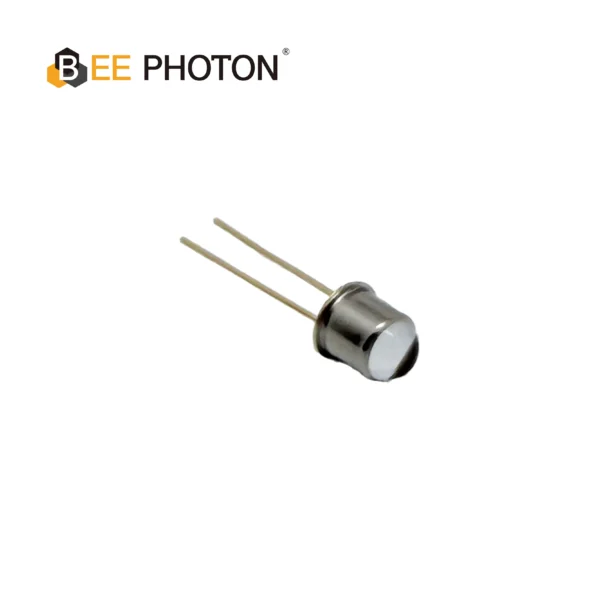
NIR-LED E850-180-201L4
Die E850-180-201L4 ist eine leistungsstarke 850nm NIR-LED für die industrielle Präzisionsmessung entwickelt. Hergestellt von Bienen-Photon, Dieser Infrarot-Strahler ist auf hohe Leuchtkraft und außergewöhnliche Stabilität ausgelegt und damit die ideale Lichtquelle für anspruchsvolle Automatisierungsumgebungen.
FAQ
F: Mit welchen Kosten sollte ich im Jahr 2026 für eine hochwertige 850-nm-NIR-LED mit hoher Strahldichte rechnen?
Bei Abnahmemengen von über 30.000 Stück liegt die realistische Preisgestaltung für Bauteile mit über 200 mW/sr und hoher Zuverlässigkeit derzeit bei $0,65 bis $1,25, abhängig von den exakten Spezifikationen und dem Gehäusetyp. Alles, was deutlich günstiger ist, spart in der Regel bei der Epitaxieschicht oder der Burn-in-Prüfung ein.
F: Können chinesische Anbieter die japanische Qualität bei NIR-LEDs wirklich erreichen?
In vielen Fällen ja – jedoch nur die besten 10-15% der Fabriken. Die führenden chinesischen LED-Hersteller haben massiv in Ausrüstung investiert, die jener von japanischen Werken der Mittelklasse ebenbürtig oder sogar überlegen ist. Der Abstand hat sich seit 2019 drastisch verringert. Wir haben zahlreiche Fälle beobachtet, in denen die chinesischen Komponenten das japanische Pendant in puncto Langzeitstabilität übertroffen haben.
F: Wie hoch ist die Mindestbestellmenge für 850nm NIR-LEDs mit kundenspezifischer Wellenlänge und hoher Strahldichte?
Die renommierteren Fabriken akzeptieren Mindestbestellmengen (MOQ) von 5.000 bis 10.000 Stück für kundenspezifisch sortierte Wellenlängen. Einige bieten sogar 3.000 Stück an, sofern Sie bereit sind, eine geringe Einrichtungsgebühr zu entrichten. Wer 50.000+ für eine kundenspezifische Spezifikation verlangt, ist entweder unzuverlässig oder versucht, veraltete Lagerbestände abzubauen.
F: Wie verifiziere ich, dass die Testdaten zum Lichtstromrückgang nicht gefälscht wurden?
Verlangen Sie eine Videoaufzeichnung der Testdurchführung oder beauftragen Sie ein unabhängiges Labor in China (wir können Ihnen einige empfehlen). Die besten Lieferanten ermöglichen es Ihnen, den ersten Burn-In-Lauf der Produktion per Videoanruf zu verfolgen. Sollten sie dies ablehnen, sehen Sie von einer Zusammenarbeit ab.
Sehen Sie, die Beschaffung von hochstrahldichten 850-nm-NIR-LEDs aus China muss nicht stressig sein. Der Unterschied zwischen Erfolg und Misserfolg hängt davon ab, zu wissen, welche Fragen man stellen muss und auf welche Warnsignale man achten sollte.
Wenn Sie es leid sind, mit Lieferanten russisches Roulette zu spielen, und Teile wollen, die in der Produktion tatsächlich Leistung bringen, können wir helfen. Egal, ob Sie Empfehlungen für bestimmte chinesische LED-Hersteller benötigen, ob wir die Testberichte Ihres aktuellen Lieferanten prüfen sollen oder ob Sie bereit sind, Preise für qualifizierte hochstrahldichten 850-nm-NIR-LEDs, kontaktieren Sie uns einfach Erreichen Sie unser Team.
Schreiben Sie uns eine Nachricht an info@photo-detector.com oder nutzen Sie das Kontaktformular. Nennen Sie uns Ihre Menge, die Ziel-Strahlstärke und die Anwendung. Wir geben Ihnen klare Antworten – kein Gerede, keine Standardantworten.
Wir haben Beschaffungsteams in ganz Europa und Nordamerika geholfen, Millionen dieser Teile zu beziehen. Wir freuen uns darauf, auch Ihr Projekt auf die Liste zu setzen.