Wenn Sie jemals eine Infrarot-LED stärker beansprucht haben, um eine höhere Leistung zu erzielen, haben Sie wahrscheinlich bemerkt, dass sie nicht immer so lange hält, wie es das Datenblatt versprochen hat. Das ist nicht einfach nur Pech – das ist die Physik, die die Marketingversprechen einholt. Als jemand, der in den letzten zwölf Jahren Sensorherstellern bei der Auswahl und dem Belastungstest von IR-Komponenten geholfen hat, habe ich gesehen, wie sich dasselbe Muster über verschiedene Branchen hinweg wiederholt.
Eine hohe Leuchtkraft klingt auf dem Papier großartig. Mehr Photonen bedeuten ein stärkeres Signal, eine bessere Erfassungsreichweite und eine schnellere Reaktion. Aber jedes Mal, wenn Sie den Strom hochdrehen, um diese zusätzlichen Milliwatt herauszuholen, bezahlen Sie an anderer Stelle dafür – meistens bei der Lebensdauer von Infrarotstrahlern.
Lassen Sie mich Ihnen erläutern, was tatsächlich passiert, wenn Sie Hochleistungs-LEDs mit erhöhten Betriebspegeln betreiben, warum die thermische Degradation von LEDs zum lautlosen Killer wird und was Sie in echten B2B-Sensorkomponenten dagegen tun können.
Warum ein hoher Betriebsstrom die Lebensdauer von Infrarotstrahlern verkürzt
Die meisten Ingenieure wissen, dass der Betrieb von LEDs bei höheren Temperaturen die Lebensdauer verkürzt. Aber nur wenige wissen, wie steil die Kurve wird, sobald man die “Komfortzone” verlässt.”
Die Faustregel, die viele immer noch verwenden, ist das alte Arrhenius-Modell: Die Lebensdauer halbiert sich in etwa bei jedem Anstieg der Sperrschichttemperatur um 10 °C. In der Praxis sehen wir bei modernen Hochleistungs-IR-LEDs eher eine Reduzierung von 40–45 % pro 10 °C, sobald man eine Sperrschichttemperatur von 85 °C überschreitet. Das ist fatal.
Hier ist eine vereinfachte Version der Lebensdauervorhersage, die die meisten Zuverlässigkeitsexperten tatsächlich verwenden:
L = L0 × (I/I0)^(-n) × exp((Ea/k) × (1/Tj – 1/T0))
Wo:
- L = erwartete Lebensdauer
- L0 = Nennlebensdauer unter Testbedingungen
- I = Betriebsstrom
- n = Strom-Beschleunigungsfaktor (normalerweise 1,5–3,0 für IR-LEDs)
- Ea = Aktivierungsenergie (etwa 0,4–0,6 eV für die meisten 850-nm- und 940-nm-Bauelemente)
- Tj = tatsächliche Sperrschichttemperatur
- k = Boltzmann-Konstante
Keine Sorge, Sie müssen dies nicht jedes Mal berechnen. Die Kernaussage ist einfach: Sowohl Strom als auch Temperatur beeinträchtigen die Lebensdauer massiv, und sie verstärken sich gegenseitig in ihrer Wirkung.
Praxisdaten, die Sie zum Nachdenken anregen werden
In einem ADAS-Projekt für die Automobilindustrie, das wir letztes Jahr unterstützt haben, wollte der Kunde ursprünglich seine 850-nm-Hochleistungs-LED mit 800 mA gepulst betreiben, um die Reichweite zu maximieren. Laut dem Datenblatt des Lieferanten war die L70-Lebensdauer mit 50.000 Stunden angegeben. Nachdem wir ein korrektes thermisches Modell erstellt und die tatsächliche Sperrschichttemperatur gemessen hatten (die unter ihrem Arbeitszyklus 112 °C erreichte), sank die prognostizierte Lebensdauer auf nur noch 9.800 Stunden.
Das ist eine Reduzierung um 80%.
Wir haben ähnliche Daten in den Bereichen Medizin, industrielle Sensorik und LiDAR-nahen Anwendungen gesammelt. Das Muster ist konsistent: Sobald man 60-70% der vom Hersteller angegebenen absoluten maximalen Stromstärke überschreitet, Lebensdauer von Infrarotstrahlern bricht die Leistung drastisch ein, sofern das thermische Design nicht hervorragend ist.

NIR-LED E850-25-001-L20
Der E850-25-001-L20 ist ein Hochleistungs 855nm NIR-LED entwickelt für anspruchsvolle industrielle Anwendungen. Hergestellt von Bee Photon, ist dieses Infrarotstrahler hat einen engen Abstrahlwinkel von 20 Grad und liefert eine hohe Strahlungsintensität von 25 mW/sr, die für Präzisionsmessungen geeignet ist. Das robuste Design sorgt für hohe Zuverlässigkeit und gleichbleibende Leistung über einen weiten Betriebstemperaturbereich.
Thermische Degradation bei LEDs: Der unsichtbare Feind
Hier ist das, was die meisten Datenblätter nicht klar kommunizieren.
Wenn eine IR-LED heiß läuft, geschehen mehrere Dinge gleichzeitig:
- Der Wirkungsgrad des Halbleiters sinkt (mehr Eingangsleistung wird in Wärme statt in Licht umgewandelt)
- Das Verkapselungsmaterial beginnt zu vergilben und Risse zu bilden
- Das Die-Attach-Lot oder Epoxid beginnt zu ermüden
- Die Metallmigration im Inneren des Chips beschleunigt sich
Diese Kombination bezeichnen wir als Thermische Degradation von LEDs. Und sobald dieser Prozess beginnt, verstärkt er sich selbst – eine geringere Effizienz bedeutet noch mehr Wärme, was die Degradation weiter beschleunigt.
Wir haben ausgefallene Emitter aus der Praxis zerlegt. Diejenigen, die unter hoher Last betrieben wurden, zeigen fast immer eine Delamination zwischen dem Die und dem Leadframe oder eine sichtbare Verbräunung der Silikonlinse. Dies sind keine plötzlichen Ausfälle. Sie verlaufen langsam, fortschreitend und schleichend – genau das, was man bei industriellen oder medizinischen Geräten, die jahrelang laufen sollen, nicht will.
Wie man die Zuverlässigkeit von IR-LEDs tatsächlich erhöht
Nachdem wir zu viele kostspielige Feldausfälle beobachtet hatten, haben wir ein praktisches Framework entwickelt, das unsere Kunden nun bei der Spezifizierung von B2B-Sensorkomponenten verwenden.
1. Wählen Sie den richtigen Stromstärken-Sweet-Spot
Verwenden Sie die Maximalwerte nicht mehr als Zielvorgaben. Bei den meisten 3535- oder 5050-Hochleistungs-IR-Gehäusen liegt der Sweet-Spot für eine lange Lebensdauer normalerweise bei 250–450 mA, selbst wenn das Datenblatt besagt, dass 1 A “möglich” sei. Der Unterschied im Strahlungsfluss zwischen 400 mA und 800 mA beträgt oft nur 60-70% mehr Licht, aber die Lebensdauer kann 4–6 Mal länger sein.
2. Achten Sie penibel auf den Wärmewiderstand
Der Wärmewiderstand vom Übergang zur Umgebung ist entscheidend. Wir sehen regelmäßig Designs, bei denen Ingenieure dachten, sie hätten eine “gute” Kühlung, weil sie eine Metallkern-Leiterplatte verwendeten, aber das Wärmeleitmaterial vergaßen oder eine schlechte Wärmespreizung hatten.
Die Ziel-Sperrschichttemperatur sollte für eine ernsthafte Langlebigkeit unter 85 °C bleiben. Unter 75 °C ist sogar noch besser, wenn Sie dies realisieren können.
Hier ist eine kurze Vergleichstabelle, die wir unseren Kunden zur Verfügung stellen:
| Betriebsstrom | Typische Tj (°C) | Erwartete L70 (Stunden) | Relativer Lichtstrom |
|---|---|---|---|
| 300mA | 68 | 65,000+ | 1.00x |
| 500mA | 82 | 38,000 | 1.45x |
| 800mA | 105 | 12,000 | 1.75x |
| 1000mA | 118 | 4,500 | 1.90x |
(Daten gemittelt aus mehreren 940nm 3535 Gehäusen, getestet 2022–2024)
3. Intelligente Ansteuerungstechniken
Konstantstrom ist nicht immer die klügste Wahl. Wir haben sehr gute Ergebnisse erzielt mit:
- Adaptiver Stromregelung basierend auf der Umgebungstemperatur
- Niedrigerem Strom bei höheren Pulsfrequenzen, sofern möglich
- Vermeidung langer Einschaltzeiten – kürzere Impulse bei gleichem Spitzenstrom laufen oft kühler
- Verwendung von Look-up-Tabellen im Mikrocontroller zur Stromreduzierung (Derating), wenn sich das System erwärmt
Ein Kunde aus der Medizintechnik senkte seine Ausfallrate in den ersten 18 Monaten von 4,7 % auf 0,3 %, allein durch die Implementierung eines aktiven thermischen Deratings. Sie verzichteten auf etwa 12 % der maximalen Reichweite, gewannen aber massiv an Zuverlässigkeit. Es hat sich gelohnt.
Material- und Gehäusewahl sind wichtiger, als man denkt
Nicht alle Infrarot-Emitter sind gleich, wenn es um den Betrieb mit hoher Leuchtkraft geht.
Gehäuse mit Keramiksubstrat sind Kunststoffgehäusen bei hohen Temperaturen meist deutlich überlegen. Golddrahtbonden übertrifft Kupfer in der Langzeitzuverlässigkeit. Zudem verwenden einige Hersteller wesentlich bessere Die-Attach-Materialien als andere.
Bei BeePhoton haben wir Dutzende von High-Luminosity-LED-Produkten verschiedener Anbieter unter identischen rauen Bedingungen getestet. Der Leistungsunterschied zwischen ’akzeptablen“ und ”exzellenten“ Emittern kann bei der Lebensdauer leicht den Faktor 3–5 ausmachen.
Wenn Sie tiefer in die tatsächlichen Optionen für Lichtquellen eintauchen möchten, die auch unter Belastung gute Leistungen erbringen, schauen Sie sich unsere Kategorie Lichtquellen durchsuchen.
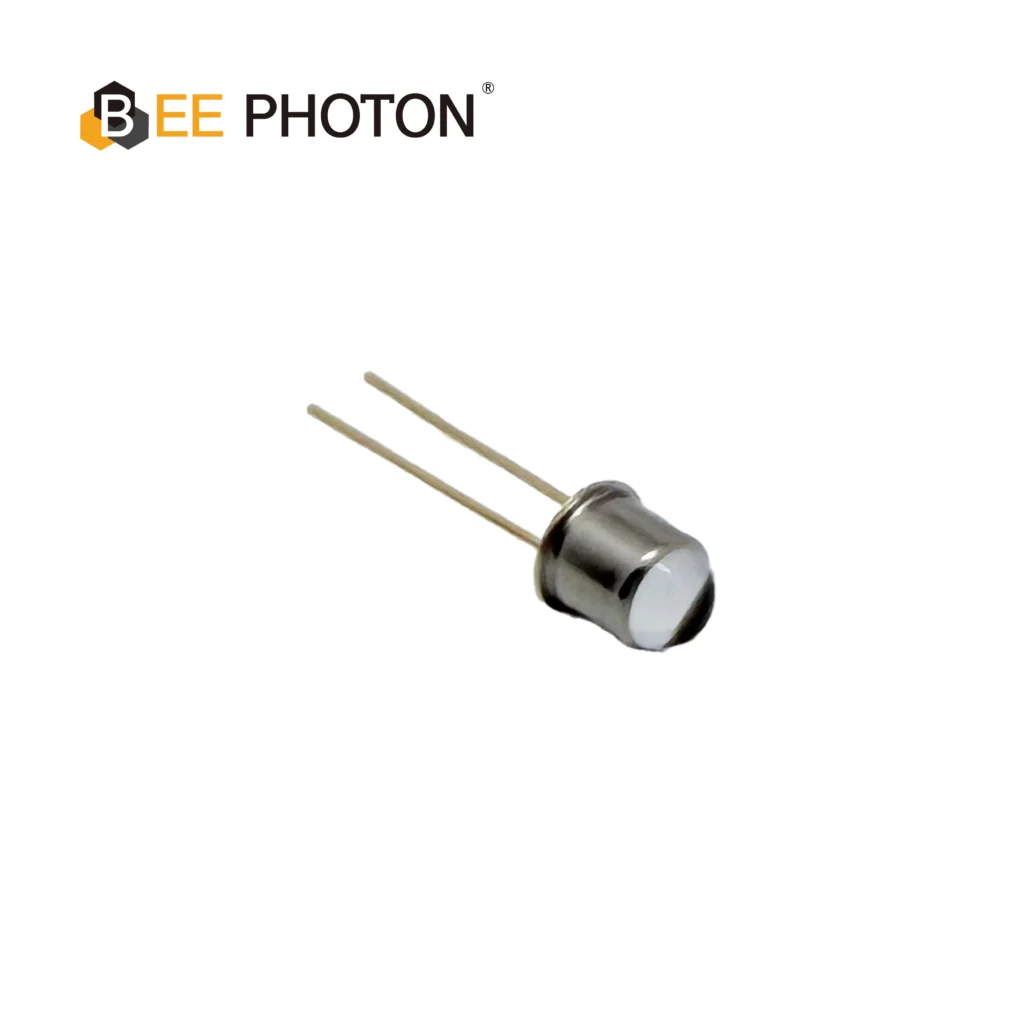
NIR-LED E850-180-201L4
Die E850-180-201L4 ist eine leistungsstarke 850nm NIR-LED für die industrielle Präzisionsmessung entwickelt. Hergestellt von Bee Photon, Dieser Infrarot-Strahler ist auf hohe Leuchtkraft und außergewöhnliche Stabilität ausgelegt und damit die ideale Lichtquelle für anspruchsvolle Automatisierungsumgebungen.
Fallstudie: Ein industrieller Gassensor, der nicht kaputtgehen wollte
Ein europäischer Kunde wandte sich an uns, nachdem seine bisherige Wahl des IR-Emitters in einem Methandetektionsprodukt immer wieder ausfiel. Rückläufer aus dem Feld belasteten ihre Margen massiv.
Wir ersetzten ihre 850nm 1W LED (betrieben bei 750mA) durch einen sorgfältig ausgewählten 940nm Emitter eines Premium-Lieferanten, senkten den Betriebsstrom auf 420mA, verbesserten den Wärmepfad und fügten eine einfache softwareseitige Leistungsreduzierung oberhalb einer Umgebungstemperatur von 55°C hinzu.
Das Ergebnis? Null Feldausfälle im Zusammenhang mit dem Emitter in den ersten 24 Monaten bei 18.000 eingesetzten Einheiten. Der Kunde profitierte tatsächlich von einer um 8% besseren Signalstabilität, da der Emitter nicht langsam degradierte.
Manchmal ist weniger tatsächlich mehr.
Ausbalancieren von Leistung und Lebensdauer – der ehrliche Kompromiss
Hier ist die unbequeme Wahrheit: Wenn Ihnen jemand sowohl maximale optische Leistung verspricht und long Lebensdauer von Infrarotstrahlern, verkauft er Ihnen wahrscheinlich etwas.
Die Physik lügt nicht. Hohe Leuchtkraft und extreme Langlebigkeit stehen in einem Spannungsverhältnis. Ihre Aufgabe als Entwickler ist es zu entscheiden, welcher Punkt auf dieser Kurve für Ihre tatsächliche Anwendung sinnvoll ist.
Militär und Luft- und Raumfahrt können es rechtfertigen, Komponenten mit massiven Kühlungsbudgets stärker zu belasten. Konsumgüter können das nicht. Die meisten Industriesensoren liegen irgendwo dazwischen.
Der Schlüssel liegt darin, diese Entscheidung sehenden Auges zu treffen, anstatt es erst herauszufinden, nachdem Ihr Produkt bereits achtzehn Monate im Einsatz ist.
Benötigen Sie Hilfe, um dies richtig umzusetzen?
Wenn Sie bei Ihrem aktuellen Design genau mit diesen Kompromissen kämpfen, schauen wir uns Ihre Anforderungen gerne an. Kontaktieren Sie uns unter info@photo-detector.com oder besuchen Sie unser Kontaktseite.
Wir haben bereits genügend Unternehmen bei der Lösung genau dieser Probleme unterstützt, sodass wir den entscheidenden Fehler in einem Sensordesign meist innerhalb von fünfzehn Minuten nach Sichtung der Schaltpläne und des thermischen Layouts erkennen können.
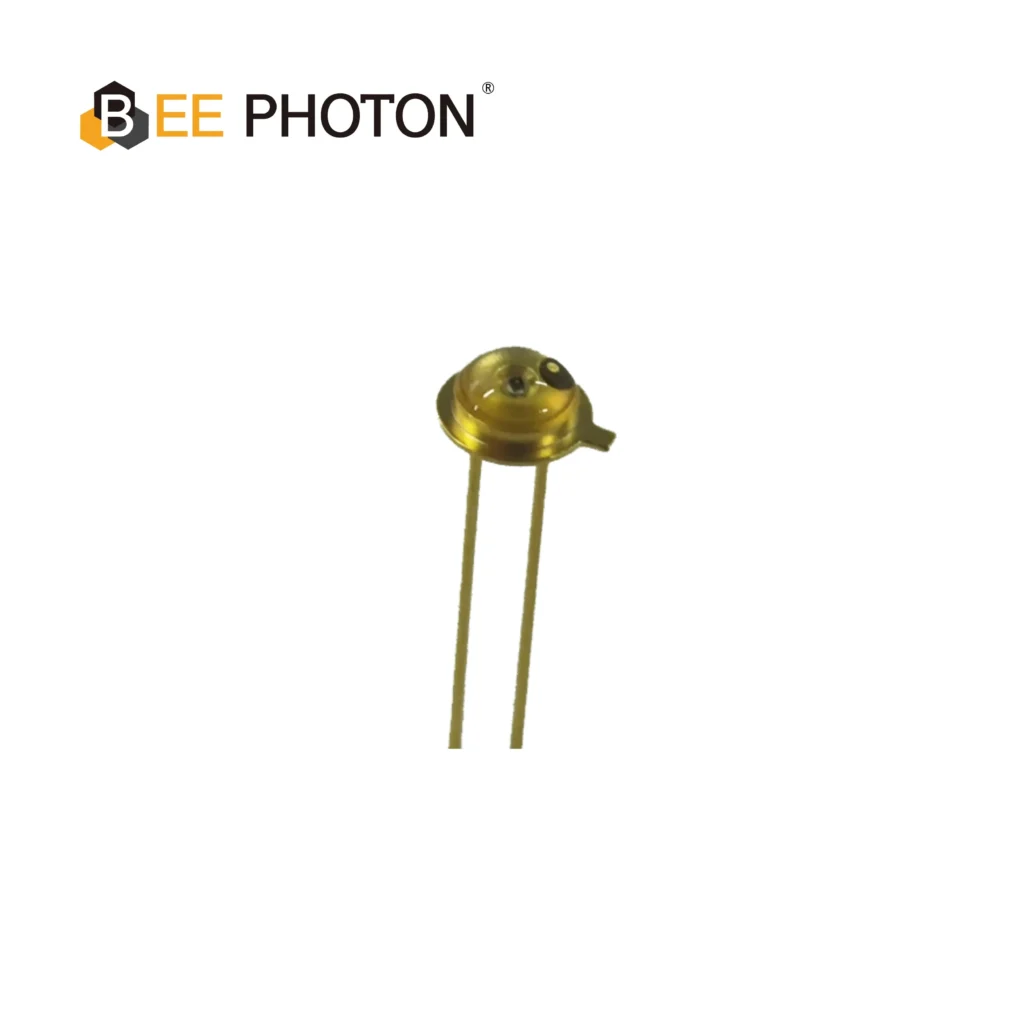
Lichtquelle LED-Serie E850-30-101
Die E850-30-101 ist ein hochstabiler 850nm-Infrarotstrahler im robusten 3mm-Dual-Inline-Package-LED-Format für einfache Leiterplattenmontage und überragende Haltbarkeit. Mit einem schmalen Abstrahlwinkel von 20° und einer Strahlungsintensität von 30 mW liefert diese Dual In-line Package LED eine präzise und helle Leistung und ist damit die ideale Lichtquelle für optische Schalter, industrielle Sensorik und anspruchsvolle Automatisierungsanwendungen.
FAQ
Wie stark beeinflusst die Sperrschichttemperatur tatsächlich die Lebensdauer von Infrarot-Emittern?
Eine Erhöhung der Sperrschichttemperatur um 20 °C über 75 °C hinaus kann die Lebensdauer leicht um die Hälfte oder mehr verkürzen. Wir haben bei einigen Gehäusen eine Reduzierung von bis zu 70% gemessen. Aus diesem Grund ist ein ordnungsgemäßes thermisches Design bei der Verwendung von Hochleistungs-LEDs (High Luminosity LED) nicht optional.
Ist es besser, eine einzelne Hochleistungs-Infrarot-LED am Limit zu betreiben oder mehrere LEDs mit geringerer Leistung zu verwenden?
In den meisten Fällen führt der Einsatz von 2–4 moderat betriebenen Emittern zu einer deutlich besseren kombinierten Lebensdauer und oft zu einer besseren optischen Leistung als ein einzelner Emitter, der an seine Belastungsgrenze getrieben wird. Der Vorteil bei der Wärmeverteilung ist enorm.
Kann ein gutes Treiberdesign den Betrieb bei hohen Strömen kompensieren?
Es hilft, aber es kann keine Wunder bewirken. Ein großartiger Treiber mit schlechtem thermischen Design wird dennoch versagen. Die Kombination aus exzellentem Thermomanagement und intelligenter Ansteuerung (Derating, Pulssteuerung, Temperaturrückführung) kann die Zuverlässigkeit von IR-LEDs jedoch selbst bei höheren Helligkeitsstufen drastisch verbessern.