
Cuando sella un sensor industrial dentro de una carcasa ajustada, rápidamente se da cuenta de que disipación de calor del LED rojo de 625 nm será su mayor obstáculo. Pasas semanas perfeccionando la ruta óptica, diseñando una carcasa a prueba de balas con clasificación IP67 y eligiendo el fotodetector perfecto. Enciende el prototipo en su banco y todo se ve hermoso. Pero luego, después de unas horas de funcionamiento continuo dentro de una carcasa de máquina caliente en una fábrica, su brillante haz rojo comienza a verse como una vela triste y tenue.
¿El culpable? Adivinaste. Pasaste por alto completamente las realidades físicas de disipación de calor del LED rojo de 625 nm.
Los diodos emisoras de luz roja, particular aquellos que operan alrededor de la longitud de onda dominante de 625nm, son notoriamente sensibles al estrés térmico. A diferencia de sus primos azules y blancos resistentes, los chips rojos no toleran altas temperaturas. Si no prioriza disipación de calor del LED rojo de 625 nm desde el principio, la vida útil de su sensor se reducirá drásticamente y su salida óptica sufrirá pérdidas masivas. En esta guía, profundizaremos en la física de los semiconductores de los LEDs rojos, mapearemos las matemáticas de la transferencia térmica y compartiremos un marco práctico y del mundo real para mantener sus sensores frescos y confiables.
¿Por qué la disipación de calor de LED rojo de 625nm es diferente?
A diferencia de los LEDs azules o blancos, los emisores rojos requieren un enfoque completamente diferente para disipación de calor del LED rojo de 625 nm. Para entender por qué, debemos mirar de cerca el material semiconductor en sí. La mayoría de los LEDs de alta potencia, verdes y blancos se fabrican usando Nitruro de Indio y Galio (InGaN). InGaN es un sistema de material altamente resiliente. Incluso cuando las temperaturas de unión superan los 100 grados Celsius, los chips InGaN mantienen una salida óptica relativamente estable.
Los LEDs rojos, por otro lado, se construyen usando Fosfuro de Aluminio, Galio e Indio (AlGaInP). Este material se comporta completamente diferente. La física de AlGaInP dicta que disipación de calor del LED rojo de 625 nm es un factor crítico debido al relativamente pequeño desplazamiento de banda entre los pozos cuánticos activos y las capas de cladding.
Cuando la temperatura de un chip AlGaInP sube, los electrones que deberían recombinarse para producir luz realmente se energizan lo suficiente como para escapar de la región activa del pozo cuántico. Esta fuga de portadores es un enorme drenaje térmico. En lugar de convertir la corriente eléctrica en fotones, los electrones fugados generan calor adicional. Esto significa que cualquier diseño que carezca de una adecuada disipación de calor del LED rojo de 625 nm sufrirá un gran rendimiento térmico. Es un ciclo vicioso y autoreforzador: un pobre disipación de calor del LED rojo de 625 nm lleva a temperaturas de unión más altas, lo que causa más fuga de portadores, lo que a su vez genera aún más calor.
Además, las propiedades del material de AlGaInP hacen que disipación de calor del LED rojo de 625 nm sea un objetivo móvil debido a los desplazamientos espectrales. Por cada aumento de 10 grados Celsius en la temperatura de unión, la longitud de onda de emisión pico se desplaza hacia el rojo en aproximadamente 1.3 a 1.5 nanómetros. Cuando su longitud de onda se desplaza de 625nm a 635nm, es una señal de que su disipación de calor del LED rojo de 625 nm estrategia ha fallado. Este desplazamiento puede hacer que su sensor sea infuncional si su sistema depende de filtros de banda óptica estrechos para bloquear la luz ambiental. Esto significa que no dominar disipación de calor del LED rojo de 625 nm puede hacer que su sensor deje de funcionar por completo, incluso si el LED sigue brillando.

LED rojo E628-10-201L4
LED rojo de 625 nm de alto rendimiento para aplicaciones ópticas de precisión
En E628-10-201L4 de Bee Photon es una LED rojo de 625 nm diseñada para ofrecer una gran luminosidad y una fiabilidad excepcional en aplicaciones industriales exigentes. Diseñada con un ángulo de emisión estrecho de 4 grados, esta Emisor LED rojo de alta potencia proporciona una salida de luz focalizada, lo que la convierte en la solución perfecta para tareas de detección y señalización óptica de precisión en las que la exactitud es primordial.
La física de AlGaInP y la disipación de calor de LED rojo de 625nm
En dispositivos AlGaInP, el desplazamiento de la banda de conducción es pequeño, lo que hace que sea disipación de calor del LED rojo de 625 nm absolutamente crítico. Por eso nos enfocamos fuertemente en disipación de calor del LED rojo de 625 nm para prevenir la fuga de portadores de los pozos cuánticos activos. Si descuidas disipación de calor del LED rojo de 625 nm, tu eficiencia eléctrica caerá, convirtiendo aún más corriente en calor.
Para predecir cómo se comporta tu sistema, debes modelar disipación de calor del LED rojo de 625 nm utilizando una red básica de resistencia térmica. Esta fórmula térmica clásica es central para comprender disipación de calor del LED rojo de 625 nm restricciones:
T_unión = T_ambiente + P_disipada * (R_térmica_unión_a_carcasa + R_térmica_carcasa_a_disipador + R_térmica_disipador_a_ambiente)
Desglosemos cada término de esta fórmula para entender cómo afecta nuestro diseño:
- T_unión (T_j): La temperatura real del semiconductor. Para la mayoría de los LED rojos de alta calidad, esto debe permanecer por debajo de 125 grados Celsius para evitar una degradación rápida.
- T_ambiente (T_a): La temperatura del aire que rodea tu sensor. En una oficina con aire acondicionado, esto es de 25 grados Celsius. Dentro de una sala de máquinas CNC caliente, puede alcanzar fácilmente 55 grados Celsius.
- P_disipada (P_d): La carga térmica real en vatios. Al evaluar disipación de calor del LED rojo de 625 nm, debemos calcular la temperatura exacta del nudo del AlGaInP basada en la pérdida térmica real, no solo en la potencia bruta.
- R_térmica_unión_a_carcasa (R_th_j-c): La resistencia térmica desde el nudo hasta el almohadilla térmica del empaque del LED. Este es un valor fijo proporcionado por el fabricante. Para LED rojos de alto rendimiento, suele estar entre 5 y 10 K/W.
- R_térmica_carcasa_a_disipador (R_th_c-s): La resistencia térmica de tu placa de circuito impreso y material de interfaz térmica (TIM). Esta es el área donde tienes el mayor control de diseño.
- R_térmica_disipador_a_ambiente (R_th_s-a): La resistencia térmica desde su disipador o carcasa hasta el aire exterior.
Para calcular la carga térmica real, este cálculo de potencia es el punto de partida de cualquier disipación de calor del LED rojo de 625 nm simulación:
P_disipada = I_directa * V_directa * (1 - WPE)
Donde WPE es la Eficiencia de Enchufe-En-Parapeto (Wall-Plug Efficiency) del LED. Para un LED rojo de alta luminosidad de 625 nm, el WPE es sorprendentemente bajo: a menudo solo alrededor de 20 % a 25 %. Esto significa que entre el 75 % y el 80 % de la potencia eléctrica que inyecta al LED se convierte directamente en calor. Si acciona un LED rojo a 350 mA con un voltaje directo de 2,2 V, su potencia de entrada eléctrica es de 0,77 vatios. Con un WPE del 20 %, su carga térmica real es:
P_dissipated = 0,35 * 2,2 * (1 - 0,20) = 0,616 vatios
Aunque 0,6 vatios puede parecer poco, en una carcasa de sensor pequeña y sellada sin refrigeración activa, este calor se acumulará rápidamente.
Disipación de calor de LED rojo de 625 nm en carcasas selladas
Los sensores industriales suelen estar sellados, lo que hace que la disipación de calor sea disipación de calor del LED rojo de 625 nm increíblemente difícil debido a la falta de flujo de aire. No puede usar ventiladores de refrigeración ni ranuras de ventilación abiertas. En estos entornos sellados, la refrigeración pasiva disipación de calor del LED rojo de 625 nm is your only real design option. If you don’t design a direct conductive path, your disipación de calor del LED rojo de 625 nm dependerá del aire atrapado, lo cual es un desastre.
Let’s walk through a realistic calculation of disipación de calor del LED rojo de 625 nm en una carcasa IP67. Imagine un sensor óptico montado en una línea de producción industrial. La temperatura ambiente interna de la maquinaria circundante es de 50 grados Celsius. El diseñador de hardware, intentando ahorrar unos centavos, monta un LED rojo de alta luminosidad en una placa estándar de dos capas de FR4. La placa simplemente se atornilla a un soporte de montaje de plástico dentro de la carcasa de plástico.
Without proper thermal planning, let’s look at how the thermal resistance network adds up:
- R_térmica_unión_a_carcasa = 10 K/W
- R_thermal_case_to_sink (a través de FR4 hacia el aire dentro de la carcasa) = 120 K/W
- R_thermal_sink_to_ambient (desde la carcasa plástica sellada hacia el aire exterior) = 90 K/W
Let’s plug these values into our junction temperature formula:
T_unión = 50 + 0.616 * (10 + 120 + 90)T_unión = 50 + 0.616 * 220T_unión = 50 + 135.5 = 185.5 grados Celsius
A 185.5 grados Celsius, el material AlGaInP está más allá de sus límites. Los pozos cuánticos internos experimentarán una fuga masiva de portadores, reduciendo tu salida de luz en más de 70% en segundos. En pocas semanas de operación continua, el encapsulado de epoxi se volverá amarillo, y el LED se quemará. Por eso, ignorar la ruta termodinámica básica es un error fatal en el diseño de sensores industriales.
Para corregir esto, debes desviar el aire dentro de la carcasa y crear una ruta conductiva directa hacia la superficie metálica externa. Si la carcasa es de plástico, necesitas un inserto de metal o una ruta térmica dedicada. Si la carcasa es de aluminio, debes montar tu PCB directamente sobre el cuerpo metálico. Esto redefine completamente tu rendimiento térmico, bajando R_piscina_ambiental a menos de 20 K/W.
Opciones de material del sustrato para la disipación de calor de LED rojo de 625nm
La elección del material de la placa es el factor más importante en disipación de calor del LED rojo de 625 nm. El FR4 estándar es completamente inútil cuando se trata de disipación de calor del LED rojo de 625 nm a altas corrientes. Su conductividad térmica es miserable de 0.25 W/mK. Si intentas hacer funcionar LED rojos de alta corriente en una placa FR4 estándar sin modificaciones, destruirás el dispositivo.
Esta tabla de comparación muestra cómo diferentes sustratos de placa manejan disipación de calor del LED rojo de 625 nm rutas:
| Material del sustrato | Conductividad térmica (W/mK) | Resistencia térmica típica (K/W) | Coste relativo | Recomendación para la disipación de calor de LED rojo de 625nm |
|---|---|---|---|---|
| FR4 estándar | 0.25 | 50 – 100 | Muy bajo | Evitar completamente para LED rojos de alta potencia |
| FR4 con vias térmicas | 3.0 – 10.0 | 15 – 30 | Bajo | Aceptable solo para diseños de baja potencia o pulsados |
| MCPCB de aluminio | 1.0 – 3.0 | 5 – 10 | Medio | Excelente línea base para sensores industriales |
| MCPCB de cobre | 400 (base) | 1 – 2 | Alta | Mejor rendimiento para espacios extremadamente reducidos y sellados |
| Cerámica de alúmina (Al₂O₃) | 24 – 30 | 2 – 4 | Alta | Confiabilidad excepcional para entornos hostiles |
| Nitruro de aluminio (AlN) | 170 – 200 | < 1 | Muy alta | Elección definitiva para matrices de alta densidad de potencia |
Actualizar a una placa de núcleo metálico es la forma más sencilla de resolver sus disipación de calor del LED rojo de 625 nm cuellos de botella. Cambiar a una placa de circuito impreso de núcleo metálico de aluminio (MCPCB) mejora drásticamente el flujo térmico al ofrecer una ruta diez a cincuenta veces más conductiva que el FR4 estándar.
A menudo usamos MCPCB de cobre cuando necesitamos máxima disipación de calor del LED rojo de 625 nm disipación térmica en la menor huella posible. El cobre tiene una conductividad térmica de casi 400 W/mK, lo que permite que el calor se disipe lateralmente lejos de la pequeña huella del LED mucho más rápido que el aluminio. Esta rápida dispersión del calor es vital porque maximiza el área efectiva de su material de interfaz térmica.
Si está buscando fuentes de soluciones de fuente de luz preingenierizadas o personalizadas que ya incorporen estos sustratos de alto rendimiento, puede explorar las opciones de fuente de luz industrial de alto rendimiento en nuestro catálogo de productos. Elegir un módulo preoptimizado puede ahorrarle meses de prototipado térmico.
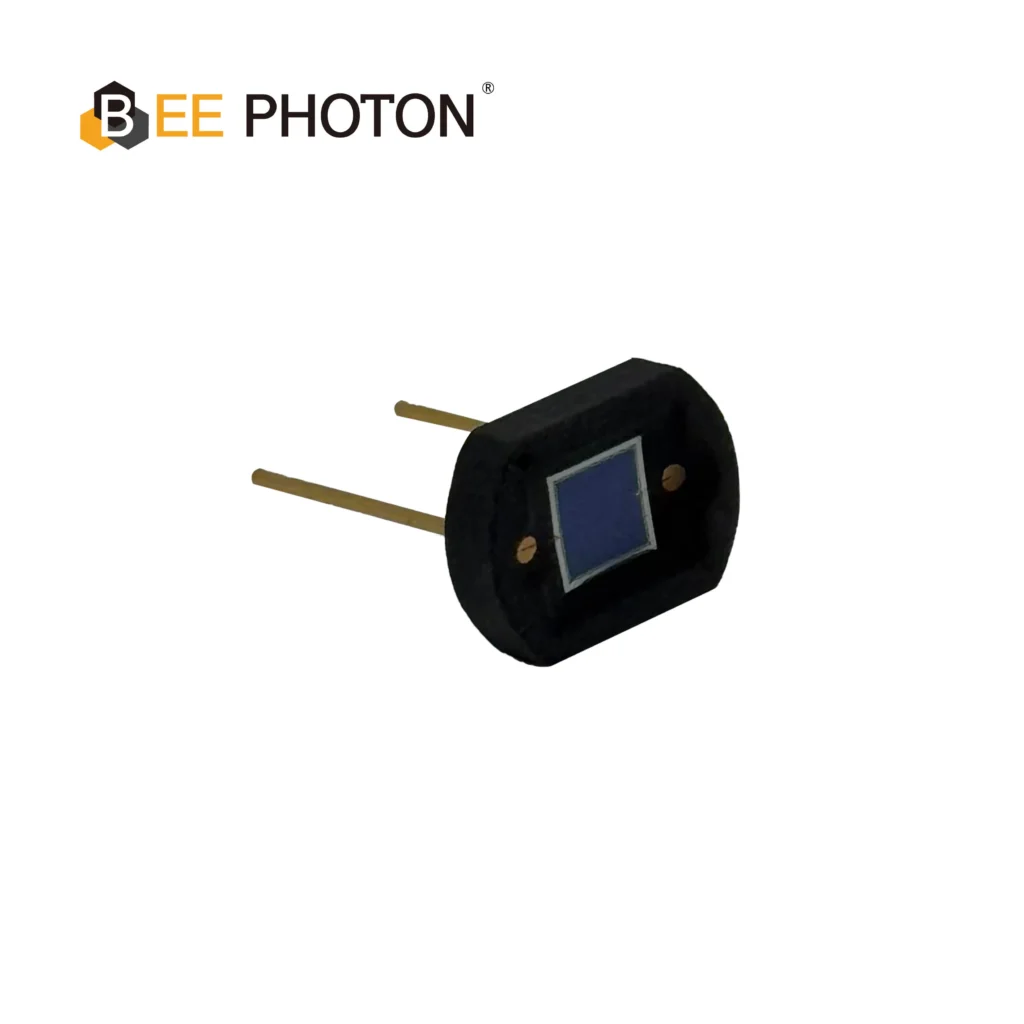
Fotodiodo PIN de Si con baja corriente oscura (350-1060nm) PDCD07-001
Experimente un rendimiento superior con nuestro fotodiodo PIN de Si de alta velocidad. Con una baja corriente oscura y un amplio rango espectral de 350-1060 nm, garantiza una transmisión de datos rápida y fiable. Este fotodiodo PIN de Si de alta velocidad empaquetado en DIP es la opción ideal para sistemas de comunicación óptica de gran ancho de banda.
El impacto de los materiales de interfaz térmica en la disipación de calor del LED rojo de 625 nm
Elegir la pasta o almohadilla térmica adecuada es crucial para el éxito disipación de calor del LED rojo de 625 nm. Incluso si utiliza una MCPCB de cobre de alta gama, su ruta térmica se verá afectada si utiliza un material de interfaz térmica (TIM) deficiente. La rugosidad superficial microscópica de las superficies metálicas significa que cuando presiona dos placas metálicas juntas, solo aproximadamente 1% del área superficial está realmente en contacto. El resto es aire atrapado, que actúa como una barrera térmica.
Una almohadilla térmica barata y gruesa puede arruinar completamente un plan de otro modo excelente disipación de calor del LED rojo de 625 nm Para optimizar disipación de calor del LED rojo de 625 nm, buscamos la capa más delgada posible de grasa de alta conductividad. Veamos las principales opciones disponibles:
- Grasa térmica (silicona o no silicona): Esto ofrece la línea de unión más delgada posible y excelente conductividad térmica (típicamente de 3 a 8 W/mK). Es la mejor opción absoluta para interfaces metal-a-metal, pero puede ser desordenada durante el ensamblaje a gran escala.
- Materiales de cambio de fase (PCM): Estos materiales son sólidos a temperatura ambiente pero se derriten y fluyen hacia las grietas microscópicas una vez que el LED se calienta. Ofrecen un rendimiento comparable a la grasa térmica con un ensamblaje mucho más limpio, lo que los hace ideales para la producción en gran escala.
- Almohadillas térmicas: Estas son almohadillas gruesas y blandas. Aunque son muy fáciles de instalar, tienen una resistencia térmica relativamente alta. Úsalas solo si debes cubrir una brecha mecánica amplia.
Al diseñar tu stack-up mecánico, asegúrate siempre de que haya suficiente presión de montaje. Sin suficiente presión, el material de interfaz térmica no puede desplazar el aire atrapado, haciendo que tus cálculos térmicos sean completamente inútiles en la práctica.
Consecuencias ópticas de la disipación de calor inadecuada del LED rojo de 625nm
What happens to your sensor’s performance if you ignore disipación de calor del LED rojo de 625 nm? A medida que la temperatura aumenta, la mala disipación de calor del LED rojo de 625 nm provoca que la señal óptica se degrade. Aquí es donde la mayoría de los ingenieros se llevan una sorpresa. Puedes diseñar un sistema donde la ruta térmica sea apenas suficiente para evitar que el LED se queme, pero olvidas que el receptor óptico espera una longitud de onda muy específica.
As junction temperature increases, the energy bandgap of the AlGaInP material shrinks. This bandgap narrowing causes a pronounced shift in the emission spectrum. Let’s write down the wavelength shift formula:
Desplazamiento_de_Longitud_de_Onda = Coeficiente_T * (T_unión - 25)
Para un LED rojo AlGaInP típico, el coeficiente de temperatura es aproximadamente 0,14 nanómetros por grado Celsius. Si la temperatura de la unión aumenta de 25 grados Celsius a 105 grados Celsius, las matemáticas muestran:
Desplazamiento_de_Longitud_de_Onda = 0,14 * (105 - 25) = 11,2 nanómetros
Tu LED de 625nm ahora está emitiendo luz a 636,2nm.
En sensores fotoeléctricos industriales de alto rendimiento, los diseñadores colocan filtros de paso de banda estrechos sobre el receptor para bloquear la iluminación ambiental de la fábrica y el ruido de alta frecuencia. Si tu filtro óptico está centrado en 625nm con un paso de banda de +/- 5nm, tu luz desplazada a 636,2nm será completamente bloqueada por el filtro. El sensor reportará un fallo, aunque el LED esté físicamente encendido y brillando. Esto convierte disipación de calor del LED rojo de 625 nm un problema óptico, no solo una preocupación de confiabilidad térmica.
Additionally, hot AlGaInP chips suffer from a severe drop in relative light output. At a junction temperature of 100 degrees Celsius, a red LED only produces about 60% of the light output it does at room temperature. If you do not prioritize thermal management, your sensor’s operating range will shrink dramatically as the system warms up.
Cómo validamos la disipación de calor del LED rojo de 625nm en el laboratorio
Seré brutalmente honesto aquí: la mayoría de los paquetes de software de simulación térmica 3D de alta gama son una pérdida de tiempo enorme para diseños básicos de sensores 90%. Los académicos los aman porque generan hermosos gráficos de colores, pero en el mundo real, una simple hoja de cálculo con una red de resistencia térmica 1D te llevará a estar dentro de 5% de la temperatura real en unos diez minutos. En lugar de pasar tres días configurando límites de malla complejos en software FEA, puedes construir un prototipo físico y medirlo directamente.
Pero, ¿cómo mides la temperatura de la unión? No puedes verificar disipación de calor del LED rojo de 625 nm simplemente mirando el exterior de tu sensor con una cámara IR. La lente de silicona del LED bloquea la radiación infrarroja, y la cámara térmica solo mide la temperatura de la superficie exterior, no la unión del semiconductor interno.
Usamos el método de voltaje directo transitorio para obtener una lectura real de disipación de calor del LED rojo de 625 nm. El voltaje directo de un diodo semiconductor disminuye linealmente a medida que aumenta la temperatura. Al medir esta pequeña caída de voltaje, podemos usar el propio LED como un termómetro interno altamente preciso.
Este proceso de laboratorio nos proporciona datos reales y físicos sobre nuestro disipación de calor del LED rojo de 625 nm rendimiento:
- Calibración: Colocamos el sensor sin alimentación dentro de un horno de control de temperatura altamente preciso. Aplicamos un pulso de corriente diminuto y no calentador (típicamente 1 mA) para medir el voltaje directo a 25, 50, 75 y 100 grados Celsius. Esto nos proporciona una Curva de Calibración altamente precisa (típicamente alrededor de -2 mV/°C).
- Prueba de Equilibrio Térmico: Sacamos el sensor del horno, lo alimentamos a su corriente de operación completa (por ejemplo, 350 mA) dentro de su carcasa sellada y lo dejamos funcionar hasta que la temperatura se estabilice por completo.
- Medición: Cambiamos rápidamente la corriente desde la alta corriente de operación de vuelta al pulso de detección de 1 mA y registramos el voltaje directo en caliente.
- Analysis: Utilizando nuestra curva de calibración, traducimos este voltaje en caliente a una temperatura exacta de la unión.
We used this exact method to solve a client’s chronic disipación de calor del LED rojo de 625 nm fallas en una fábrica automotriz en condiciones de alta temperatura. Sus cortinas de seguridad luminosas fallaban constantemente en los días calurosos de verano. El diseñador original había montado un LED rojo de alta potencia en una placa FR4 económica sin acoplamiento térmico alguno con el soporte exterior de aluminio.
Nuestro equipo en BeePhoton intervino. Rediseñamos la PCB interna utilizando un MCPCB de aluminio, seleccionamos una de nuestras fuentes de luz optimizadas y resistentes térmicamente, y especificamos un TIM de cambio de fase de alto rendimiento. Cuando probamos el nuevo prototipo utilizando el método de voltaje directo, la resistencia térmica de la unión al ambiente descendió de un elevado 125 K/W a solo 22 K/W. El desplazamiento de la longitud de onda pico se redujo a menos de 2 nm, eliminando por completo los problemas de caída de señal del sensor.
Lista de Verificación de Ingeniería para la Disipación de Calor del LED Rojo de 625 nm
Aquí tienes una guía de referencia rápida para ayudarte a optimizar disipación de calor del LED rojo de 625 nm en tu próximo proyecto:
- Evita FR4 estándar: Si tu corriente de operación supera los 100 mA, utiliza un MCPCB de aluminio como línea base inicial.
- Maximiza el grosor del cobre: Especifica cobre de 2 oz en lugar del cobre estándar de 1 oz. Las capas de cobre más gruesas ayudan a dispersar el calor de manera lateral, lo cual es crucial para una transferencia de calor eficiente.
- Diseña una ruta metálica directa: Si estás utilizando una carcasa metálica, asegúrate de que tu MCPCB tenga contacto directo con la carcasa metálica. No permitas que el aire actúe como aislante.
- Elige el TIM adecuado: Utiliza una capa delgada de grasa térmica de alta conductividad o un material de cambio de fase en lugar de almohadillas térmicas gruesas y de baja eficiencia.
- Calcula la deriva térmica: Do the math on wavelength shift and make sure your optical receiver’s bandpass filter is wide enough to handle the drift.
- Mantén las vías térmicas cortas: Cuanto menor sea la distancia física desde la almohadilla térmica del LED hasta el exterior de la carcasa, mejor será tu eficiencia térmica.
- Prueba con el método V_f: No te confíes solo de cámaras térmicas o simulaciones básicas. Usa el método de voltaje transitorio directo para verificar tu temperatura real de unión.
Prioriza siempre la conducción sobre la convection al tratar con disipación de calor del LED rojo de 625 nm. El aire es un terrible conductor térmico; debes diseñar una vía de conducción sólida y directa hacia el exterior.
Esperamos que esta guía sobre disipación de calor del LED rojo de 625 nm te ayude con tu próximo proyecto de hardware. Diseñar sistemas optoelectrónicos confiables requiere una comprensión profunda de la gestión térmica.
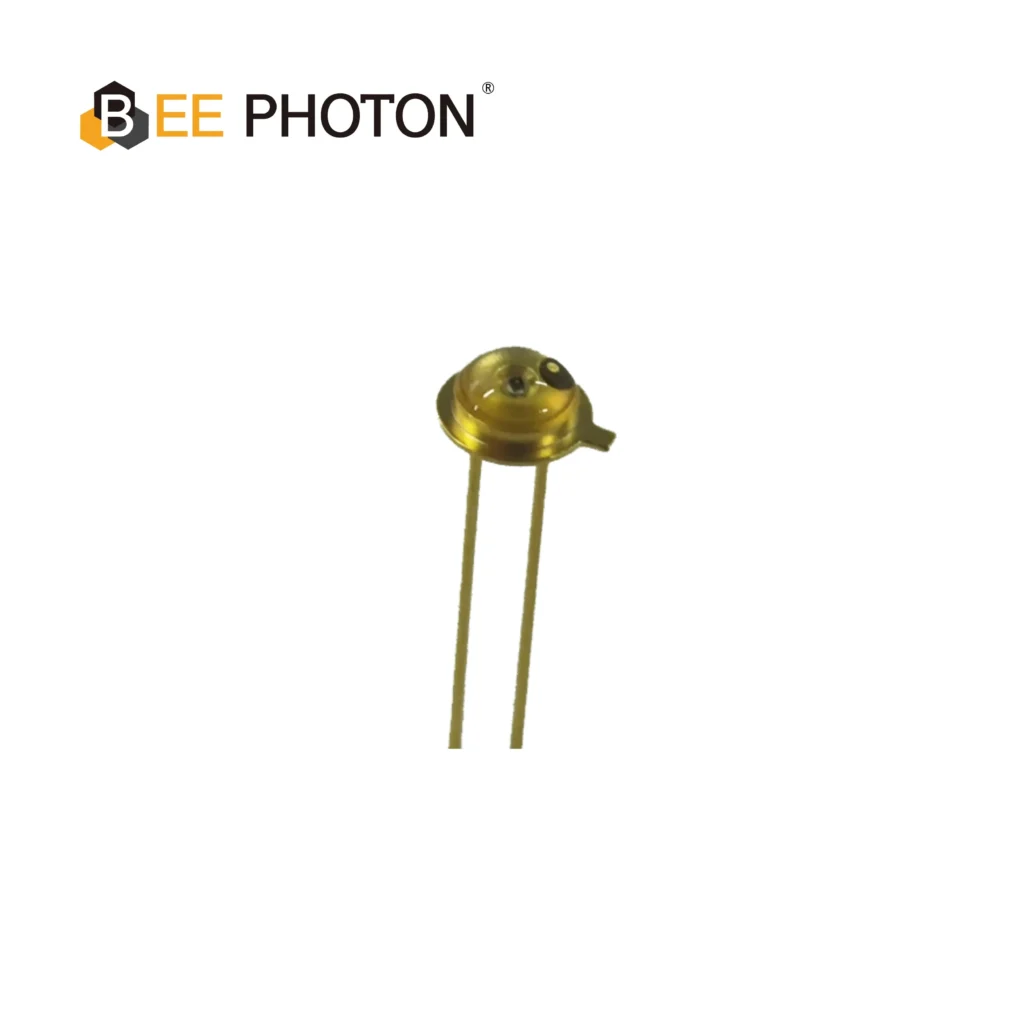
Fuente de luz LED serie E660-10-001
Nuestro LED envasado en plástico en formato SMD garantiza una gran uniformidad para el montaje automatizado. Este LED moldeado en resina ofrece una alta fiabilidad para diversas aplicaciones industriales.
Resolvamos tus desafíos térmicos juntos
¿Te cansas de ver que tus sensores ópticos pierden rango y fiabilidad cuando las cosas se calientan en la planta de fabricación? Manejar la fuga de portadores, el desplazamiento espectral y la degradación térmica puede ser increíblemente frustrante.
En BeePhoton, diseñamos nuestros productos optoelectrónicos con un enfoque en la robustez disipación de calor del LED rojo de 625 nm. Nuestro equipo de ingeniería tiene décadas de experiencia diseñando fuentes de luz de alto rendimiento y detectores ópticos que resisten las aplicaciones industriales más exigentes. Ya sea que necesites un diseño personalizado de MCPCB de aluminio, soporte de simulación térmica o componentes de alto rendimiento, podemos ayudarte a optimizar tu próximo diseño.
Para explorar cómo construimos componentes de alta fiabilidad, visita nuestra página principal de BeePhoton. También puedes navegar por nuestra especialización opciones de fuente de luz industrial de alto rendimiento para encontrar el punto de partida perfecto para tu próximo diseño. Si necesitas asesoramiento personalizado sobre disipación de calor del LED rojo de 625 nm, no dudes en contactar. Puedes contactar directamente a nuestro equipo de ingeniería óptica para presentar un dibujo, hacer una pregunta técnica o solicitar un presupuesto personalizado de gestión térmica. Nuestros ingenieros se especializan en optimizar disipación de calor del LED rojo de 625 nm para aplicaciones de alta fiabilidad, y nos encantaría ayudarte a construir un producto más fresco y resistente.
Preguntas frecuentes: Preguntas comunes sobre la disipación de calor de LED rojo de 625nm
¿Cómo afecta la temperatura ambiente a la disipación de calor de los LED rojos de 625 nm?
La temperatura ambiente actúa como la línea base para su sistema térmico. Dado que la transferencia térmica depende totalmente de la diferencia de temperatura entre la unión del LED y el aire exterior, una temperatura ambiente elevada reduce la tasa de transferencia de calor, razón por la cual la temperatura ambiente afecta directamente a su disipación de calor del LED rojo de 625 nm eficiencia. Si la temperatura ambiente dentro de una fábrica aumenta 20 grados centígrados, la temperatura de unión de su LED también aumentará exactamente 20 grados centígrados, a menos que mejore activamente su vía térmica.
¿Pueden las vías térmicas en FR4 gestionar la disipación de calor de un LED rojo de 625 nm?
Sí, puede utilizar vías térmicas en una placa FR4 estándar, pero normalmente no son suficientes para altas corrientes disipación de calor del LED rojo de 625 nm. Aunque perforar vías y rellenarlas con cobre o soldadura ayuda a transferir el calor a la parte posterior de la placa, la conductividad térmica general del FR4 sigue siendo muy deficiente. Si está operando sus LED rojos a 350 mA o más, un MCPCB de aluminio es una opción mucho más segura y confiable para proteger la unión del semiconductor.
¿Cuál es la temperatura máxima de unión para una disipación de calor segura en un LED rojo de 625 nm?
Para la mayoría de los LED rojos AlGaInP de alta luminosidad, la temperatura de unión nominal máxima absoluta es de 125 a 150 grados Celsius. Sin embargo, para garantizar un funcionamiento seguro y a largo plazo disipación de calor del LED rojo de 625 nm y evitar una degradación rápida, debe diseñar considerando un margen de seguridad y mantener la temperatura de unión objetivo por debajo de los 90 a 100 grados Celsius en las condiciones de funcionamiento más desfavorables. Cada reducción de 10 grados Celsius en la temperatura de unión duplica aproximadamente la vida útil del LED.


