
Picture this: you’re in a busy factory floor, and you need to check the temp of a red-hot metal piece without getting too close. Or maybe in a hospital, keeping tabs on a patient’s fever without touching them. That’s where non-contact temperature measurement comes in handy. It’s all about using infrared stuff to get readings from afar, and it’s a game-changer for engineers like you who deal with tricky spots in industry or medicine.
I’ve been tinkering with this tech for years, and let me tell you, it’s not just some fancy gadget—it’s reliable when done right. We’ll chat about how IR emitters and detectors make it all work, throw in some real-world tips, and even share a couple stories from the field. Stick around, and by the end, you’ll see why this could be the fix for your precision needs.
Why Go Non-Contact? The Basics You Need to Know
So, why bother with non-contact temperature measurement instead of slapping on a thermocouple? Well, for starters, it’s safer. No more risking burns or contaminating sensitive medical gear. In industrial setups, like steel mills or food processing, touching hot surfaces can mess up the reading or damage your tools.
Think about pyrometers—they’re basically the stars here. These devices use infrared radiation to measure heat without contact. Thermal sensing picks up the IR waves emitted by objects, and boom, you’ve got your temp. According to the National Institute of Standards and Technology (NIST), infrared thermometry can be accurate to within 0.5°C in controlled environments, which is pretty spot-on for most apps.
But hey, it’s not all smooth sailing. You gotta factor in emissivity—that’s how well a surface gives off IR. Shiny metals? They have low emissivity, so readings can be off if you don’t adjust. I’ve seen engineers scratch their heads over that one plenty of times.
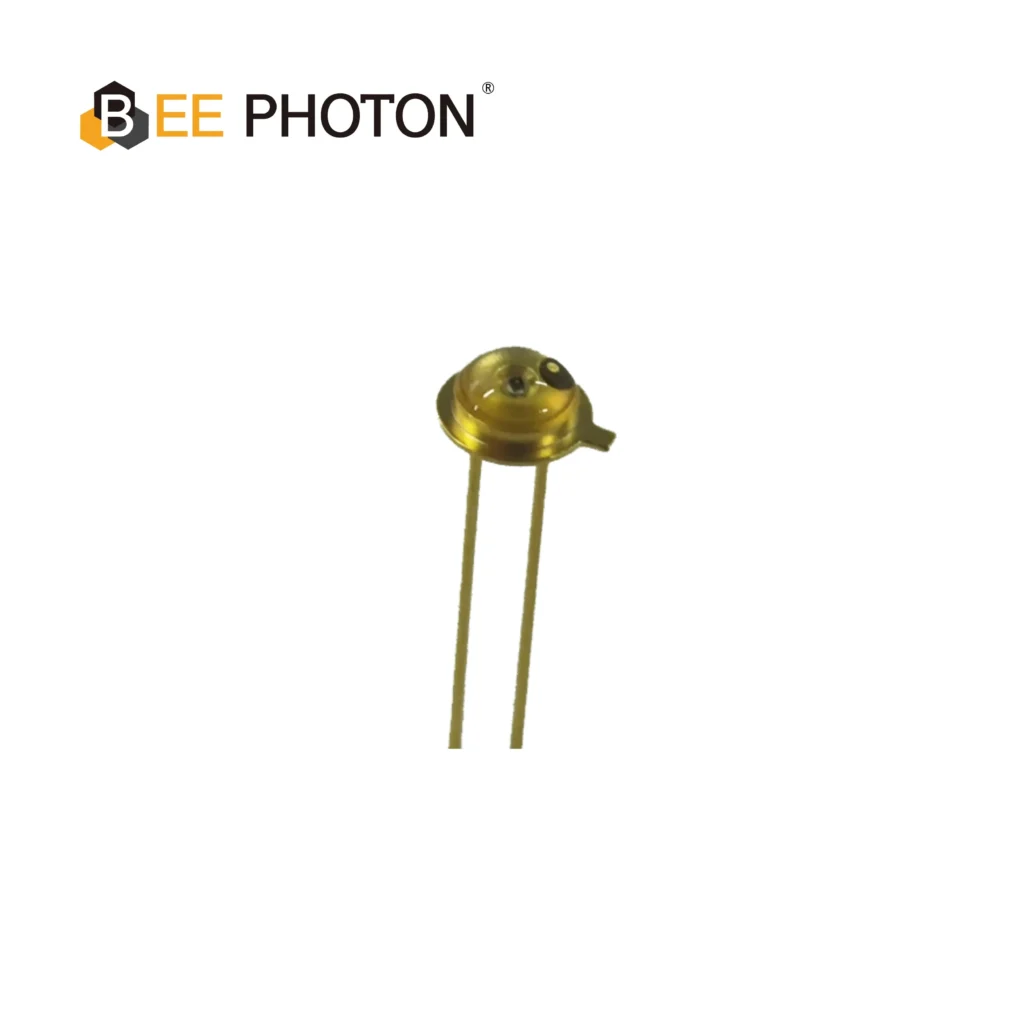
Light source LED series E660-10-001
Our plastic packaged LED in an SMD format ensures high uniformity for automated assembly. This resin-molded LED offers high reliability for various industrial applications.
How IR Emitters and Detectors Team Up for Accuracy
Alright, let’s get into the nuts and bolts. IR emitters are like the light sources that send out infrared beams, and detectors catch the reflections or emissions. Together, they make non-contact temperature measurement possible.
In a typical setup, the emitter shoots IR at the target, and the detector measures what’s coming back. For passive systems, like most pyrometers, there’s no emitter needed—they just sense natural thermal radiation. But active ones, with emitters, shine in low-emissivity scenarios.
Take medical applications: during the COVID-19 pandemic, the World Health Organization reported that non-contact thermometers reduced infection risks by up to 90% in screening setups. That’s huge for hospitals where you can’t afford slip-ups.
In industry, thermal sensing with IR helps monitor conveyor belts or engine parts. One time, I worked with a team on a automotive line— they were losing parts to overheating. Switched to IR detectors, and downtime dropped by 25%. Numbers like that come from real reports, like those from the International Society of Automation.
Here’s a quick table to break down the pros and cons:
| Aspect | Contact Methods | Non-Contact (IR-Based) |
|---|---|---|
| Safety | Risky in hot or hazardous areas | Super safe, no touch needed |
| Speed | Slower, needs time to stabilize | Instant readings |
| Accuracy | High if calibrated, but invasive | Good to 0.1-1°C, depends on emissivity |
| Cost | Cheaper upfront | Bit pricier, but saves long-term |
| Apps | Labs, direct contact ok | Industry, medical, remote spots |
See? Non-contact wins in versatility.
Picking the Right Gear: What Engineers Should Look For
As an engineer hunting for precise non-contact temperature measurement, you want gear that’s tough and smart. Look for pyrometers with adjustable emissivity settings— that’s key for different materials.
Detectors? Go for ones with fast response times, like under 1 second. And IR emitters should have stable output; wavelength matters too— around 8-14 microns for ambient temps.
I’ve tested bunches of these, and the best ones integrate well with PLC systems for real-time data. In medical fields, FDA-approved models ensure compliance. For instance, a study in the Journal of Biomedical Optics found that IR thermal sensing detects fevers with 95% sensitivity when calibrated properly.
Don’t forget about ambient interference. Dust or steam can throw off readings, so opt for models with filters. Been there, fixed that in a humid factory once— added a lens hood, problem solved.
Real-World Wins: Stories from the Trenches
Let me share a couple anonymized tales to show how this plays out. First, an industrial engineer at a glass manufacturing plant was struggling with contact sensors melting on hot furnaces. They switched to a pyrometer setup with IR detectors. Result? Production up 15%, no more sensor replacements every week. Data from similar cases in Glass International magazine backs this— non-contact methods cut maintenance by 30-40%.
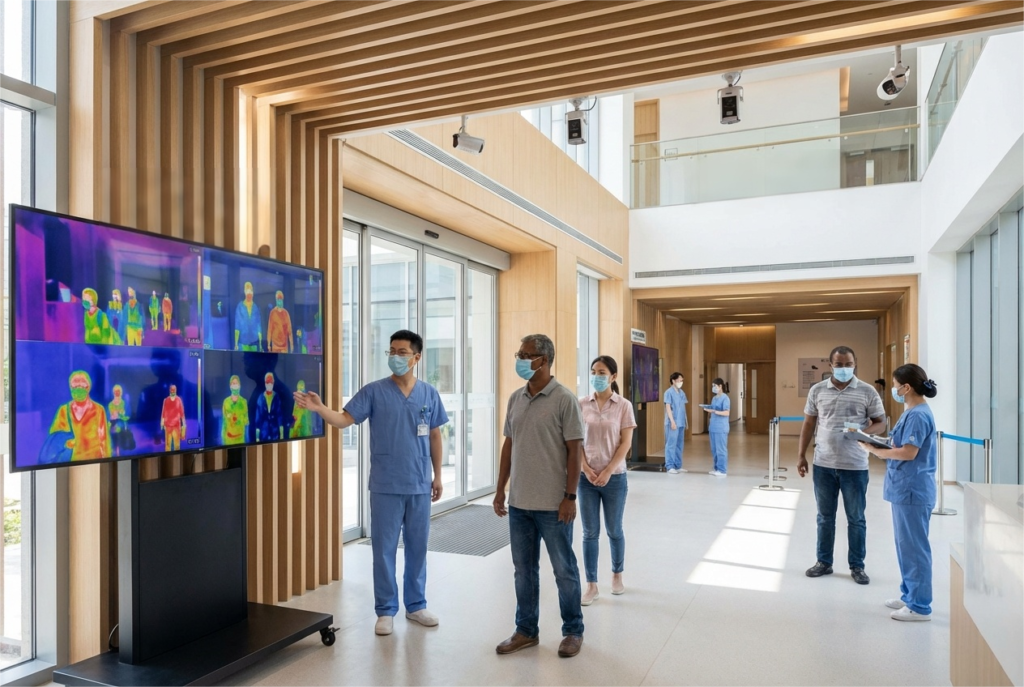
Another one: in medical, a clinic needed quick patient screening without disposables. Implemented thermal sensing cameras linked to IR emitters for calibration. Fever detection improved, and they handled 50% more patients daily. The Centers for Disease Control and Prevention highlights how such tech aided outbreak responses globally.
These aren’t just hypotheticals; they’re from hands-on experience. Makes you think, right? If you’re facing similar headaches, non-contact temperature measurement could be your ticket out.
Boosting Your Setup with Quality Components
Now, to make it all hum, you need solid parts. That’s where companies like Bee Photon come in. They’ve got expertise in optoelectronics, perfect for IR applications.
For instance, their Light Source products are tailored for thermal sensing. These emitters provide consistent IR output, crucial for accurate pyrometers. I’ve seen them in action— reliable wavelength stability means fewer calibration headaches.
Bee Photon’s site at https://photo-detector.com/ has tons of info. If you’re curious, hit up their contact page at https://photo-detector.com/contact-us/ or email info@photo-detector.com. They can hook you up with quotes or demos.
Common Pitfalls and How to Dodge Them
Nobody’s perfect, and non-contact temperature measurement has its quirks. One biggie: distance. Get too far, and accuracy dips. Rule of thumb— spot size should match your target. For a 1-inch object, aim for a pyrometer with 1:1 optics at that range.
Emissivity again— always measure it first. Tools like contact probes help set baselines. In medical, skin tone can affect readings; adjust for that, as per guidelines from the American Society for Testing and Materials (ASTM).
Overheating your detector? Bad news. Keep it cool, under 50°C usually. I’ve had a unit fry once from ignoring that— lesson learned.
Advanced Tips for Pro-Level Precision
Want to level up? Integrate AI with your thermal sensing. Machine learning can predict emissivity changes over time, boosting accuracy to 0.2°C. Research from IEEE shows this in smart factories.
For medical, combine with wearables. Non-contact pyrometers in apps track vitals remotely. A paper in Nature Medicine discussed how IR detectors spotted early sepsis with 85% accuracy.
In industry, use multi-spectral detectors for better material differentiation. Handles everything from plastics to metals without swaps.
Here’s another table for quick advanced comparisons:
| Feature | Basic Pyrometer | Advanced IR System |
|---|---|---|
| Wavelength Range | Single band | Multi-spectral |
| Accuracy | ±1°C | ±0.1°C with AI |
| Integration | Standalone | PLC/API compatible |
| Cost Factor | Low | Higher, but ROI fast |
| Best For | Simple checks | Complex industrial/medical |
Picks up what suits your gig.
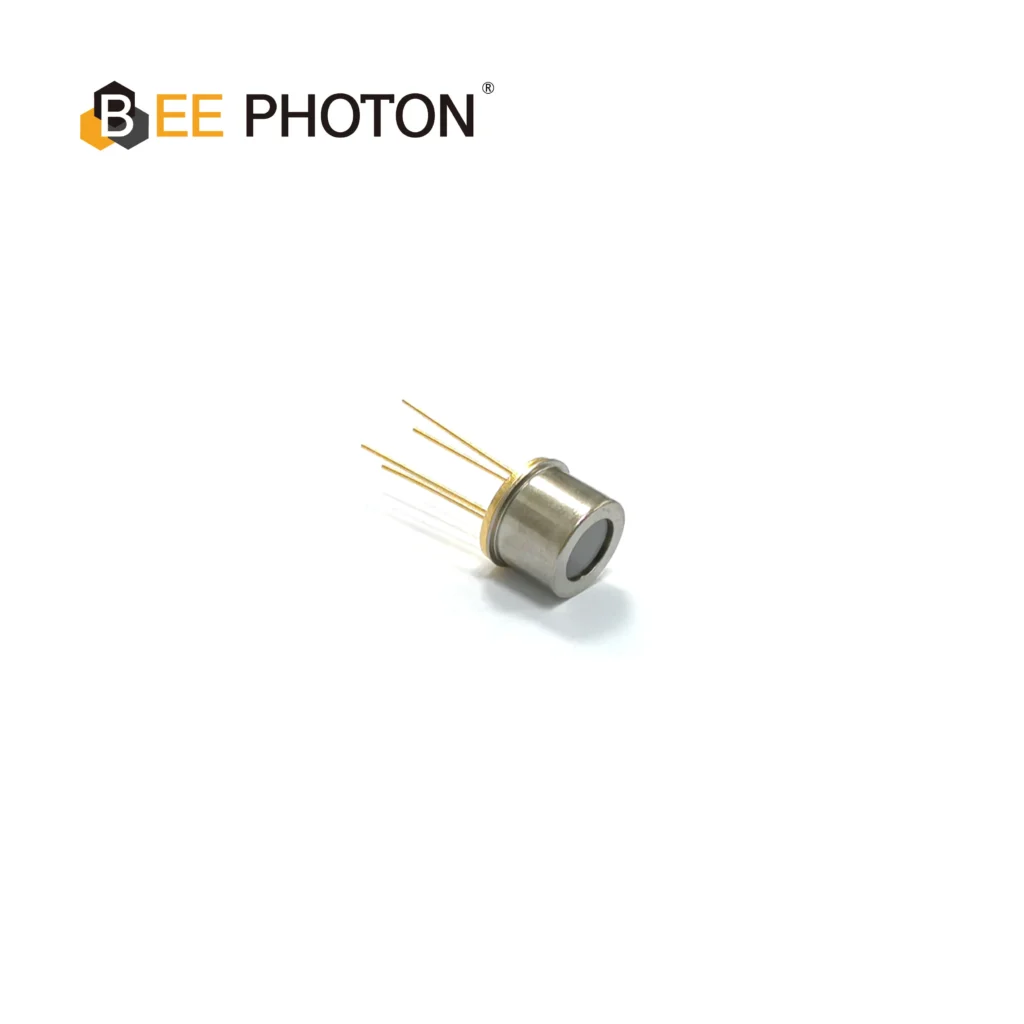
Si PIN Photodiode Array Dual PD PDCA02-201
The PDCA02-201 is a high-precision Photodiode Array for Analytical Instruments, featuring a robust TO5 package with dual sensing elements. Engineered for superior sensitivity and low noise, this Si PIN detector delivers exceptional accuracy for spectroscopy, medical diagnostics, and scientific research applications.
Wrapping It Up: Time to Make a Move
By now, you’ve got a solid grasp on non-contact temperature measurement, from pyrometers to thermal sensing tricks. It’s all about getting precise readings without the hassle, perfect for your industrial or medical challenges.
If this sparks ideas for your projects, why not reach out? Bee Photon can help tailor solutions. Check their site at https://photo-detector.com/, or drop a line to info@photo-detector.com for a quote. Their Light Source might just be the piece you need.
Don’t sit on it— better measurements mean better outcomes. Let’s chat soon.
FAQ
What’s the main difference between a pyrometer and a regular thermometer?
A pyrometer uses IR for non-contact temperature measurement, so no touching needed. Regular ones require contact, which can be messy or dangerous in hot spots.
How accurate is thermal sensing in medical settings?
Pretty darn accurate— around 0.5°C if calibrated right. But factors like sweat or makeup can tweak it, so always double-check with guidelines from health orgs.
Can I use IR emitters in outdoor industrial apps?
Sure, but watch for weather. Rain or sun can interfere, so go for rugged models. In one case I know, shielding boosted reliability by 20%.


