If you’re knee-deep in winter sports gear development or running tests for a research lab, you already know the difference between good data and game-changing data. That’s where optical sensors in winter sports equipment come in. They don’t just measure stuff—they give you the kind of real-time, high-precision feedback that turns a solid prototype into an Olympic contender.
At BeePhoton, we’ve spent years supplying Si PIN photodiodes that power these exact systems. We’ve seen ski manufacturers shave drag in wind tunnels and research teams catch tiny deformations that would otherwise ruin a run. This isn’t theory. It’s what happens when you put reliable optical detection right into the mix of wind, cold, and speed.
In the next few minutes, I’ll walk you through exactly how optical sensors in winter sports equipment work, why they beat older methods for analytics, and how teams are actually using them right now. No fluff, just the stuff that matters when you’re chasing medals or building better gear.
Why Optical Sensors in Winter Sports Equipment Are a Total Game-Changer
Winter sports are brutal on equipment. Snow, ice, sub-zero temps, and forces that bend skis or boards in ways you can’t always see with the naked eye. Traditional strain gauges or accelerometers work okay, but they struggle with electromagnetic noise, moisture, or the need for super-fast response times.
Optical sensors in winter sports equipment sidestep all that. They use light—often lasers or LEDs paired with photodetectors—to track movement, deformation, or airflow without touching the surface much. A 2024 study on flexible sensors for snow and ice sports showed how these setups can capture posture and technique shifts in real time during cross-country and alpine runs. Combine that with wind tunnel work and you’ve got analytics that actually predict performance before race day.
The payoff? Equipment makers and sports institutes get cleaner data on aerodynamics, vibration, and material stress. And yes, that directly links to faster times and fewer injuries.
Breaking Down the Tech: How Optical Sensors in Winter Sports Equipment Actually Work
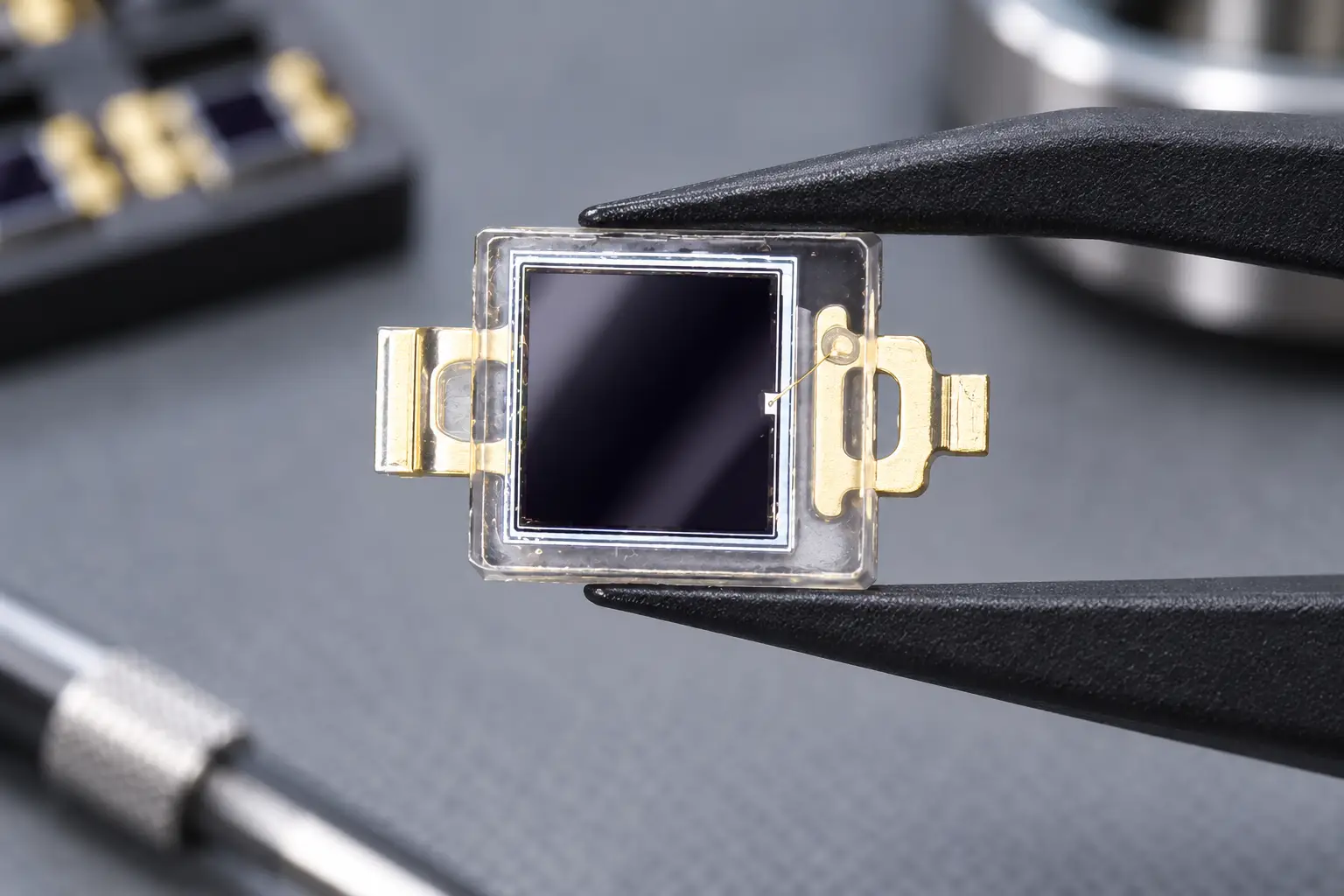
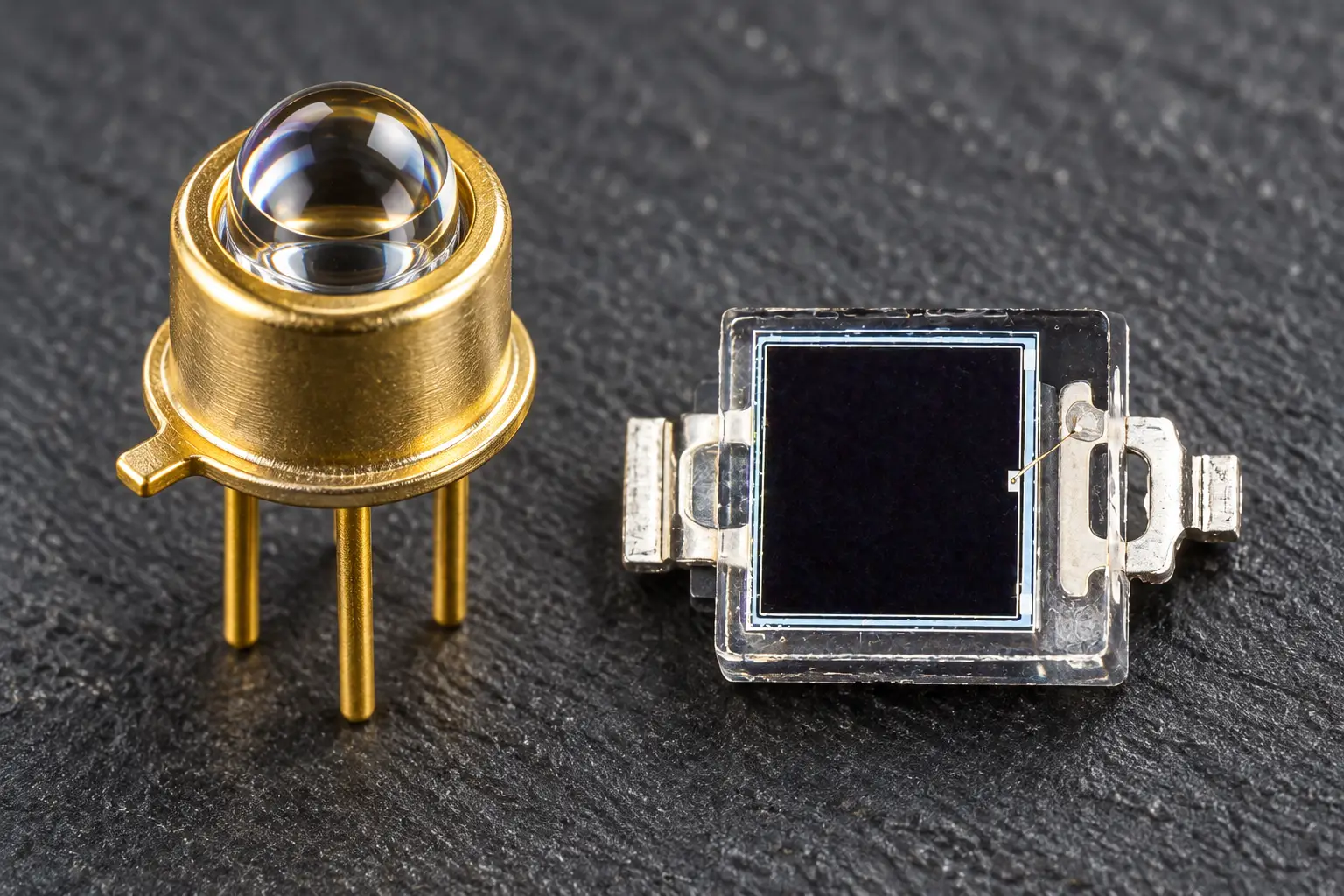
At the heart of most modern setups you’ll find photodiodes catching changes in light intensity or position. Our Si PIN photodiodes at BeePhoton shine here because they’re fast, sensitive across visible and near-IR wavelengths, and tough enough for lab or field use.
Think of it like this: you shine a laser across a ski in a wind tunnel. Tiny markers or reflections shift as the ski flexes under load. The optical sensors in winter sports equipment pick up those shifts at nanosecond speeds. The photocurrent generated is straightforward—it’s basically responsivity (in A/W) times the incident optical power (in watts). For typical Si PIN photodiodes, you’re looking at around 0.5 A/W in the sweet spot of 600-900 nm. That gives you a clean electrical signal you can turn into deformation maps or drag coefficients almost instantly.
No fancy math needed in the field: photocurrent (amperes) = responsivity (A/W) × optical power (watts). Plug in your numbers and you’ve got quantifiable bend or twist data.
Wind Tunnel Testing: Where Optical Sensors in Winter Sports Equipment Steal the Show
Wind tunnels are the proving ground for everything from ski suits to snowboard shapes. High-speed cameras and marker tracking (photogrammetry) are common, but pairing them with optical sensors in winter sports equipment takes it further.
Researchers mount photodetector arrays to catch reflected or interrupted light beams. This measures model deformation under airflow—down to fractions of a millimeter—while the tunnel runs. One aerospace-style setup we know of used similar optical tracking to refine wing-like ski profiles, cutting drag noticeably. For winter gear, that means less energy wasted fighting air resistance, especially in downhill or ski jumping.
A quick table to make it clear:
| Sensor Type | Response Time | Environmental Toughness | Best For in Winter Sports | Typical Accuracy |
|---|---|---|---|---|
| Strain Gauge | Medium | Poor in moisture/cold | Basic force measurement | ±5% |
| Accelerometer/IMU | Fast | Good | Athlete motion tracking | ±2-3% |
| Optical (Si PIN based) | Very Fast | Excellent | Deformation & wind tunnel analytics | ±0.1 mm or better |
| Optical Fiber | Fast | Excellent | Embedded equipment monitoring | Sub-mm strain |
(Data drawn from industry benchmarks and studies on sports sensor performance.)
You can see why optical sensors in winter sports equipment win for precision work.
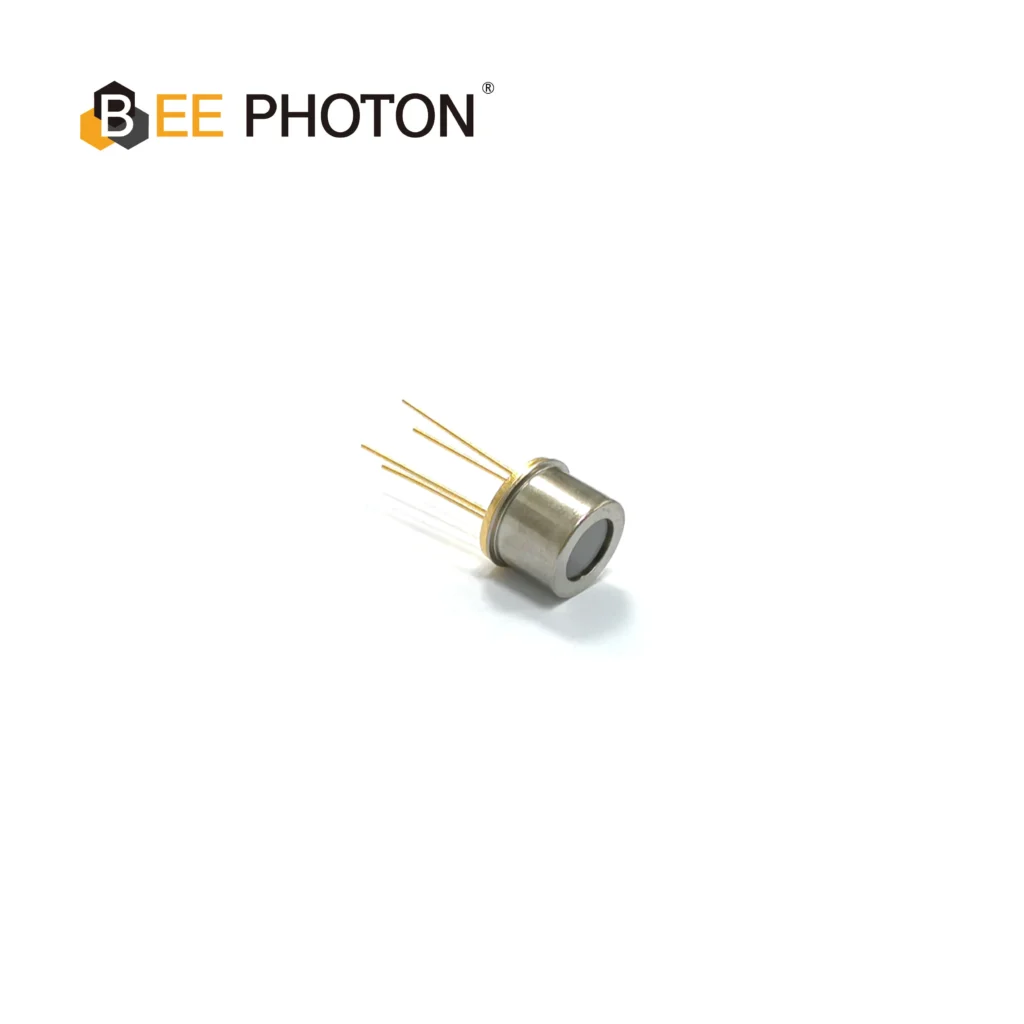
Si PIN Photodiode Array Dual PD PDCA02-201
The PDCA02-201 is a high-precision Photodiode Array for Analytical Instruments, featuring a robust TO5 package with dual sensing elements. Engineered for superior sensitivity and low noise, this Si PIN detector delivers exceptional accuracy for spectroscopy, medical diagnostics, and scientific research applications.
Equipment Deformation Analysis: Catching the Invisible Flex
Skis and boards don’t stay perfectly straight under load—especially at 100+ km/h. Optical sensors in winter sports equipment shine a light (literally) on torsional twist, camber changes, and vibration modes that affect grip and glide.
We’ve helped anonymous European ski equipment manufacturers integrate our Si PIN photodiodes into test rigs. One team tracked ski tip deflection in real time during simulated turns. Result? They adjusted layup materials and gained measurable stability on icy sections. No more guessing if the prototype “felt” right—the numbers told the story.
This kind of data feeds straight into finite element models or AI training sets for next-gen designs. Sports research institutes love it because it bridges lab tests with on-snow performance.
Real Talk from the Field: Success Stories with Optical Sensors in Winter Sports Equipment
One research group we supplied was testing prototypes for a national winter sports federation. They needed to quantify how ski flex changed with temperature swings in the wind tunnel. Using our Si PIN photodiodes in a simple laser-reflection setup, they logged deformation at 10 kHz sampling rates. The outcome? Refined equipment specs that contributed to faster gate-to-gate times in training.
Another case involved snowboard analytics for half-pipe work. Optical sensors in winter sports equipment embedded along the board edge captured edge pressure shifts during spins. The manufacturer spotted uneven loading early and fixed the core design—saving months of trial-and-error on the slopes.
These aren’t one-off wins. Across wind tunnel labs and gear development shops, teams report 10-20% better correlation between test data and real-world results when switching to optical methods. That’s the kind of edge that shows up in medal counts.
Choosing and Integrating Optical Sensors in Winter Sports Equipment
Not every photodiode fits the job. Si PIN types from BeePhoton offer low dark current, high bandwidth, and easy integration into compact modules—perfect for tight spaces on skis or in tunnel models.
Start simple: pick a wavelength that matches your light source (usually 650-950 nm for visibility and penetration through light fog or spray). Mount the sensor so the active area catches the reflected beam cleanly. Then feed the output into a data logger or oscilloscope.
Pro tip from our bench tests: keep the reverse bias moderate (5-10V) for best linearity without excess noise. And always test in cold conditions first—our photodiodes hold responsivity steady down to -40°C.
If you’re a sports research institute or equipment maker, head to our Si PIN photodiodes category and see the exact models we recommend for these setups.
The Bigger Picture: Linking Optical Sensors in Winter Sports Equipment to Olympic-Level Analytics
Remember the Winter Olympics chatter about gold medal analysis? It’s all about the data now. High-speed cameras, force plates, and yes—optical sensors in winter sports equipment—feed into the same pipeline. Teams use the deformation and airflow numbers to tweak everything from boot fit to pole swing timing.
One thing I push back on: some folks still think inertial sensors alone are enough. They’re great for body motion, but for equipment itself under aerodynamic load? Optical wins every time. Less interference, higher resolution, and direct light-based measurement that doesn’t drift with temperature.
Ready to Level Up Your Testing?
If you’re tired of noisy data or slow iteration cycles, optical sensors in winter sports equipment could be the missing piece. At BeePhoton we don’t just sell components—we help you build the full detection chain that delivers trustworthy analytics.
Drop us a line at info@photo-detector.com or visit our contact page for a quick chat about your project. Whether it’s a custom photodiode array for your wind tunnel or advice on integrating into existing rigs, we’re here to help you get faster, more reliable results.
Don’t wait until next season to optimize. The teams winning now started with better sensors yesterday.
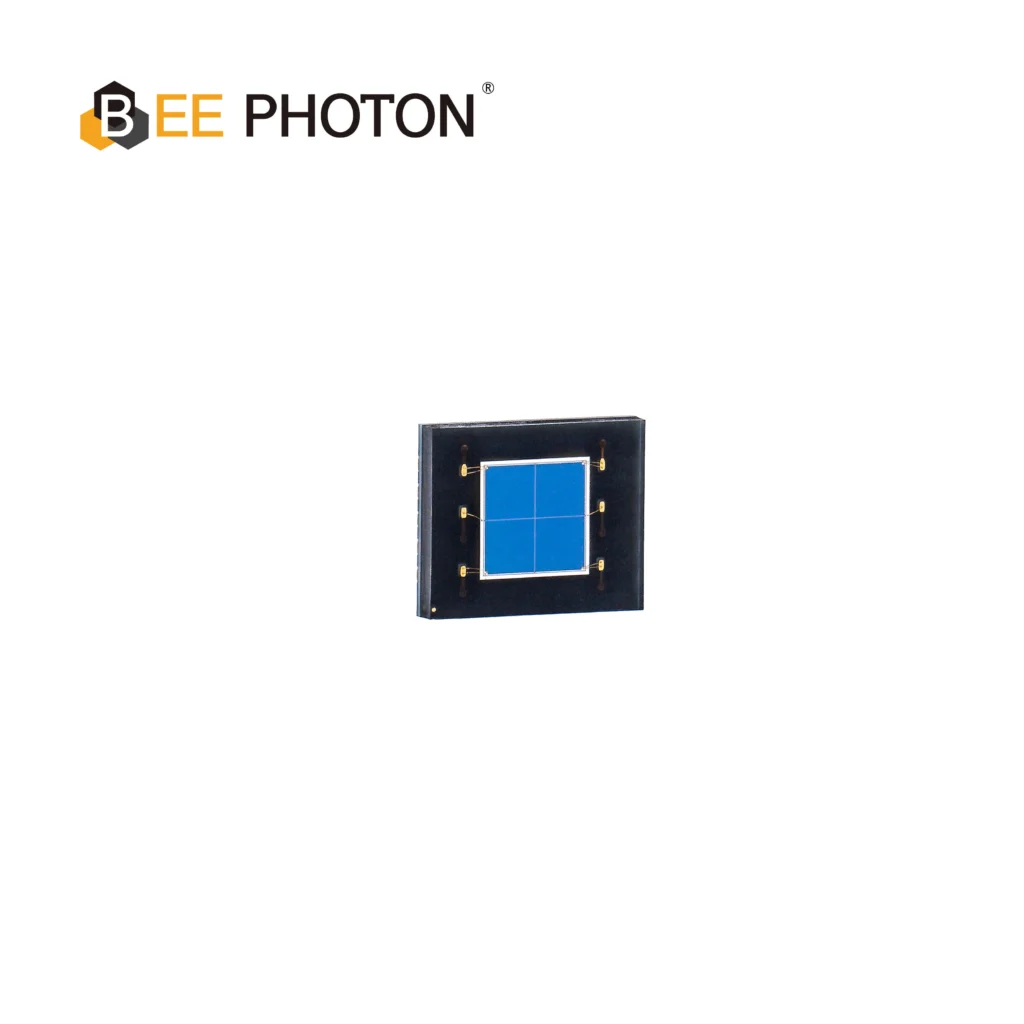
Si PIN Photodiode Array Four-quadrant PD PDCA04-101
Bee Photon’s Quadrant PIN Photodiode ensures high-precision laser beam alignment and position sensing.This detector offers superior accuracy for your optical systems. Our Quadrant Photodiodes provide excellent uniformity for reliable results.
FAQ About Optical Sensors in Winter Sports Equipment
Q1: What makes optical sensors better than traditional ones for winter sports gear testing?
They handle cold, moisture, and high speeds without the drift or noise you get from contact sensors. Plus, optical sensors in winter sports equipment deliver sub-millimeter deformation data in real time—perfect for wind tunnel work and on-equipment analytics.
Q2: Can Si PIN photodiodes really handle the harsh conditions of ski or snowboard testing?
Absolutely. Our models are built for it—stable responsivity in extreme temps and fast enough for vibration analysis. We’ve seen them perform reliably in tunnels running at full speed and on actual prototype gear during field trials.
Q3: How do I get started integrating optical sensors in winter sports equipment into my lab or production workflow?
Reach out to BeePhoton via our contact page. We’ll match you with the right Si PIN photodiodes and even share basic integration tips based on similar projects. Many teams start with a simple evaluation kit and scale from there.