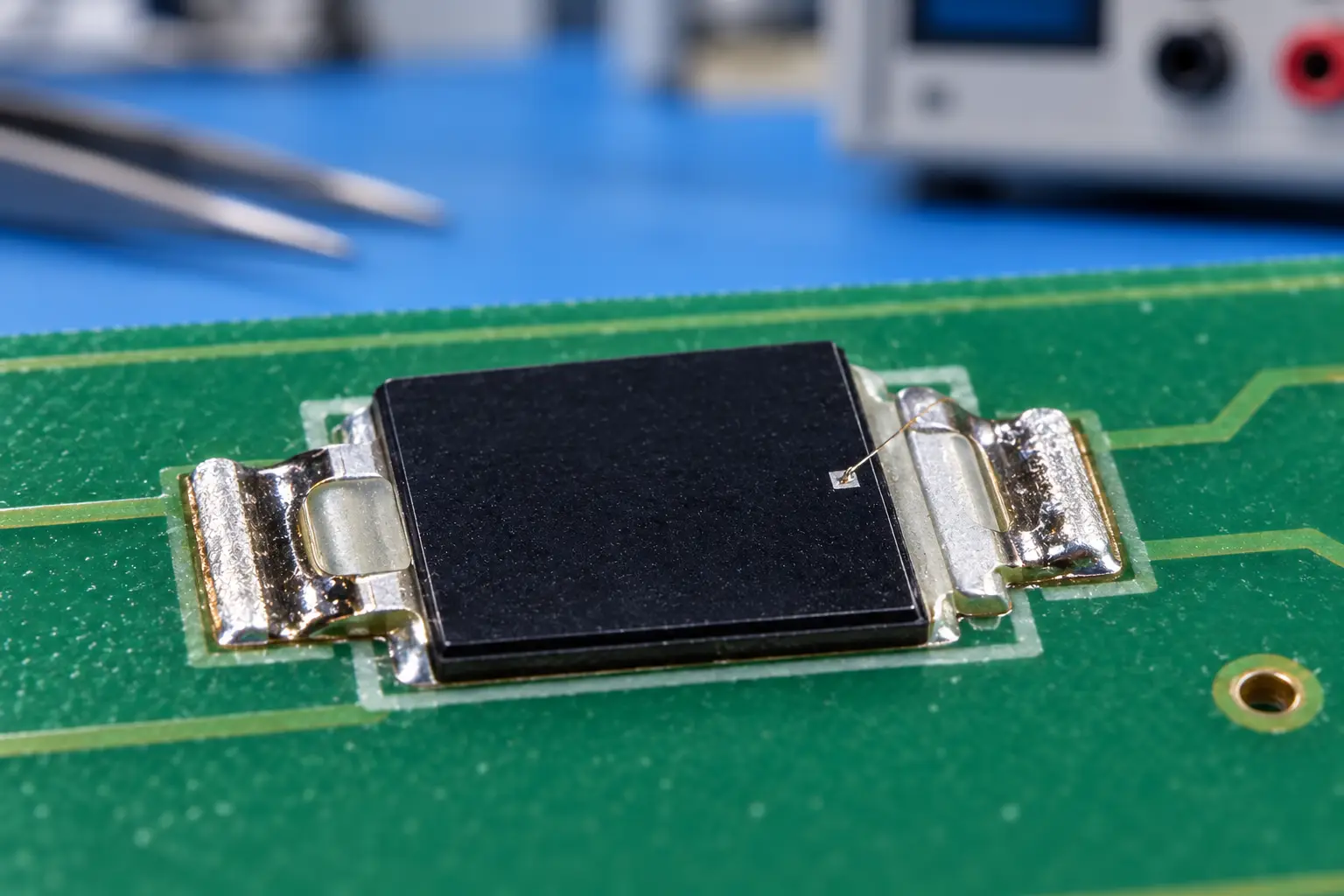
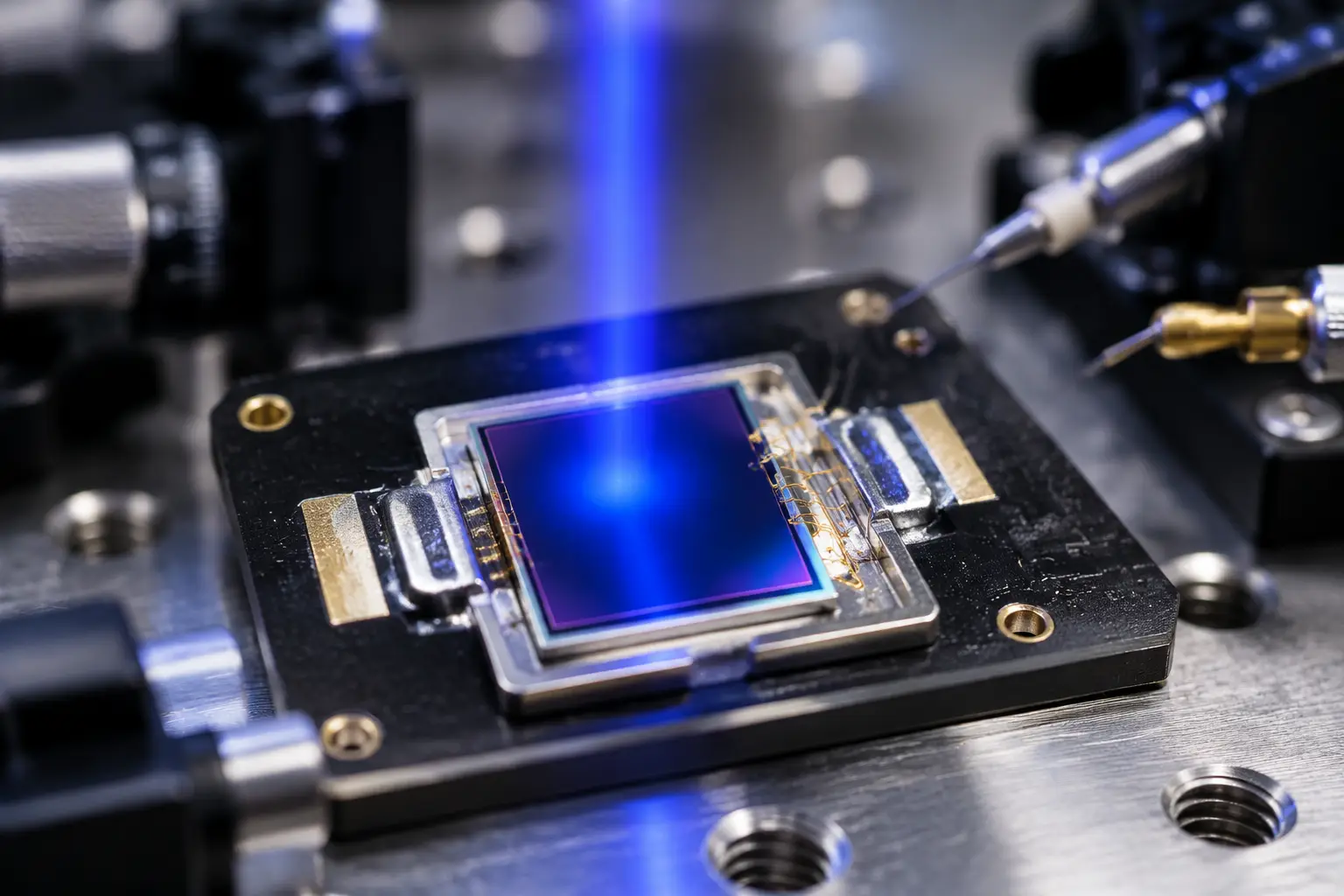
You know how frustrating it gets when your tracking system drops data mid-game or the numbers just don’t line up under stadium lights. That’s where the right LiDAR photodiodes come in. They’re the quiet heroes turning raw laser returns into rock-solid athlete metrics that coaches and analysts actually trust.
I’ve worked with plenty of sports tech teams over the years, and the ones using solid LiDAR photodiodes for their real-time setups just seem to pull ahead. Whether it’s tracking sprint speeds, change-of-direction bursts, or full-field positioning, these components keep the signal clean even when players are flying around at top speed.
In this piece I’ll walk you through exactly why LiDAR photodiodes matter for athlete performance tracking, how the Si PIN versions stack up in real venues, and what to look for when you’re sourcing them. We’ll cover the tech without the fluff, throw in some actual numbers from validated systems, and share practical tips that come straight from the field. By the end you’ll see why companies building sports data platforms keep turning to reliable LiDAR photodiodes like the ones BeePhoton supplies.
Why LiDAR Photodiodes Are a Must for Modern Sports Tracking Systems
Let’s be honest – cameras and wearables have been around forever, but they come with baggage. Wearables can shift during contact, cameras struggle with occlusions and lighting changes. LiDAR photodiodes flip the script by capturing 3D position and velocity directly from laser reflections, no markers, no hassle.
Systems like Sportlight, which many Premier League clubs now run, pull in over one million measurements per second. A 2022 peer-reviewed study on their setup showed velocity readings with errors around 10 cm/s. That level of precision simply doesn’t happen without high-performance LiDAR photodiodes sitting at the heart of the receiver.
For sports tech data companies, the demand is clear: you need components that handle fast-moving athletes in packed stadiums, deliver consistent data across full 360-degree fields, and keep working through rain, dust, or bright floodlights. LiDAR photodiodes built for this environment give you exactly that stability. They convert those faint returning photons into clean electrical signals that your processing chain can turn into actionable insights in real time.
And here’s the part a lot of folks miss – it’s not just about speed. It’s about reliability when everything else is chaotic. That’s why teams investing in next-gen tracking are zeroing in on LiDAR photodiodes that can maintain signal integrity no matter how wild the action gets.
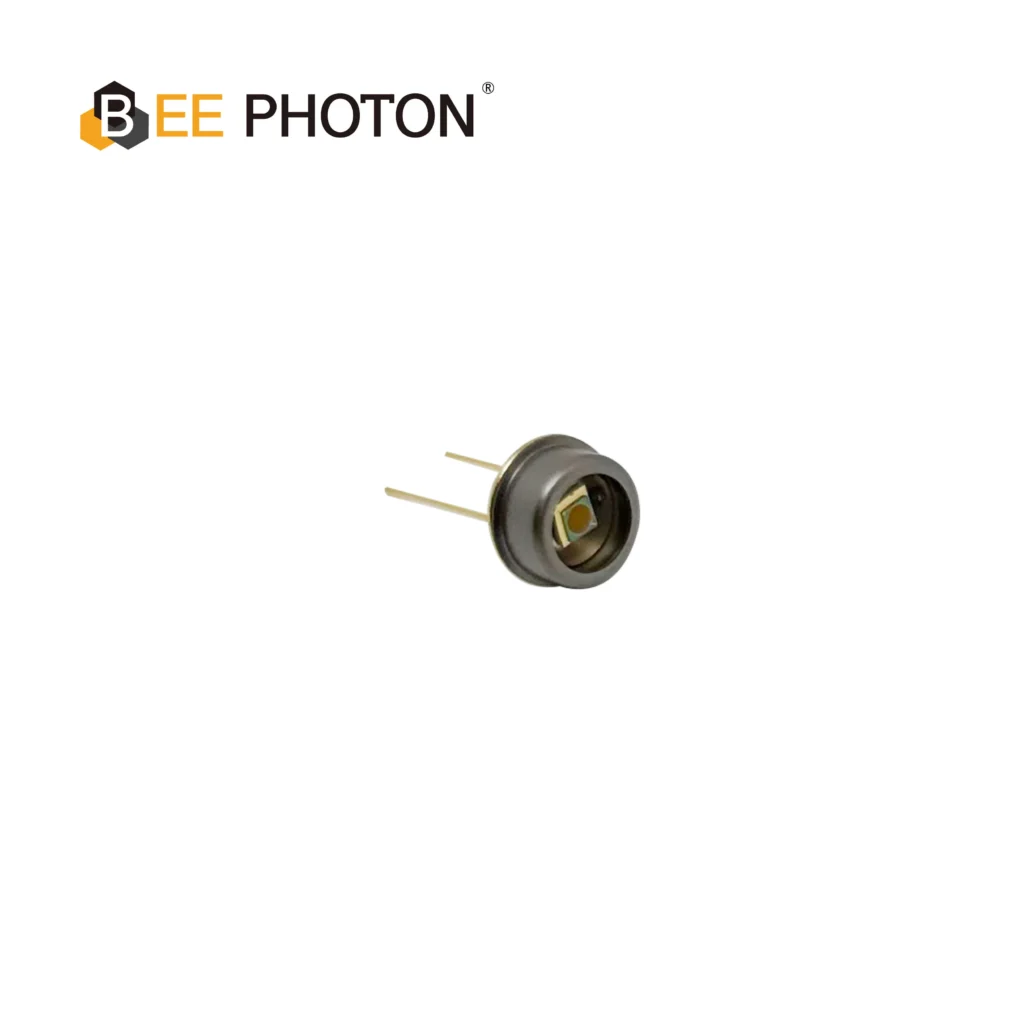
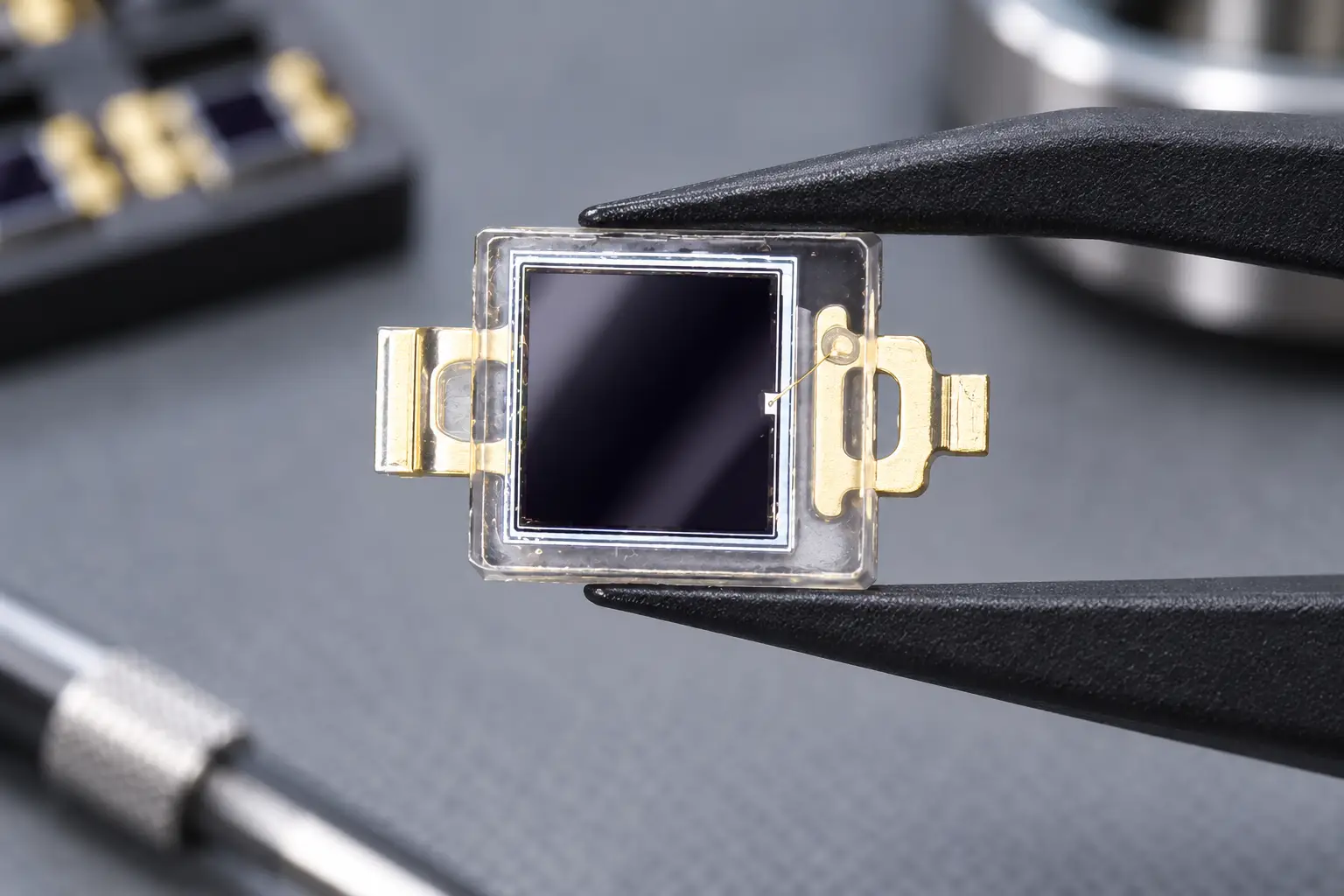
800-1700nm InGaAs PIN Photodiode PDIT20-001
Achieve rapid data transmission with Bee Photon’s High Speed InGaAs Photodiode.This detector offers low capacitance and fast response, perfect for demanding datacom and LiDAR applications.
How LiDAR Photodiodes Actually Work in Athlete Tracking Setups
Picture this. A LiDAR unit fires out near-infrared laser pulses – usually around 850-950 nm – that bounce off players and come screaming back. The LiDAR photodiodes catch those returns and turn them into electrical current almost instantly.
The core equation is simple but powerful: distance equals (speed of light times time of flight) divided by two. Your photodiodes have to measure that tiny time difference with nanosecond accuracy if you want sub-centimeter positioning.
Si PIN photodiodes shine here because they combine decent active area with low capacitance and fast response. Typical cutoff frequencies hit 100 MHz to over 1 GHz depending on the model, which translates to rise times well under 10 ns. That speed lets systems keep up with athletes hitting 10 m/s or more while still grabbing every reflection.
Responsivity – basically how much current you get per watt of incoming light – usually lands between 0.45 and 0.6 A/W in the NIR range for quality Si PIN photodiodes. Pair that with low dark current in the nanoamp range and you get clean signals even when the laser return is weak after traveling across a full pitch.
In practice, a full LiDAR array might use dozens of these photodiodes working together. The output feeds straight into time-to-digital converters or high-speed ADCs, and boom – you’ve got real-time 3D point clouds of every player on the field. No wonder setups like KinetikIQ can deliver markerless motion capture that coaches can actually use during live sessions.
Key Specs That Make or Break LiDAR Photodiodes for Sports Use
Not all LiDAR photodiodes are created equal. Here’s what actually moves the needle when you’re tracking athletes:
| Spec | Typical Range for Sports-Grade Si PIN | Why It Matters for Real-Time Tracking |
|---|---|---|
| Rise Time | <10 ns (often 1-5 ns) | Keeps up with 1M+ measurements/sec without lag |
| Responsivity (NIR) | 0.45–0.6 A/W | Strong signal from weak returns across long distances |
| Dark Current | <100 nA | Reduces noise in variable lighting conditions |
| Terminal Capacitance | <10 pF | Supports high bandwidth for fast pulse detection |
| Active Area | 0.8–3 mm diameter | Balances sensitivity and speed for array designs |
| Operating Temp Range | -40°C to +85°C | Survives outdoor stadium swings |
These numbers come straight from established silicon PIN lines used in LiDAR receivers. When you pick LiDAR photodiodes that hit these marks, your whole system stays stable even when the venue goes from bright daylight to night games under LEDs.
Real-World Wins: How LiDAR Photodiodes Deliver in the Field
One sports data company I know supplies tracking for a top European league club. They swapped in more robust LiDAR photodiodes and immediately saw their velocity data consistency jump during high-intensity matches. No more random dropouts when players bunched up near the sidelines. The system now feeds clean metrics straight to the coaching tablet – acceleration curves, deceleration rates, even subtle changes in running economy.
Another outfit focused on basketball used a compact LiDAR array built around Si PIN photodiodes. They could track every cut, screen, and jump without tagging players. The result? Coaches started spotting fatigue patterns two games earlier than before because the data never lied.
These aren’t lab dreams. They’re the kind of outcomes you get when your core LiDAR photodiodes handle the real-world mess of sweat, collisions, and shifting light.

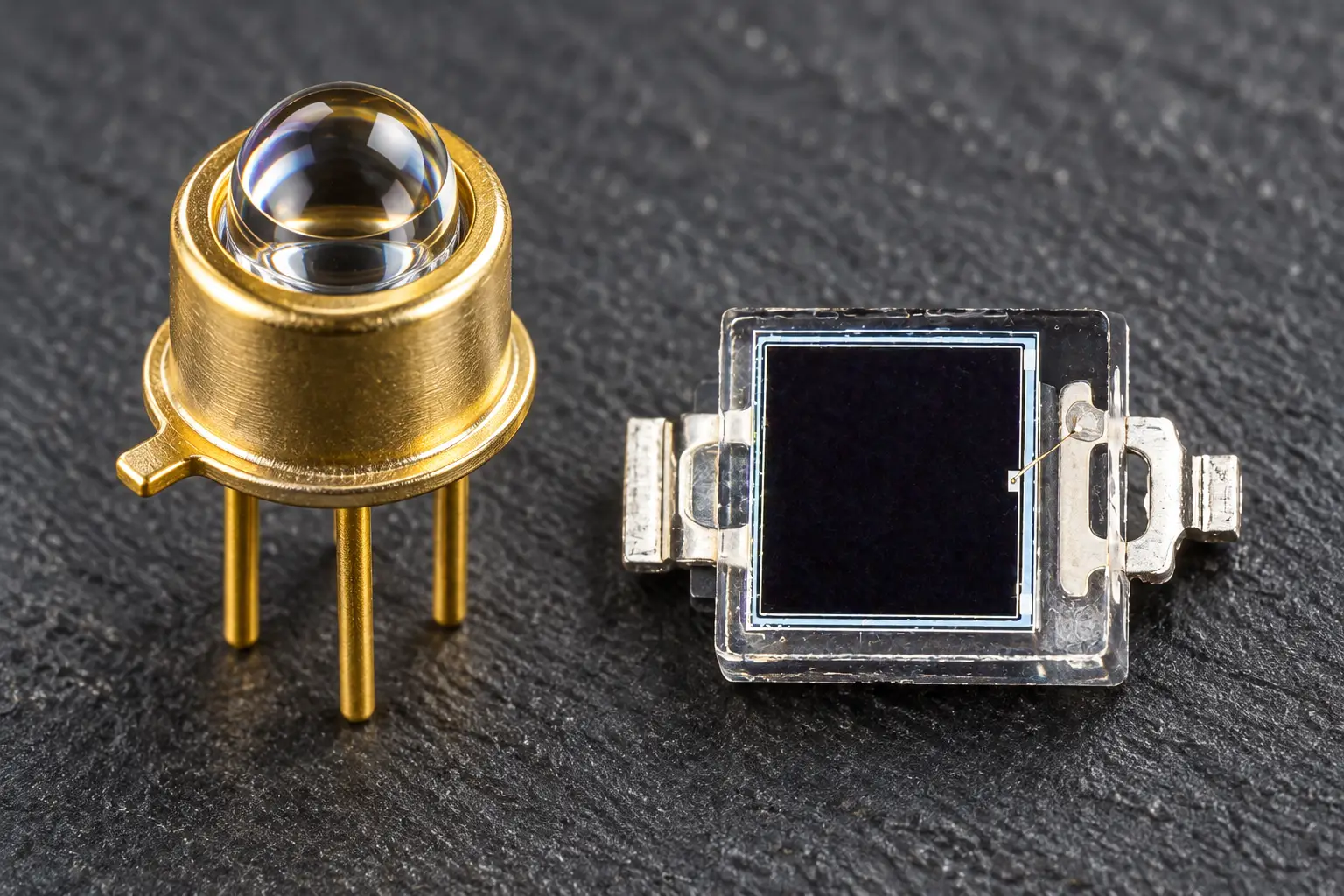
Si PIN Photodiode with low dark current (350-1060nm) PDCT14-001
Enhance your optical measurement equipment with our TO-packaged Si PIN photodiode. It features ultra-low dark current, high consistency, and a borosilicate window for durability. This high-performance Si PIN photodiode is optimized for demanding applications.
Choosing the Right Si PIN Photodiodes for Your LiDAR Setup
If you’re a sports tech company building or upgrading real-time tracking, here’s the practical checklist:
- Go for NIR-optimized Si PIN photodiodes if your lasers sit around 905 nm or 940 nm – that’s where most stadium-grade systems live.
- Make sure the package supports easy array integration. Plastic or ceramic mounts with low inductance leads keep things fast.
- Look for parts rated for continuous operation in variable temperatures. Stadium roofs don’t always help with heat or cold.
- Test the actual bandwidth under load. A spec sheet is nice, but real pulse trains from a moving athlete tell the true story.
BeePhoton’s Si PIN photodiodes are designed exactly for this – high-speed response, solid NIR sensitivity, and the kind of reliability that sports data platforms demand day in and day out. You can check the full lineup right here: Si PIN photodiodes for LiDAR applications.
Integration Tips That Actually Work on Game Day
Mounting LiDAR photodiodes isn’t rocket science, but a few details save headaches later. Keep the receiver array protected from direct rain but with good airflow. Use short, shielded cables to the processing board to cut down on EMI from nearby scoreboards or lighting rigs.
Calibration matters too. Run a quick baseline scan before each session so your system knows the exact response curve of those LiDAR photodiodes. It takes five minutes and keeps your velocity numbers honest across an entire season.
And if you’re combining LiDAR with other sensors, the photodiodes’ clean output makes fusion way simpler. No messy filtering needed to clean up noisy data.
Future-Proofing Your Tracking with Better LiDAR Photodiodes
The sports analytics market keeps growing fast, and real-time data is the fuel. As more leagues demand markerless, wearable-free tracking, the pressure on your core components only increases.
LiDAR photodiodes that can handle higher pulse rates and tighter timing will separate the good systems from the great ones. Companies that lock in reliable Si PIN options now won’t have to rip out hardware when the next standard drops.
Wrapping It Up – Ready to Level Up Your Data Game?
Look, building a tracking system that actually delivers is hard work. But the right LiDAR photodiodes make the difference between flaky numbers and metrics you can build entire training programs around.
If you’re a sports tech data company tired of signal dropouts or inconsistent readings, BeePhoton has the LiDAR photodiodes built for exactly your use case. Head over to our contact page and tell us what you’re working on. Or just shoot an email to info@photo-detector.com. We’ll walk you through options that fit your array design and performance targets.
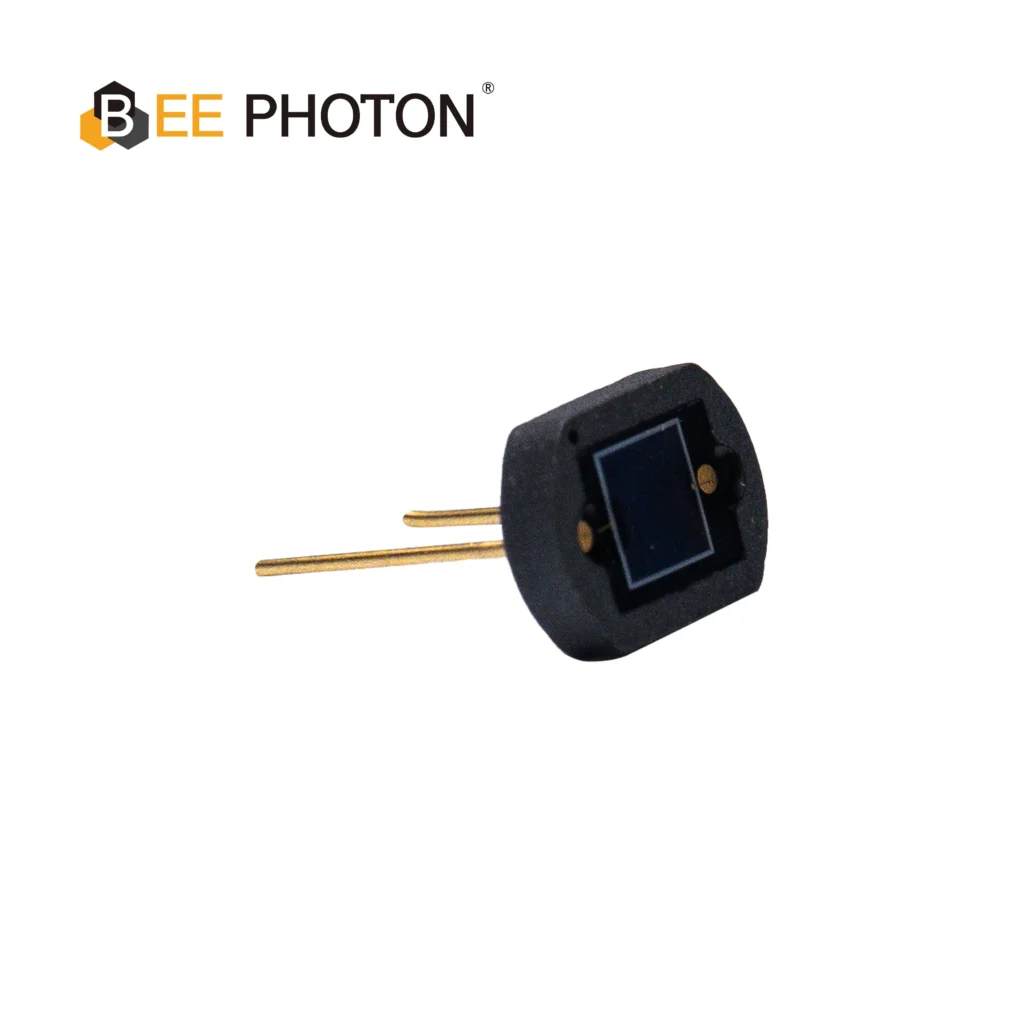
Si PIN Photodiode with low dark current (350-1060nm) PDCD10-001
Achieve accurate results with our Wide Spectral Response Photodiode. This Si PIN photodiode (350-1060nm) features exceptional sensitivity and low dark current, perfect for analytical instruments. Its resin-coated DIP package ensures durability for all your spectrophotometry and analytical measurement needs.
Frequently Asked Questions
What exactly are LiDAR photodiodes and why do they matter for athlete tracking?
LiDAR photodiodes are the light sensors inside LiDAR receivers that convert returning laser pulses into electrical signals. In athlete performance tracking they enable the million-measurement-per-second speed and 10 cm/s velocity accuracy that modern systems need. Without solid LiDAR photodiodes you lose the real-time edge that separates good data from great data.
Are Si PIN photodiodes the best choice for sports LiDAR systems?
For most venue-based tracking setups, yes. Si PIN photodiodes give you fast response times under 10 ns, good NIR responsivity, and low noise without the high voltage or cooling that avalanche types often require. They’re cost-effective, reliable across temperature swings, and easy to integrate into arrays – exactly what sports tech companies need for consistent field performance.
How can I get started with BeePhoton LiDAR photodiodes for my tracking project?
Simple – visit https://photo-detector.com/product-category/si-pin-photodiodes/ to see the lineup, then reach out via our contact page or drop a note to info@photo-detector.com. We’ll match you with the right Si PIN photodiodes for your pulse rate, wavelength, and array size so your real-time athlete tracking system hits the ground running.