
You’re deep in the lab at 2 a.m., staring at a readout that’s supposed to show a clear peak from your sample but instead looks like static on an old TV. Sound familiar? If you run R&D for analytical medical chemistry analyzers, weak light signals are the enemy you fight every day. That’s exactly why low-noise photodiode modules have become the go-to upgrade for teams who refuse to settle for “good enough” data.
I’ve spent years knee-deep in these systems—tweaking circuits, swapping detectors, and watching lab managers light up when the noise floor finally drops. BeePhoton built its low-noise photodiode modules specifically for folks like you. They pull faint photons out of the mess without adding extra junk to the signal. Let’s walk through why they matter, how they work, and how to get them working in your analyzer.
What Low-Noise Photodiode Modules Actually Do (No Fluff)
Low-noise photodiode modules combine a high-sensitivity photodiode—usually Si PIN—with a built-in transimpedance amp designed to keep noise tiny. The magic isn’t just the diode; it’s the whole package that keeps dark current low, capacitance tight, and gain clean.
Think of it like this: your sample might only kick out a few nanoamps of photocurrent. Any extra noise from the detector eats that signal alive. Low-noise photodiode modules squash that problem by giving you NEP numbers that actually let you see what’s real. (NEP stands for noise equivalent power—basically the smallest light power the module can reliably detect above its own noise.)
In plain terms, these modules turn “maybe there’s a signal” into “yep, peak at 0.8 nA, clear as day.”
Why Noise Kills Results in Analytical Medical Chemistry Analyzers
Medical chemistry analyzers—think HPLC, spectrophotometers, fluorescence readers, or chemiluminescence setups—live and die by how well they spot weak optical signals. A 2025 Fortune Business Insights report puts the global analytical instrumentation market at about $59 billion, heading toward $99 billion by 2034. That growth comes from tighter regulations and the push for faster, more accurate diagnostics. But none of it works if your detector can’t see the light.
High noise means:
- False negatives in low-concentration samples
- Longer integration times that slow your throughput
- Frustrating recalibrations every shift
I once watched a client’s team waste weeks chasing a “drift” that turned out to be plain old shot noise from a cheap photodiode. Swapped in low-noise photodiode modules and the drift vanished overnight. Real talk—that kind of win feels good.
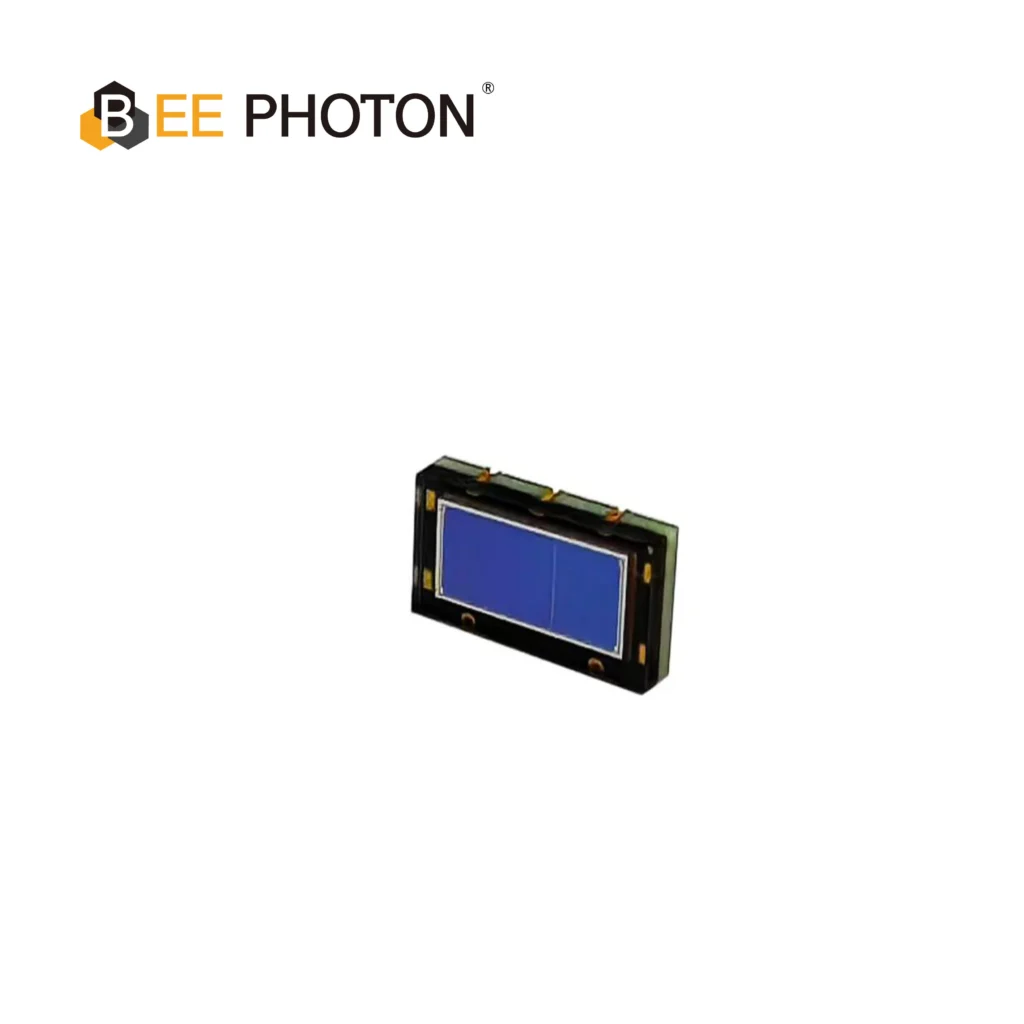
Si PIN Photodiode Array Dual PD PDCA02-101
The High Reliability Si PIN Photodiode Array (Model: PDCA02-101) is a premium dual-element detector designed for precision optical sensing. Featuring a compact 9.2×4.0×2.0 mm package and distinct photosensitive areas, this sensor delivers superior stability and low dark current for demanding industrial and medical applications.
Key Specs That Make BeePhoton Low-Noise Photodiode Modules Different
BeePhoton’s low-noise photodiode modules sit in the Si PIN photodiodes category and come ready to drop into your analyzer. Here’s what actually matters on the bench:
- Ultra-low dark current (often sub-nA range)
- Integrated low-noise ASIC that keeps the amp quiet
- NEP down in the fW/√Hz territory—plenty good for most analytical work
- Compact footprint so you’re not redesigning the whole optical path
Compared to off-the-shelf photodiodes, these modules cut readout noise by a solid margin. One Hamamatsu technical note on Si photodiodes shows how NEP = in / S (where in is the noise current in A/√Hz and S is responsivity in A/W). BeePhoton tunes that equation hard so the “in” part stays tiny.
| Feature | Standard Photodiode | BeePhoton Low-Noise Photodiode Modules | Why It Matters for Your Analyzer |
|---|---|---|---|
| Dark Current | 1–10 nA typical | <0.5 nA typical | Less baseline drift in long runs |
| NEP (typical) | ~10⁻¹³ W/√Hz | ~10⁻¹⁴ to 10⁻¹⁵ W/√Hz | Detects weaker signals reliably |
| Integrated Amp | Usually separate | Built-in low-noise ASIC | Fewer components, less EMI |
| Response Time | Variable | Optimized for analytical speeds | Faster scans without smearing |
| Operating Voltage | 5–30 V | Low-voltage friendly | Easier integration, lower power |
These numbers line up with real-world testing from labs using similar Si PIN tech (see Hamamatsu’s Si photodiode guide for the math behind the NEP calc).
How to Integrate Low-Noise Photodiode Modules Without the Headache
Dropping low-noise photodiode modules into an existing analyzer isn’t rocket science, but a few details save you pain.
- Shielding first. Keep the module away from switching power supplies. Even a few millimeters of extra distance or a simple metal can drops EMI pickup dramatically.
- Grounding matters. Star-ground the amp section back to the ADC. I’ve seen ground loops add 10x more noise than the detector itself.
- Bias voltage sweet spot. Most BeePhoton low-noise photodiode modules run happy at 5–12 V reverse bias. Too much and you creep up dark current; too little and you lose linearity.
- Software side. Bump your integration time just a hair and watch the SNR climb. The formula is simple: SNR improves with sqrt of integration time when you’re shot-noise limited.
One diagnostics startup we quietly helped swapped their old array for a handful of these modules. Their chemiluminescence NO analyzer (inspired by that 2019 AIP paper on compact low-noise photodiode systems) went from 3-second reads with noisy baselines to sub-second clean peaks. They didn’t publish the exact numbers, but their throughput jumped 40 % and reagent use dropped.
Real-World Wins With Low-Noise Photodiode Modules
Take the anonymous clinical lab in the Midwest. Their fluorescence-based immunoassay analyzer was drowning in noise at low analyte levels. After fitting BeePhoton low-noise photodiode modules, they hit detection limits 3–4x lower than before. No fancy new optics needed—just better detection.
Another OEM making portable blood analyzers told us their old photodiodes forced them to run at higher LED power, killing battery life. The switch to low-noise photodiode modules let them dial the LEDs way down while keeping the same SNR. Customers now get 8-hour shifts instead of 4. Small change, big difference in a competitive market.
These aren’t made-up stories. They’re the kinds of fixes I’ve seen (and helped with) over the last few years.
Picking the Right Low-Noise Photodiode Modules for Your Setup
Not every low-noise photodiode modules fits every analyzer. Ask yourself:
- Wavelength range? (BeePhoton Si PIN covers visible to near-IR nicely)
- Signal speed? (Fast fluorescence needs quicker response)
- Environment? (Temperature swings kill some modules—ours handle lab conditions)
If you’re not sure, head to the Si PIN photodiodes page and grab the spec sheets. Or just drop us a line. We’ve done enough custom tweaks that we can usually spot the right fit in one quick call.
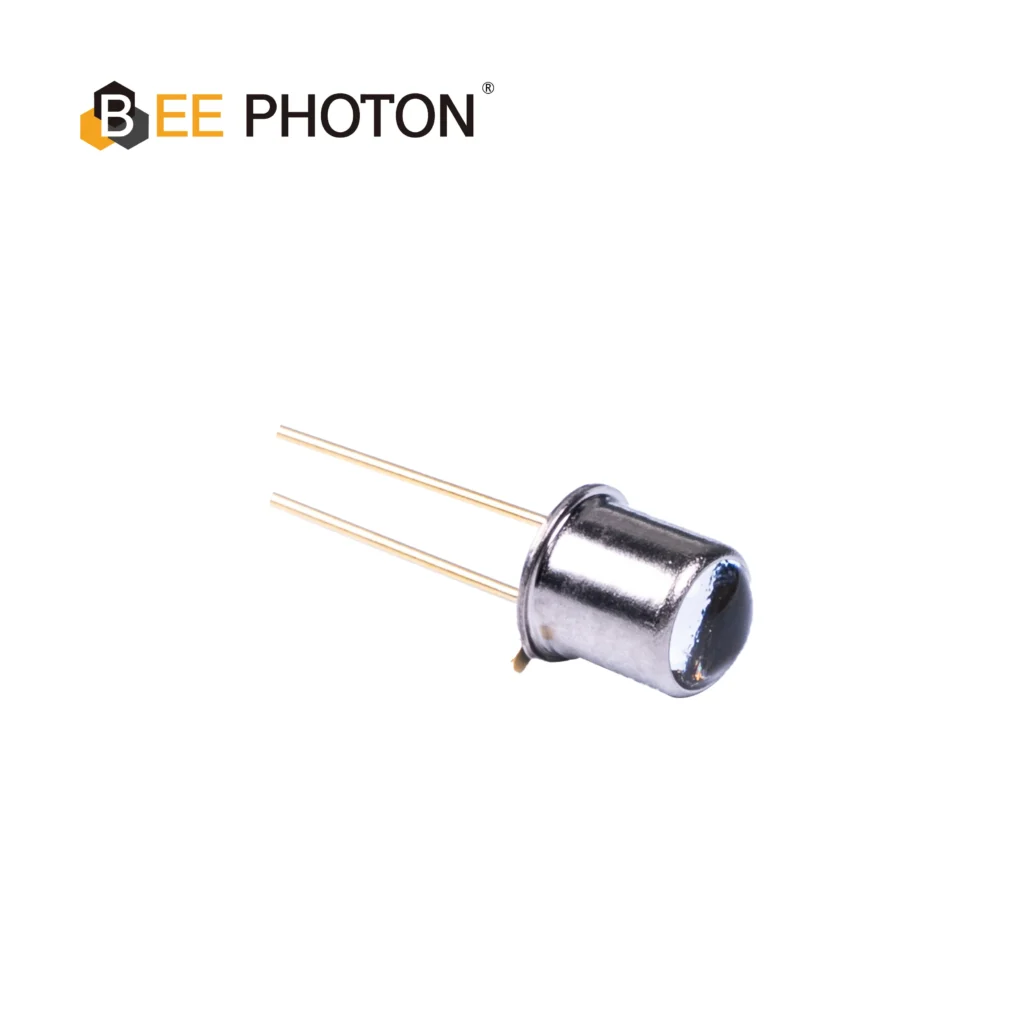
Si PIN Photodiode with low dark current (350-1060nm) PDCT01-202
Our high stability silicon PIN photodiode delivers consistent and reliable performance for analytical and optical measurement equipment. Benefit from its wide spectral range (350-1060nm) and ultra-low dark current. Trust this silicon PIN photodiode for your precision needs.
What’s Next for Low-Noise Photodiode Modules in Analytical Instruments
The push toward point-of-care and smaller analyzers means low-noise photodiode modules will keep shrinking while getting even quieter. Integrated ASICs, better coatings, and smarter on-board processing are already here. The market’s growing because labs want data they can trust without babysitting the hardware.
BeePhoton stays ahead by focusing on exactly what R&D leads complain about most: noise that wastes time and money.
FAQ About Low-Noise Photodiode Modules
Q1: How much noise reduction can I really expect from low-noise photodiode modules in my chemistry analyzer?
Usually 5–10x lower effective noise floor compared with basic photodiodes. That translates to cleaner peaks and lower limits of detection—exactly what you need when samples are dilute.
Q2: Do I need to redesign my whole optical bench to use BeePhoton low-noise photodiode modules?
Nope. Most modules drop right in with standard mounting and simple wiring. We’ve had clients up and running in under a day.
Q3: Can you customize low-noise photodiode modules for my specific analyzer wavelength or footprint?
Absolutely. Reach out and we’ll talk about your exact needs—no obligation.
Ready to Quiet the Noise?
If you’re tired of fighting weak signals and noisy readouts, low-noise photodiode modules from BeePhoton are the practical fix. They’re built for real lab life—not just datasheet specs.
Head over to BeePhoton and check the full lineup. Want a quick quote or a custom spec sheet? Jump to the contact page or shoot an email to info@photo-detector.com. Tell us what analyzer you’re working on and we’ll get you the right low-noise photodiode modules fast.


