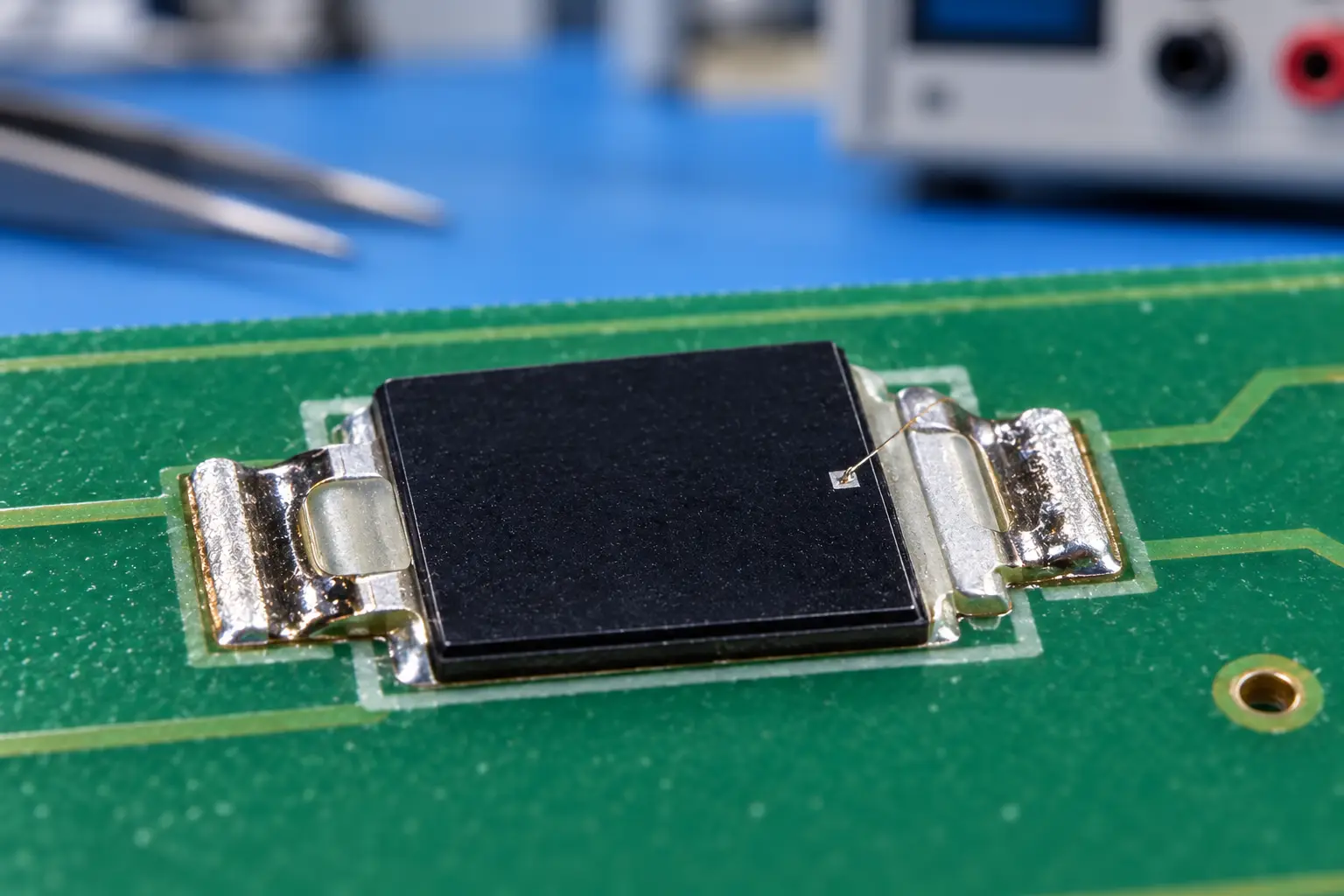
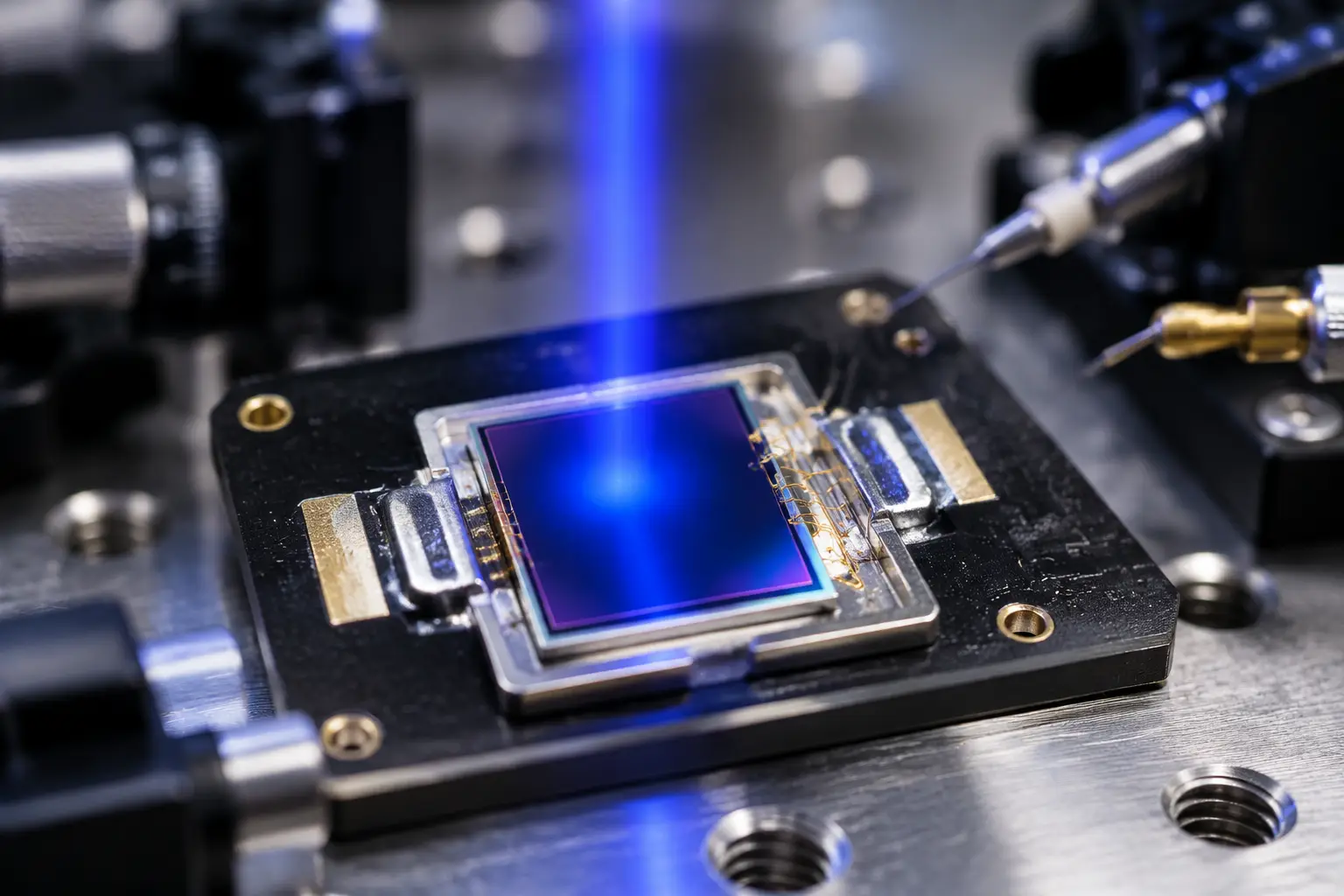
If you run a camera factory supplying gear for the big leagues—think World Cup finals or Super Bowl Sunday—you already know the pressure. One blurry frame or washed-out highlight and millions of viewers notice. That’s where custom photodiode arrays step in and change the game. At BeePhoton we’ve spent years tweaking these things for exactly the kind of high-end broadcasting equipment that demands perfect light capture under stadium lights, flood lamps, or even tricky indoor arenas.
Custom photodiode arrays aren’t just another component. They’re the custom-built heart that lets your cameras hit the optical specs your clients demand. Whether it’s a linear setup for fast line-scan or a 2D matrix tuned for ultra-low noise in 8K live feeds, these arrays get engineered to fit your exact lens design, frame rate, and dynamic range needs. And yeah, we’re talking real first-hand stuff—we’ve shipped hundreds of these to OEMs who were stuck with off-the-shelf parts that just wouldn’t cut it.
Why Standard Sensors Fall Short in High-End Broadcasting
Here’s the thing. Regular photodiode arrays work fine for consumer cams, but when you’re building equipment for global sports events, the rules change. Stadium lighting swings wildly, players move at insane speeds, and every pixel has to deliver razor-sharp color and contrast. Off-the-shelf arrays often bring too much crosstalk, higher dark current, or the wrong spectral response for your specific optics.
That’s exactly why camera factories turn to custom photodiode arrays. You get to dial in the pitch, active area size, and packaging so the whole sensor slot fits your unique optical path like a glove. We’ve seen it over and over—factories that tried generic parts ended up with hot pixels or lag in slow-motion replays. Switch to custom photodiode arrays and suddenly the footage pops.
The Power of Si PIN Photodiodes in Broadcast Cameras
Most of the custom photodiode arrays we build here at BeePhoton start with Si PIN photodiodes. Why? They deliver fast response times, low capacitance, and excellent sensitivity right in the visible and near-IR range that broadcast cameras love. Check out our full lineup of Si PIN photodiodes if you haven’t already.
These aren’t your basic PN junctions. The intrinsic layer in Si PIN designs gives you way better quantum efficiency and lower noise—critical when you’re pushing 4K or 8K at 120 fps under variable lighting. In high-end broadcasting equipment, that means cleaner signals even when the sun dips behind the clouds or the arena lights flicker.
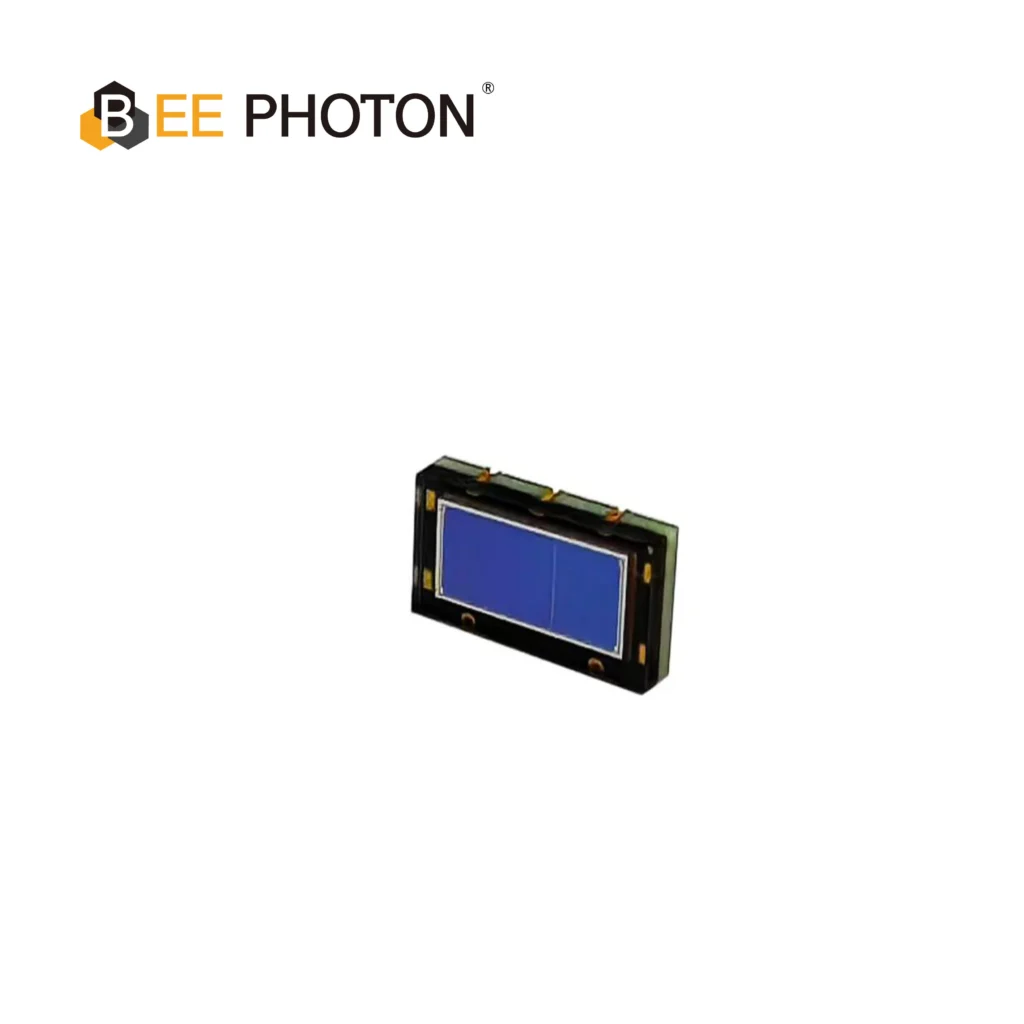
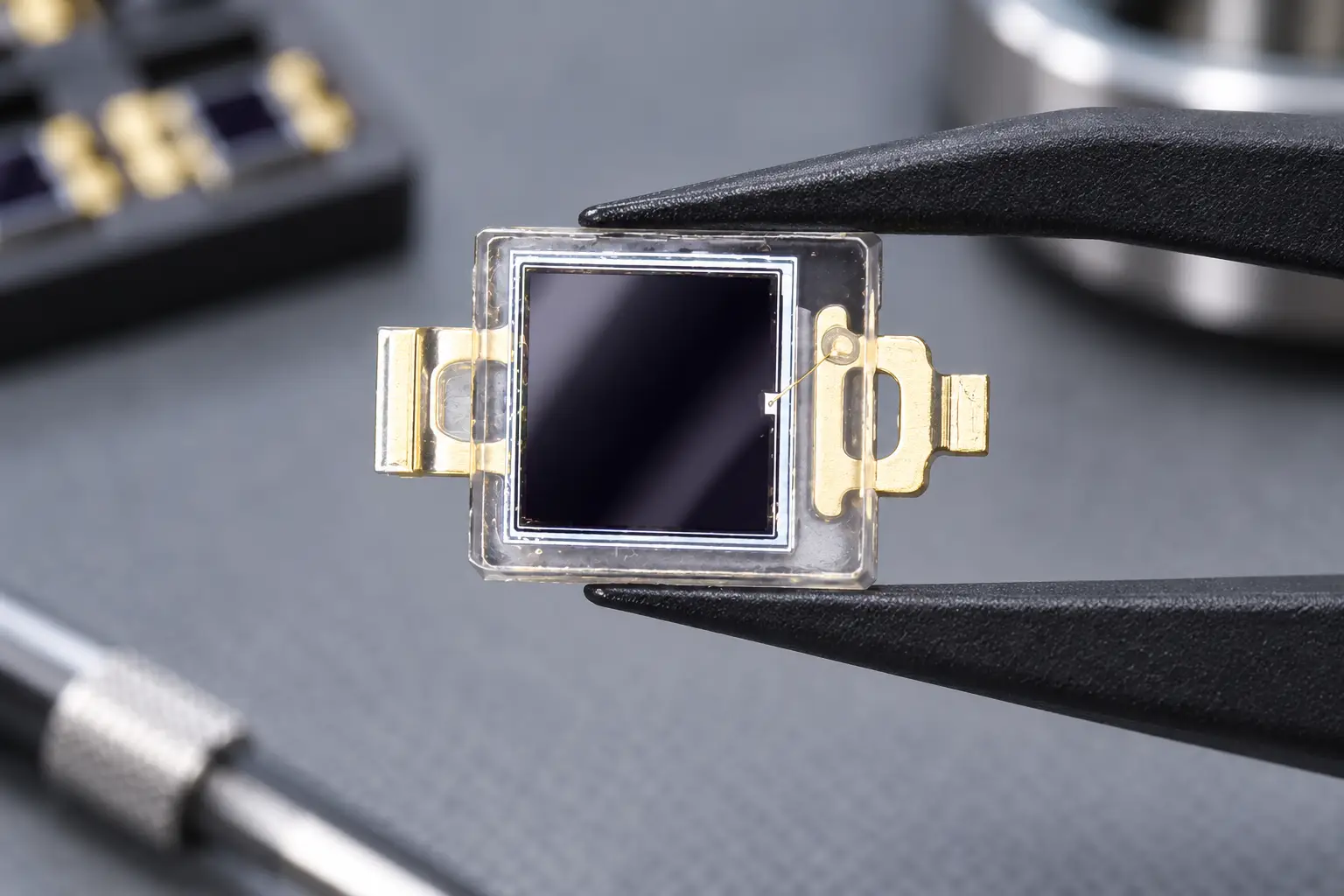
Si PIN Photodiode Array Dual PD PDCA02-101
The High Reliability Si PIN Photodiode Array (Model: PDCA02-101) is a premium dual-element detector designed for precision optical sensing. Featuring a compact 9.2×4.0×2.0 mm package and distinct photosensitive areas, this sensor delivers superior stability and low dark current for demanding industrial and medical applications.
Key Benefits That Camera OEMs Actually Care About
Let me break it down plain and simple. When we customize photodiode arrays for broadcasting clients, four things keep coming up:
- Tailored Spectral Response – Match the exact wavelengths your lenses and filters use so you don’t lose signal in the blue or red ends.
- Lower Crosstalk – Keep each element isolated so fast-moving athletes don’t bleed into neighboring pixels.
- Custom Pitch and Fill Factor – We adjust spacing and active area size to fit your mechanical constraints.
- Integrated Packaging – Hybrid options that drop straight into your camera module without extra boards.
Here’s a quick comparison table we put together from real projects:
| Feature | Standard Photodiode Arrays | Custom Photodiode Arrays (BeePhoton) | Real-World Broadcasting Impact |
|---|---|---|---|
| Crosstalk | 5–15% typical | <2% achievable | Sharper player tracking in fast-action replays |
| Dark Current | 1–10 nA | 0.1–0.5 nA | Cleaner low-light footage during night games |
| Response Time | 10–50 ns | 2–5 ns | Smoother 120 fps slow-mo without motion blur |
| Spectral Match | Fixed broad band | Tuned to your exact filter set | True-to-life colors under mixed stadium lights |
| Mechanical Fit | Standard packages | Fully custom footprint | Drops into tight camera bodies with zero redesign |
Numbers like these come straight from lab tests we run for every batch. No fluff—just what actually shows up in the field.
How Custom Photodiode Arrays Fix Real Optical Design Headaches
Camera factories tell us the same story every time. You’ve got a killer new lens design but the sensor array throws off the focus plane or introduces vignetting. Or the client wants 16:9 aspect with weird mounting angles for a robotic PTZ head.
That’s when custom photodiode arrays shine. We start with your CAD drawings, optical simulation files, and target specs. Then we tweak the array layout—maybe a staggered linear setup or quadrant elements for auto-focus assist. One European OEM we worked with was building ultra-compact shoulder-mount cams for field reporters covering the Olympics. Their standard array caused 8% light loss at the edges. After switching to our custom photodiode arrays, loss dropped below 1% and they hit their weight target. The footage looked so good the broadcaster ordered another 200 units on the spot.
We also handle weird environmental stuff. High humidity in outdoor stadiums? We add protective coatings. Vibration from those crazy cable-cam rigs? Reinforced mounting. It’s all part of making custom photodiode arrays that survive the real world of live broadcasting.
Technical Details You’ll Want to Know
If you’re the engineer doing the spec sheet, here’s the kind of detail that matters.
Responsivity is king. We calculate it as Iph (photocurrent in amps) = Responsivity (A/W) × Optical Power (W). Typical Si PIN custom photodiode arrays we ship hit 0.6–0.85 A/W at 650 nm—plenty for bright stadium conditions.
Noise? Dark current is kept under 0.5 nA at room temp so your signal-to-noise ratio stays high even in dimmer sections of the field. Capacitance gets tuned down to 5–15 pF per element depending on array size so readout speeds stay snappy.
We also play with quantum efficiency—pushing it above 85% across 400–1100 nm for some designs. And if your system needs it, we can add anti-reflective coatings or bandpass filters right on the array. All of this gets verified in our in-house test rigs before it ships.
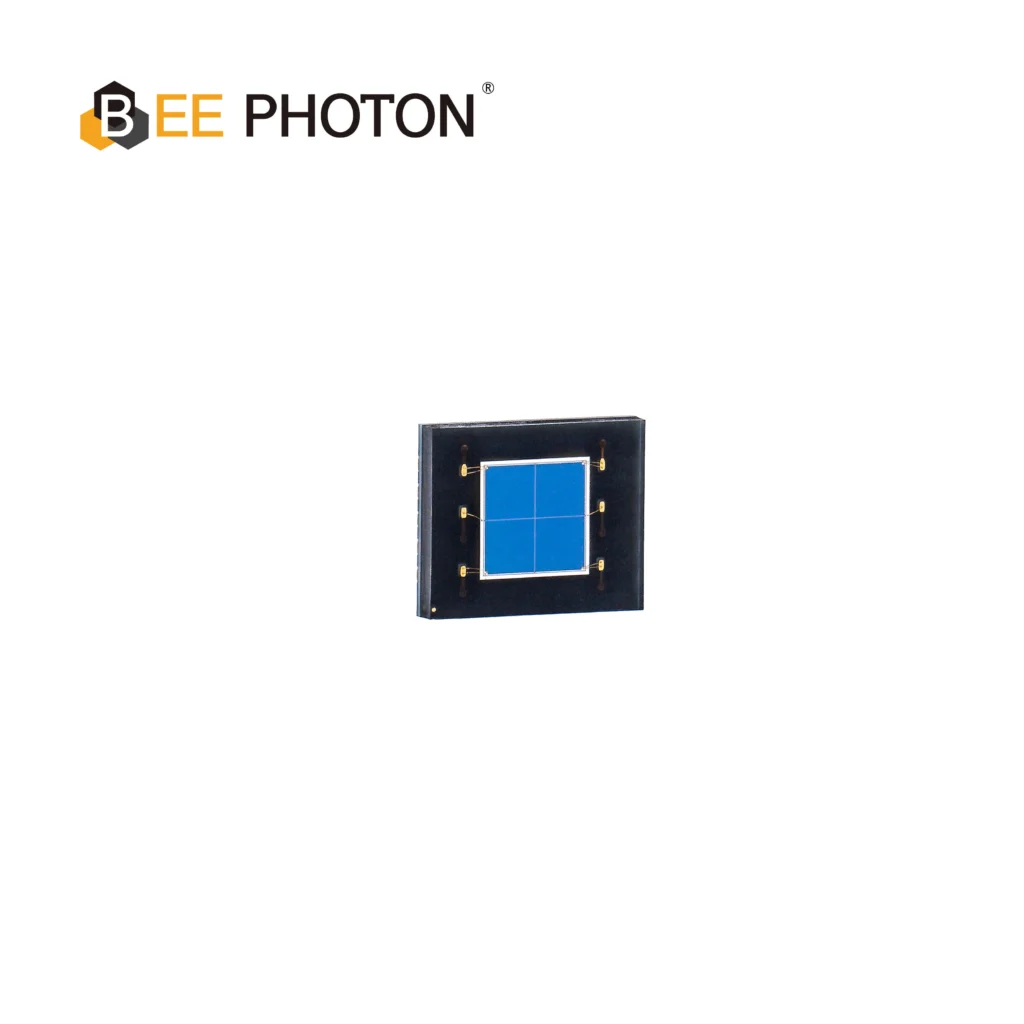
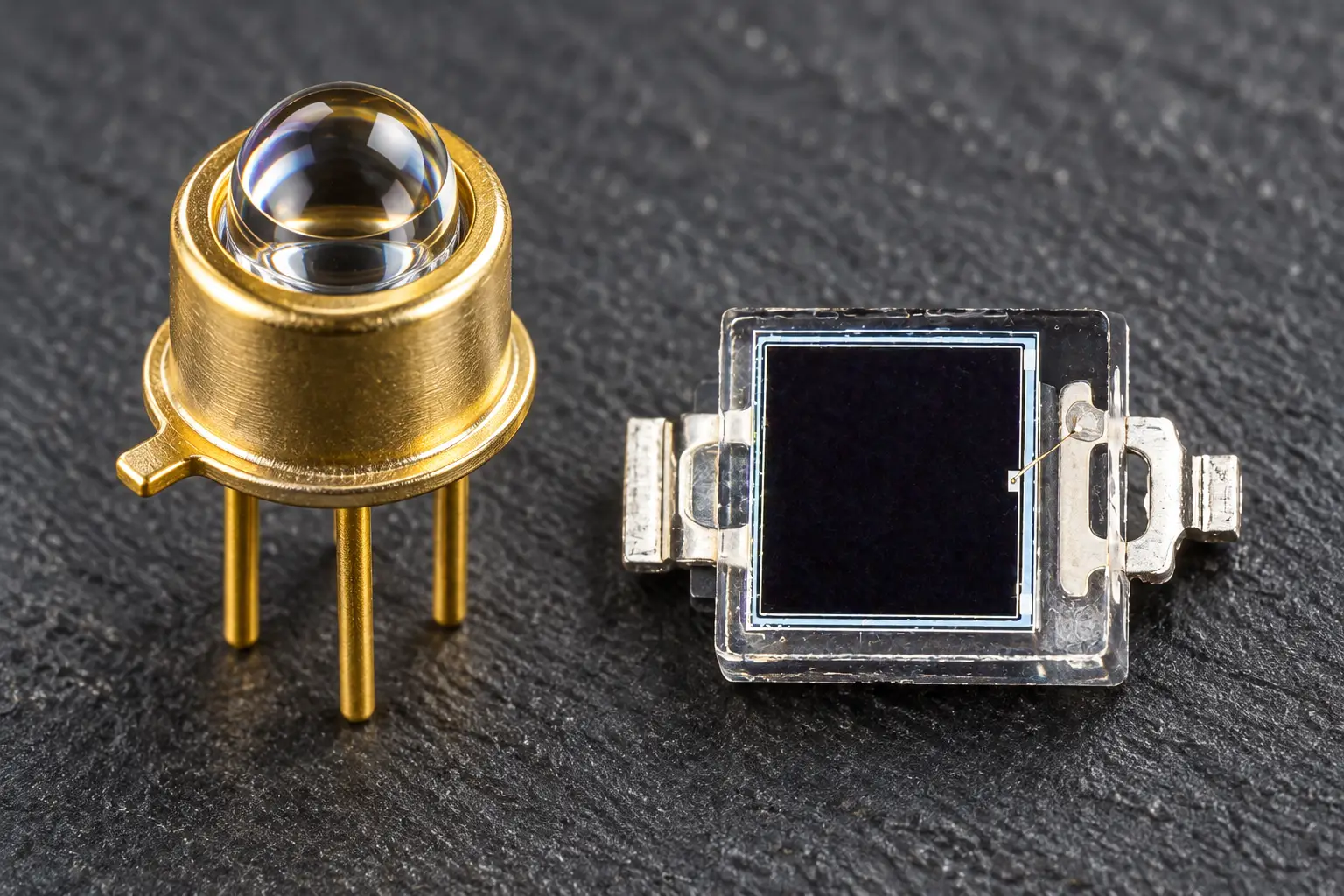
Si PIN Photodiode Array Four-quadrant PD PDCA04-101
Bee Photon’s Quadrant PIN Photodiode ensures high-precision laser beam alignment and position sensing.This detector offers superior accuracy for your optical systems. Our Quadrant Photodiodes provide excellent uniformity for reliable results.
Market Trends Driving Demand for Custom Solutions
The numbers don’t lie. The global broadcast equipment market sat at roughly USD 5.35 billion in 2024 and is heading toward USD 9.38 billion by 2033 with a steady 6.8% CAGR. Sports broadcasting tech alone is exploding—valued around USD 84.83 billion in 2025 and projected to hit USD 154.53 billion by 2035.
Why the surge? More 4K/8K channels, streaming platforms demanding pristine live feeds, and the explosion of immersive viewing during major events. Camera OEMs can’t keep using cookie-cutter sensors when every broadcaster wants something a little different. Custom photodiode arrays let you stand out instead of blending in.
Photodiode sensors overall are growing at 7.12% CAGR too, with PIN types holding about 41% market share because of exactly the speed and sensitivity broadcast gear needs.
Success Stories from the Field (Names Stay Confidential)
We can’t name every client, but here are a couple of real situations that show what custom photodiode arrays can do.
One Asian factory was supplying the main cameras for a major international tennis tournament. Their existing array couldn’t handle the rapid panning across the court without introducing ghosting. We delivered a 512-element linear custom photodiode arrays setup with ultra-low capacitance. Result? The director could run 240 fps tracking shots that looked buttery smooth. Viewers loved the new “player-follow” angles.
Another case involved a North American broadcaster building drone-mounted 8K cams for football games. Weight and power were huge issues. Our custom photodiode arrays shaved 30% off the sensor module weight while boosting dynamic range by 2 stops. The drones stayed in the air longer and the footage survived harsh sunlight-to-shadow transitions without clipping.
These aren’t one-off wins. They’re the kind of outcomes we see when camera factories finally get the exact custom photodiode arrays their optical design actually needs.
Integration Tips for Your Next Camera Build
If you’re about to spec custom photodiode arrays into a new project, here are a few practical pointers we always share.
First, share your full optical stack early—lens focal length, f-stop range, filter transmission curves. The sooner we see it, the better we can optimize the array pitch and element shape.
Second, think about readout electronics up front. Some clients pair our arrays with custom ASICs for parallel readout that hits 10 MHz per channel.
Third, test early prototypes under actual stadium lighting conditions. Lab benches are nice, but nothing beats real flood lamps and moving athletes.
We’re happy to send evaluation samples of custom photodiode arrays so you can validate before committing to production runs.
Future-Proofing Your Broadcasting Equipment
Sports broadcasting keeps evolving—higher frame rates, wider dynamic range, AI-assisted tracking. Custom photodiode arrays give you the flexibility to ride those waves instead of getting stuck with yesterday’s tech. We’re already working on arrays with built-in temperature compensation and even smaller footprints for next-gen wearable cams.
The bottom line? If your camera factory wants to stay ahead, standard parts won’t cut it anymore. Custom photodiode arrays are the smart move.
Ready to talk about your next project? Head over to our contact page or drop us a line at info@photo-detector.com. Tell us your optical challenges and we’ll show you exactly how BeePhoton custom photodiode arrays can solve them. Whether you need a quick quote or a deep technical consultation, we’re here to help your high-end broadcasting equipment stand out from the crowd.
Don’t settle for “good enough” sensors. Let’s build the custom photodiode arrays that make your cameras legendary.

Si PIN Photodiode Array PDCA02-102
The PDCA02-102 is a high-performance Si PIN Photodiode Array designed for precision optical measurement and alignment systems. Engineered by Bee Photon, this 2-segment photodiode delivers a wide spectral response range from 400nm to 1100nm, covering the entire visible light spectrum into the near-infrared (NIR) region.
With its compact COB (Chip on Board) package and resin window, the PDCA02-102 ensures durability and easy integration into compact optical modules. It is specifically optimized for industrial applications where high sensitivity and fast response times are critical.
FAQ
What makes custom photodiode arrays better than standard ones for broadcasting cameras?
Custom photodiode arrays get engineered to your exact lens design, pitch, and noise requirements. Standard parts often cause crosstalk or light loss that ruins 4K/8K footage under variable stadium lighting.
How long does it take BeePhoton to deliver custom photodiode arrays?
Prototype samples usually ship in 4–6 weeks. Full production runs depend on volume but we’ve hit 8-week turnarounds for urgent sports broadcasting projects.
Can custom photodiode arrays work with our existing camera electronics?
Absolutely. We design the arrays and packaging to match your readout boards, power rails, and mechanical mounts so integration stays simple.
Do you offer custom photodiode arrays in small quantities for R&D?
Yes—we support low-volume prototype runs so camera OEMs can test before scaling up. Just reach out via our contact page.
Why should I choose BeePhoton for custom photodiode arrays?
We combine deep Si PIN expertise with real-world experience supplying high-end broadcasting equipment. Our arrays have already powered cameras at major global sports events, and we back every project with hands-on support.