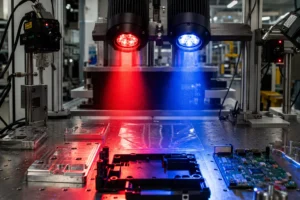
Light source
Red vs Blue: 625nm Red LED or 465nm Blue LED for Industrial Sensors?
I’ve spent way too many nights staring at oscilloscopes and sensor readouts trying to squeeze every last bit of reliability out of industrial detection systems.

I’ve spent way too many nights staring at oscilloscopes and sensor readouts trying to squeeze every last bit of reliability out of industrial detection systems.
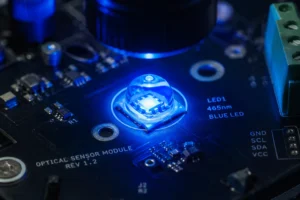
If you’ve ever stared at a spec sheet wondering why some blue LEDs are listed at 3mW, 4mW, or even 6mW radiant flux, you’re not
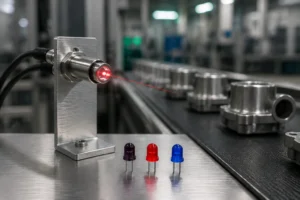
I’ve spent the last twelve years helping factories and automation companies pick the right light source for their photoelectric sensors. Some choices work beautifully, others
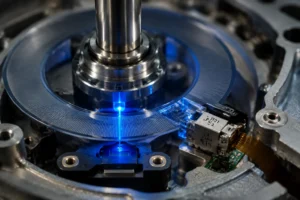
If you have been designing or troubleshooting rotary or linear optical encoders for any length of time, you probably remember when infrared (IR) was the
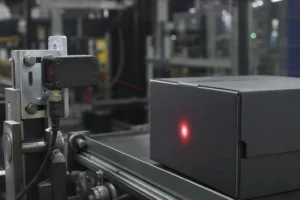
If you’ve ever spent a frustrating afternoon in a dusty, dimly lit manufacturing plant trying to align an infrared sensor, you know exactly how painful
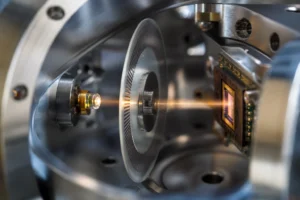
When you’re trying to squeeze every last drop of precision out of a rotary or linear encoder, choosing the right optical encoder light source is
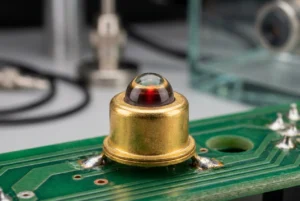
If you are an R&D engineer designing high-precision optical sensors, you have probably faced the classic dilemma of choosing the right wavelength. While the standard
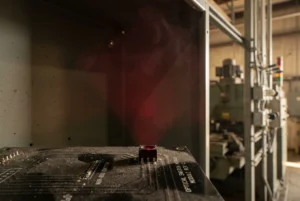
I’ve spent the last twelve years helping factories and automation integrators sort out their optical sensing headaches. More times than I can count, the whole
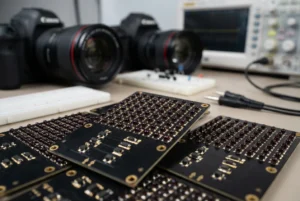
If you’re knee-deep in building somatosensory interaction gear or any kind of 3D capture equipment, you already know the pain. Those laser diodes keep jacking
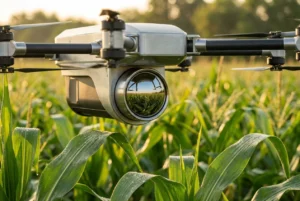
If you are building agricultural IoT devices, you know the pressure isn’t just coming from the weather. It’s coming from the market. Farmers don’t want