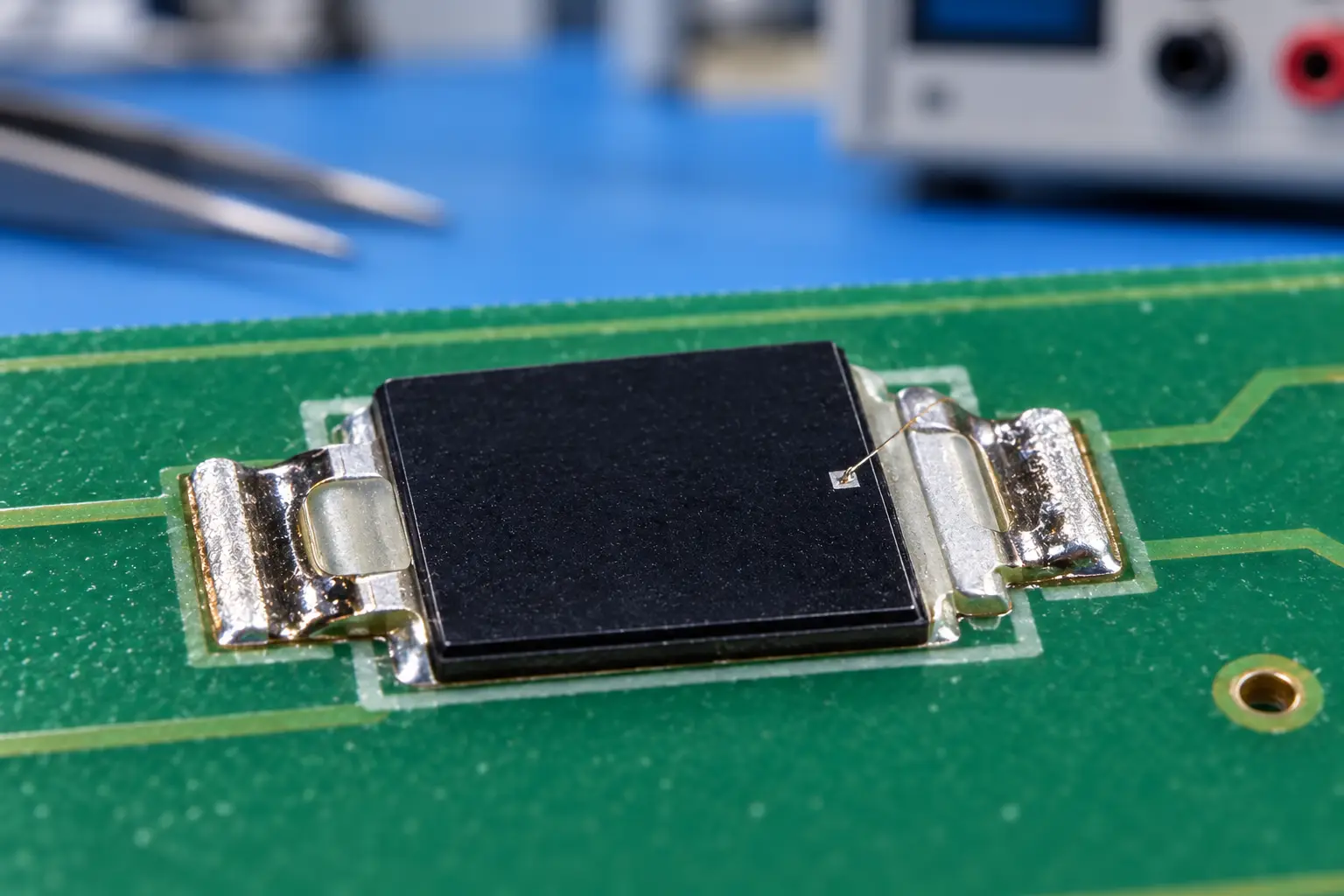
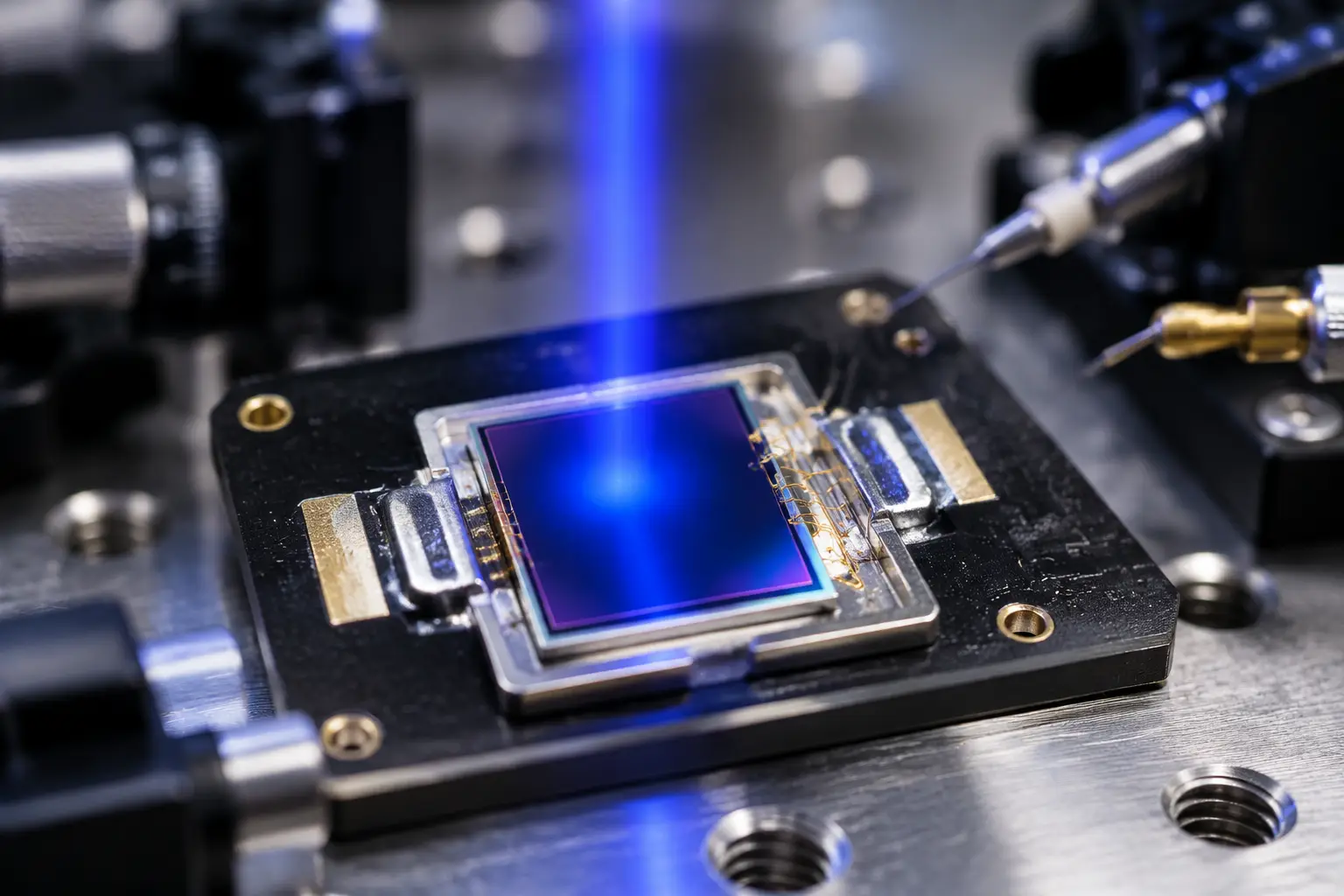
Ever stared at a gadget and wondered how it “sees” light without any fancy cameras? Thats the magic of stuff like photodiodes, but lets crank it up—what if I told you theres a plug-and-play version that doesnt make you pull your hair out wiring circuits? Yeah, were talking about the photodiode module. Ive been knee-deep in photonics for years at Bee Photon, tweaking these bad boys for everything from lab experiments to wild industrial setups. And trust me, once you get why these modules rock, youll wonder how you ever muddled through without em.
Stick around, cause Im gonna walk you through what a photodiode module really is, when it makes total sense to grab one, and how it can shave weeks off your build timeline. No fluff, just straight talk from someone whos soldered more boards than I care to count. By the end, youll be eyeing your next project with fresh eyes—and maybe shooting an email to info@photo-detector.com for a quick chat on quotes.
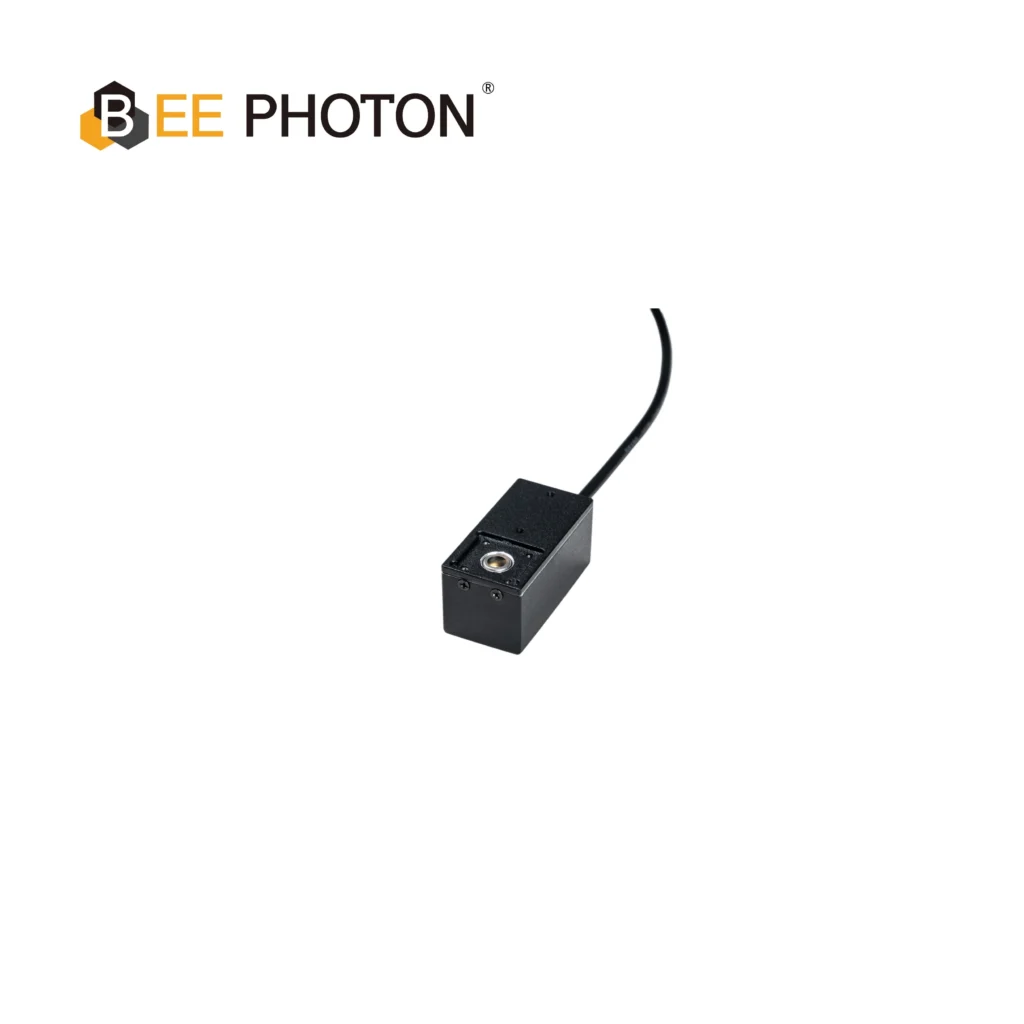
Photodiode Module(Digital signal output)PDMM
Our Low Noise Photodetector Module ensures high sensitivity for precision tasks. Use this low noise photodetector module for superior spectroscopy results.
What Exactly Is a Photodiode Module?
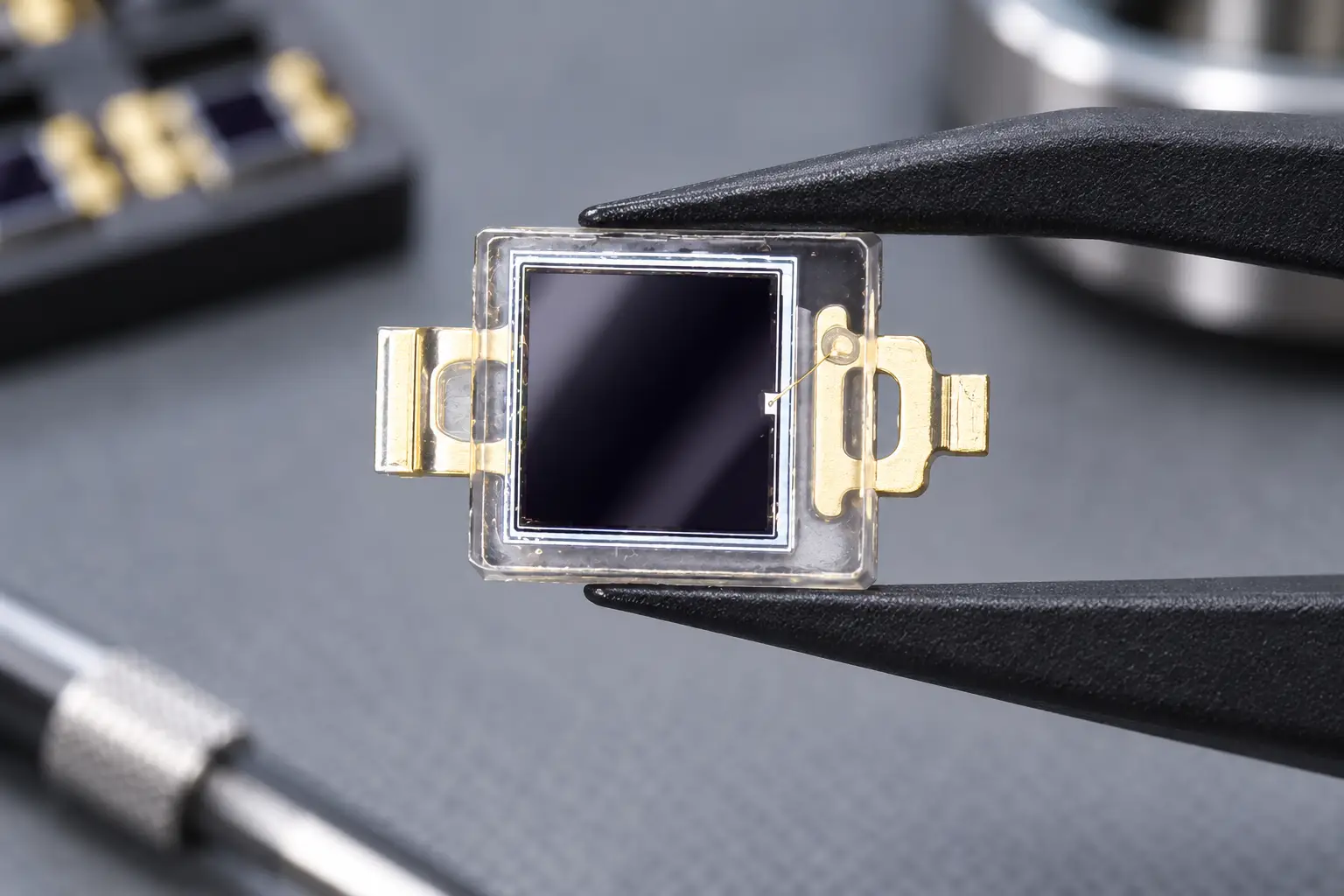
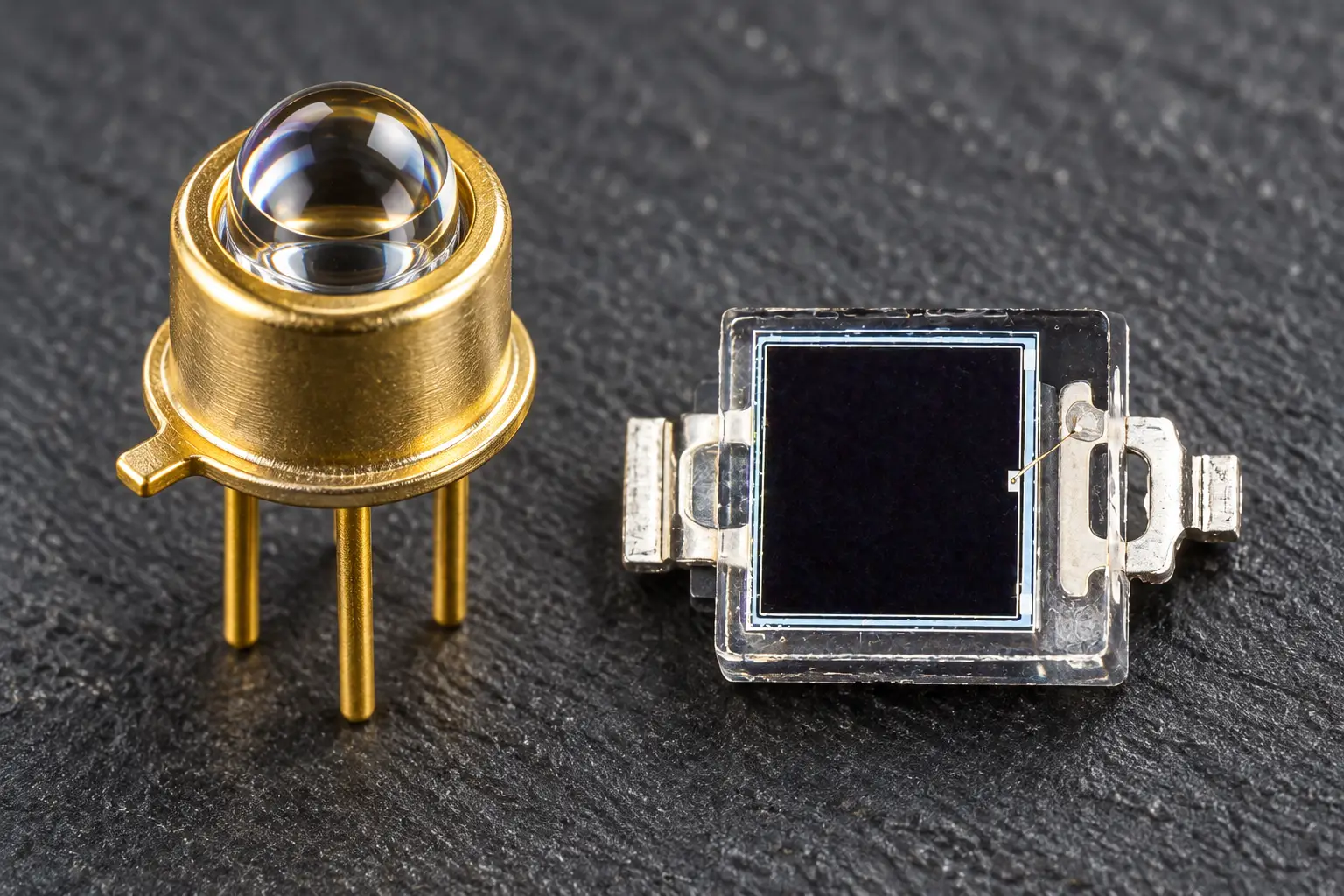
Okay, lets start simple. Picture a photodiode—thats the core heart of it all. Its basically a tiny semiconductor gadget that turns light into electricity. Shine some photons on it, and boom, you get a current flowing. But heres the kicker: a bare photodiode? Its like handing someone a engine without the car. Useful, sure, but you gotta bolt on amplifiers, filters, and all sorts of noise-cancelling wizardry to make it sing in real life.
Enter the photodiode module. This isnt just a diode slapped into a box; its a full-on team player. Think integrated circuit magic baked right in—amplifiers, signal conditioners, even temperature compensation if youre fancy. At Bee Photon, our take on this is the Photodetector Module, which packs a punch for fluorescence detection and beyond. Its designed as this neat, modular chunk that plugs into your setup like a Lego brick. No more chasing ghost signals or fiddling with gain settings till your eyes cross.
Why does this matter? Well, in my experience tinkering with prototypes, raw photodiodes demand you design the whole shebang around em. Youre talking custom PCBs, hours debugging impedance mismatches, and prayin the noise floor doesnt bury your data. A photodiode module flips that script. Its pre-tuned, compact, and—get this—easy to use. Yeah, I said it. Plug it in, tweak a couple params via software or pots, and youre off chasing actual innovation instead of fighting hardware gremlins.
From what Ive seen in the field, these modules shine brightest when youre prototyping fast or scaling small batches. Remember that time a client came to us with a rushed medical imaging rig? They needed light sensitivity down to the femtowatt level, but their team was swamped. Swappin in a photodiode module cut their integration headaches by half. No joke—thats the kind of win that keeps projects on track.
How Does a Photodiode Module Actually Work?
Alright, lets geek out a tad without goin overboard. At its gut, a photodiode module starts with that PN junction—the diodes secret sauce. Light hits the junction, knocks electrons loose, and creates a photocurrent proportional to the intensity. But heres where the module levels up: that integrated circuit I mentioned? It grabs that weak signal (we’re talkin microamps sometimes) and amps it up to something your ADC can chew on without choking.
Take a typical setup. Youve got your photodiode front-end, maybe a transimpedance amp to convert current to voltage, and then some filtering to ditch the DC drift or EMI junk. In fancier ones, like our Bee Photon lineup, theres even auto-zeroing to keep baselines steady across temp swings. I once hooked one up in a humid lab—temps jumpin from 20 to 40C—and it held steady like a champ. No recalibrating every hour, which, if youve ever done field testing, is a godsend.
Operationally, its straightforward. Power it with 5V or whatever your spec sheet says, hook the output to your micro, and calibrate once. Response times? Were lookin at nanoseconds for PIN types, which is why theyre darlings in telecom. And bandwidth? Up to GHz in high-end modules, perfect for pulsing lasers or modulated signals.
But dont just take my word—lets peek at some real numbers. According to a report from Mordor Intelligence, the photodiode sensors market (modules included) is sittin at about $768 million in 2025, headin toward $1.1 billion by 2030 with a 7.47% CAGR. Thats fueled by demands in 5G backhaul and LiDAR, where precise, low-noise detection aint optional. Makes sense, right? When youre racing to market, you want gear thats reliable out the gate.

Photodiode module(Analog output)PDTM-A
Bee Photon is a top OEM Photodiode Module Supplier for custom needs. Trust an experienced OEM photodiode module supplier for your precision optical instruments.
When Should You Pull Out a Photodiode Module?
Heres the meaty part—timing. Not every project screams for a module. If youre a hobbyist breadboarding a solar tracker, a cheap photodiode might do. But scale up? When designs get complex, timelines tighten, or precision matters, thats module territory.
First off, consider your dev cycle. Building from scratch with discrete parts? Youre lookin at weeks for layout, fab, and test. A photodiode module? Days, tops. It simplifies the whole chain—fewer components mean less debug time, lower BOM costs long-term, and hey, shorter paths to proof-of-concept. Ive advised teams on this tons; one automotive supplier shaved three months off their LiDAR prototype by ditching custom amps for a ready module.
Common scenarios? Optical comms for sure. Think fiber links where you need to detect faint signals over miles. Or medical gear—fluorescence assays in biotech labs, where sensitivity to specific wavelengths is key. Our Photodetector Module is tailored for that, catchin those elusive emissions without crosstalk.
Then theres industrial automation. Barcode scanners, position sensors, even smoke detectors lean on these for reliable light-to-signal conversion. And dont sleep on consumer stuff—your phones ambient light sensor? Probably a module under the hood, adjustin screen brightness on the fly.
But lets get real with a quick comparison. I whipped up this table from hands-on tweaks—shows why modules often win:
| Aspect | Bare Photodiode | Photodiode Module |
|---|---|---|
| Integration | Needs external amp & filter | Built-in integrated circuit |
| Dev Time | 4-6 weeks for full circuit | 1-2 days to prototype |
| Ease of Use | High skill curve, custom code | Plug-and-play, basic calibration |
| Cost (Prototype) | $50-200 (parts + labor) | $100-300 (off-the-shelf) |
| Noise Handling | Manual tuning required | Auto-compensated, low floor |
| Size | Variable, often bulky | Compact, ~1-2 cm² footprint |
See? That integrated circuit isnt just buzz—its a time-saver. Data backs it too: Global Market Insights pegs the sensors market at $783.5 million in 2024, growin to $1.7 billion by 2034 at 8.4% CAGR, driven by healthcare and renewables. If youre in those spaces, ignorin modules is like leavin money on the table.
Why Bother with a Module? The Real Perks for Your Project
Look, I get it—why not DIY everything? Pride, maybe, or thinkin its cheaper. But after years at Bee Photon, helpin folks from startups to corps, Ive seen the pitfalls. Discrete builds balloon costs when you factor re-spins. One fix-it job we did? Client had oscillation issues from poor grounding—took a week to trace. With a module, thats baked in.
Key wins: simplification. That amplifier integration means your signal pops clean, no sweat. Shortens dev cycles by bundlin the tedious bits, lettin you focus on app logic. And easy to use? Absolutely. Our modules come with dev kits—sample code, pinouts clearer than a sunny day. Hook it to Arduino, Raspberry Pi, whatever; outputs analog or digital, your call.
Take reliability. Modules often ship with shielding, reducin EMI pickup. In noisy environments like factories, thats huge. Plus, modularity scales—swap wavelengths or gains without redesign. I recall a case with an anon environmental firm: they were monitoring UV in water treatment. Bare diodes washed out in sunlight; our photodiode module locked in readings, deployin six sites in under a month. Cut costs 40%, their words.
Market vibes? Consegic Business Intelligence says photodiodes hit $1.37 billion by 2030, up from $738 million in 2022 at 8.2% CAGR. Telecom and auto lead, but med and industrial aint far behind. If your gigs touch light sensing, a module aint luxury—its smart biz.

Diving into Real-World Wins: Stories from the Trenches
Wanna hear somethin cool? Lets chat applications without the textbook drone. First, biotech. Fluorescence detection—thats glowy molecules under UV. A photodiode module here catches those weak sparks, filterin junk light. We supplied one to a lab (names off for privacy) buildin a portable diagnostic tool. They integrated our Photodetector Module and nailed FDA prelims early. Dev cycle? From concept to test in eight weeks, vs the usual 16. Thats the shortcut integrated circuits deliver.
Shift to automotive: LiDAR for self-drivin cars. Modules handle pulsed returns at speed, with low jitter. A tier-2 supplier we worked with prototyped a scanner; modules let em iterate optics fast, hittin 100m range without custom ASICs. Shortened their cycle by months, got VC nods quicker.
Industrial? Think laser alignment in manufacturing. One factory automated weld checks usin modules for beam profiling. Easy to use setup meant line workers could swap em—no EE on call. Downtime dropped 25%, per their logs.
Even renewables: Solar trackers use em to max panels. A small farm outfit integrated modules for diffuse light sensing, boostin yield 15% in cloudy spots. These aint hypotheticals; theyre from chats over coffee with clients.
Unique twist? Pair with IoT. Modules with I2C outputs feed straight to cloud dashboards. Weve seen setups monitorin greenhouse lights, alertin on dips. Low power too—sleep modes sip mA. Thats where expertise shines: tunin for your niche.
Tips to Nail Your First Photodiode Module Project
Jumpin in? Start small. Pick a module matchin your wavelength—visible? NIR? Specs on photo-detector.com got you. Mount it right: lens for focus, shield from stray light. Calibrate with known sources; apps like our dev tools make it painless.
Troubleshootin? Check bias voltage first—overdo it, and dark current spikes. Noise? Ground loops kill signals; star groundin helps. From my bench time, 80% issues trace to power supply ripple. Clean that, and youre golden.
Scale up? Modules stack—arrays for imaging. Cost drops in volume; hit us at Bee Photon for bulk quotes. Weve guided dozens through this, from sketch to shipment.
Wrappin It Up: Ready to Light Up Your Next Idea?
So, there you have it—a photodiode module aint just tech jargon; its your shortcut to slicker, speedier designs. With that integrated circuit hummin inside, its easy to use and a dev-cycle slayer. Whether youre chasin fluorescence flickers or LiDAR lasers, these things deliver without the drama.
Feelin that spark? Head over to https://photo-detector.com/ and poke around our Photodetector Module. Got questions? Drop a line at info@photo-detector.com or hit the contact page. Wed love to chat your project, toss ideas, or even quote a custom tweak. Whats your light-sensing headache? Lets fix it together—your timeline will thank ya.

Photodiode Module(Digital signal output)PDTM-D
Our Fluorescence Detector Module offers high gain for bio-analysis. Ideal for IVD, this fluorescence detector module ensures accurate weak signal detection.
FAQ: Quick Hits on Photodiode Modules
Q: Whats the big diff between a photodiode and a photodiode module?
A: Straight up, the diode is the sensor bit alone—raw and needy. The module wraps it with amps and circuits, makin it plug-ready and way less fiddly for real builds.
Q: Are photodiode modules pricey for startups?
A: Nah, prototypes run $100-300, cheaper than custom work. And with market growth like 8% yearly, prices are droppin as volume rises—solid for bootstrappers.
Q: Can I use a photodiode module in harsh spots, like outdoors?
A: Totally, if its rated IP65 or better. Ours at Bee Photon handle -40 to 85C, vibratin rides. Just seal the optics, and theyre tough cookies.
Q: How do I pick the right sensitivity for my app?
A: Match responsivity to your light levels—pA/V for dim stuff, uA for bright. Test with a source; tools online help, or ping us for recs.